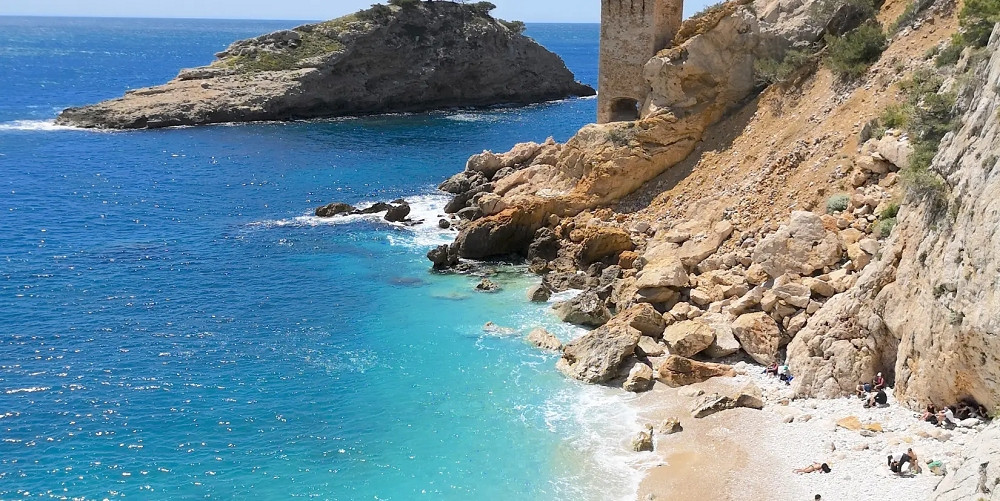

Discover the delights of Provençal cuisine.
One of the joys of Provence is, of course, its cuisine—a blend of sunshine, fine local produce, traditional home-style cooking, and renowned local chefs. People come from all over the world to savor a hearty Provençal stew in a bistro or dine at a Michelin-starred restaurant on the French Riviera.
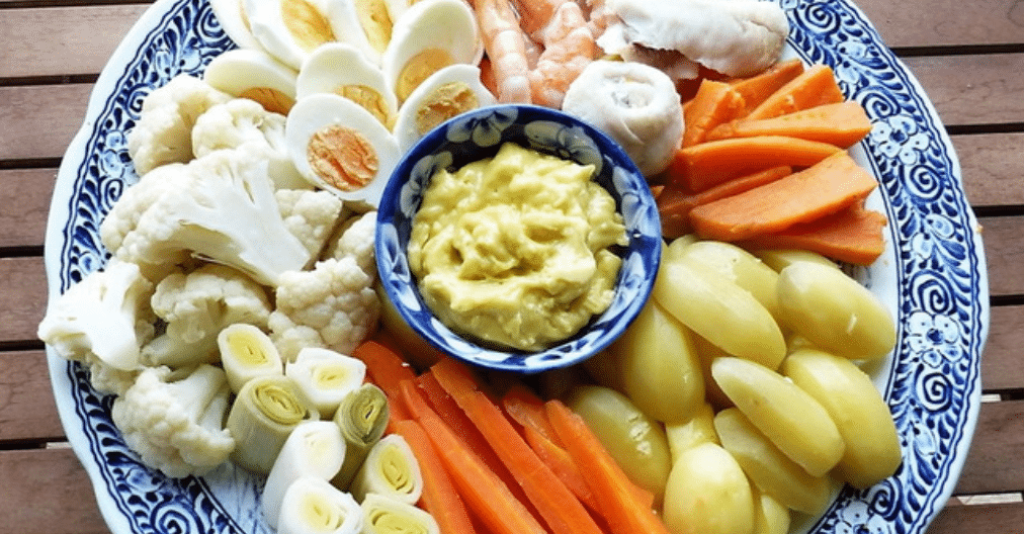
Provençal cuisine is much more than just regional fare. It’s a journey for the taste buds, from the morning market to the dinner table. Marseille bouillabaisse, black olive tapenade, pistou soup, red wine braised beef, Niçoise pissaladière, black truffles from the Luberon in winter, Cavaillon melon in summer—the Provence-Alpes-Côte d'Azur region offers one of the richest culinary palettes in France.
Each area has its own specialties. Local produce varies depending on whether you’re on the Mediterranean coast, in the vineyards of the Rhône Valley, or in the hills of the Luberon Regional Nature Park.
That’s precisely what makes this trip different from others. You won’t just be eating. You’ll be discovering a region, its fishermen, its market gardeners, its chefs, and its markets. Provençal cuisine is an adventure in itself—and this guide is here to help you make the most of it.
Provençal cuisine
Provençal cuisine is one of the richest in France. It relies on simple ingredients, carefully prepared for centuries. Olive oil, herbes de Provence, sun-kissed vegetables, Mediterranean fish: the basics are there, generous and authentic.
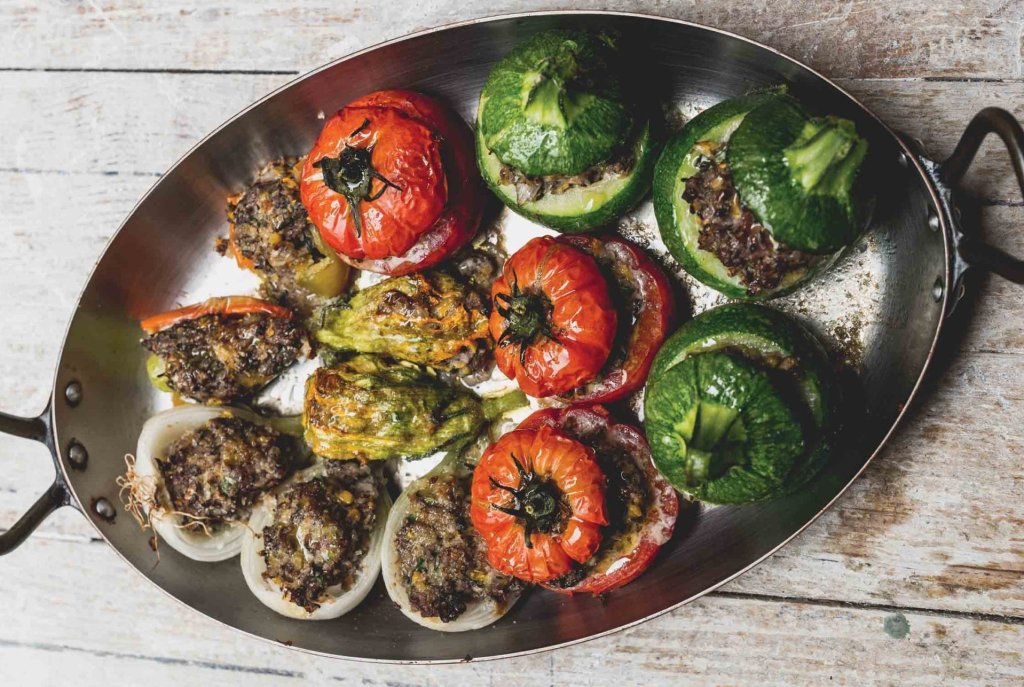
Among the must-try traditional dishes, bouillabaisse remains the undisputed star. This rockfish soup, born in the calanques of Marseille, is served in two courses with rouille and garlic-rubbed croutons. Daube provençale, on the other hand, is a beef stew simmered in red wine with black olives and aromatic herbs—a dish that takes time to prepare but rewards you a hundredfold.
Ratatouille and pistou soup embody Provençal vegetarian cuisine at its finest. Zucchini, eggplant, tomatoes, basil, beans: these recipes capture the essence of a Southern summer in every bite. They can be found on nearly every table, from country farmhouses to restaurants in Aix-en-Provence.
When it comes to dessert, the tarte tropézienne has established itself as a culinary specialty in its own right. This generous brioche filled with double cream, invented in Saint-Tropez in the 1950s, is now part of the region’s sweet heritage. Provençal culinary specialties thus span a vast territory—from the sea to the hills, from appetizers to desserts.
Local produce
It all starts with traditional ingredients. In Provence, local produce isn’t just a marketing gimmick—it has been the foundation of regional cuisine for centuries.
Olive oil reigns supreme. Several AOC designations protect local production, notably the Baux-de-Provence valley and the Aix region. Four to six kilos of olives are needed to produce a single liter of oil. A drizzle over grilled vegetables, a few drops on fresh goat cheese: it’s everywhere, subtle or bold depending on the dish.
Herbes de Provence—thyme, rosemary, savory, bay leaf—grow naturally on the hillsides. Wild thyme, known as farigoule in Provençal, now holds a PGI designation. The blends sold in supermarkets often come from elsewhere: at the markets, buy directly from the producers.
When it comes to cheese, two specialties stand out. Banon, a matured goat cheese wrapped in a chestnut leaf soaked in Provençal marc, is protected by an AOC designation. Brousse du Rove, a fresh goat cheese, is only available from around February to June. Enjoy it with a drizzle of lavender honey—a classic and unbeatable pairing.
Provence honey holds a PGI designation. There are many varieties: lavender, rosemary, chestnut, heather, and wildflower. The Var is France’s leading department in terms of honey production. This is no coincidence: the region’s floral diversity is exceptional.
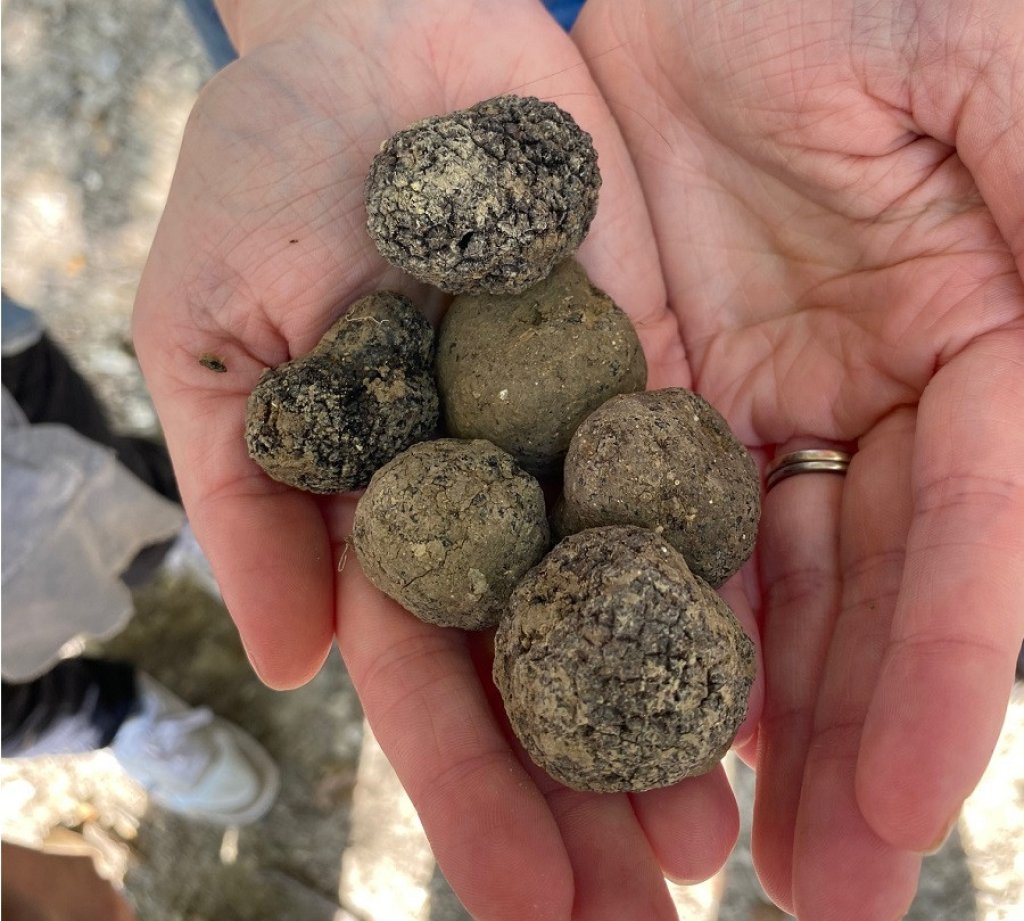
Then comes the black truffle, Tuber melanosporum—called rabasso in Provençal. It grows at the base of truffle oaks, mainly in the Luberon and around Mont Ventoux. From November to March, the truffle markets come alive: the one in Richerenches, in the Vaucluse, is considered one of the largest in Europe. A truffle scramble, a simple omelet: sometimes, the best recipes are the simplest.
Sun-kissed tomatoes, Cavaillon melons, and autumn wild mushrooms round out the picture. Each season brings its own produce, its own flavors. That’s the essence of the Provençal terroir: a succession of good reasons to return.
The region’s fine wines
Provence is one of France’s oldest wine-growing regions. Vines were introduced here by the Greeks of Phocaea as early as the 6th century BCE, near Massalia—now Marseille. Suffice it to say that wine is a serious business here, deeply rooted in the landscape and local customs for millennia.
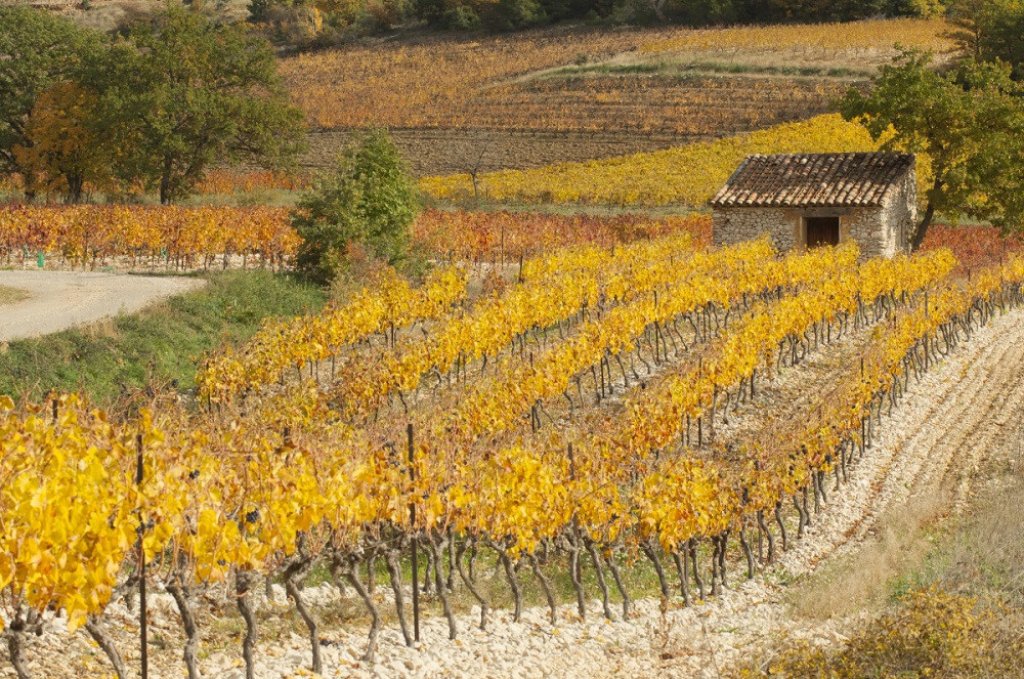
The vineyards stretch for nearly 200 kilometers, from Nice to the outskirts of Avignon, between the Mediterranean and the Southern Alps. Provence has 9 AOC appellations. The largest is Côtes de Provence: it covers more than 20,000 hectares across 84 communes, spread across the Var, Bouches-du-Rhône, and part of the Alpes-Maritimes departments. It alone accounts for about 75% of regional production.
Rosé is the big draw. Provence is the only wine-growing region in the world where rosé accounts for over 85% of total production. Grenache, Cinsault, Syrah, Tibouren: these grape varieties are blended to produce pale, fresh, and aromatic wines, perfect for the southern table. A Provence rosé with ratatouille, grilled prawns, or a Niçoise salad—the pairing is almost automatic.
But rosé isn’t everything. Bandol produces some of the region’s finest red wines, made from Mourvèdre and aged in barrels for at least 18 months. These are structured wines with aging potential, featuring notes of spices and garrigue. As for the Blanc de Cassis, it’s the classic pairing with bouillabaisse—a local combination not to be missed.
The lesser-known appellations are worth a visit. Les Baux-de-Provence, Palette, Bellet near Nice, or the vineyards of the Luberon and Ventoux in the Rhône Valley offer wines that are often overlooked, yet sometimes remarkable. This is where discerning wine lovers make their best discoveries—and often their best deals.
If you want to explore further, wine tourism is well-developed in Provence. There are numerous tasting cellars and estates open to visitors. Spending a morning in the vineyards with a winemaker is an experience in its own right—and a memory that lasts long after your stay.
A selection of great Provençal restaurants
Provence covers a vast area, and its restaurants reflect all of its diversity. From one end of the region to the other, from the Luberon to the French Riviera, every type of restaurant has its place and its audience.
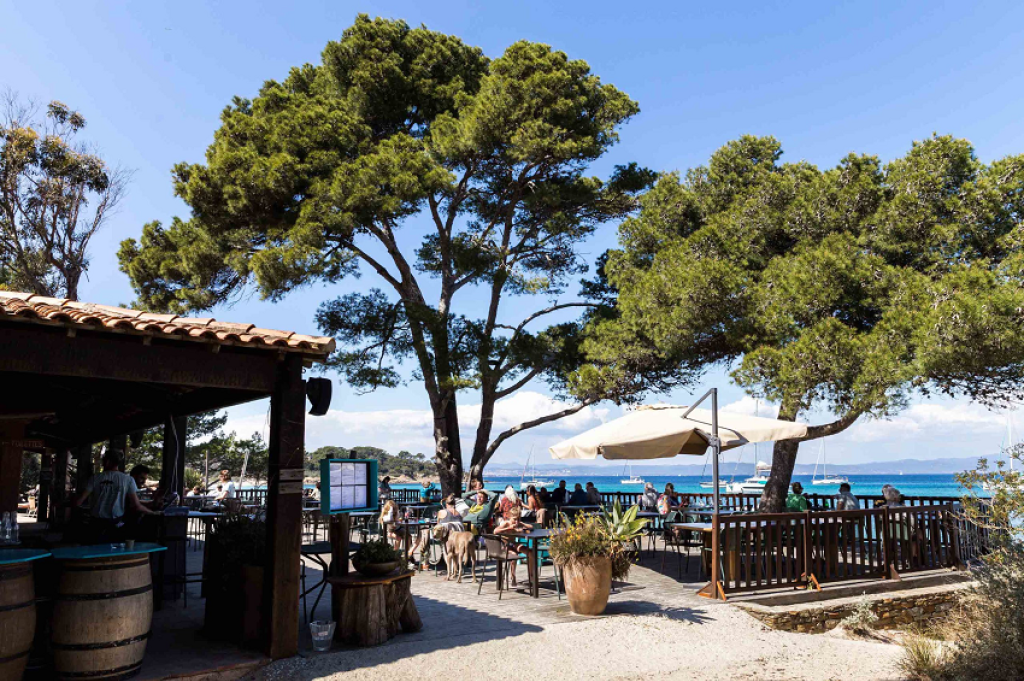
Let’s start with the basics: small village inns. Here, you’ll often find market-fresh cuisine, no-frills, featuring local ingredients prepared simply. A stew simmering since morning, a plate of local goat cheeses, a pitcher of rosé: this is where Provençal cuisine is at its most straightforward and authentic. These spots are rarely found along major highways—you have to seek them out, and that’s part of the fun.
At the other end of the spectrum, the French Riviera is home to some of France’s most renowned restaurants. Michelin-starred establishments offer a reinterpreted Provençal cuisine, featuring local ingredients prepared to the highest standard. Menus change with the seasons, and chefs collaborate closely with local producers. The experience is complete—and so is the price.
In between, there’s a whole world of options. The brasseries of Aix-en-Provence and Marseille serve bouillabaisse and fish soup in a lively atmosphere. Waterside guinguettes offer seafood platters overlooking the Mediterranean. The farm-inns of Vaucluse cook what they produce, often using ultra-short supply chains.
Provençal markets also deserve a place in this selection. In Apt, Arles, Saint-Rémy-de-Provence, or Aix, the farmers’ stalls let you put together a quick meal of often unbeatable quality. Olives, cheese, charcuterie, warm fougasse fresh from the oven: it’s an open-air restaurant, with no reservation needed.
The ideal way to spend a stay in Provence is to mix up your experiences. A fine-dining restaurant to mark a special evening, a village inn for lunch, a market for a midday meal while out exploring. The region makes this possible, and it’s one of its true strengths.
We wish you a wonderful culinary vacation in Provence!