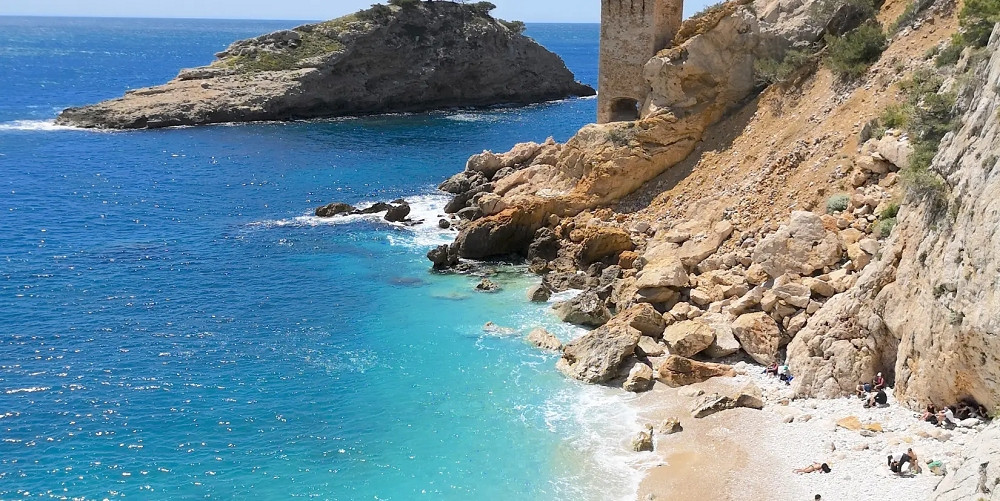

Provence is a region that offers everything you could hope for from a memorable trip to the South of France: hilltop villages, spectacular natural landscapes, hearty cuisine, and heritage sites ranked among the most beautiful in the world.
This guide helps you choose the best destinations for exploring Provence in a unique way, based on your preferences and the time you have available.
From the Gorges du Verdon to the Calanques of Cassis, from the lavender fields of the Valensole Plateau to the Roman cities of Arles and Orange, Provence is brimming with must-see destinations, each very different from the next. Aix-en-Provence, Avignon and its Palace of the Popes, a UNESCO World Heritage Site, the villages of the Luberon, the Alpilles... each destination alone is worth a whole trip.
In just a day's drive, you can go from a Mediterranean beach to a hiking trail in the Alps, or from a bustling Provençal market to a nearly deserted medieval village. Whether you're planning a weekend in Provence or a two-week road trip, you'll find the starting points here to create an itinerary that suits you perfectly.
Must-see regions of Provence
Luberon
The Luberon spans 180,000 hectares, straddling the Vaucluse and Alpes-de-Haute-Provence departments.
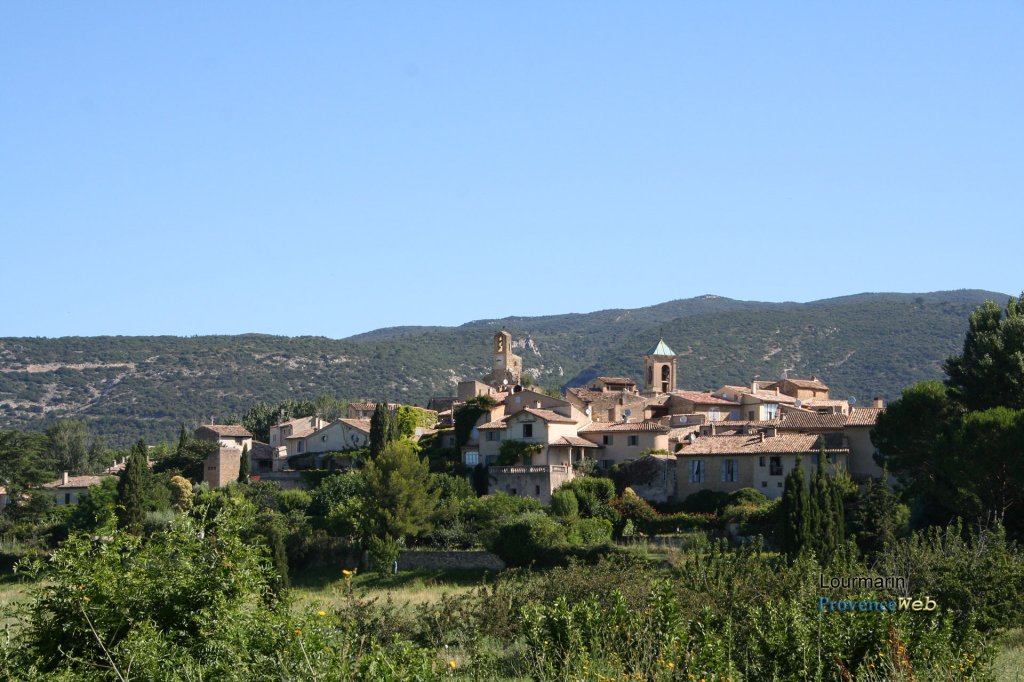
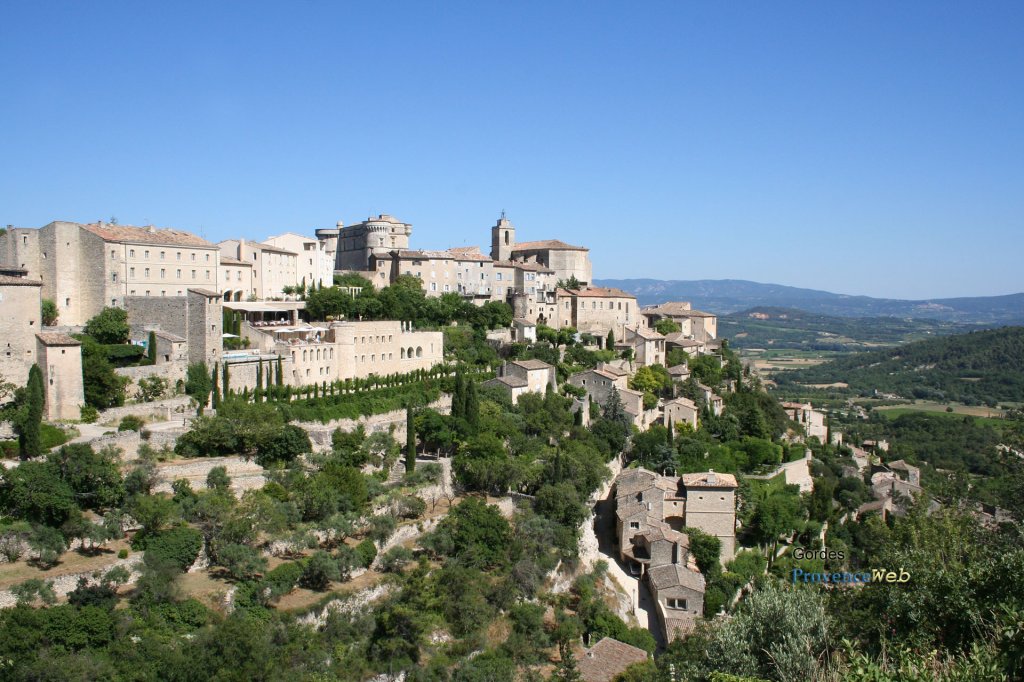
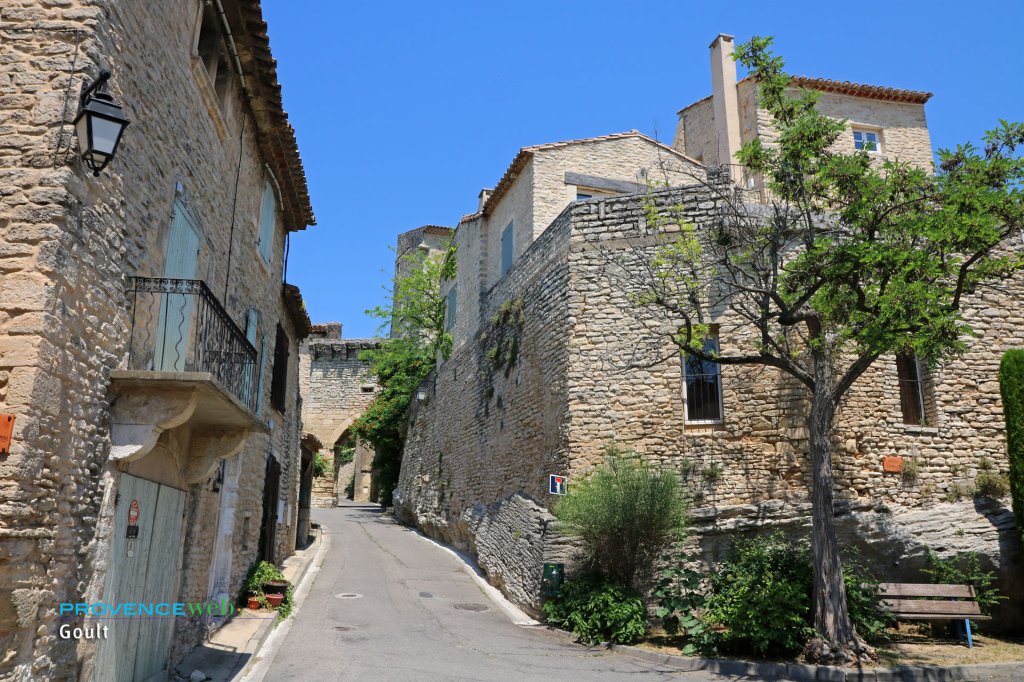
This is where some of France’s most beautiful villages are concentrated: Gordes, perched on its rock; Roussillon, with its vibrant ochre cliffs; Lourmarin, with its Renaissance castle; and Ménerbes, with its sweeping views of the valley.
In July, Sénanque Abbey is almost hidden behind its fields of blooming lavender—a scene that perfectly captures why Provence captivates the whole world. Hiking, biking, fragrant Provençal markets, tasting AOP wines... the Luberon offers exactly the Provençal getaway you imagined before you left.
The French Riviera
With 300 days of sunshine a year, turquoise waters, and villages perched on cliffs, the French Riviera more than lives up to its global reputation. From Cassis and its spectacular calanques to Marseille and its bustling Old Port, and from Cannes and Saint-Tropez to Nice with its Promenade des Anglais along the Mediterranean coast, the coastline stretches for over 300 kilometers, featuring a succession of charming destinations.
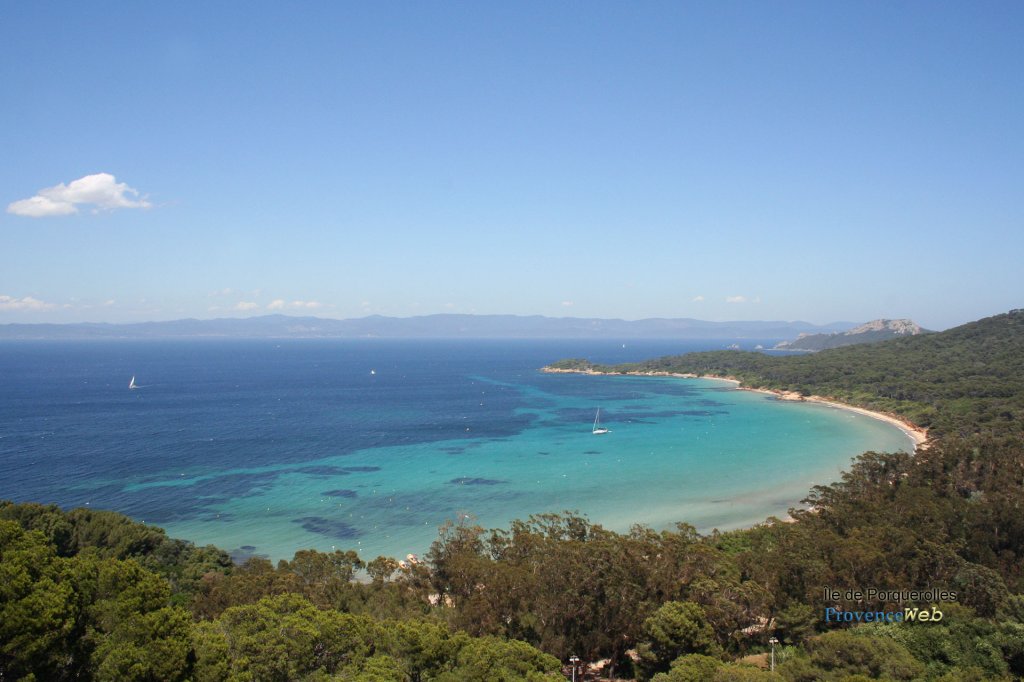
The Hyères Islands—Porquerolles and Port-Cros—offer pristine beaches and crystal-clear waters accessible by ferry, far from the hustle and bustle of the mainland.
And if you head inland toward Èze or Saint-Paul-de-Vence, you’ll understand why so many artists chose to stay there forever.
The Alpilles
The Alpilles have something unique about them: the light there is different. This small limestone range between Arles and Avignon is bathed in a golden glow that drove Van Gogh mad and fascinated Cézanne.
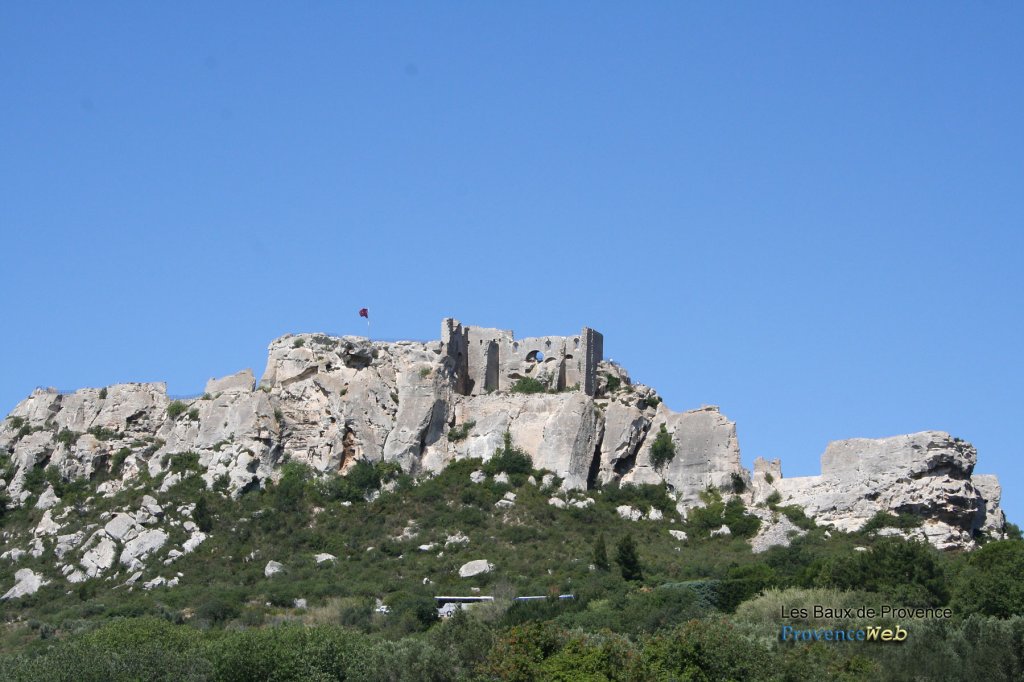
Saint-Rémy-de-Provence is the region’s vibrant heart, with its markets, art galleries, and shaded terraces where time seems to stand still. Les Baux-de-Provence overlooks the olive groves from its rocky promontory, and the Carrières de Lumières, at its foot, transforms former stone quarries into breathtaking immersive experiences.
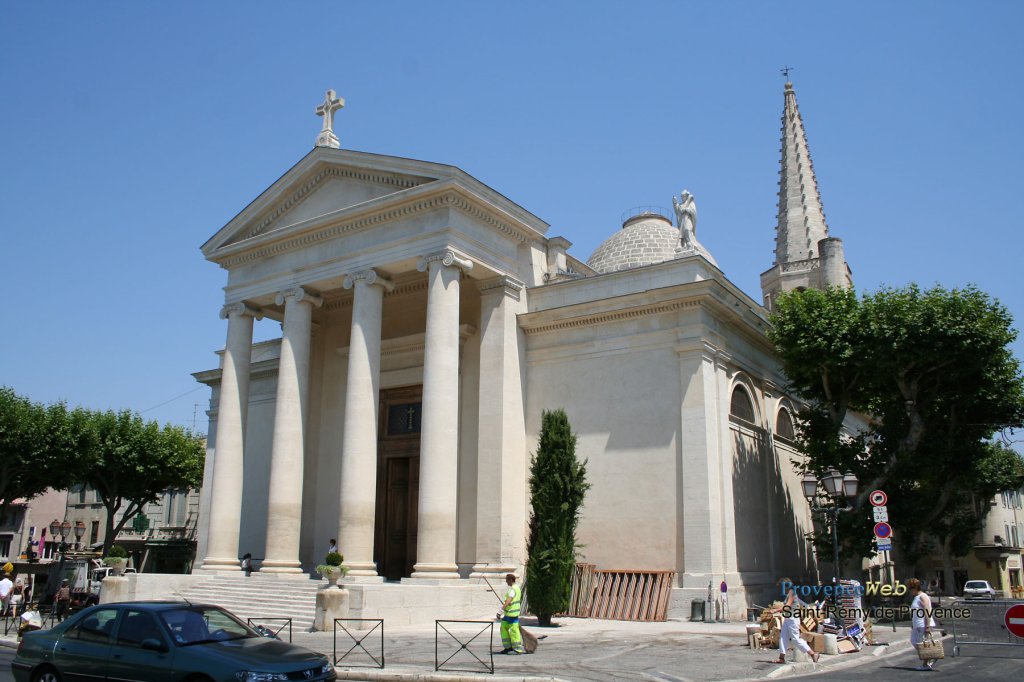
The Alpilles Regional Nature Park covers 50,000 hectares of fragrant garrigue, making it ideal for hiking or biking in both spring and fall.
The Verdon
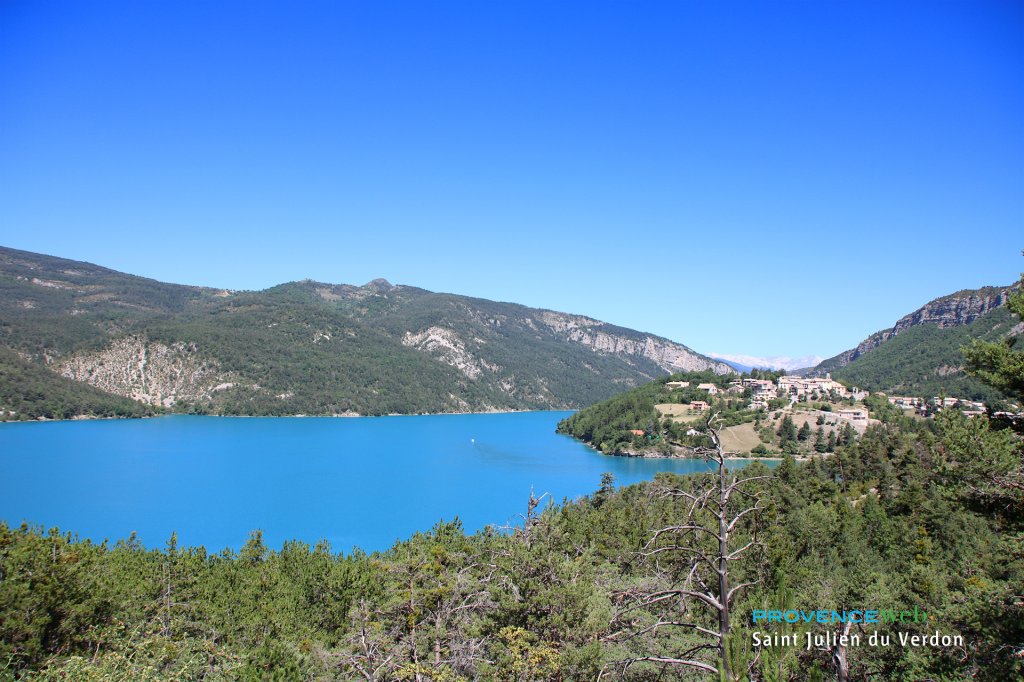
Imagine the Grand Canyon, but in Europe, with turquoise water at the bottom. The Verdon Gorge stretches for 25 kilometers, with cliffs rising up to 700 meters—a spectacular landscape that leaves you speechless at first sight.
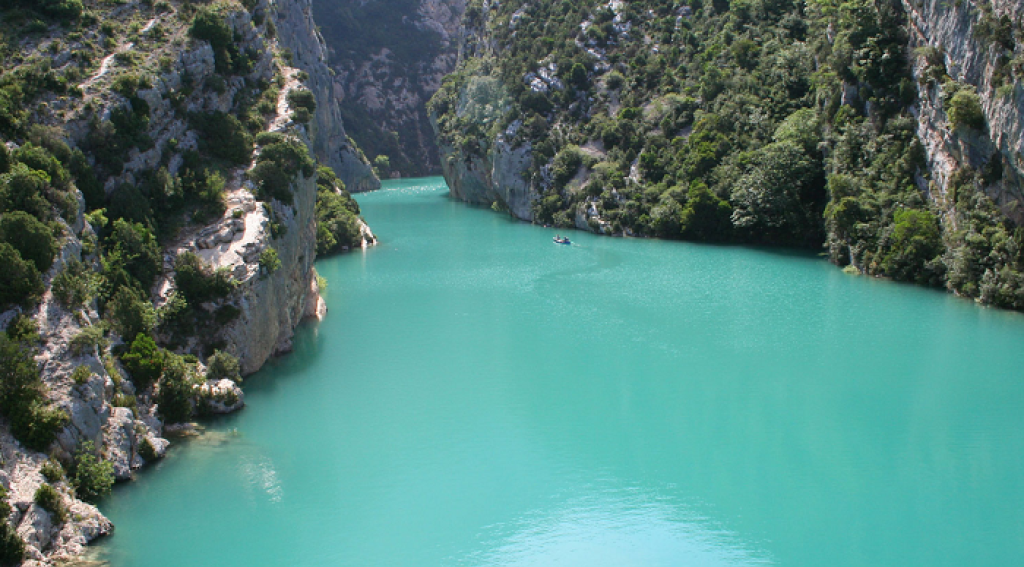
Lake Sainte-Croix, with its emerald waters, is perfect for kayaking, swimming, and relaxing with the family. All around, hilltop villages like Moustiers-Sainte-Marie are reflected in the river.
And just a few kilometers away, the Valensole plateau is blanketed in lavender from mid-June to mid-July—one of the most photographed and enchanting landscapes in all of Provence.
The Camargue
The Camargue is the wild side of Provence. This vast Rhône delta unfolds a landscape of marshes, ponds, and deserted beaches between the Bouches-du-Rhône and the Gard—a unique region designated as a nature reserve, where nature reigns supreme.
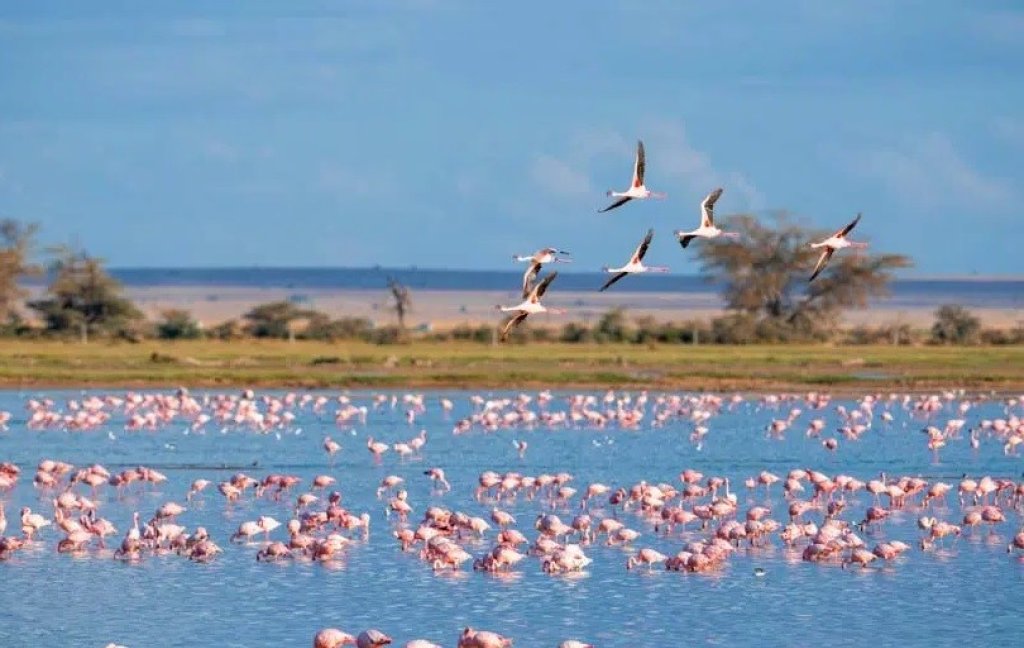
Hundreds of flamingos, white horses roaming free, bulls grazing between sky and sea: it’s hard to believe you’re still in France. Les Saintes-Maries-de-la-Mer is the perfect starting point for exploring the region on horseback, by bike, or by boat. It’s a destination that surprises those expecting nothing but lavender and hilltop villages—and wins them over completely.
The most beautiful villages of Provence
There are over a hundred magnificent villages in Provence. It’s impossible to choose just 4 or 5. But here are a few must-see villages to give you some ideas for your next trip.
Gordes in the Luberon
Gordes is undoubtedly the most photographed Provençal village in the world—and when you see it for the first time, you immediately understand why.
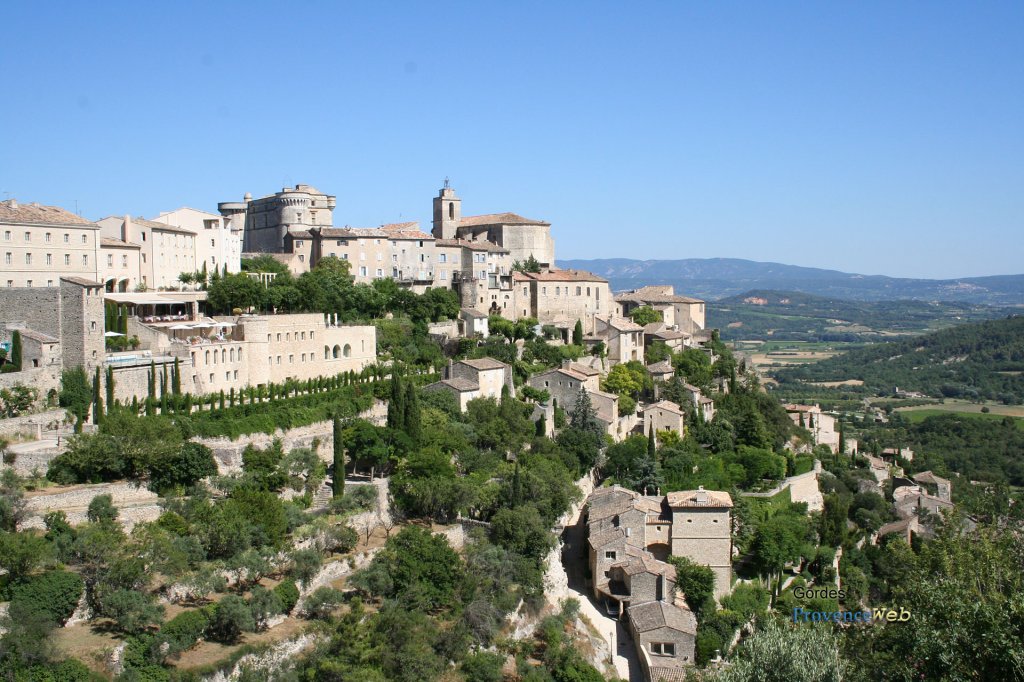
Its dry-stone houses cling to the cliffside as if they had always been there, dominated by a Renaissance castle that has watched over the Luberon Valley since the 11th century. Just a few minutes’ walk away, Sénanque Abbey appears around a bend in the path, surrounded by fields of lavender in July: one of the most striking landscapes in all of Provence. The village of Les Bories, a listed historic monument, will win over even the most skeptical visitors. Gordes is an absolute must-see—arrive early in the morning to enjoy it before the crowds.
Les Baux-de-Provence in the Alpilles
Les Baux-de-Provence looks like a movie set that nature itself has sculpted. The village perched on its rocky outcrop in the heart of the Alpilles Regional Nature Park, the ruins of the medieval fortress overlooking the olive groves and the Crau plain all the way to the Camargue, the 22 listed monuments within a radius of just a few hundred meters... it’s hard to imagine anything more spectacular.
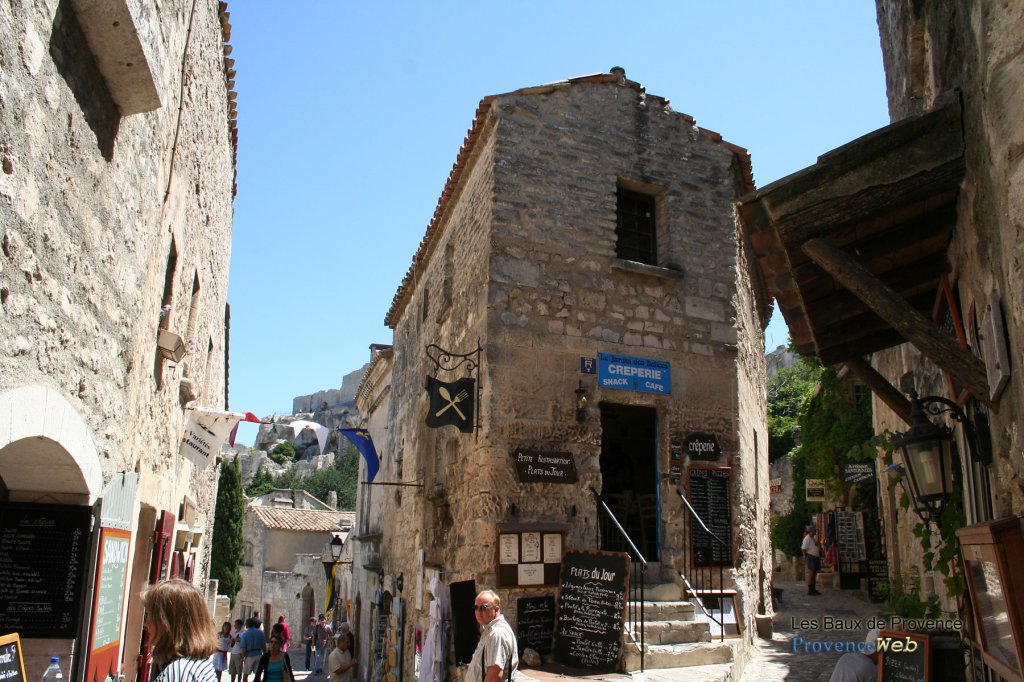
Just outside the village, the Carrières de Lumières projects breathtaking immersive exhibitions onto 7,000 square meters of limestone walls—in 2026, the works of Frida Kahlo and Picasso will come to life on the rock. A village designed to impress visitors from around the world—and one that does so effortlessly.
Moustiers-Sainte-Marie in the Verdon
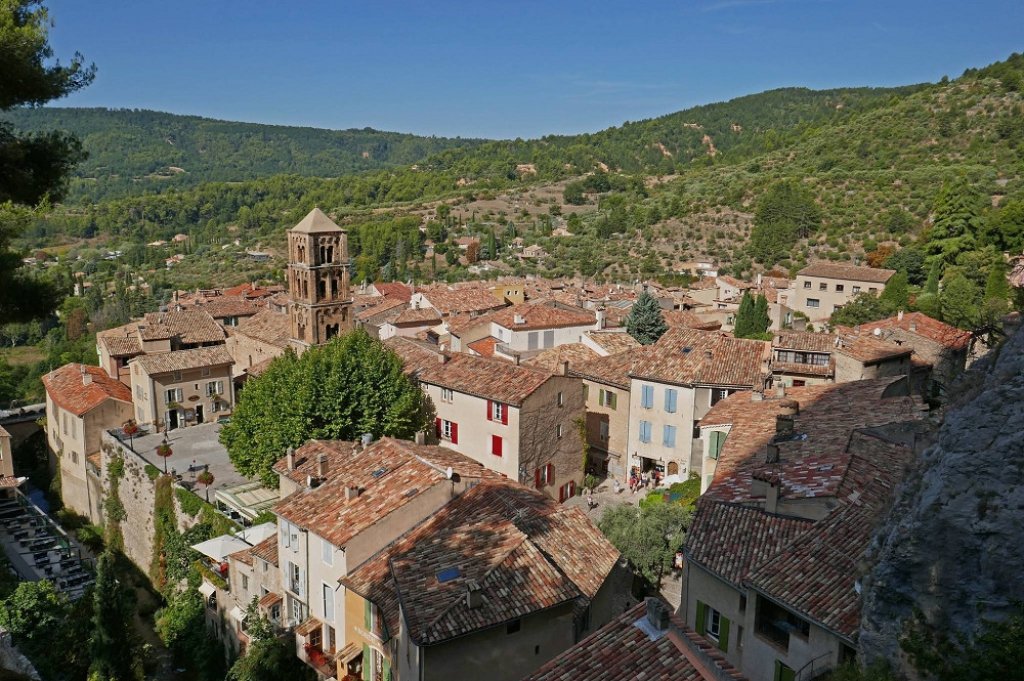
Moustiers-Sainte-Marie is one of those villages that’s hard to believe is real. Nestled against a cliff in the Alpes-de-Haute-Provence, with a stream cascading down from the heights, it offers a breathtaking view of valleys and mountains.
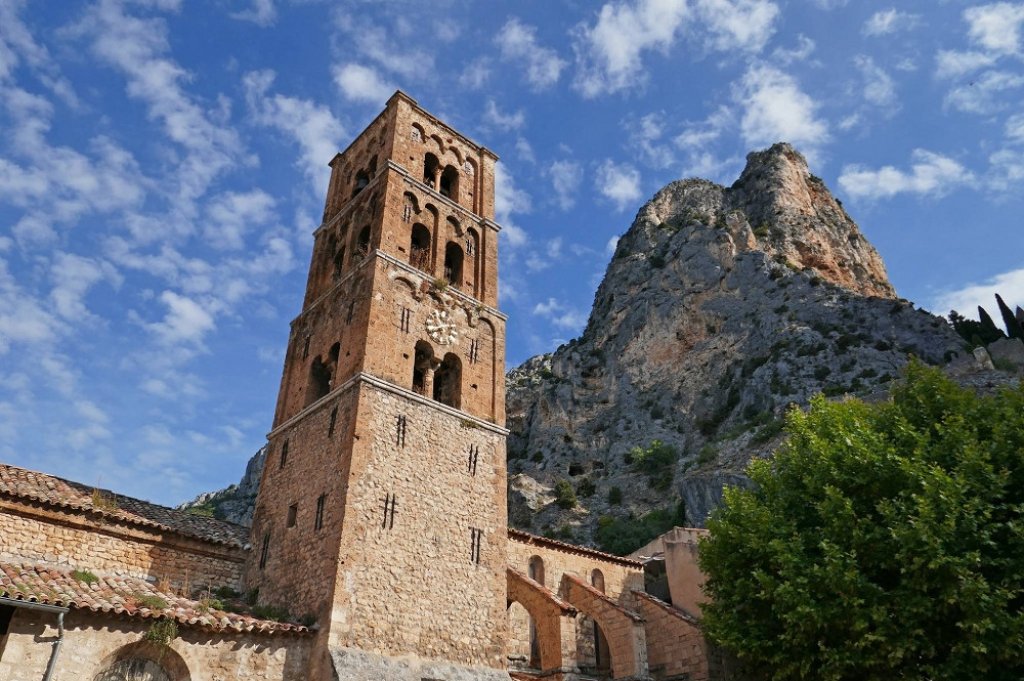
Ranked among the most beautiful villages in France, it is also renowned for its earthenware, a craft tradition dating back to the 17th century—some twenty workshops still carry on this tradition today. The Notre-Dame de Beauvoir Chapel, accessible via an ancient pilgrimage path carved into the rock, offers one of the most beautiful views in Provence from its hilltop vantage point. And Lake Sainte-Croix, with its emerald waters, is just a few kilometers away.
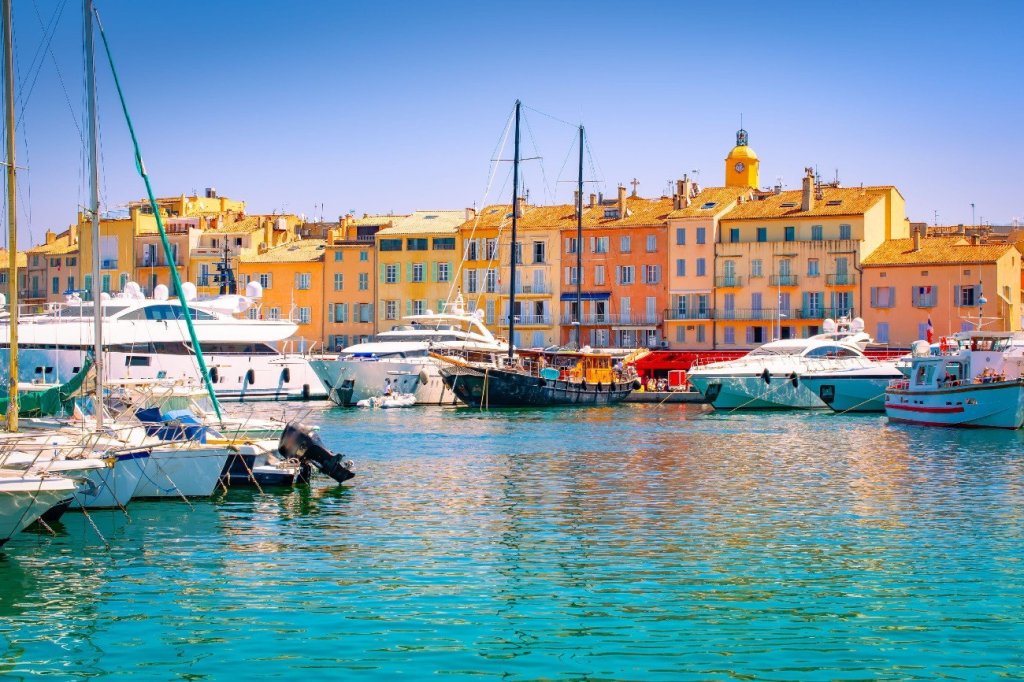
Saint-Tropez on the French Riviera
Saint-Tropez is one of those villages that has grown in size without losing its soul. Once a fishing port in the Var region, it became an international legend in the 1950s thanks to Brigitte Bardot and Roger Vadim’s film, and today it attracts visitors from all over the world—and for good reason.
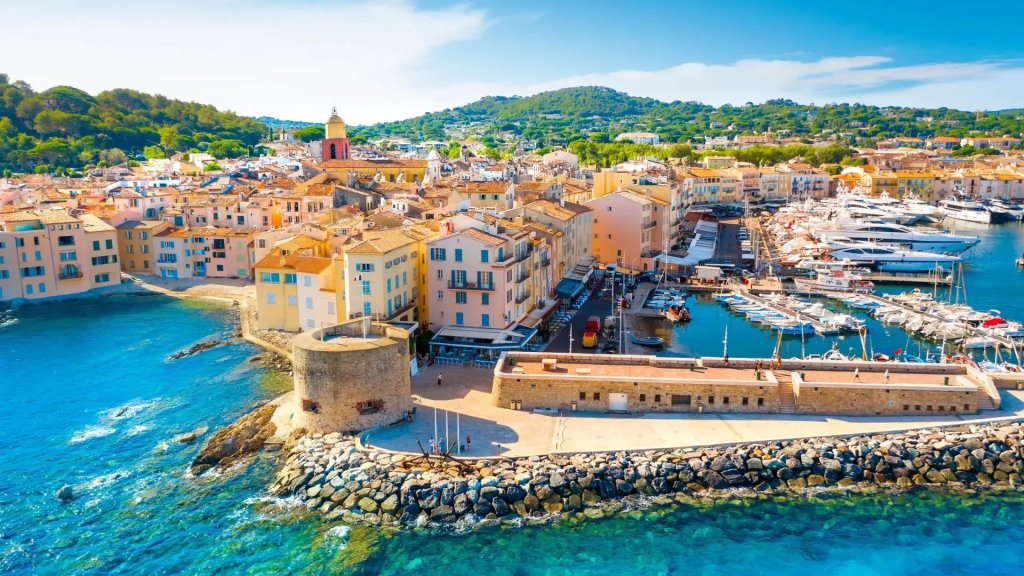
The old port, with its yachts moored in front of colorful terraces; Place des Lices, where locals still play pétanque under the plane trees; and the 17th-century citadel overlooking the gulf from its ramparts: the town has much more to offer than its glamorous image. Pampelonne Beach, with its five kilometers of golden sand stretching between Cap Pinet and Cap Camarat, remains one of the most beautiful and famous beaches in the entire Mediterranean. Off-season, Saint-Tropez reveals its true nature: an authentic Provençal village, quiet and bathed in light—a scene the summer crowds sometimes make it hard to imagine.
Must-see major cities in Provence
Provence is home to many major cities, each with its own unique character and atmosphere.
Nice
Nice is the most popular destination among foreign visitors on the French Riviera. The Promenade des Anglais, a 7-kilometer-long promenade running along the Baie des Anges between palm trees and Belle Époque palaces, is one of the most famous promenades in the world.
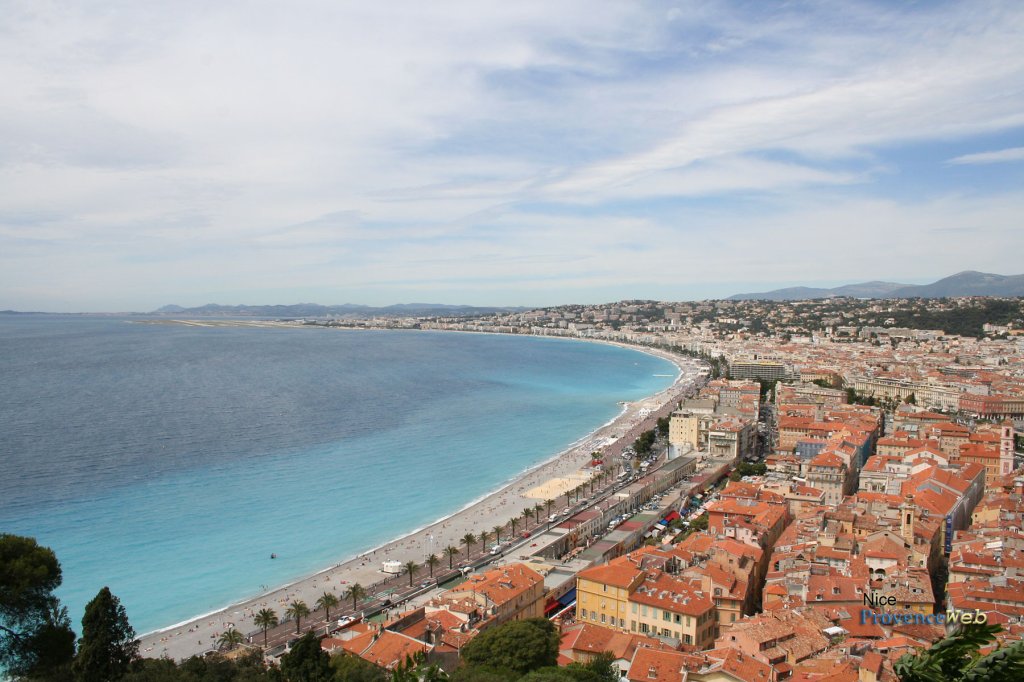
But Nice offers so much more than just this spectacular attraction. Old Nice, with its ochre and gold facades and Italian touches; the Cours Saleya market, brimming with flowers and local flavors; the Matisse and Chagall museums perched on Cimiez Hill… the city offers something to delight visitors around every corner. And from Nice, Monaco, Èze, Cannes, and Antibes are all less than an hour away—enough to explore the entire Riviera during your stay.
Avignon
Avignon is the kind of city that makes people stop in their tracks in the middle of a square. The Palais des Papes—the largest Gothic palace in the world and a UNESCO World Heritage Site—has towered over the city with its ochre-colored stone towers since the 14th century, when the papacy left Rome to settle here.
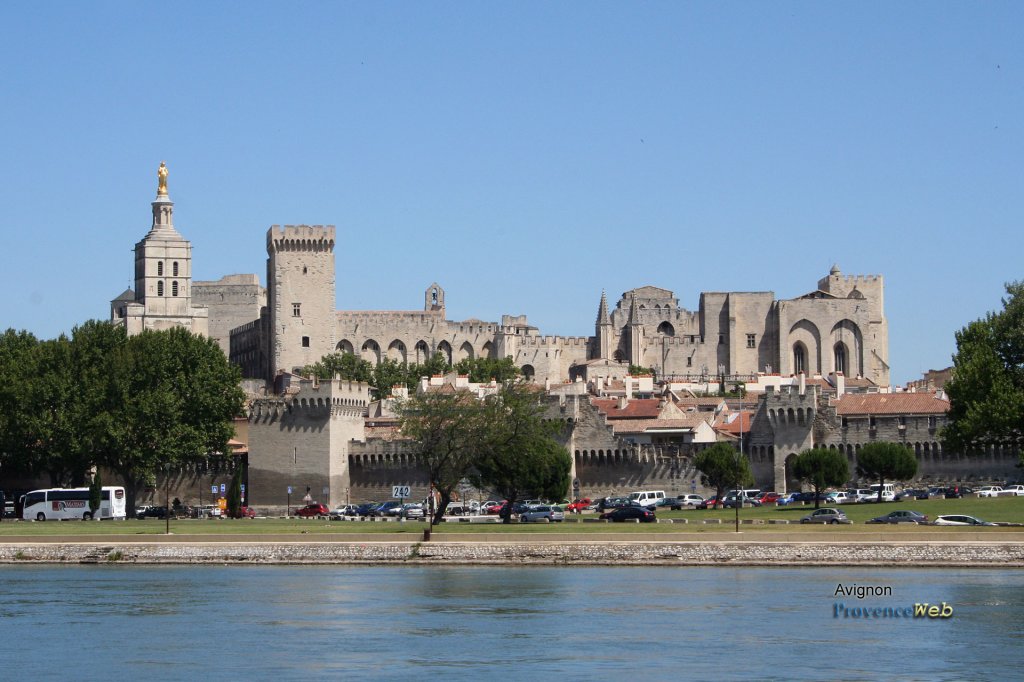
The Saint-Bénézet Bridge, featured in the nursery rhyme known around the world, spans the Rhône River below the perfectly preserved ramparts. In July, the Avignon Festival transforms the entire city into an open-air theater. A stay in Avignon is a journey into European history—and an ideal starting point for exploring the Luberon or the Alpilles.
Aix-en-Provence
Aix-en-Provence is the quintessential Provençal city: elegant, sunny, and on a human scale. The Cours Mirabeau, with its century-old plane trees and shaded terraces, sets the tone the moment you arrive. The 18th-century mansions, the fragrant markets, the fountains gurgling on every street corner... everything here invites you to slow down and enjoy the moment.
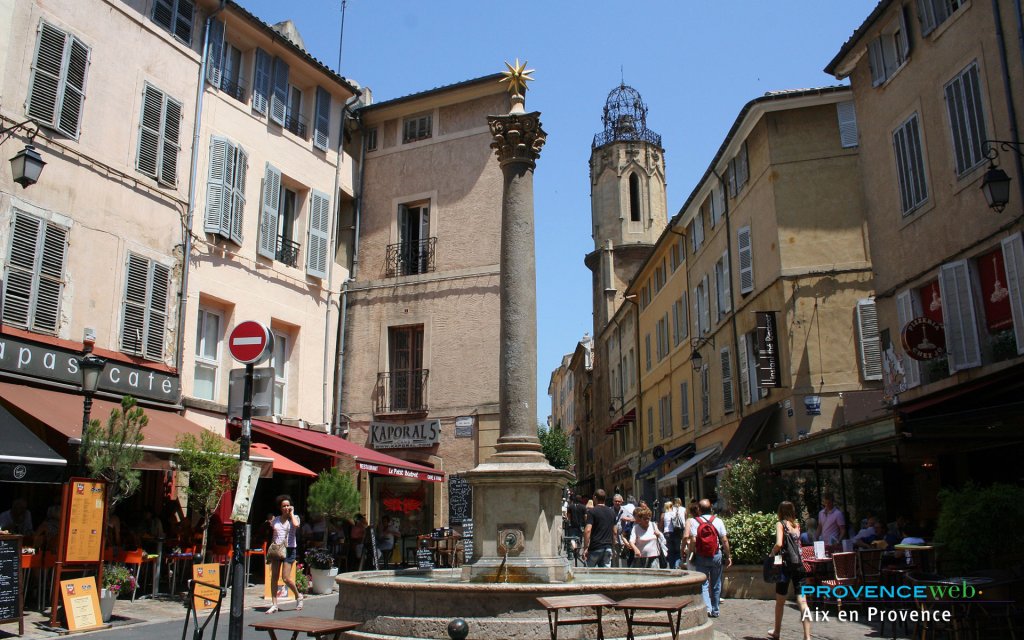
It is also the city of Cézanne, who was born and died here; his studio remains intact on the hills above the city—and Mont Sainte-Victoire, which he painted more than eighty times, stands out against the horizon like a living painting. For foreign visitors, Aix is often love at first sight—the kind of place you leave wondering how you can return for a longer stay.
Arles
Arles is a timeless city, situated at the crossroads of Provence and the Camargue. Its 1st-century Roman amphitheater—one of the best-preserved in the world—still hosts performances today, and its ancient theater, a UNESCO World Heritage Site, serves as a reminder that the city was once a capital of the Roman Empire.
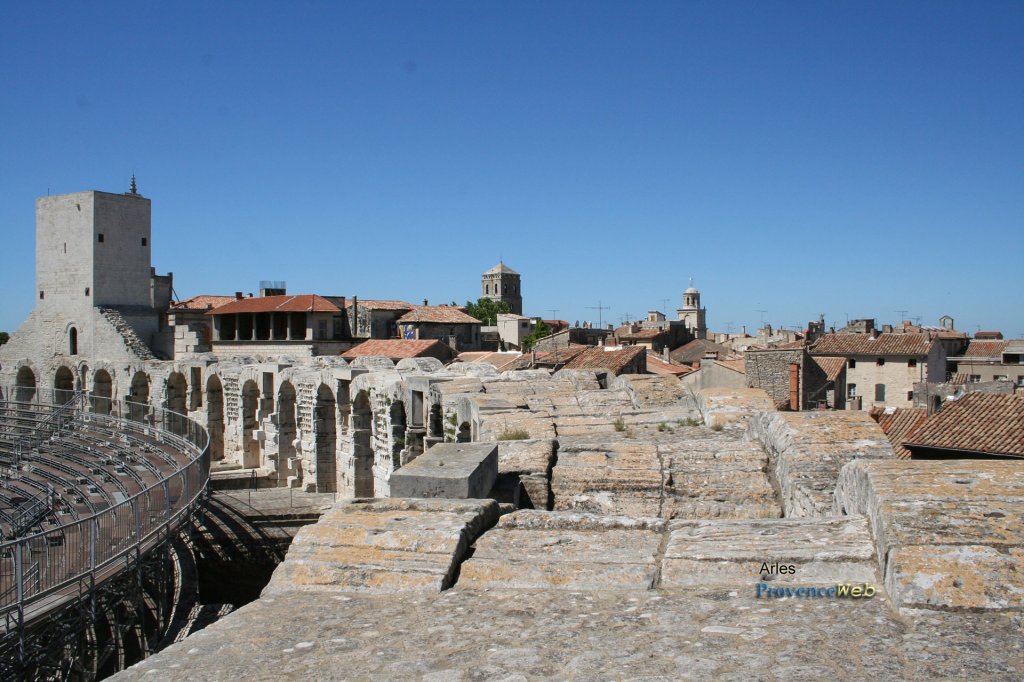
Van Gogh spent one of the most productive years of his life there: he created more than 300 works while there, including The Bedroom in Arles and Starry Night over the Rhône. Every summer, the Rencontres de la Photographie transforms it into one of the world’s capitals of contemporary photography. Arles is a city that must be earned—and one you won’t leave lightly.
The departments of Provence
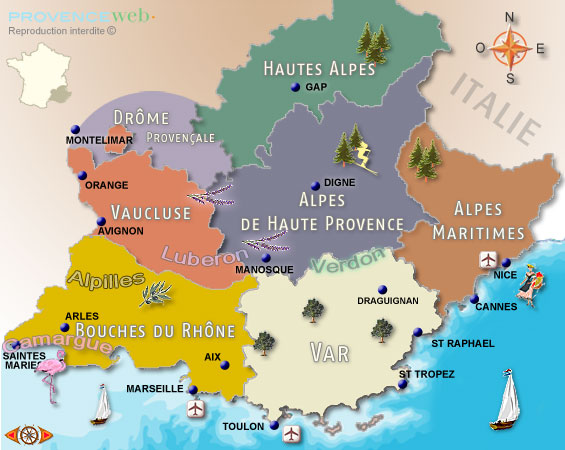
The Provence-Alpes-Côte d'Azur (PACA) region comprises six administrative departments (Var, Vaucluse, Alpes-Maritimes, Bouches-du-Rhône, Hautes-Alpes, and Alpes-de-Haute-Provence), and the historic Provence region also includes Drôme Provençale.
Click on the department of your choice on our map of Provence to explore the one you're interested in.
Well, we hope we’ve given you some ideas to consider for your next trip to Provence. On our website, you’ll find descriptions of each village in Provence, where to stay, and what activities to do. In short, everything you need for a wonderful vacation in Provence!