
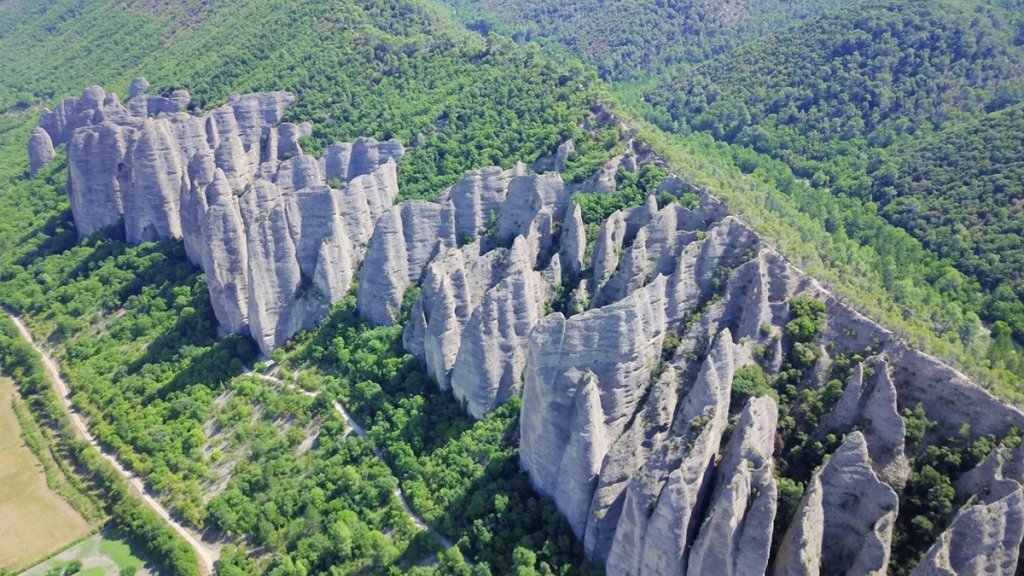
The Pénitents des Mées rise above the Durance like a procession frozen in stone. Look up and you’ll see hundreds of cone-shaped rocks, lined up for over a kilometer. Some reach heights of about 100 meters.
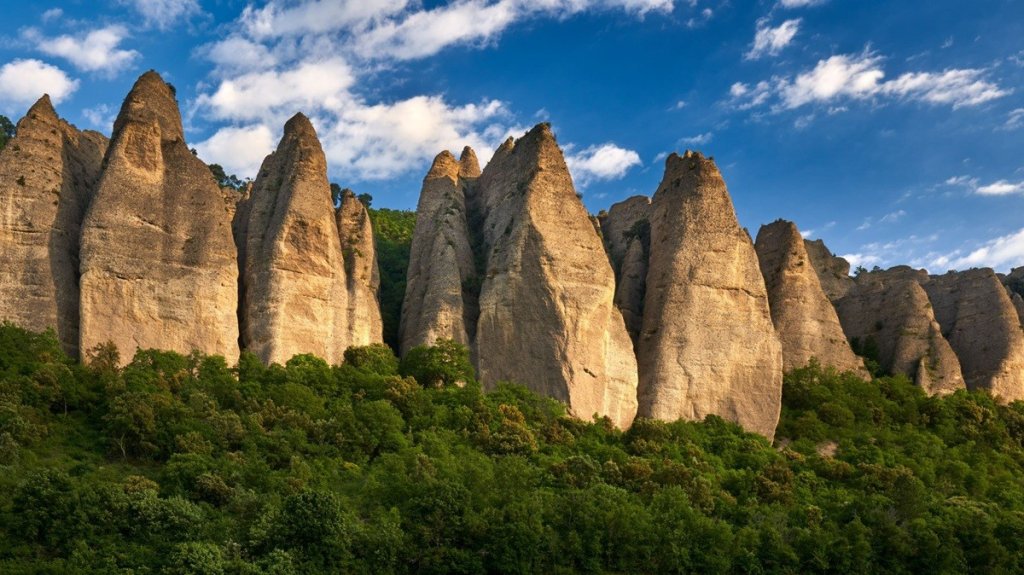
Legend has it that these silhouettes are monks from Mount Lure. Saint Donat is said to have turned them to stone during the Saracen invasions for having succumbed to the charms of beautiful Moorish captives. Geology tells a different story: that of erosion, which has sculpted this thick layer of puddingstone over millions of years.
From up there, the view takes in the Durance Valley and the Valensole Plateau. Follow along as we help you plan your visit.
The legend of the Penitents
Why are these rocks called the Penitents? You only need to look at them from the road to understand. Their slender silhouettes evoke a procession of monks in brown robes, their heads covered with pointed hoods.

The best-known version of the story takes place around the year 800. Count Raimbaud had just destroyed a Saracen camp that was ravaging the region. He spared seven women from the harem and locked them up in his castle at Les Mées. Instead of taking them to Arles, he never left his home.
Scandal spreads throughout the valley. The abbots of Paillerols threaten the count with excommunication. Raimbaud is then forced to take his captives to the banks of the Durance, where a raft awaits them to carry them down to Arles.
On the day of departure, the monks of Mount Lure gathered at the foot of the hill. From beneath their hoods, their gazes lingered on the beautiful Moorish women. From his hermitage, Saint Donat saw the danger and turned the monks to stone on the spot. They are said to still be there, lined up above the village.
This story is not the only one. There are about twenty variations, passed down orally over the centuries. All bear witness to the locals’ fascination with this geological curiosity.
How to visit the Penitents of Les Mées?
The best way to visit the Penitents of Les Mées is on foot. The site is part of the UNESCO Haute-Provence Geopark. It is also designated a Sensitive Natural Area, which regulates visitor access.
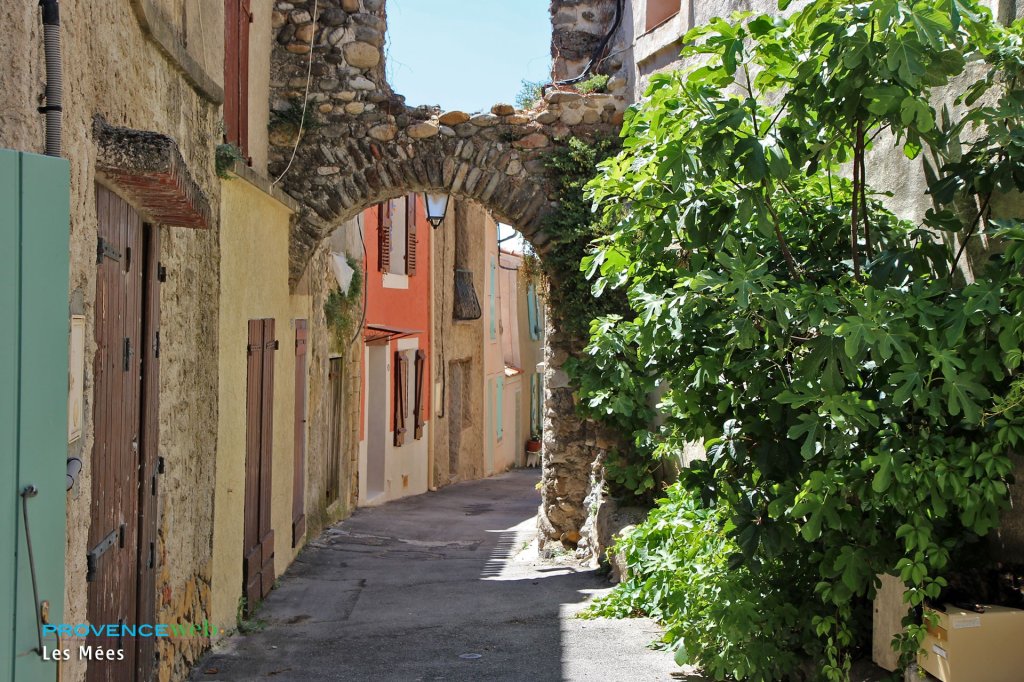
Your exploration begins in the village of Les Mées, at Place de la République. The Pénitents trail is marked right from the center. You’ll pass above the fountain, walk up Rue Clovis Picon, and then go through the Porte Saint-Christol.
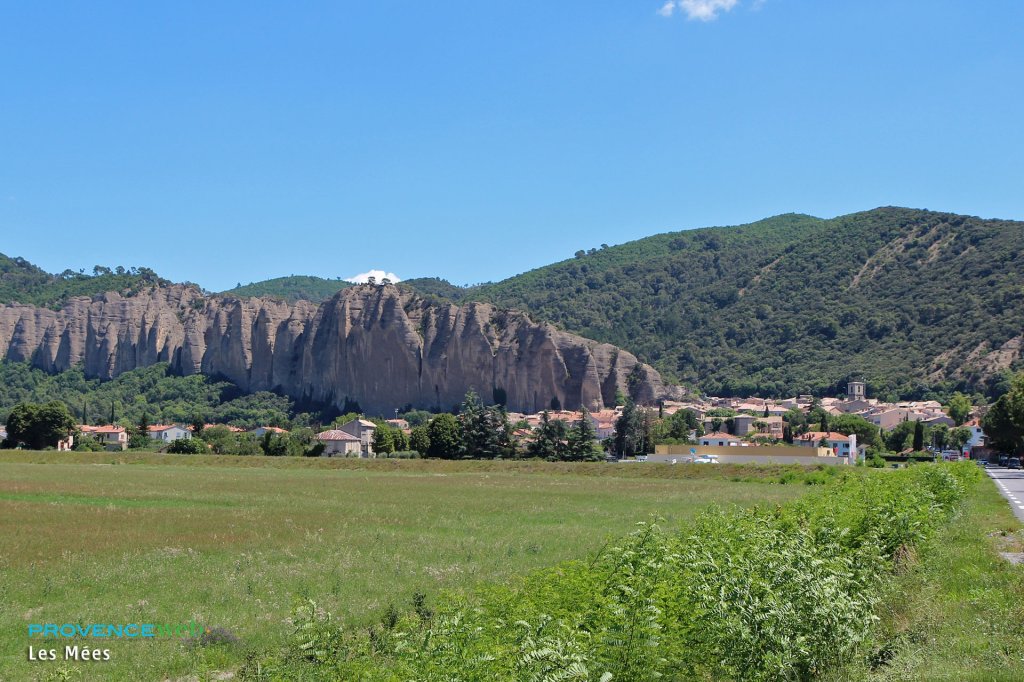
The trail then climbs toward the Saint-Roch Chapel, built on the foundations of a Roman structure. From there, the path reaches the ridge. You’ll then walk along the rocky outcrops, with an unobstructed view of the Durance Valley.
The loop closes at the Col des Pénitents. The descent follows the north-facing slope, via a series of wooden steps beneath the oak trees. The return to the village passes in front of the mine tunnel, then along Rue du Rocher.
Expect a distance of about 4 kilometers. The town hall estimates a 2-hour hike. The tourist office’s guide lists up to 3 hours and 30 minutes, including breaks. Wear appropriate footwear: the ascents are steep, and the terrain can be slippery.
One safety issue warrants your attention. In December 2019, a section of rock collapsed onto houses in the village. Stay on the marked trails and do not approach the edge of the cliffs.
Available hiking trails
Several hiking trails start from Les Mées. Each offers a different view of nature and the rocks. Choose one based on how much time you have and your fitness level.
The Sentier des Pénitents remains the go-to route. This 4-kilometer loop is suitable for families accustomed to hiking. It corresponds to Hike No. 2 on the Val de Durance hiking map.
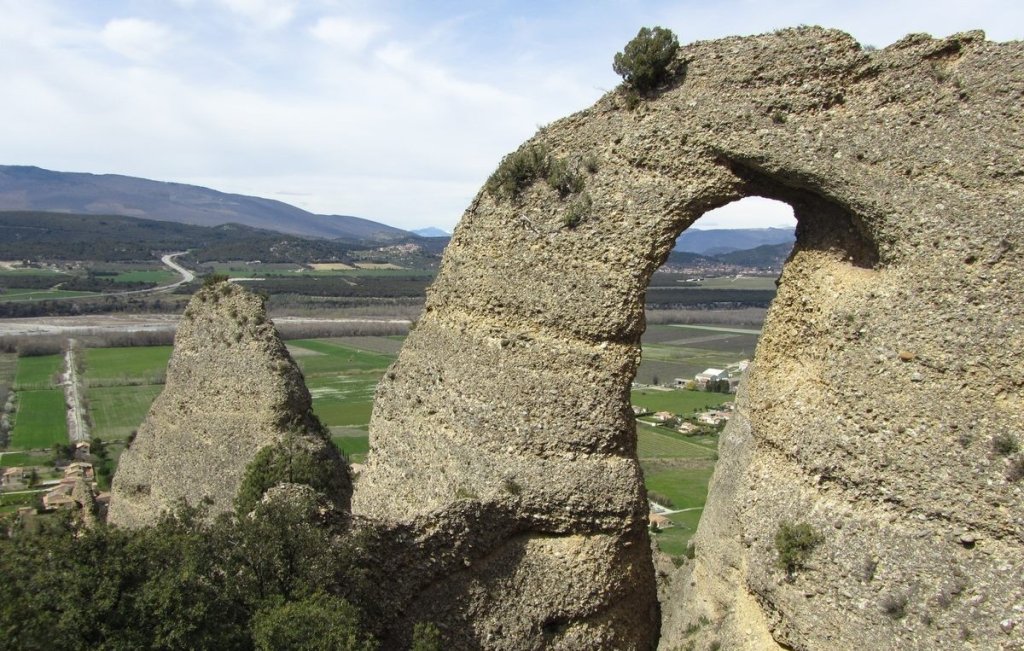
Looking for a longer route? At the Col des Pénitents, follow the signs toward San Peyre. The trail continues along the ridge to the San Peyre lookout point. The return trip follows the valley, upstream from the Durance Canal, at the foot of the cliffs.
This alternative route lets you see the Pénitents from two different angles: first from above, along the ridge, and then from below, as you walk alongside the cliff.
The Chemin de la Colle offers a completely different atmosphere. It leads to the high plateau overlooking the village. The view looks down over the Val de Durance and stretches all the way to the Alps. In June and July, the lavender fields bloom across this plateau.
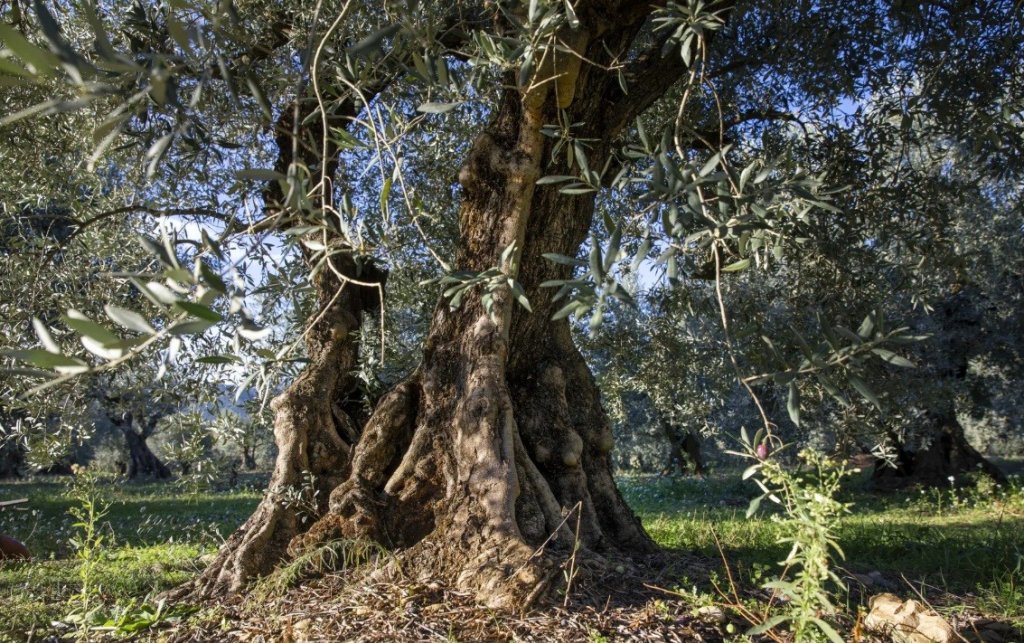
For an easy stroll, the “Chemin des Oliviers” (olive tree trail) is suitable for everyone. This 3.6-kilometer trail starts at the Saint-Pierre Chapel on the Route d’Oraison. It winds through olive groves with trees that are hundreds of years old. Les Mées is home to more than 80,000 olive trees, making it the leading olive-growing town in the department.
Experienced hikers can also reach Malijai via the higher trails before returning via the Pénitents trail. Whichever route you choose, one thing remains constant along all these paths: stopping at the scenic overlooks.
Must-see viewpoints
The Pénitents des Mées are best discovered with your eyes. Several viewpoints dot the trails, each revealing a different facet of the landscape.
On the ridge, two small trails lead to dead-end lookouts. Don’t miss them—they let you admire the rocks up close while overlooking the Durance Valley.
The Jean Millet viewpoint is named after a former rural park ranger from the town. He was responsible for developing the trail, its steps, and this viewpoint. The site pays tribute to his work.
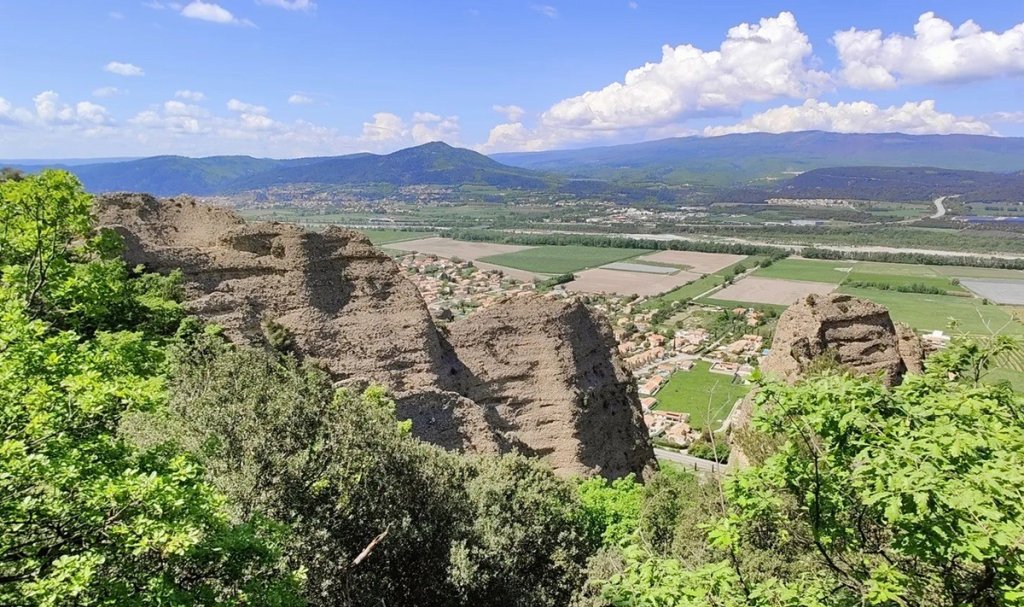
At the Col des Pénitents, the descent along the north-facing slope passes by three designated lookout points. Light filters through the oak trees, revealing fragments of rock between the branches.
Further on, the San Peyre viewpoint rewards hikers on the long loop trail. From the Chemin de la Colle, the panorama stretches all the way to the Alpine peaks.
Finally, don’t miss the view from the county road at the base of the cliff. That’s where the alignment of the Pénitents looks most spectacular. After the hike, the surrounding area still has plenty of wonderful discoveries in store.
What activities are there around the Pénitents?
A visit to the Pénitents pairs well with other recreational activities. The village and its surroundings are perfect for a full day out. You can plan a varied getaway, whether with family or as a couple.
Start with the village of Les Mées. Several gates from the old medieval town still stand, such as the Saint-Christol Gate and the Baudouine Gate. The Notre-Dame de l’Olivier Church has borne this name since 1400, reflecting the olive tree’s importance in local history.
The olive oil alone makes a visit worthwhile. The Moulin Fortuné Arizzi offers a guided tour that explores olive cultivation. The tour includes an educational film, a visit to the eco-museum of dovecotes, and a tasting of regional products.
Nature lovers will appreciate the Pénitents Sensitive Natural Area. The site is home to a diverse array of flora and fauna, including protected species. Late-blooming molinia grows there, and the Eurasian eagle-owl also nests there.
The Mées lake offers a more peaceful respite. This fishing and recreational lake features a walking trail and a fitness trail. All year round, you can spot the gray heron, the great egret, or the little grebe there.
Les Pénitents is just one gateway to the region’s geology. The UNESCO Haute-Provence Geopark invites you to explore other sites around Digne-les-Bains.
How do you get to Les Pénitents des Mées?
The village of Les Mées is located in the Alpes-de-Haute-Provence department. It stretches along the Durance Valley, between Sisteron, Manosque, and Digne-les-Bains. Driving remains the most convenient way to get there. Here is a map to help you locate the site:
From Aix-en-Provence or Marseille, take the A51 highway toward Sisteron. Take Exit 20. The village is then located on the other side of the Durance River.
It’s about 84 kilometers from Aix-en-Provence and 114 kilometers from Marseille. Digne-les-Bains is about 20 kilometers away. From the north, Departmental Road 4 connects Malijai to Les Mées, then continues toward Oraison.
When arriving via Malijai, you’ll drive right along the cliff. A tourist parking area is located at the foot of Les Pénitents, along the D4. This spot is a great place to take your first photo before the hike.
To start your hike, park in the village center instead. There’s a parking lot near the central roundabout. The trailhead is just a few minutes’ walk away, at Place de la République.
Traveling by train? The nearest station is Château-Arnoux-Saint-Auban, about 4 kilometers away as the crow flies. You’ll then need a taxi or a car to reach the village.
Once you’ve sorted out transportation, one final question remains: when should you come to fully enjoy the site?
When is the best time to visit?
The Pénitents des Mées can be visited year-round. However, each season transforms the experience. The best time depends on what you’re looking for.
Spring and fall offer milder temperatures. These are the most pleasant seasons for hiking. Nature also takes on a more varied appearance, with softer light on the rock.
Summer attracts the most visitors. In Haute-Provence, the heat can be intense in the middle of the day. Set out early in the morning, protect yourself from the sun, and bring water.
June and July hold a special appeal. That’s when the lavender blooms on the plateau above the village. During this time, the Chemin de la Colle takes on unexpected colors.
Be careful in rainy weather. The trail becomes slippery, especially on steep ascents. It’s best to wait a few days for the ground to dry out.
Winter remains an option for hikers seeking tranquility. The trails are less crowded. On clear days, the view of the Alps is often even more striking.
Whatever the season, take your time. The Pénitents des Mées are best appreciated at a leisurely pace, with your gaze turned toward the Durance.