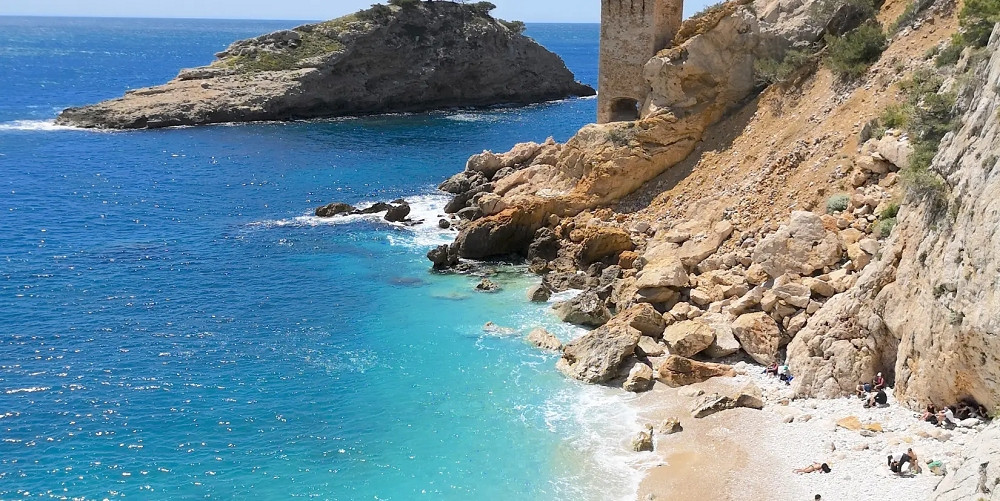

Between the Durance River and the foothills of the Alps, Haute Provence features a succession of spectacular rock formations, sandstone villages, and a citadel that has guarded the gateway to Provence for a thousand years. It is a popular tourist destination in the Alpes-de-Haute-Provence department.

Haute Provence is the “highland” region of Provence, the part that begins where the Luberon ends. The area follows the Durance Valley from Sisteron to Les Mées, then winds its way up toward Digne-les-Bains and the Lure Mountain. Here you’ll find a drier light, more rugged terrain, and villages that have never been developed to accommodate large crowds.
It is a land of remarkable geological features: the Pénitents des Mées, the Rocher de la Baume, and the UNESCO Geopark of Haute-Provence. All around, orchards, lavender, and wheat fields cover the terraces along the Durance.
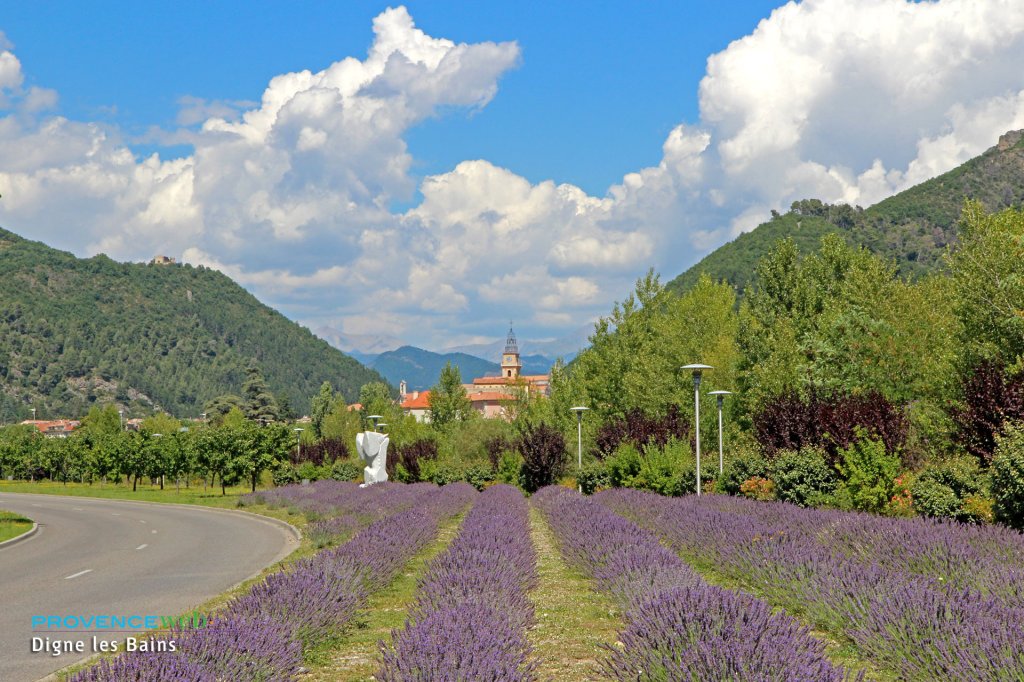
Allow three days to cover the essentials, or a week to venture as far as the Signal de Lure and the valleys of the hinterland.
We’ll point out the sites we think are worth seeing, the villages where to stop, and useful tips for planning your vacation.
The beautiful villages of Haute Provence
From one village to the next, the landscape changes rapidly. Here are four stops, each worth half a day.
Les Mées
The village of Les Mées sits at the foot of a row of conical rocks over 100 meters high, stretching more than a kilometer above the Durance River. These are the Pénitents des Mées, carved by erosion from puddingstone, a conglomerate of cemented pebbles.
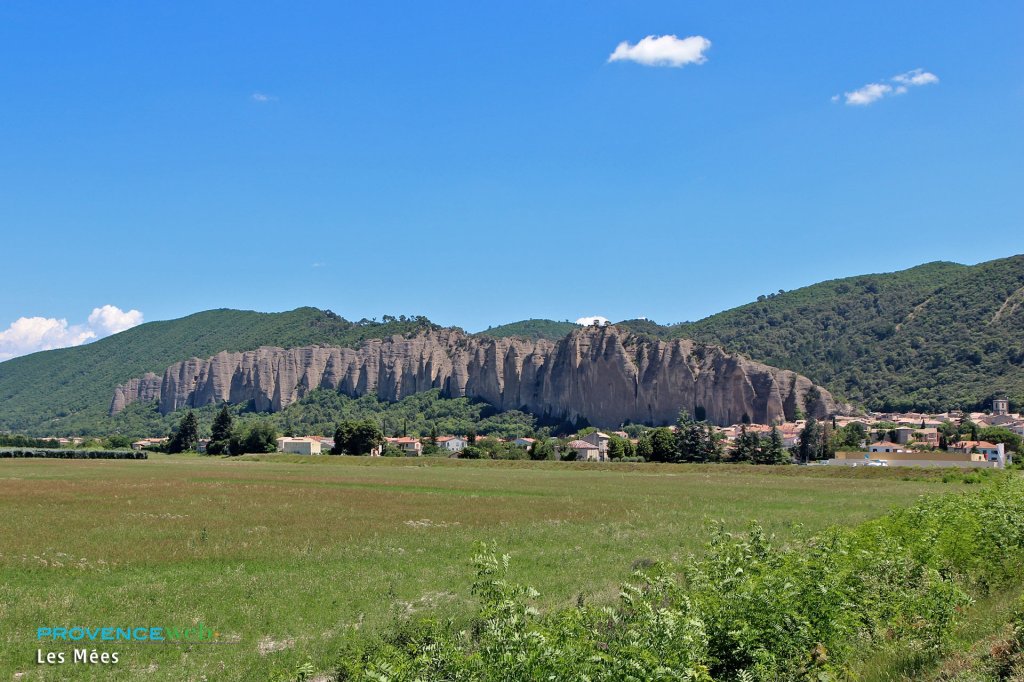
Legend has it that monks from Mount Lure were turned to stone by Saint Donat for gazing too long at Moorish captives. A marked trail leads from the village and winds through the rock formations. The old village still retains its medieval gates and the Church of Saint-Roch, built on Roman foundations.
Volonne
Fourteen kilometers to the north, Volonne clings to a rocky spur on the left bank of the Durance. The “Path of the Two Towers” leads to a former 13th-century watchtower and the lower clock tower, which dates from the 16th century.
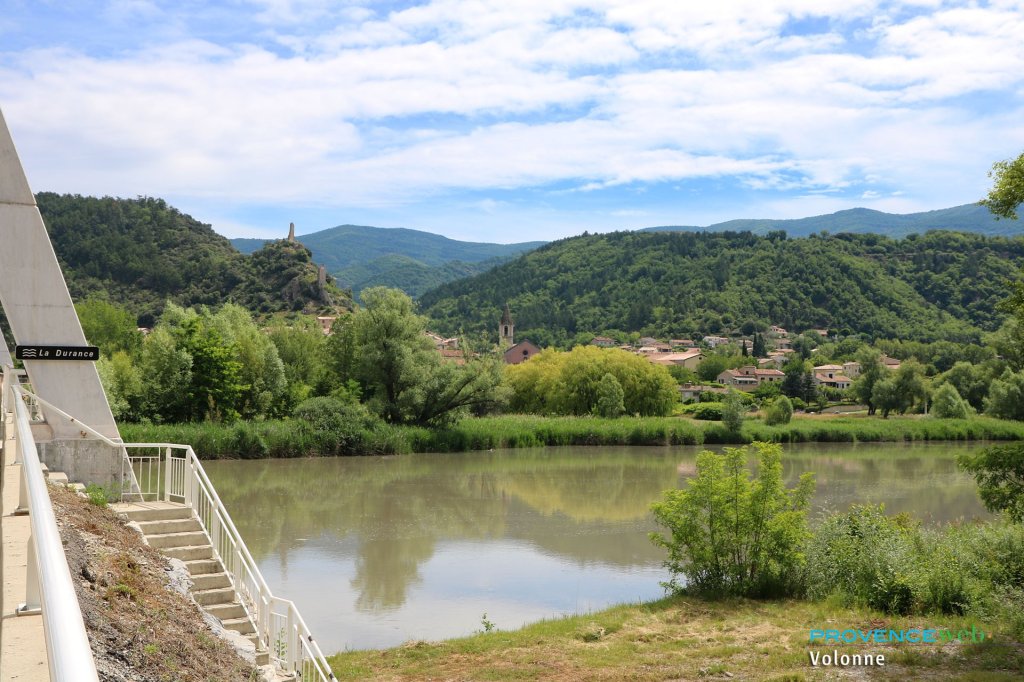
From up there, the view takes in the meandering Durance River and, in the distance, the Pénitents. The 17th-century bastide castle is open to the public, and visitors can explore its staircase adorned with stucco work. Below, Lake Escale and its bird sanctuary can be explored on foot or by bike via the suspension bridge that crosses the river.
Entrepierres
The name Entrepierres comes from the Latin inter petras, meaning “between the stones,” and it describes exactly what you’ll find there. The town comprises several hamlets scattered throughout the Vançon Valley, east of the Durance River.
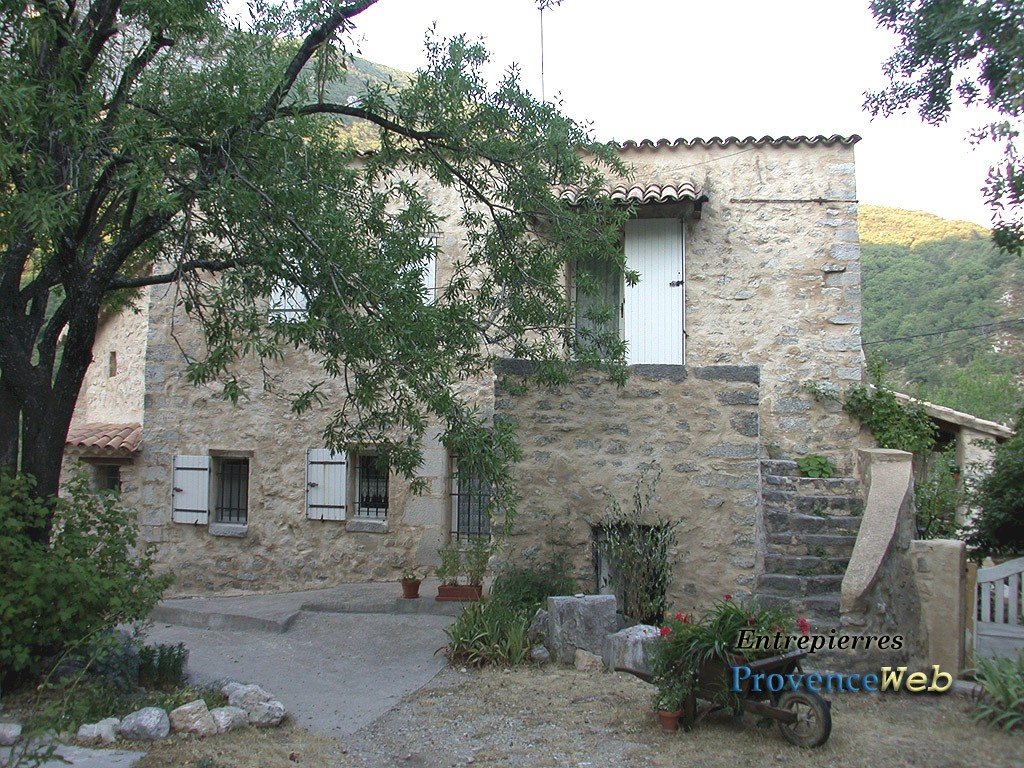
The bridge known as “Queen Jeanne’s Bridge” crosses the river in a humpback arch. On the other side, a forest trail climbs up to Saint-Symphorien, an ochre-colored sandstone hamlet abandoned in the 1970s and left just as it was. The priory of Vilhosc and its crypt complete the loop. This is the quietest part of Haute Provence.
Châteauneuf-Val-Saint-Donat
Back toward the west, at the foot of the southern slope of Mount Lure. The village consists of two hamlets, Châteauneuf and Saint-Donat, separated by fields.
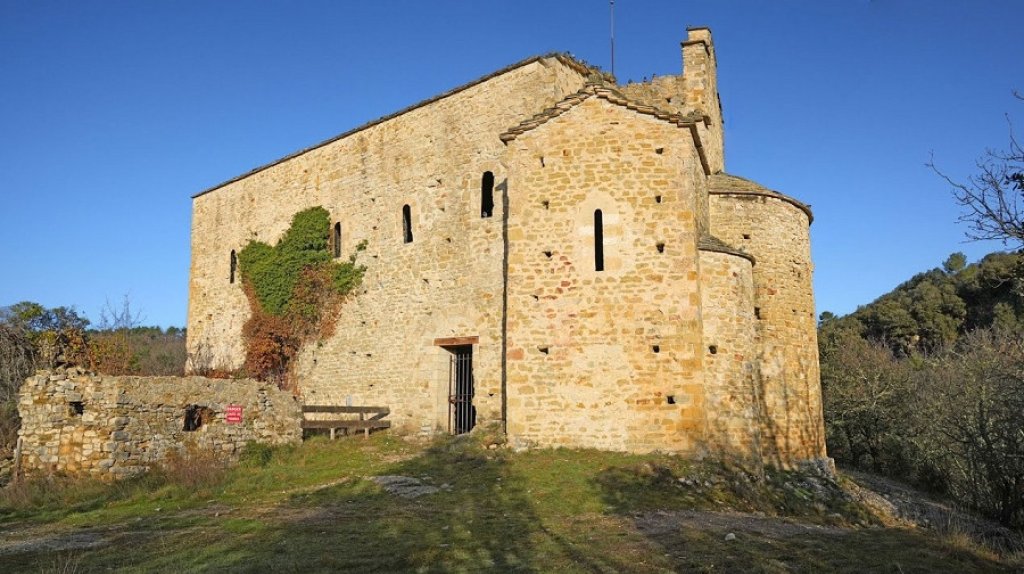
The Romanesque-style Saint-Donat Church is the village’s main attraction. All around, the landscape is a mix of crops: wheat, olive trees, lavender, and wooded valleys. Trails wind their way up toward Lure, offering views of the entire Durance Valley. The village lies at the center of the Sisteron–Forcalquier–Digne triangle, making it a convenient base.
These four villages can be visited in two days by car. But they are no substitute for the town that dominates the entire region.
Sisteron
Sisteron is known as the gateway to Provence, and for once the expression is apt: here, the Durance River flows through a narrow gorge, between the citadel on one side and the Baume rock on the other.
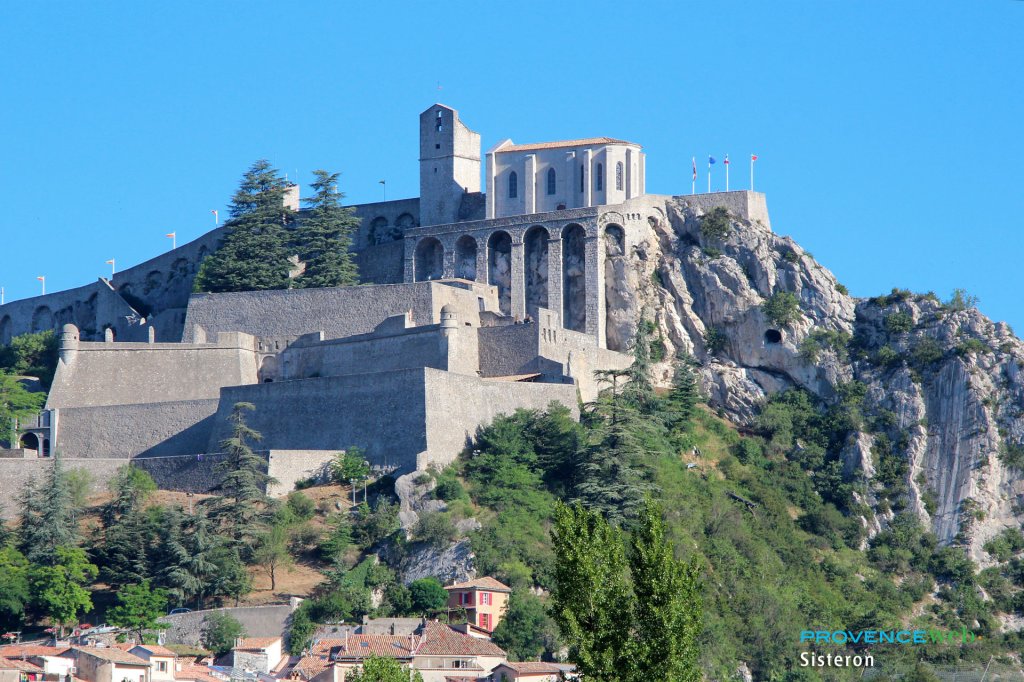
The citadel overlooks the town from a spur 485 meters high. It took on its current form in the 16th century, but the rampart walk and the keep date back to the 13th century. The climb is steep, but the view is worth the effort.
Below, the old town is laid out in narrow alleys and covered passageways, known as andrônes. The 12th-century Notre-Dame-des-Pommiers Cathedral remains one of the great Romanesque buildings of Provence.
Every summer, from mid-July to mid-August, the Nuits de la Citadelle festival takes over the open-air theater, the Saint-Dominique cloister, and the cathedral. The festival has been running since 1928. Add to that the Route Napoléon, which runs through the town, and Sisteron is well worth a full day’s visit.
A wonderful vacation in Haute Provence
Haute Provence isn’t the kind of place you visit like the Côte d’Azur or the Luberon. Here, no one lines up in front of a rock, and you don’t have to reserve a spot on a village terrace three days in advance. You drive along empty roads, stop wherever you like, and often have the site all to yourself.
It’s also a higher and cooler part of Provence. In July, when the Rhône Valley is sweltering, the evenings remain pleasant at the foot of Lure. The Geopark trails, the banks of the Durance, and the orchards of the Val de Durance can be explored on foot or by bike without any hassle.
The area lends itself well to a leisurely getaway. Use Sisteron, Volonne, or Châteauneuf-Val-Saint-Donat as a base, and you can explore the entire region in less than an hour. Accommodations remain affordable, even in peak season.
Come for the Pénitents des Mées, stay for the rest: the morning light on the citadel, the forgotten hamlets of the Vançon, the scent of lavender on the plateaus in July. Haute Provence requires a little more effort than the rest of the region. It more than makes up for it.