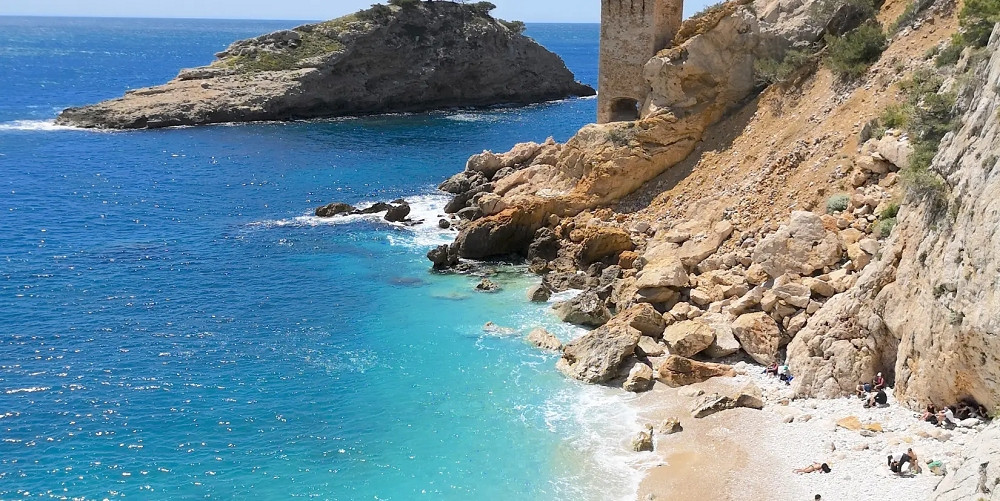

Everyone has an image of Provence before they arrive. Lavender fields, lavender fields, olive oil, ancient Roman ruins, the Mediterranean climate, a relaxed lifestyle — the south of France sells itself effortlessly.
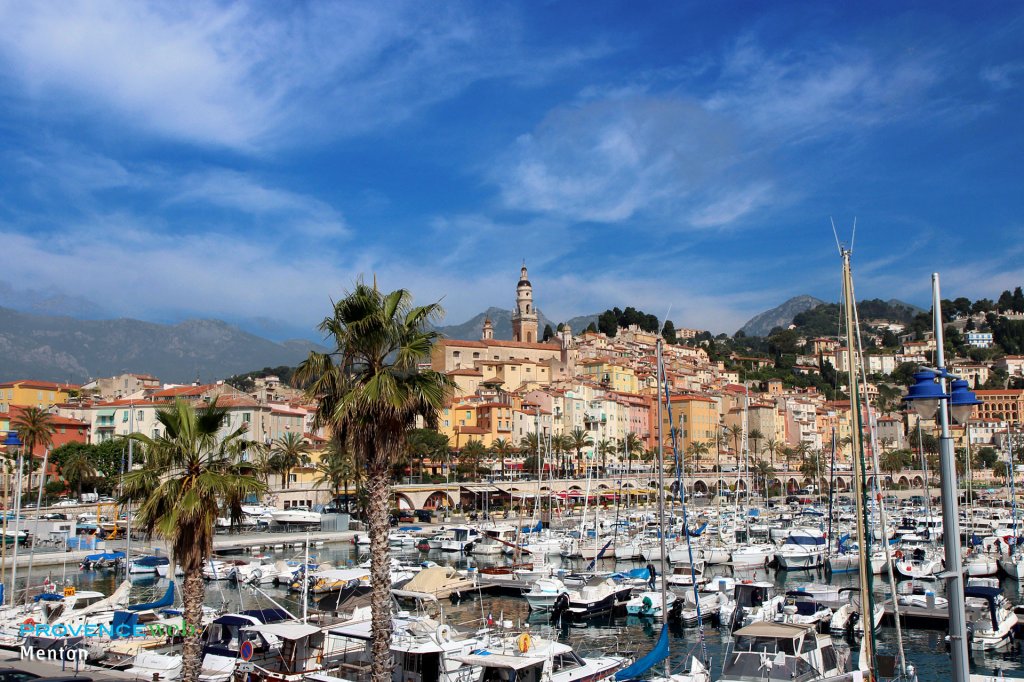
And the truth is, living in Provence delivers on most of it. The quality of life here, whether you settle in Aix-en-Provence, along the French Riviera, or in a village in the Vaucluse countryside, is genuinely hard to match anywhere in Europe.
But life in Provence is more layered than any expat guide will tell you — and it looks very different depending on who you are and why you came.
Because there are really two kinds of expat living in Provence, and they have almost nothing in common. The first is the retiree — British, American, or Australian — who has sold their house in the United Kingdom or the United States, bought a French property in the Luberon or the Alpilles, and settled into daily life at a pace that Paris or London made impossible. Markets, wine, mild winters, outdoor activities, a growing expat community, and the real cost of living significantly lower than back home.
The second is the international executive or professional who has relocated to Marseille, Nice, or Toulon — the major cities of the Bouches-du-Rhône and Alpes-Maritimes — for work. Their Provence is urban. They navigate French healthcare, international schools, rental apartments in city centres, public transport, and a job market that operates in French. Their daily life in the south of France is real, demanding, and rich — but it has very little to do with lavender fields.
Both groups love where they live. Both face real challenges. And both deserve an honest guide to what life in Provence actually looks like — not the holiday version, not the magazine version, but the real one. This is it.
The pace of life: very different depending on where you land
If you retire to a village in the Vaucluse or the Alpilles, the pace of life is genuinely different from anything most Anglo-Saxon expats have experienced. Lunch still matters. Shops still close on Sunday. August belongs to the locals as much as the tourists. Nobody rushes, and nobody expects you to rush either.
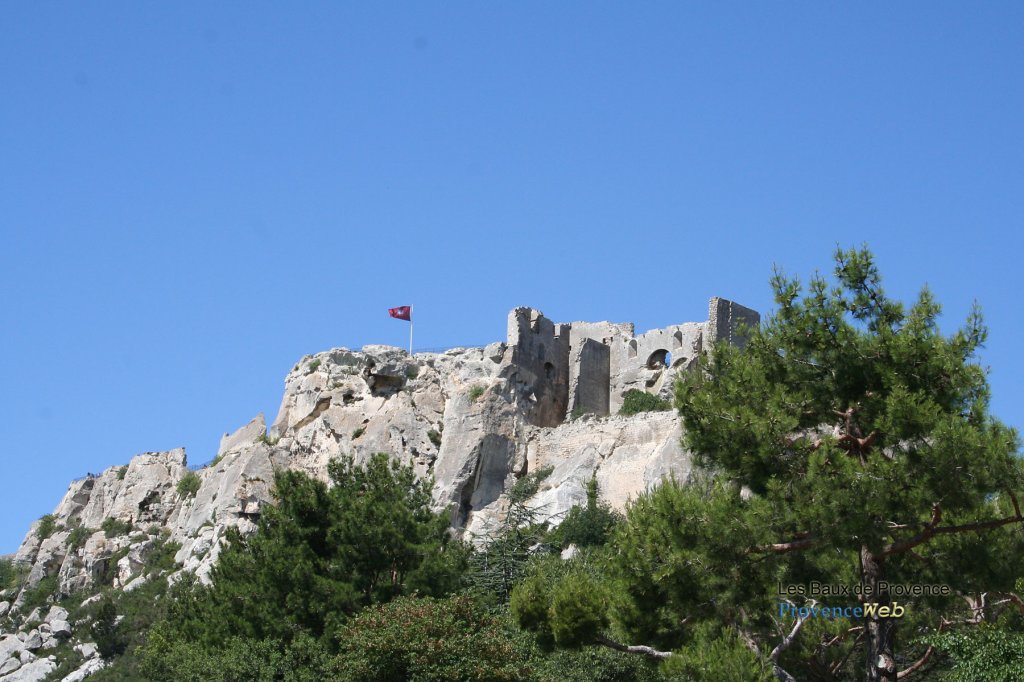
This is wonderful until you need something done quickly. Administrative processes move slowly. Tradespeople are booked months in advance in summer. Your internet installation may take three weeks. Learning to breathe through these moments — rather than fighting them — is one of the first adjustments rural expat life requires.
If you move to Marseille or Nice for work, the pace is completely different. These are real cities, with real urban energy. Marseille is France's second largest city — chaotic, vibrant, and intensely alive. Nice is polished, international, and fast-moving. The rhythm here is not slow. It is Mediterranean, which means intense bursts of activity punctuated by long lunches and a genuine respect for evenings and weekends.

Urban expat life: Marseille, Nice, Toulon
For the professional expat, the choice of city matters enormously.
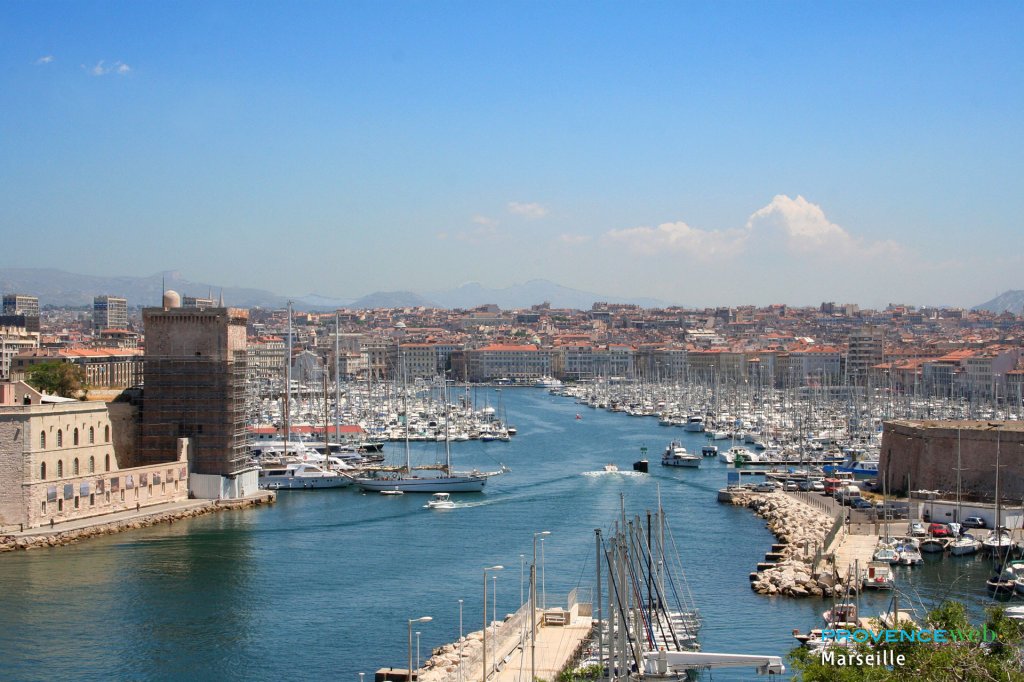
Marseille is the most dynamic and the most complex. It is home to major employers across logistics, shipping, energy, and tech — the port of Marseille is the largest in France and one of the biggest in Europe. The city has changed dramatically over the past decade.
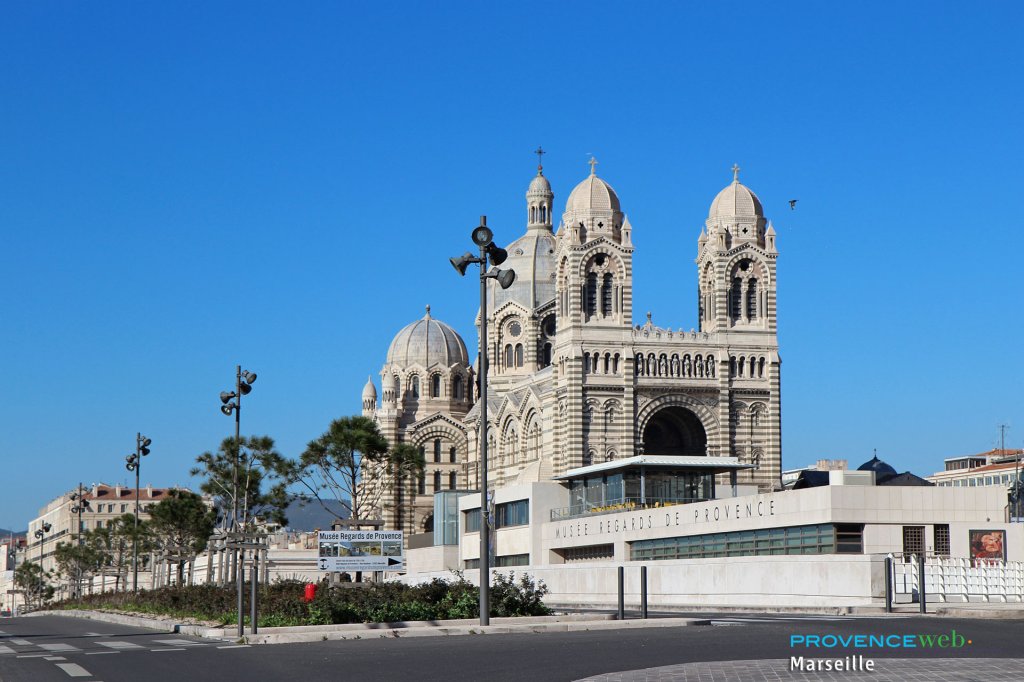
Neighbourhoods like the Vieux-Port, the Panier, and the emerging Euroméditerranée district attract young professionals and international executives. It is raw, multicultural, and not always easy — but those who embrace it rarely want to leave.
Nice is the Côte d'Azur's business capital. It has a strong international presence — Monaco is 20 minutes away, the airport is one of France's busiest, and the city attracts finance, luxury, and tech companies. It is cleaner and more ordered than Marseille, with a higher cost of living.
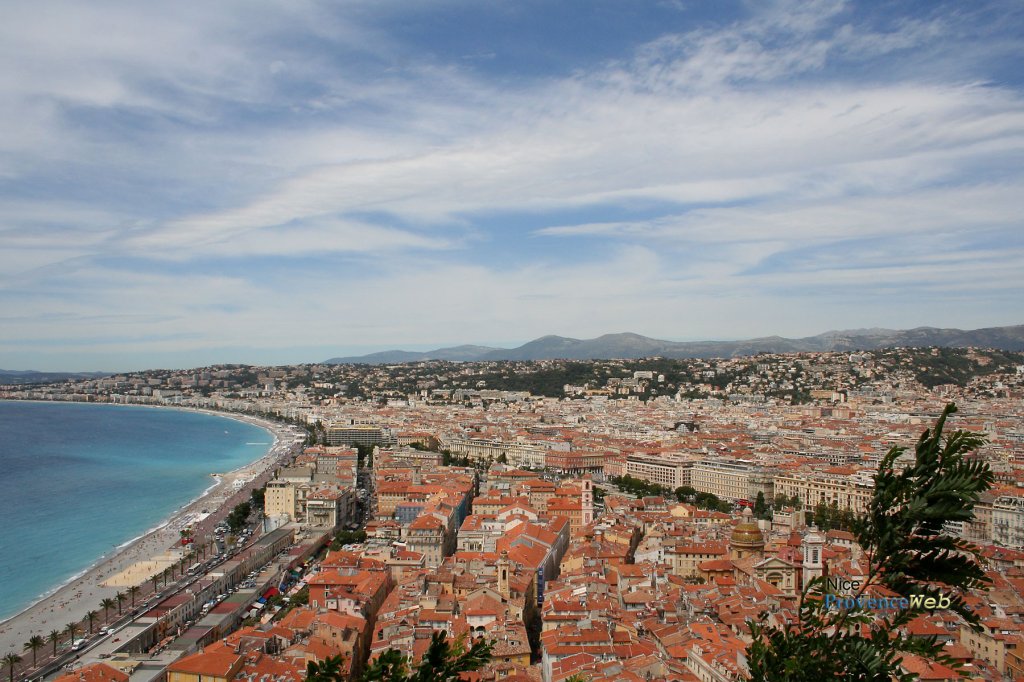
For families, it offers excellent international schools, a large English-speaking community, and a quality of life that is hard to match in Europe.
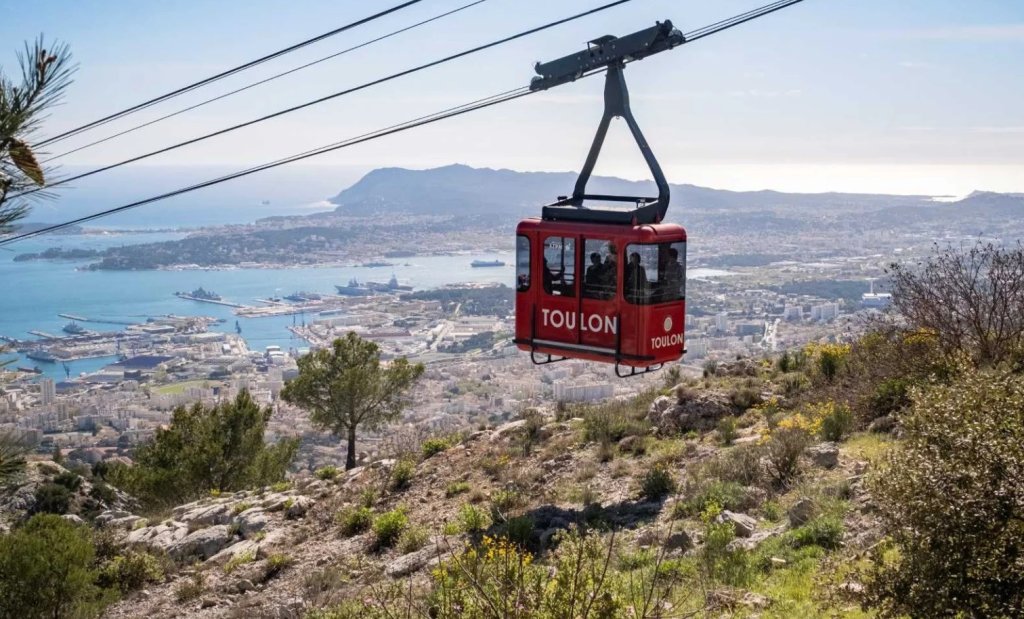
Toulon is the most underrated of the three. It is home to France's Mediterranean naval base and a growing tech and defence sector. Property is significantly cheaper than Nice or Aix, the lifestyle is relaxed, and the surrounding coastline and hills are spectacular. It lacks the international buzz of its neighbours, but for families who prioritise quality of life over social scene, it is worth serious consideration.
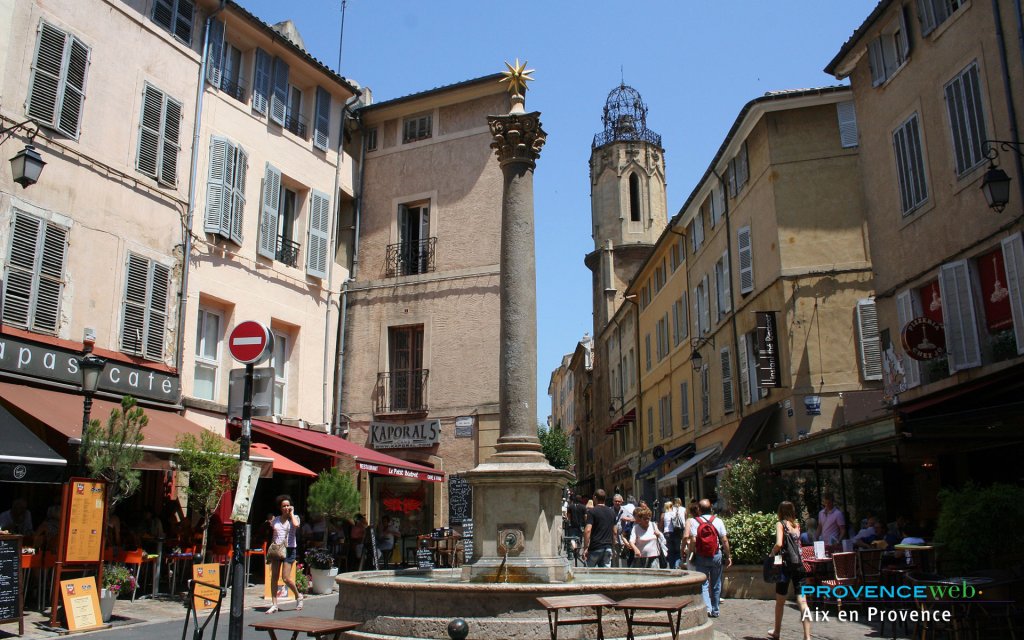
Aix-en-Provence sits between the urban and rural worlds. It is a genuinely beautiful city — elegant, intellectual, with a strong university presence and a thriving cultural scene. Many international executives choose to live in Aix and commute to Marseille, 30 minutes away by motorway. It combines urban amenities with a human scale that Marseille cannot always offer.
The rural expat: village life in the Luberon, Alpilles, and Var
For the retiree or the remote worker who has chosen village life, Provence delivers something genuinely rare — a deeply rooted, seasonal, community-based way of living that has largely disappeared from urban Anglo-Saxon life.
The weekly market is not a tourist attraction. It is where you buy your vegetables, catch up with neighbours, and feel part of something. The baker knows your name. The café has your table. The butcher will tell you what to do with the cut you just bought.
This life is real — but it takes time and effort to access. You need French. You need patience. And you need to show up consistently, week after week, before the village accepts you as part of the furniture rather than a seasonal visitor.
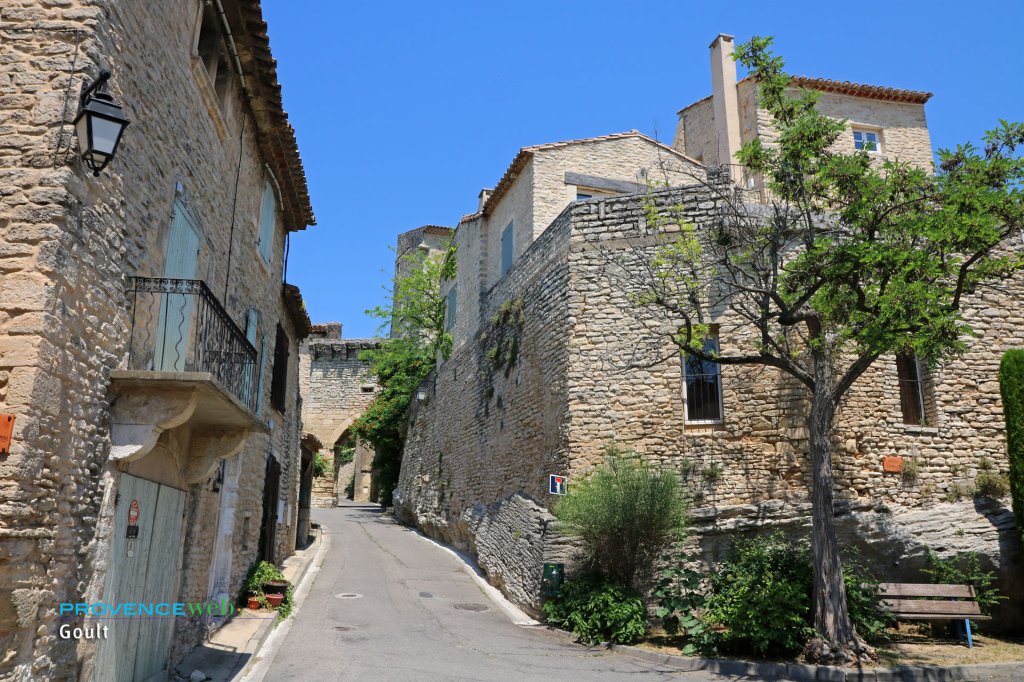
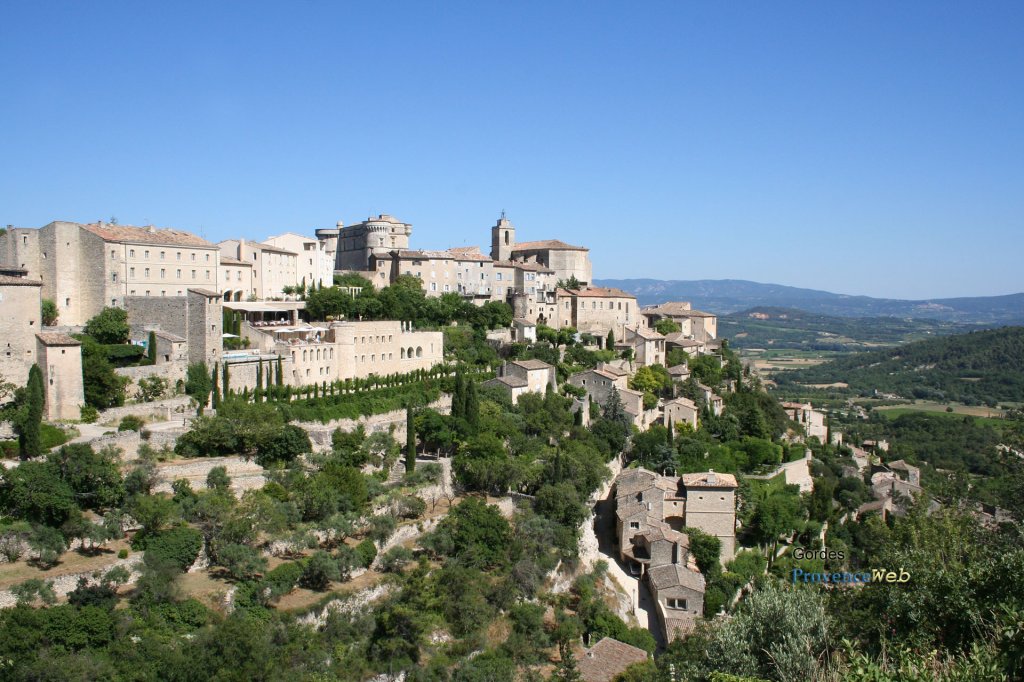
The villages of the Luberon — Gordes, Ménerbes, Bonnieux, Lacoste — are beautiful but expensive and heavily touristed in summer. The Alpilles around Saint-Rémy-de-Provence and Les Baux offer a similar quality of life with slightly less tourist pressure. The Var — Cotignac, Tourtour, Lorgues — is less known to foreign buyers and offers better value, with equally spectacular landscapes.
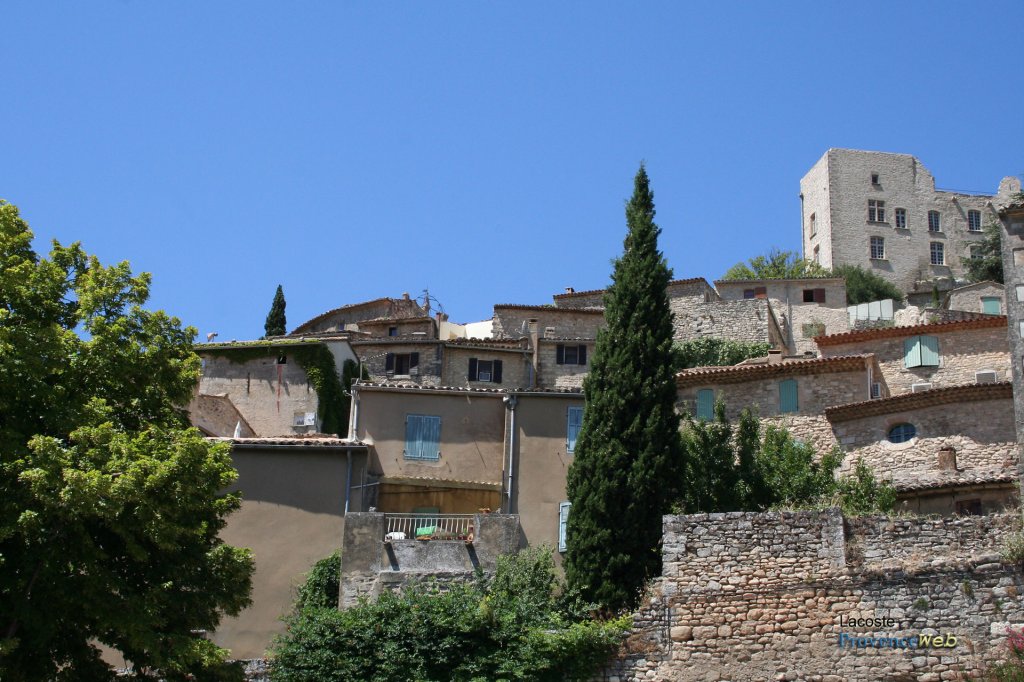
Winter in rural Provence deserves honest mention. Some villages lose 80% of their population between November and March. Restaurants close. The roads empty. If you are used to urban stimulation, this takes real adjustment. Many rural expats spend part of the winter elsewhere — back in the UK, in Paris, or travelling — and return in spring.
The climate: 300 days of sunshine, and the mistral
Both urban and rural expats will encounter the same climate — and the same mistral.
The climate delivers everything the brochures promise. Summers are long, warm, and reliably sunny. Springs and autumns are mild and beautiful. Winters are short and gentle compared to the UK or the northeast US.
But there is the mistral. This cold, powerful wind blows down the Rhône valley and across the region, sometimes for days at a time. It can be brutal in winter and disorienting in spring. In the cities it rattles windows and empties terraces. In the countryside it bends the cypress trees and turns the sky an extraordinary shade of blue.
Once you understand the mistral — once you learn to read the sky and the air pressure — it becomes part of the rhythm of the place rather than an inconvenience. Most expats, eventually, come to love it.
The language: more important for some than others
For the urban professional expat, English is widely spoken in the workplace — particularly in Nice, Monaco, and the international business community around Marseille. You can function professionally in English for months, sometimes years. But you will integrate faster, build trust more quickly, and feel genuinely at home rather than permanently foreign if you make the effort to learn French properly.

For the rural expat, French is not optional — it is the key to everything. Your neighbours, your tradespeople, your administration, your doctor, your market vendors — none of them will meet you halfway. The good news is that immersion in village life accelerates learning dramatically. Within a year of daily life in France, most expats make significant progress even from a standing start.
Read also : Learning French as an expat in Provence
Schools and families
For professional expats relocating with children, school is one of the first practical questions. Provence has several good international schools — particularly around Nice and Sophia Antipolis, where the International School of Nice and the Mougins School serve a large international community. Aix-en-Provence has the International Bilingual School of Provence. Marseille's international school options are more limited, though improving.
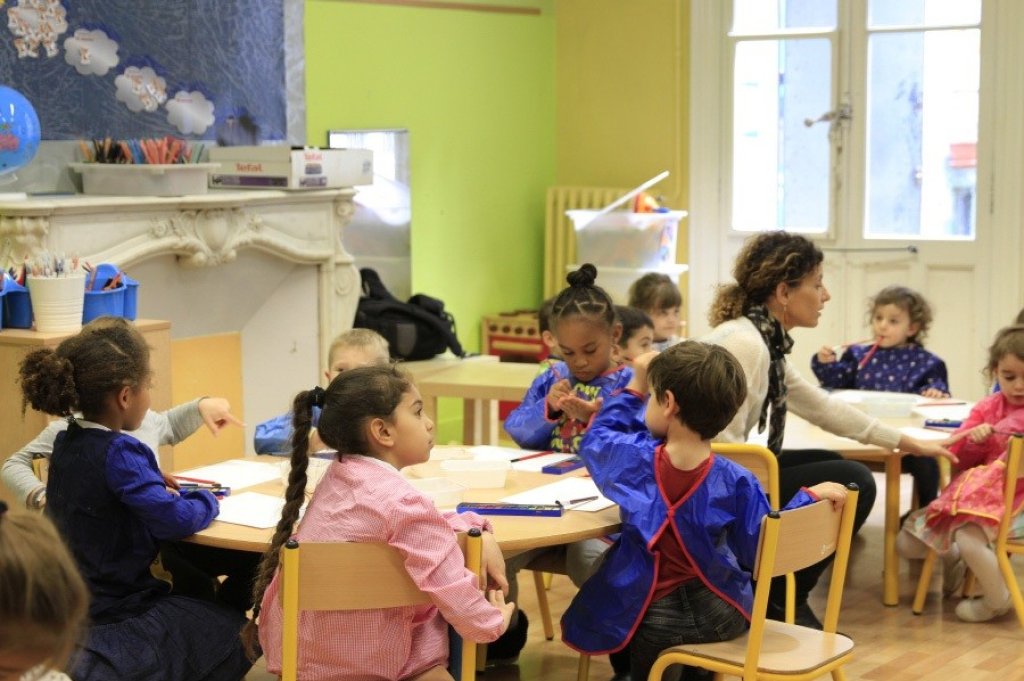
The French public school system is academically rigorous and free. Many expat families with younger children integrate their kids into the local system from the start — the language acquisition is fast, and the social integration is invaluable. For older children or those following international curricula, a private international school is generally the better choice.
The food, the markets, and eating out
This is where Provence genuinely delivers for everyone — retirees and executives alike.
The weekly market remains central to daily life across the region. Whether you are in Aix-en-Provence on a Tuesday, Apt on a Saturday, or a village in the Var on a Wednesday morning, the market is where Provence tastes like itself — fresh, seasonal, local, and unhurried.
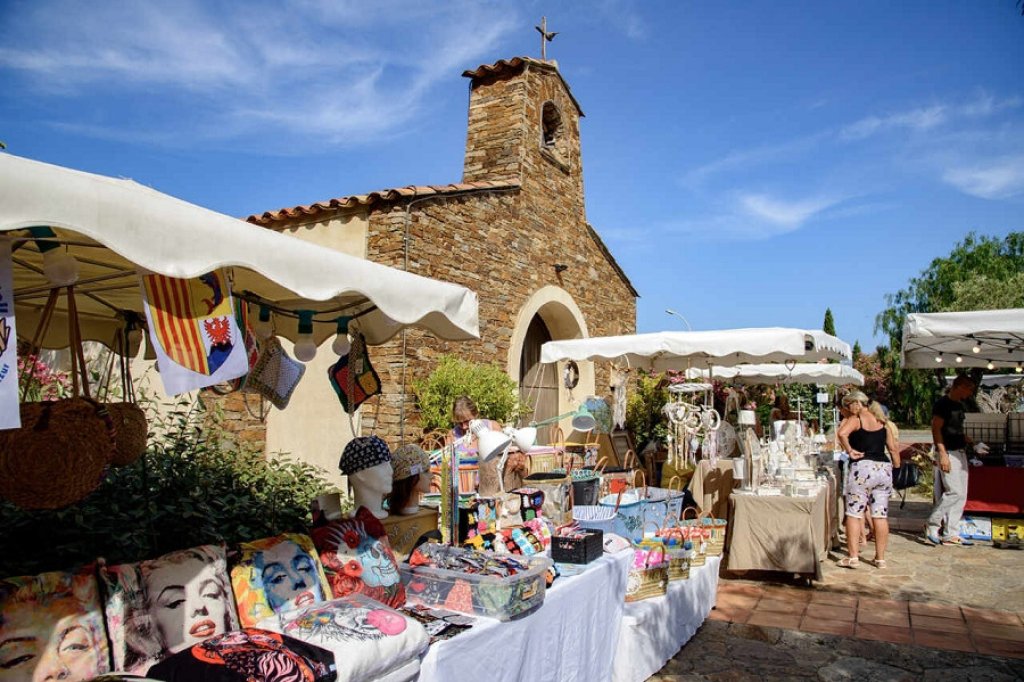
Eating out is pleasurable and affordable by UK or US standards. A good lunch menu — three courses, wine included — costs €25 to €35 in most restaurants. The quality is consistently high. Food here is taken seriously, by everyone, from the market vendor to the Michelin-starred chef.
The timing adjustment is universal. Dinner at 6pm does not exist in Provence. You eat at 7pm at the earliest. Miss the lunch window between noon and 2pm and you will find the kitchen closed.
The cost of living
Provence is not cheap — but it offers genuine value compared to the cities most expats come from.
For urban professionals, Nice and the Côte d'Azur are expensive. Renting a three-bedroom apartment in a good neighbourhood of Nice costs €2,000 to €3,500 per month. Marseille is significantly cheaper — similar properties cost €1,200 to €2,000. Aix-en-Provence sits in between.
For rural retirees, the picture is more varied. A rental house in the Var with a garden costs €1,200 to €2,000 per month. The Luberon is more expensive — €1,800 to €3,000 for something comfortable. Property purchase prices follow a similar pattern.
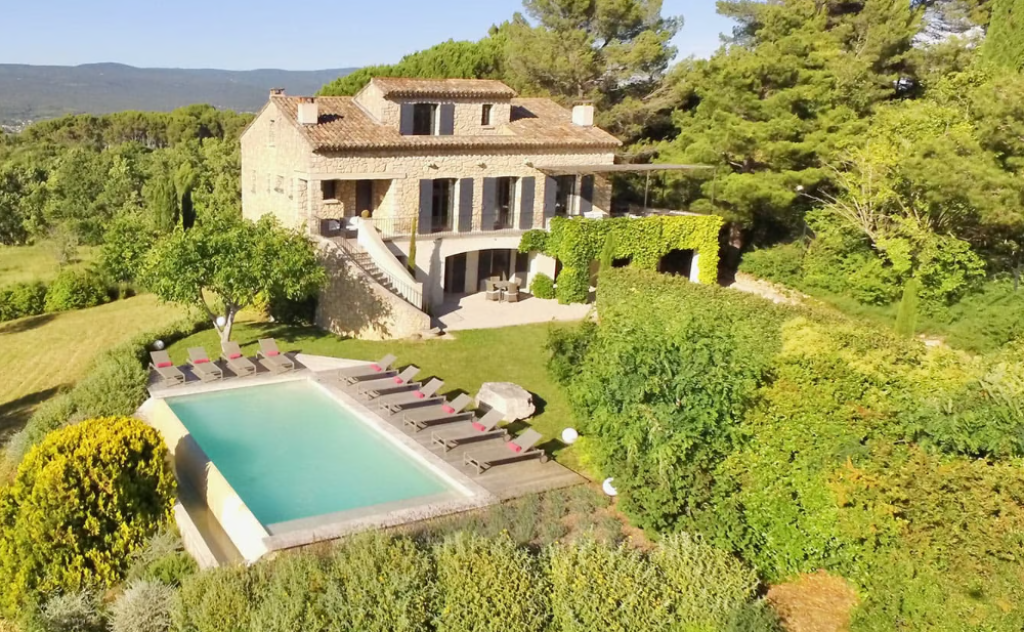
Where Provence offers genuine value for everyone is in daily life — food, wine, eating out, healthcare, and the outdoor activities that cost nothing. A couple living well — market shopping, regular restaurants, day trips — spends less here than they would in London or New York for the same quality of life.
The honest verdict
Provence rewards those who come with realistic expectations and genuine curiosity — whether they are retiring to a village in the Luberon or relocating to Marseille for a new professional chapter.
The retiree who thrives here learns the language, engages with local life, and embraces the rhythm rather than fighting it. The professional expat who thrives here invests in their city, finds a good school for the kids, and carves out time for the things that make Provence worth living in — the markets, the weekends in the countryside, the long Sunday lunches that remind you why you came.
Both find, usually within the first year, that the decision was the right one.
Thinking about making the move? Explore our articles about daily life in Provence.