
Besse sur Issole
Last update on
Sep 17, 2026
Located 3 km south of the RN7 between Brignoles (15 km) and Le Luc (15 km).
Located 3 km south of the RN7 between Brignoles (15 km) and Le Luc (15 km).
Besse-sur-Issole is located in central Var, between Brignoles and Le Luc. This Provençal village, with a population of about 3,000, is well worth a stop during your vacation in Provence. Here you’ll find a natural lake, an historic old town center, and hills covered with pine and oak trees.

Where to stay
Start at the Town Hall square. Its fountain, dating from 1542, is one of the oldest in the department. The belfry, Saint-Dominique Castle, and the 11th-century church then take you on a journey through several centuries of Provençal life.

On the shores of Lake Besse, the water provides a rare coolness in the Var hinterland. Higher up, the Saint-Quinis Chapel watches over the Issole Valley from its elevation of 600 meters.

And then there’s Gaspard de Besse. This 18th-century bandit robbed the rich without ever shedding blood. Follow in his footsteps: the town has plenty of surprises in store for you.
As you wander through its narrow streets, you’ll come across a few beautifully restored historic houses and lovely fountains, including a listed Romanesque fountain in the square in front of the old town hall, next to the Clock Tower with its belfry and campanile.

The village center, with its warm and welcoming atmosphere, has a real charm. On the main street that runs through the village, a statuesque statue of Marianne stands proudly atop an old fountain. It’s here, “at the Marianne,” that everything happens—people meet, chat, and joke around.

Across from it are two bars with their terraces, where everyone gathers for morning coffee, the daily special at lunchtime, and, of course, the unmissable evening aperitif.
Besse-sur-Issole is fortunate to have a 4-hectare natural lake right in the heart of the village. A few years ago, it was a small oasis of coolness where people swam in the summer, children jumped off the diving board, people fished, and picnics were held.

Today, you can take a walk around the lake; you’ll pass by the municipal campground and its open-air café.
There’s a lovely walk from the village to Mont St. Quinis. It’s a bit of a climb, but it’s worth it: at the top, there’s a charming little clearing with the magnificent little Chapel of St. Quinis, which is touching in its simplicity and beauty.

You’ll enjoy a magnificent panoramic view of the village, the Issole Valley, and the ring of wooded hills—covered with oak, pine, broom, and thyme—which stretches across nearly 20 hectares and surrounds the village’s wine-growing plain (800 hectares of vineyards).
Besse is also known as the birthplace of Gaspard de Besse, born in 1757; this “gentleman” thief was a precursor to the Revolution.
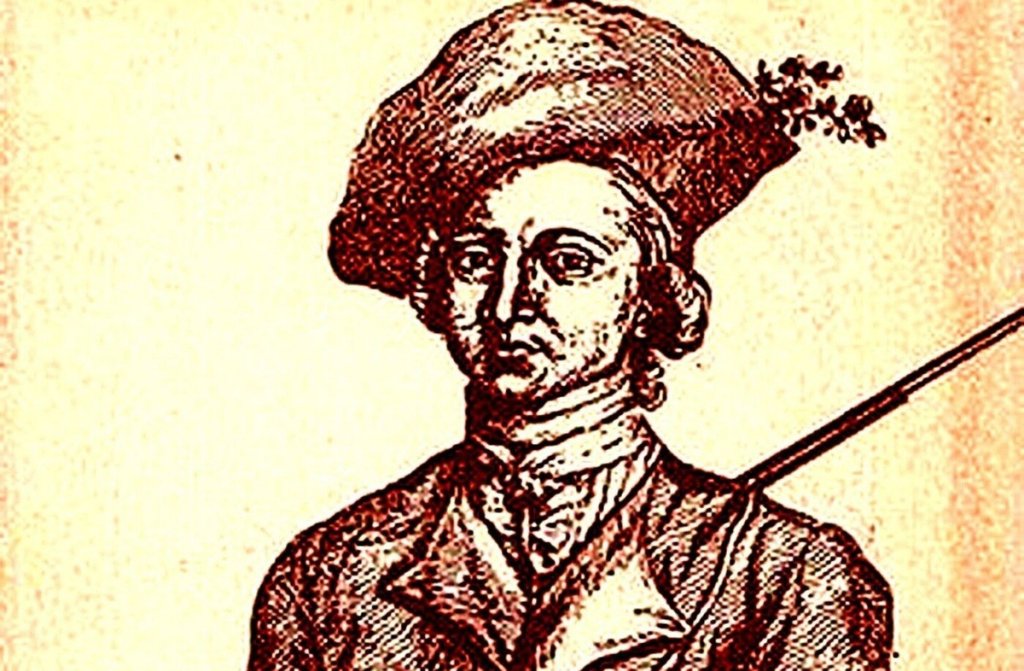
A defender of the oppressed, Gaspard de Besse targeted only the wealthy, without ever shedding blood. Sparing the ladies like a true “gentleman,” this heartbreaker was famous throughout Provence.
The old village, fountains and monuments from the 17th century and from the 18th century.
Medieval bridge over the Issole: the Roman bridge towards the Sainte Agathe hill.
XVIth century St Quinis chapel built at 600 meters above sea level
(remarkable stroll and viewpoints).
Equestrian centre. Tennis.
Provencal boules.
Natural lake.
Hiking (GR9) and horse riding. Mountain byking. Bicycle tourism.
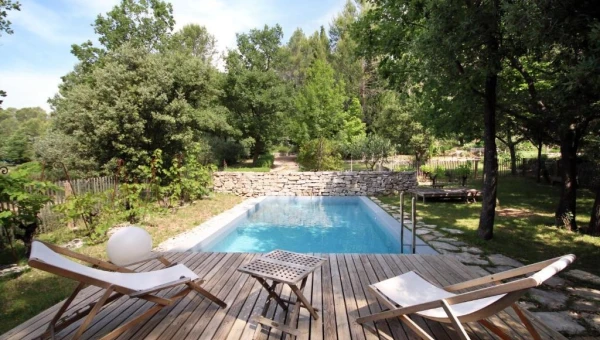
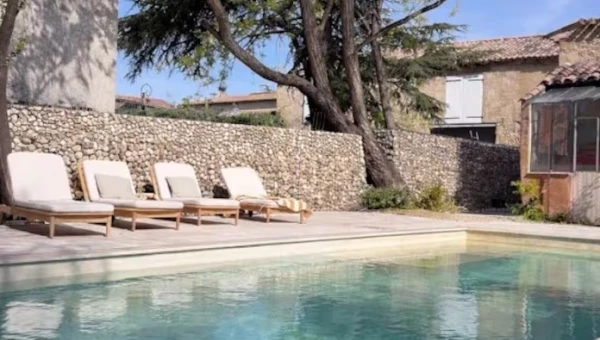
A wine-themed guesthouse, nestled in a quiet valley of vineyards in Besse-sur-Issole: stone, wood, and natural fibers, with refined decor and a pool overlooking the landscape. Dinner service and homemade breakfasts featuring local products, wine tours of Provence in a 2CV, bike rentals—and the village is just a ten-minute walk away. The host is incredibly welcoming—you’re going to love it!
Discover our selection of houses, villas and apartments on Airbnb for an authentic stay in this Provençal village. You will love your vacation here.
You've sent us several questions about Besse-sur-Issole. Here are our answers to your most frequently asked questions.
Besse-sur-Issole is a village in central Var, between Brignoles and Le Luc. Driving is the easiest way to get there. Leave the A57 motorway at exit 11 if you are coming from Toulon, or at exit 13 if you are arriving from Nice.
Two departmental roads then lead you to the village. The D15 links it to Flassans-sur-Issole and Forcalqueiret. The D13 comes in from Carnoules.
Public transport options are limited. The Carnoules train station is five minutes from town. For high-speed TGV trains, head to Toulon, and aim for Toulon-Hyères airport if you are flying in. Keep a map close at hand: this part of the Var countryside welcomes you far from the main roads.
Once you arrive, the old village is waiting for you.
The heritage of Besse is best discovered on foot. Start from the Town Hall square. Its fountain, built in 1542 with gargoyle spouts, is one of the oldest in the Var.
The village has nine fountains, two of them listed. Then look up at the belfry. This listed monument is topped by a 17th-century wrought-iron bell cage.
Walk on to the Château Saint-Dominique, an 18th-century building. The church of Saint-Pierre and Sainte-Marie-Madeleine dates back to the 11th century. It houses a painting by Frédéric Montenard, a master of the Provençal school.
To round off your visit, step outside the village centre. The Roman bridge crosses the Issole towards Sainte-Agathe hill. And behind every stone lies a story.
The history of Besse goes back to the Middle Ages. In 1030, the Saint-Pierre priory was given to the abbey of Montmajour. The village became independent in the 12th century.
Yet its name remains tied to one man: Gaspard de Besse. Gaspard Bouis was born here on 9 February 1757. This Provençal highwayman operated in the Sainte-Baume, Maures and Estérel mountains.
His motto fits in a few words: frighten, but never kill. Loved by the people, he was nonetheless broken on the wheel in Aix on 25 October 1781. Victor Hugo even mentions him in Les Misérables.
Today, the old village keeps its traditions alive. The oil mill, the bread oven and the fountains reflect a well-preserved rural heritage. Local culture also owes much to Frédéric Montenard, the painter of southern France who died in Besse in 1926.