
So you're seriously thinking about moving to Provence. Maybe you've already spent a vacation here — a week in Aix, a few days exploring villages in the Luberon — and the south of France has been living rent-free in your head ever since. You're not alone.
The expat community in Provence is bigger than most people expect. The region has attracted a large international community, particularly Americans, Australians, and British. In Aix-en-Provence alone, the Anglo-American Group of Provence counts over 400 members, with headquarters in Aix and the surrounding towns and villages. That's people who actually moved here, built a daily life, and figured it out.
This guide is for you — the American or English-speaking expat who wants the real picture. What is life in Provence actually like once the vacation glow fades? Where do you find your people? What about health insurance, real estate, the language barrier, the cost of living, the job market?
Read on. We're going to cover all of it.
The urban expat community: Marseille, Nice, Aix, Toulon
For the professional expat in one of Provence's major cities, the social landscape is different. The community is larger, more international, and more structured around professional life and family logistics.
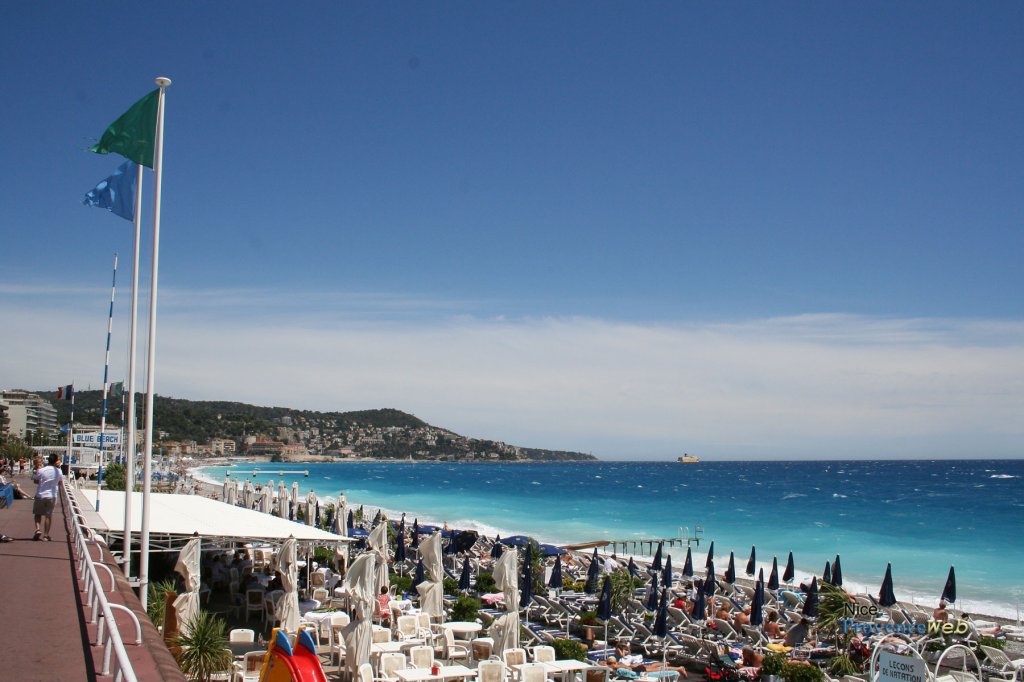
Nice and the Côte d'Azur have the most developed international expat infrastructure in the region. The American Club of the Riviera, the British Association of the Riviera, and the International Club of the Riviera all organise regular events — networking evenings, cultural outings, family days — that serve as genuine entry points into the international community. Monaco's proximity means a significant financial and business expat community spills over into Nice and the surrounding area.
Marseille has a smaller but growing international expat scene, concentrated around the Vieux-Port, the 6th and 8th arrondissements, and the Euroméditerranée business district. The American Presence Post in Marseille is a useful first contact for American expats. Professional networking events organised through the Chamber of Commerce and industry associations are the most effective way to build a professional and social network quickly.
Aix-en-Provence punches above its weight for expat social life. The university and the business community around it attract a cosmopolitan crowd. The International Women's Club of Aix organises regular events open to all. The city's café culture and its compact, walkable centre make casual socialising easier than in larger cities.
Toulon has a smaller expat community, but the naval and defence sector brings a regular flow of international professionals. Expat social life here is more informal — built around sport, the beach, and neighbourhood bars rather than structured clubs and associations.
Concrete resources for urban expats:
InterNations (internations.org) organises regular networking events in Marseille, Nice, and Aix-en-Provence. Events are typically held monthly and mix professionals from dozens of nationalities. It is one of the fastest ways to meet people when you first arrive in a city where you know nobody.
Meetup.com has active groups in Nice and Marseille — language exchange groups, hiking clubs, board game evenings, and professional networking events all operate through the platform.
Your children's school is one of the most powerful social accelerators for family expats. The school gate, the parents' WhatsApp group, the weekend birthday parties — international school communities are tight-knit and welcoming to new arrivals. Do not underestimate this.
Your workplace is the obvious starting point — but it often takes longer than expected to build genuine friendships through work in France. French professional culture keeps a clearer line between work and social life than Anglo-Saxon cultures. Be patient, and make the first moves yourself.
Sports clubs and gyms are underrated as social entry points. CrossFit boxes, tennis clubs, padel courts, and running groups in Marseille and Nice attract a mixed international and French crowd and generate friendships faster than almost any other context.
The rural expat community: villages, networks, and slow integration
In the villages of the Luberon, the Alpilles, and the Var, the British expat presence is long-established and substantial. Peter Mayle put the Luberon on the map in the 1990s, and the anglophone community that followed has never really left. In villages like Ménerbes, Bonnieux, Lacoste, and Gordes, you will find English-speaking neighbours within walking distance. Some villages have more British residents than French ones in summer.
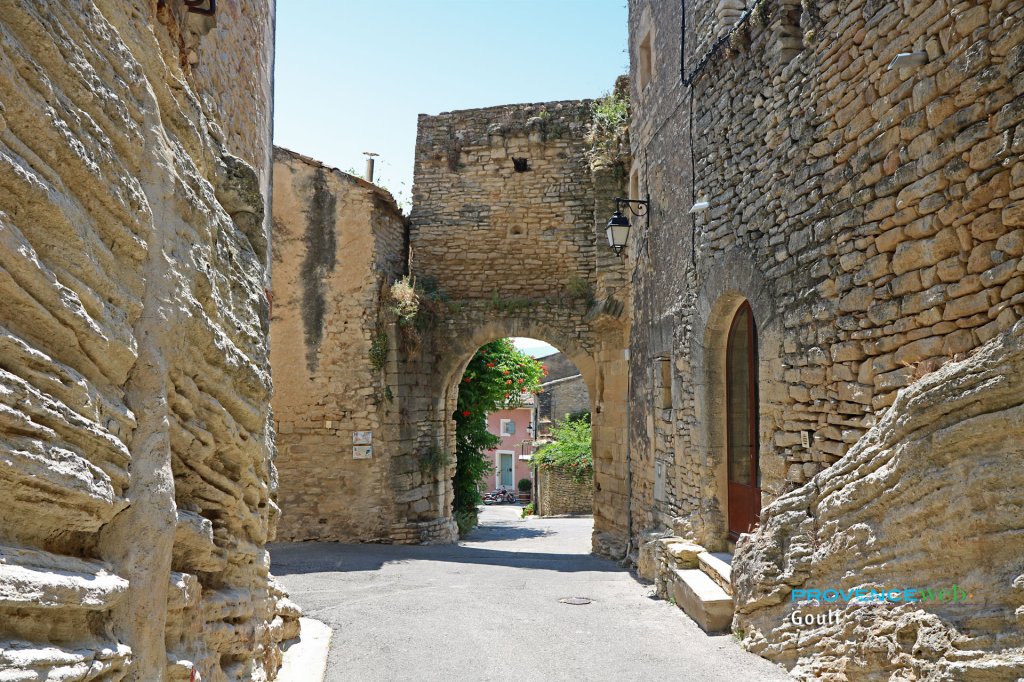
This community is warm, welcoming, and genuinely useful when you arrive. People share recommendations — for plumbers, notaires, doctors, tax advisers — with a generosity born of having needed the same information themselves not long ago.
Where to find the rural expat community concretely:
Angloinfo Provence (angloinfo.com) is the long-established online hub for English-speaking expats in the south of France. It has forums, classified ads, and local information that remains genuinely useful for new arrivals.
Facebook groups are where most of the day-to-day conversation happens now. "British Expats in Provence," "Americans in Provence," and "English Speakers in the Luberon" are active communities where people ask questions, share recommendations, and organise meetups. Search for your specific area — there are groups for the Vaucluse, the Var, the Alpilles, and most major villages.
Local associations are the best way to integrate into French life rather than purely expat life. Every village has an association sportive, a choir, a pétanque club, or a gardening group. Joining one — even with imperfect French — is the fastest route to genuine local friendships.
The marché — the weekly market — is not just for shopping. It is Provence's original social network. Go every week, buy from the same vendors, and within a month you will know more people than you expected.
English-language churches exist in several towns across the region — including Aix-en-Provence and Avignon — and serve as genuine community hubs for anglophone expats regardless of religious affiliation.
Supper clubs and informal dining groups are common in expat-heavy areas. These are often word-of-mouth — ask around once you have made a few initial contacts and you will find them quickly.
The French friends question
Most expats, at some point, ask the same question: why is it so hard to make French friends?
The answer is not that French people are unfriendly. It is that French social culture is built on long-term, deep relationships rather than easy casual acquaintance. French friendships take longer to form — but they tend to be more solid and more loyal than the faster connections Anglo-Saxon culture produces.
The expats who build genuine French friendships are usually those who learn the language properly, join local associations, and show up consistently over months and years rather than expecting quick results. It is slower. It is also worth it.
Read also : Learning French as an expat in Provence
A practical checklist for new arrivals
In your first month, try to do at least three of these:
Join one Facebook group for English-speaking expats in your area. Attend one InterNations or Meetup event in your nearest city. Go to your local market every week without exception. Find one local association — sport, culture, or hobby — and go twice before deciding whether it is for you. Introduce yourself to your immediate neighbours, even with imperfect French. If you have children, volunteer for something at the school within the first term.
None of these will transform your social life overnight. All of them, done consistently, will.
Building a life in Provence takes time — but the expat community here is one of the most welcoming in France. Explore our complete guide to living in Provence as an expat for everything you need to know before and after your move.
Your questions about the expat community in Provence and the French Riviera
You have sent us several questions by email. Here are our answers to your frequent questions.