
Renting in Provence long term is more straightforward than most expats expect — but it works differently from the UK or US rental market, and knowing the rules before you start your search saves considerable time and frustration.
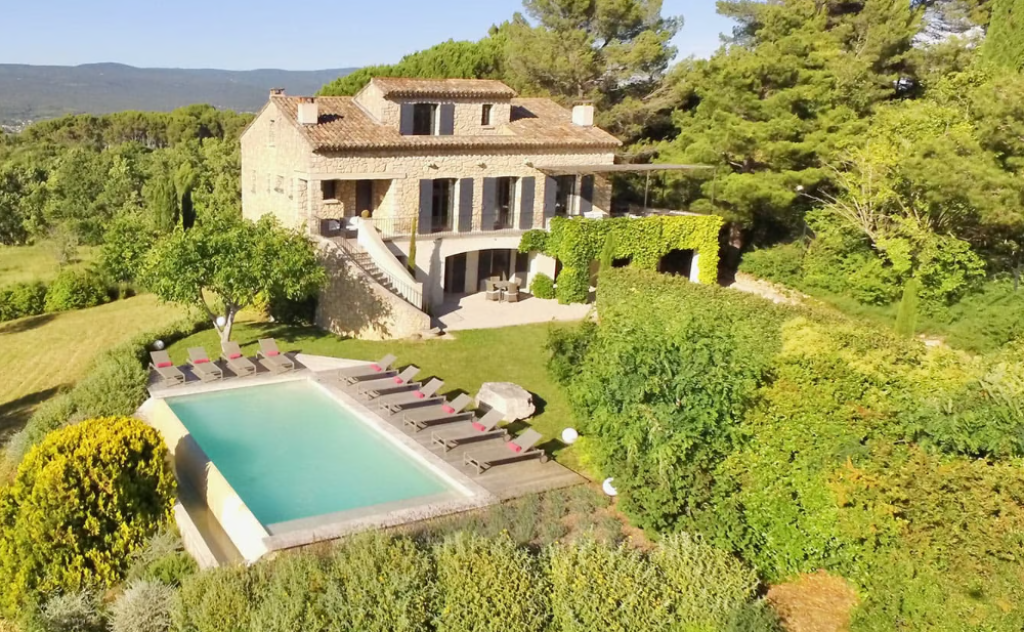
Whether you are looking for a furnished studio in the centre of Aix-en-Provence, a bedroom apartment with a terrace in Nice or Marseille, a farmhouse with a pool in the Luberon or the Var, or a charming cottage close to the beach along the Côte d'Azur in the Alpes-Maritimes, the long-term rental market in Provence covers every budget and every lifestyle. Monthly rentals, furnished properties, unfurnished long lets, private villas with garden — the choice across the Bouches-du-Rhône, the Vaucluse, and the Alpes-Maritimes is genuinely wide.
The process is more document-intensive than most anglophone expats are used to. Landlords in France — whether you find your property through a local real estate agency, directly on platforms like Airbnb for furnished rentals, or via dedicated long-term rental sites — will ask for a full dossier before signing any lease. Currency conversion, proof of income, and French bank account details are all part of the standard process. But once you understand what is required, renting in Provence long term is entirely achievable — and the quality of accommodation available, from a furnished flat in the city centre to a rural farmhouse in the Vaucluse, makes the effort more than worthwhile.
The rental market in Provence: what to expect
Provence's rental market varies significantly by location — and understanding these differences before you start looking will save you time and disappointment.
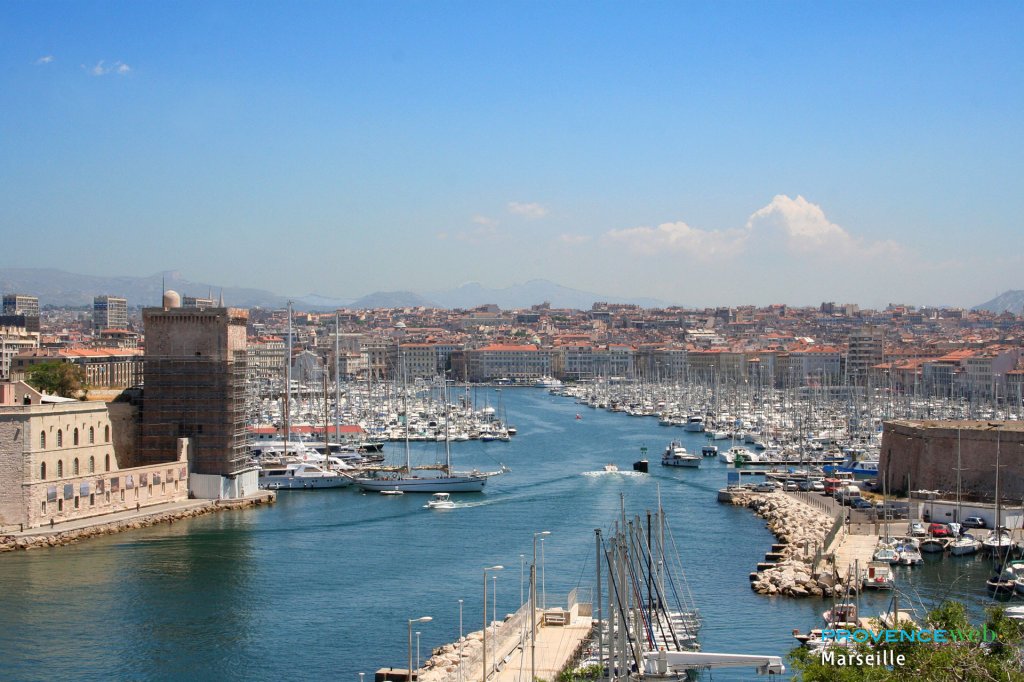
In the major cities — Marseille, Nice, Aix-en-Provence, Toulon — the long-term rental market is active year-round. Supply is reasonable, prices are competitive by Western European standards, and the choice of properties is wide. Marseille offers the best value — a comfortable three-bedroom apartment in a good neighbourhood costs between €1,200 and €2,000 per month. Nice is significantly more expensive — expect €1,800 to €3,500 for equivalent quality. Aix-en-Provence sits in between, with strong demand driven by the university and the business community.
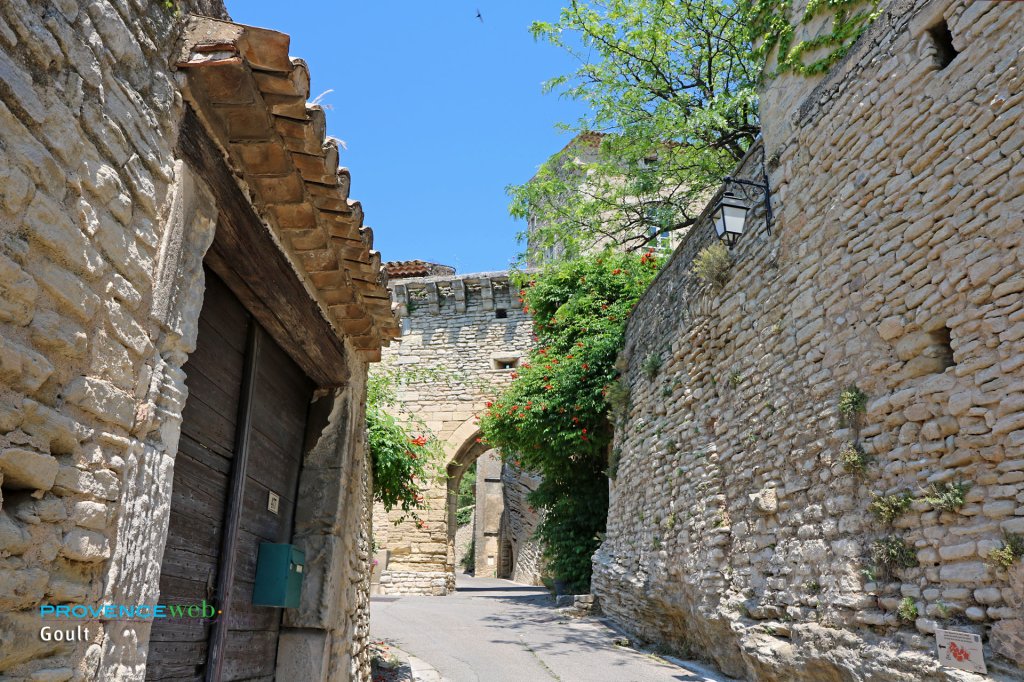
In the villages and rural areas — the Luberon, the Alpilles, the Var — the long-term rental market is much smaller and more seasonal. Many properties that could be rented long-term are instead offered as holiday rentals in summer, where owners can charge significantly more. This means that good long-term rentals in sought-after villages are genuinely hard to find, and competition for them is real. Arriving in autumn or winter — when the holiday rental season ends — gives you the best chance of finding something.
Types of rental property
French rental law distinguishes between furnished (meublé) and unfurnished (non-meublé) rentals — and the distinction matters practically and legally.
An unfurnished rental comes with nothing except the shell of the property — walls, floors, sometimes kitchen fittings. You bring everything else. Leases are for a minimum of three years, with strong tenant protections. This is the standard long-term rental for someone settling permanently.
A furnished rental comes with furniture, appliances, and everything needed to live immediately. Leases are for a minimum of one year, or nine months for students. The flexibility is greater, and for expats arriving without furniture, a furnished rental is often the logical first step — giving you time to find your bearings before committing to a longer lease or a property purchase.
The “dossier de location”: what you need
The French rental application process is more document-intensive than most expats expect. Every serious application requires a dossier — a file of documents that proves your identity, your income, and your ability to pay the rent.
A standard dossier includes your passport or identity document, your last three payslips or proof of income, your last two or three tax returns, your last three bank statements, and proof of your current address. If you are self-employed or have income from abroad — a pension, investments, or remote work — you will need to demonstrate this clearly, ideally with an official document or a letter from your accountant.
French landlords are cautious. They look for a monthly income of at least three times the rent — a standard benchmark across the market. If your income does not meet this threshold on paper, a guarantor (garant) — someone who agrees to cover the rent if you cannot — can strengthen your application significantly. Some expats use a professional guarantor service such as Visale, which is free and provided by the French government, or private services like GarantMe.
Do not be discouraged if your first few applications are unsuccessful. The French rental market favours applicants with French income, French tax returns, and French bank accounts — none of which you have when you first arrive. Building these foundations takes a few months, and your applications become significantly stronger once you have them.
Finding rental properties
The main platforms for long-term rentals in France are SeLoger, Leboncoin, PAP (particulier à particulier, for direct landlord listings without agency fees), and Logic-Immo. All are in French but straightforward to navigate.
Agency rental is common in France, particularly in cities. Agencies charge fees — capped by law at one month's rent for the tenant — but they manage the process efficiently and often have access to properties not listed publicly. In competitive markets like Nice and Aix-en-Provence, going through an agency can be an advantage.
For expats looking in villages and rural areas, local word of mouth is often the most effective approach. Tell people you are looking — at the market, at the café, through the local Facebook group. A significant number of rural long-term rentals never appear on the major platforms.
The lease and your rights as a tenant
French tenant law is among the most protective in Europe. Once you have a signed lease, you have significant rights — including protection against eviction outside of very specific legal circumstances, and the right to renew your lease at the end of its term.
Your lease will specify the rent, the charges (usually building maintenance and communal costs), the deposit (typically one month's rent for unfurnished, two months for furnished), and the notice period required to leave — generally three months for an unfurnished rental, one month for furnished.
Read your lease carefully before signing — ideally with the help of someone who reads French fluently. Pay particular attention to the inventory (état des lieux) that is completed when you move in. This document records the condition of every element of the property and is the reference point for any deposit dispute when you leave. Take your own photos on the day you move in and keep them.
Utilities and practical setup
Setting up utilities in France is straightforward once you have a signed lease. Electricity and gas are provided by EDF and Engie respectively, though alternative suppliers exist. Water is typically included in the charges or billed directly by the local authority.
Internet connection in France is generally excellent and competitively priced — major providers include Orange, SFR, Bouygues, and Free. Expect installation to take one to three weeks. If you are in a rural area, fibre coverage is improving rapidly but is not yet universal — check the coverage at your specific address before signing a lease.
Home insurance (assurance habitation) is compulsory for tenants in France. Your landlord will ask for proof of insurance before handing over the keys. It is inexpensive — typically €10 to €20 per month for a standard policy — and straightforward to arrange online.
CAF: the French housing benefit
Many expats are unaware that France has a housing benefit system — the Aide Personnalisée au Logement (APL), administered by the CAF (Caisse d'Allocations Familiales). Eligibility depends on your income, your rent, and your family situation. It is not only for low earners — many middle-income expats qualify for a modest but useful monthly payment that offsets part of the rent.
You can check your eligibility and apply online at caf.fr. The process takes a few weeks but is worth doing — even a payment of €100 to €200 per month adds up over a year.
Practical tips for expat renters
Start your search before you arrive if possible. The best properties in competitive markets go quickly, and being able to visit in person within days of a listing appearing makes a significant difference.
Open a French bank account as early as possible. Most landlords require rent to be paid by French bank transfer, and some will not accept foreign accounts. BNP Paribas, Société Générale, and Crédit Agricole all have English-speaking services in the major cities. Online banks like N26 and Revolut are useful bridges while your main account is being set up.
If you are arriving without a French income history, consider a furnished rental for the first year. It gives you flexibility, requires less paperwork, and buys you time to establish the financial footprint — French bank account, French tax return, French payslips or pension declaration — that makes your future applications much stronger.
Looking for long-term rental properties in Provence? Our real estate section covers everything you need — from the best villages to live in as an expat to working with a French real estate agent.
Your questions about long term rental in Provence and the French Riviera
You’ve sent us several questions about long term rental in Provence. Here are our answers :