

Lou Saussoun Varois is one of the oldest Provençal culinary specialties from the Var region. It is a spread made with fresh fennel, almonds, anchovy fillets, fresh mint, garlic, and olive oil.
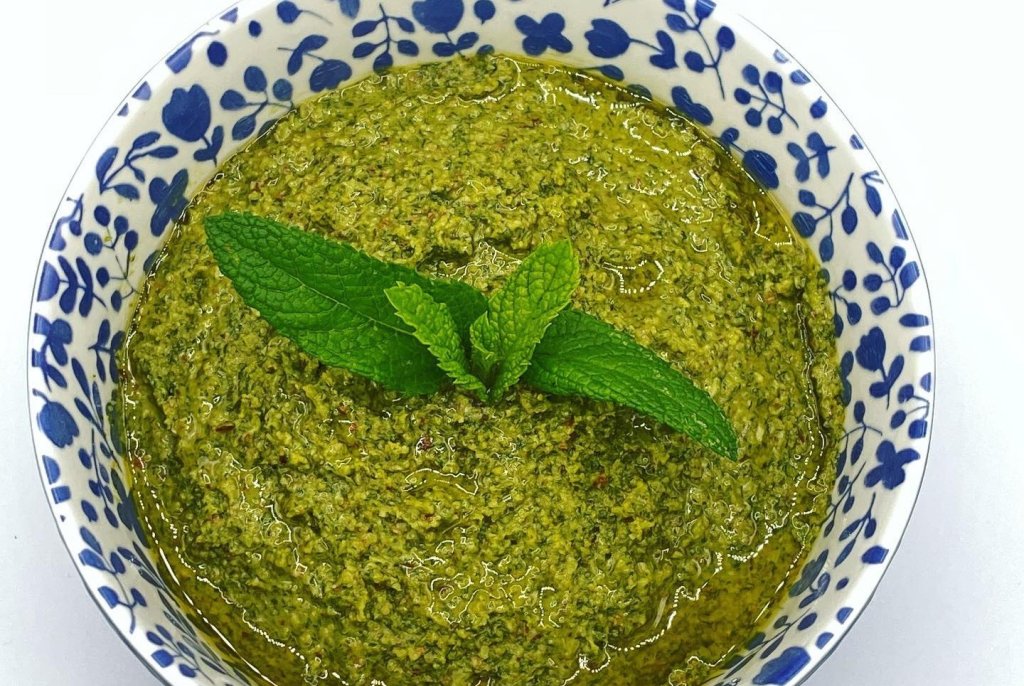
The result is an oily, fragrant, and very flavorful paste, which is spread on slices of toasted bread as an appetizer.
The recipe is easy to prepare and requires only a mortar, a pestle, and good fresh ingredients. That’s all.
Before becoming a spreadable appetizer, saussoun was the “poor man’s sauce”: Var farmers would prepare it in the vineyards during their morning break to dip bread into a thick soup. The name itself comes from this—they would “dip” the bread into the mixture. Today, this Var specialty has regained a rightful place on Provençal tables, far removed from its humble origins.
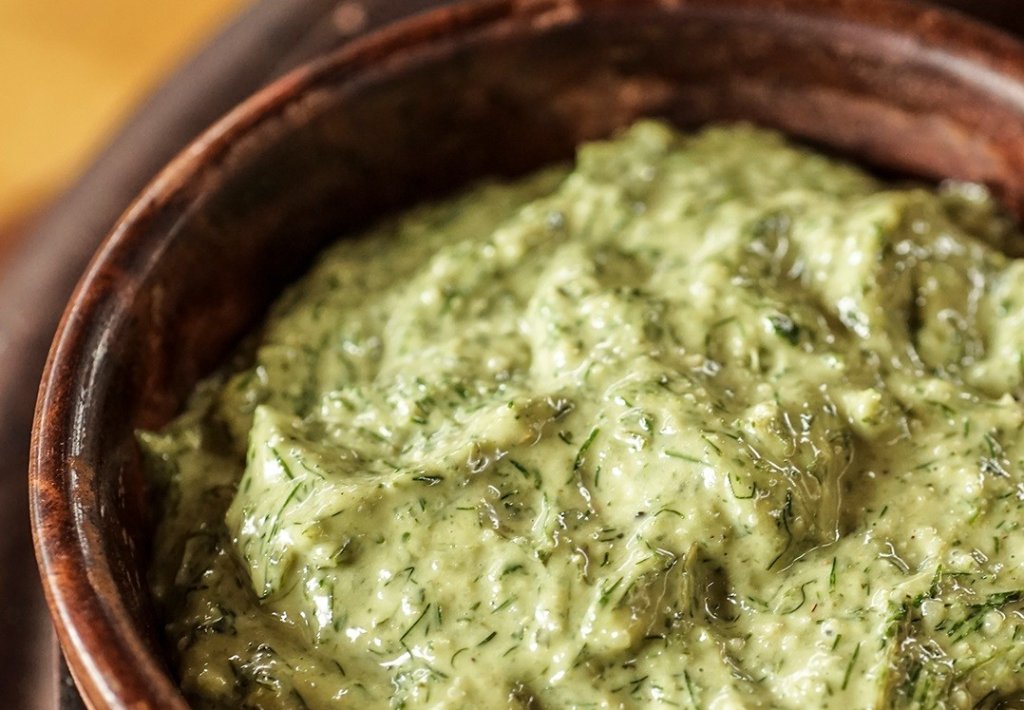
In this article, you’ll find the recipe for classic Var-style Lou Saussoun, tips for making it perfectly, possible variations, and a few ideas for serving it with something other than bread.
The traditional Lou Saussoun recipe
Here’s everything you need to know to make this delicious Var dish, perfect for an appetizer.
The Ingredients
The list is short, and that’s one of the strengths of this recipe. You don’t need a Michelin-starred chef’s kitchen or hard-to-find ingredients. Everything you need can be found at your local market, especially in the spring when fresh fennel is in season—April through May is truly the ideal time.
Here are the main ingredients for the classic Var-style lou saussoun:
a stalk of fresh fennel (the fronds and the tender white part)
a handful of blanched almonds, about 150 to 200 grams
a few anchovy fillets in oil, between 50 and 100 grams depending on your taste
two to several cloves of garlic, depending on your appetite
high-quality olive oil, allow at least 20 cl
a few fresh mint leaves, preferably young buds
a splash of lemon juice
almond powder to thicken the mixture if needed
A few clarifications are in order before you begin. For the anchovies, choose fillets in oil rather than salted anchovies, which are ready to use. For the fennel, use a stalk of fresh fennel with its fronds—this is the aromatic base of the recipe, and it’s what gives it its distinctive flavor. The olive oil must be of good quality: rancid oil would ruin all your hard work.
One last tip on quantities: they vary depending on the family and the version. Lou Saussoun is a recipe passed down orally, from kitchen to kitchen in the Var region. Adjust the ingredients to your liking, taste as you go, and make it your own.
The Lou Saussoun recipe, step by step
Preparation is easy and takes about fifteen minutes. You’ll need a mortar and pestle—no other special equipment.
Here are the steps in order:
Finely chop the white part of the fennel bulb and the fronds. Rinse well before use.
Peel and remove the germ from the garlic cloves. Chop the fresh mint leaves rather than pounding them—the flavor stays intact.
Pound the garlic and mint in the mortar, then add the chopped almonds. Pound.
Add the anchovy fillets, cut into pieces. Pound again.
Stir in the chopped fennel. Pound again until you get a smooth paste.
Add a splash of lemon juice, then pour in the olive oil little by little while mixing, until you reach a spreadable consistency.
Season to taste. Be careful with the salt: the anchovies are already salty. Add ground pepper if desired.
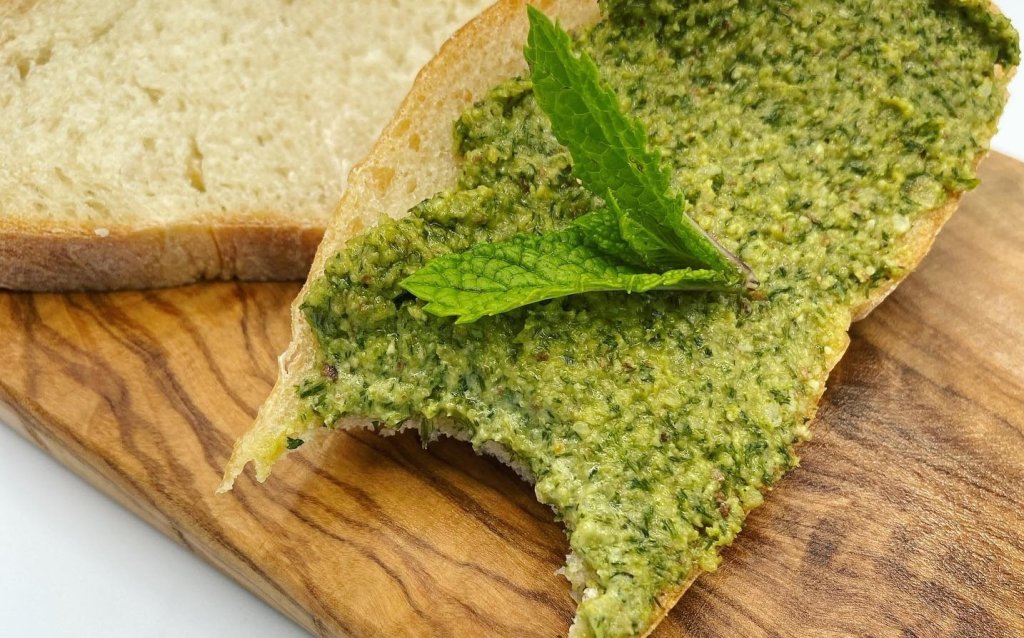
Toast some slices of bread. Spread the mixture onto the still-warm slices. Top with a few pieces of chopped fresh dill, and it’s ready to serve.
How to serve Lou Saussoun?
Lou Saussoun is served as an appetizer, spread on slices of toasted bread. This is its most classic and convivial form. You can also serve it as a dip with raw vegetables—fennel stalks, carrot sticks, or zucchini sticks.
It pairs very well with fish: simply add a generous spoonful of saussoun to the cooking broth. Some also serve it with roast lamb, as an alternative to a more traditional sauce. At the table, it makes a great substitute for butter on a slice of fresh bread.
Variations of Lou Saussoun
The classic recipe made with fennel, anchovies, and almonds remains the standard. But there are variations: some replace the anchovies with anchovy paste, others add goat cheese to mellow the mixture. Saussoun is sometimes similar to anchoïade or tapenade, but its flavor profile remains unique thanks to the fennel and mint.
What is the origin of Lou Saussoun?
Saussoun is a Provençal specialty typical of the Var region, one of the oldest in Provençal cuisine. It was once called the ”poor man’s sauce" . Winegrowers and olive pickers would prepare it in the fields during their morning break, by dipping—“saucer”—bread into a thick soup. That is where the name comes from.
How should Lou Saussoun be stored?
In fact, saussoun keeps very well in the refrigerator, in a sealed jar. Pour a drizzle of olive oil on top to protect the mixture and help preserve it. The flavor remains intact for two to three days. Take it out a little while before serving so the oil can return to its normal consistency at room temperature.
Find all our Provençal recipes:


not to mention our famous Provençal desserts: