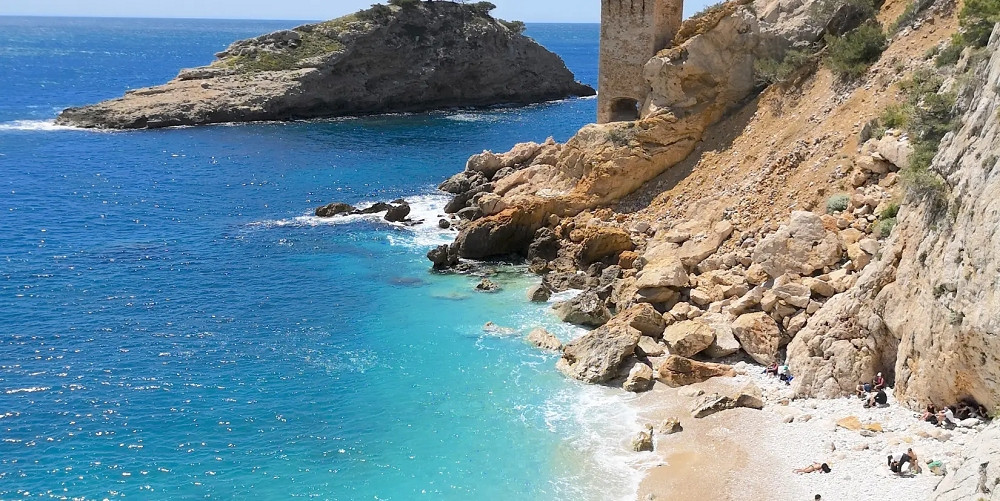

Between Marseille and Cassis, the Calanques form one of the most spectacular landscapes along the Mediterranean coast. Steep limestone cliffs, turquoise waters, and secluded coves accessible by foot or boat: the Calanques National Park packs all of this into less than 20 kilometers of coastline.

This site, unique in the world, attracts around 2 million visitors a year, both on land and at sea. From the Calanque de Sormiou to the Calanque de Morgiou, from the port of Cassis to the Marseilleveyre massif, every corner of the park holds a discovery.
On the Marseille side, the Calanques of Sugiton, Morgiou, and Sormiou are the best known. On the Cassis side, Port-Miou, Port-Pin, and En-Vau draw visitors seeking limestone cliffs and turquoise waters. Between the two, the Calanques massif features dozens of wild sites, marked hiking trails, deserted beaches, and breathtaking panoramas. The Riou archipelago, Cap Croisette, Mont Puget, and the summit of Marseilleveyre round out this exceptional region.
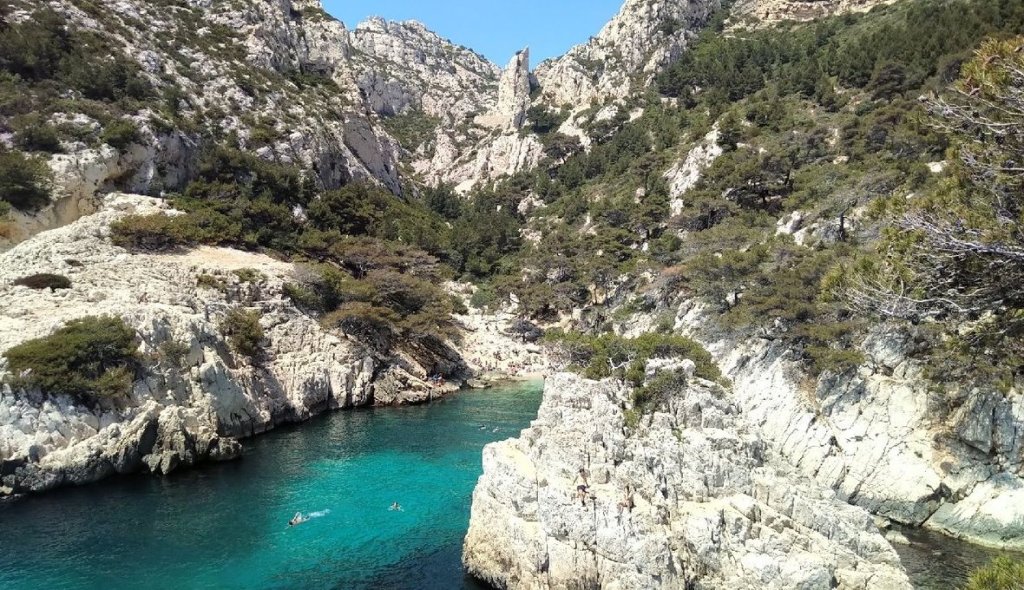
The Calanques National Park is also one of the most strictly regulated natural areas in France. Vehicle access to Sormiou, Morgiou, and Callelongue is subject to seasonal restrictions, from the first weekend in April through the All Saints’ Day holidays. Access regulations change each year depending on fire risks. Before any hike or boat trip, it is essential to check the national park’s official website. The park’s official app, “Mes Calanques,” lets you plan your route, check opening hours, and choose a trail based on your skill level.
Whether you’re setting out on foot from Marseille or by boat from the port of Cassis, this guide helps you identify the most beautiful calanques based on your preferences. Easy hikes or challenging trails, access by car or public transit, family outings or group adventures: every visitor will find their starting point. Simply plan your excursion well to fully enjoy this protected natural heritage site, without any unpleasant surprises.
Discover the most beautiful calanques between Cassis and Marseille
The Calanque d’En-Vau: the most spectacular
If there’s one calanque you absolutely must see in the massif, it’s this one. The Calanque d’En-Vau is the most spectacular, with its towering white-gray limestone cliffs plunging into waters that shift between violet and turquoise. No huts, no roads, no infrastructure: just nature in its rawest state. At the bottom of the canyon, a narrow pebble beach awaits you, nestled between dizzying walls. One feature sets it apart from all the others: the beach gradually falls into shadow by early afternoon in summer, as the high cliffs block the sun. Arrive in the morning to enjoy the light at its best.
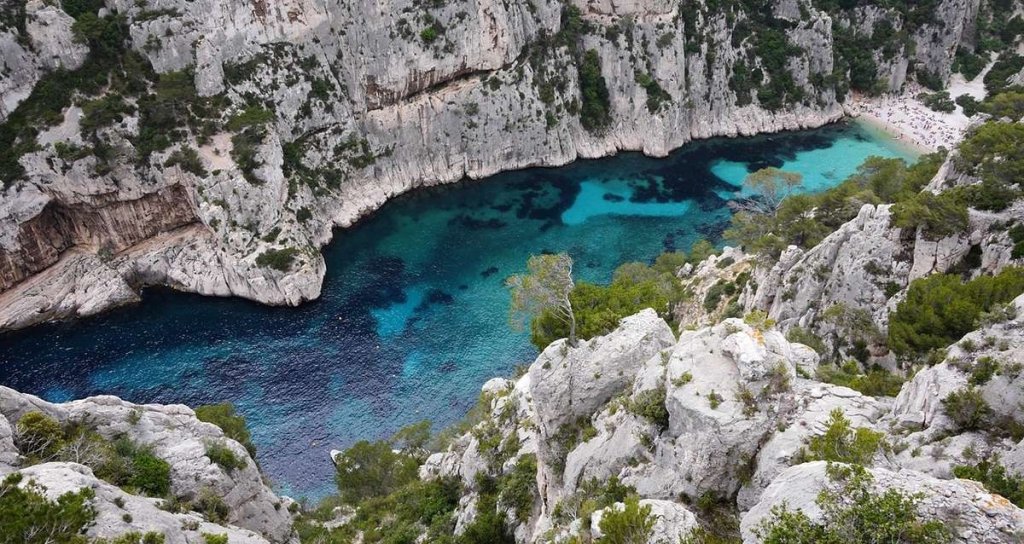
Access to En-Vau must be earned. From Cassis, the route via Port-Pin is rated difficult: 7.8 km, a 3-hour hike, with a 360-meter elevation gain. The final descent to the beach is steep, and the smooth rocks can be tricky. But when you finally set foot on the pebbles and look up at the immense cliffs framing a strip of blue sky, the reward is complete. Perched 170 meters above sea level, the En-Vau viewpoint offers a bird’s-eye view down the fault line, with Cap Canaille in the distance closing off the Bay of Cassis. A breathtaking panorama that few sites in France can rival.
The Calanque of Sormiou: Marseille’s Most Iconic
Sormiou is the calanque that comes to mind when people think of Marseille. Wide, luminous, with turquoise waters that contrast sharply against the white limestone cliffs, it embodies everything that makes the massif so charming. It is home to a small fishing port, huts clinging to the rocks, and two seaside restaurants—an atmosphere of the end of the world just twenty minutes from downtown. It is also the only calanque in the national park to offer a supervised swimming area in the summer, making it easily accessible for families.
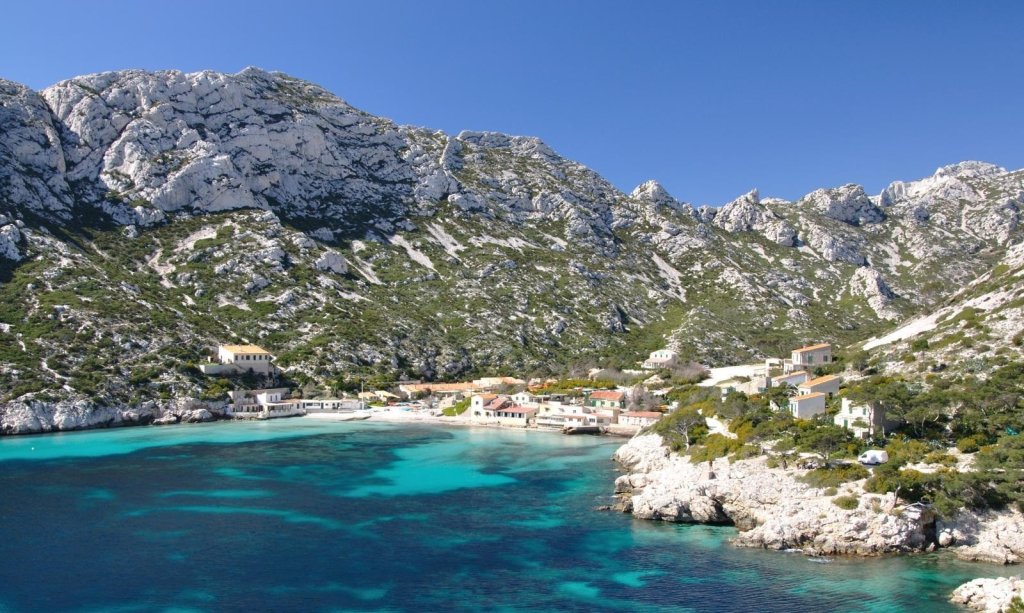
At the far end of the calanque, a trail leads toward Cap Sormiou, passing over two small coves to Cap Redon. From there, the view of the string of calanques stretching eastward is breathtaking. Not far away, beneath the cliffs between Sormiou and Morgiou, lies the Cosquer Cave: an underwater cave featuring 28,000-year-old cave paintings, discovered by diver Henri Cosquer. Vehicle access is subject to a seasonal ban, from the first weekend in April through the All Saints’ Day holidays. From Marseille, take bus #23 from Place Castellane to get close, then allow about 1.5 hours on foot from the DFCI barrier.
Morgiou Cove: the most secluded
Tucked away between Sormiou and Sugiton, Morgiou Cove is the one the locals tend to keep to themselves. Narrow, deep, and secluded, it’s accessible on foot in an hour from the Luminy massif. By car, you reach it via a dizzying pass, worthy of a true mountain pass. Down below, there’s a fishing port still in operation, about thirty fishermen who live there year-round, a boules court, and a restaurant serving fresh fish right by the water. The atmosphere is unique among the calanques: a village suspended between sea and cliff, timeless.
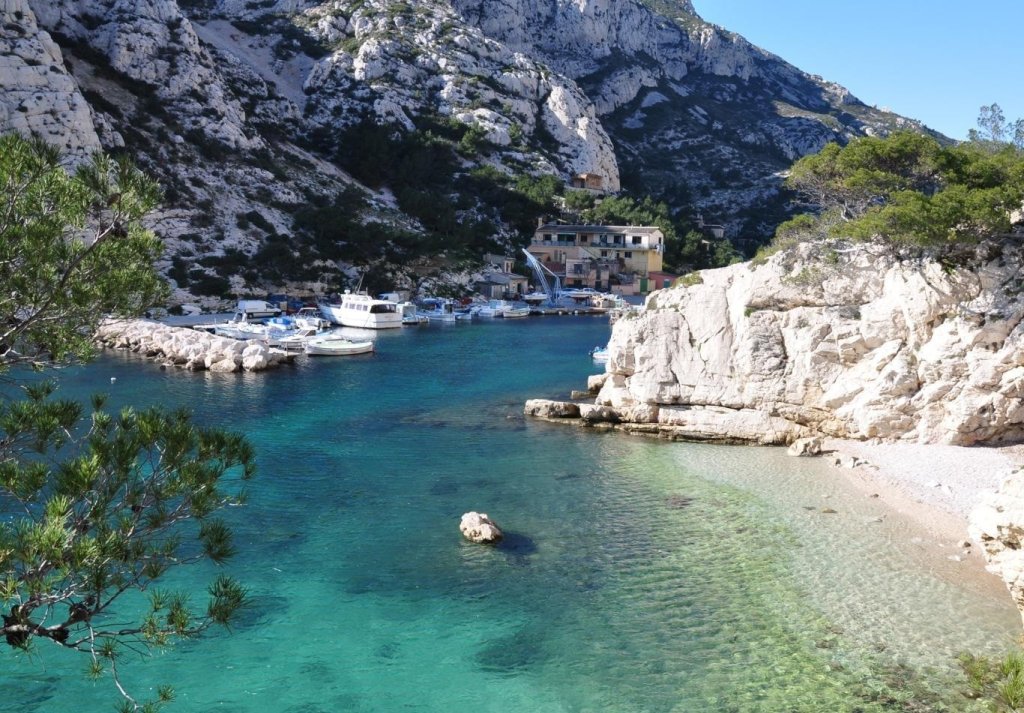
At the tip of Cap Morgiou, from the trail that runs along the ridge, a magnificent panorama opens up onto the string of calanques, the Devenson, and in the distance the red cliffs of Cap Canaille in Cassis. For divers, the seabed at Morgiou is among the richest in the park. The Blue Grotto, easily accessible by swimming from the calanque, lets in a soft blue light through its entrance, which barely skims the water’s surface. A hidden gem few visitors know about—and one you won’t soon forget.
Sugiton Cove: the most photogenic
Sugiton is the cove featured in those dreamy Instagram photos. Its electric-blue waters, overhanging limestone cliffs, and pine trees clinging to the rocks: the setting is so perfect it seems unreal. It’s located just off the Luminy campus in Marseille and can be reached in a 45-minute walk along a marked trail through the pine forest. The contrast between the vegetation and the sudden opening onto the blue sea below is one of the most striking moments in the massif.
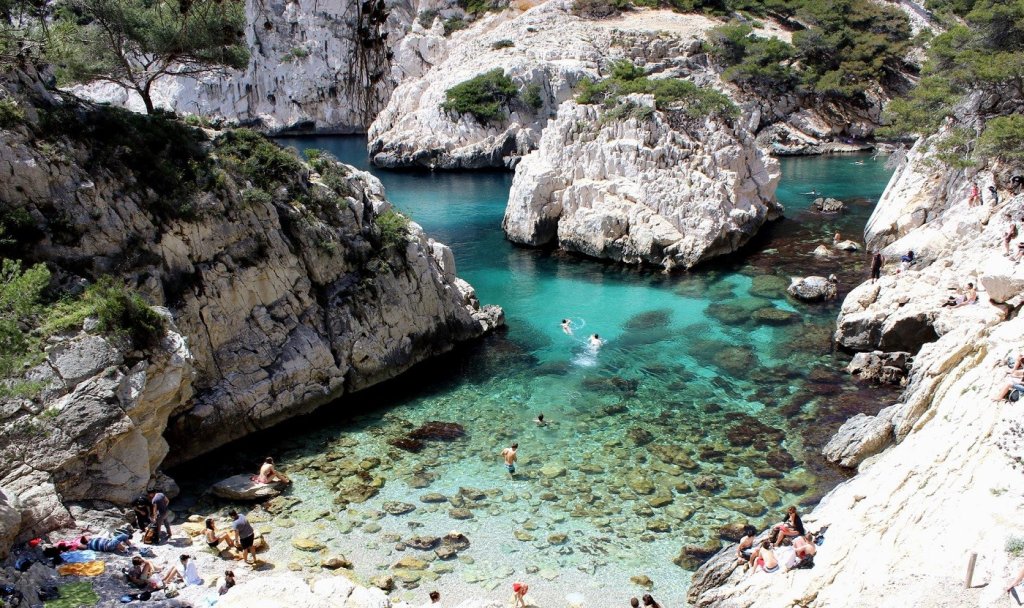
Sugiton Cove is suffering from severe erosion due to overcrowding. To protect the site, the national park limits the number of visitors during peak season: access is then only permitted with a free online reservation, available starting three days in advance. This reservation system is good news for visitors who plan their trip in advance: you’re guaranteed to find the calanque in its most pristine state, without the crowds on busy days. Book early, set out at dawn, and you’ll have Sugiton almost all to yourself.
Port-Pin Calanque: the most accessible from Cassis
Between Port-Miou and En-Vau, Port-Pin Calanque is often the one people pass through without stopping, too eager to reach the next one. That’s a mistake. With its clear waters, sandy and pebble beach surrounded by pine trees, and limestone cliffs in the background, Port-Pin is a complete, bountiful calanque, ideal for swimming in a wild setting. Unlike En-Vau, it can be reached by boat from the port of Cassis, making it a perfect option for those who prefer the sea to hiking.
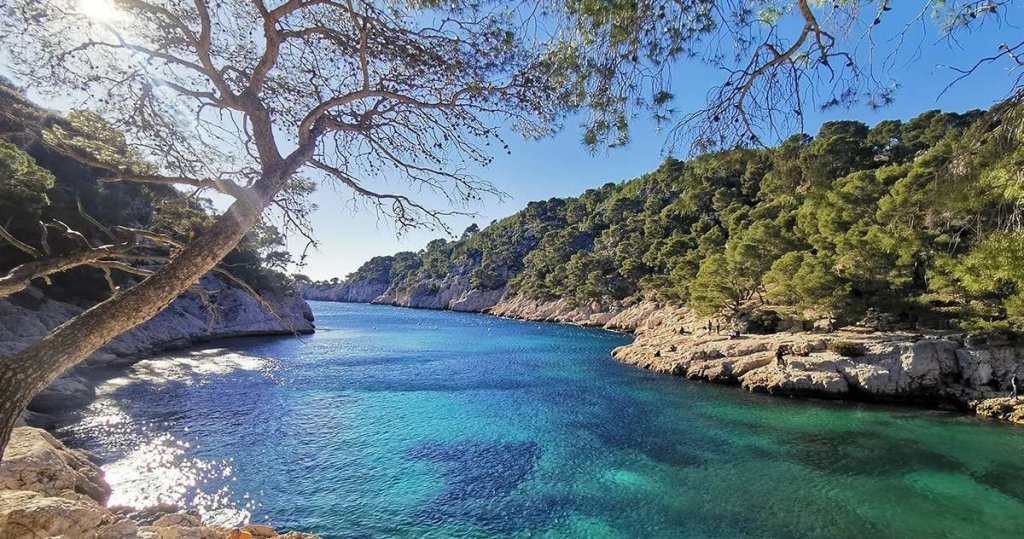
he nearest parking lot is located at the marina of the Port-Miou calanque in Cassis. Port-Pin is about a 40-minute walk from this starting point, along a well-marked trail. The scenic trail between Port-Pin and En-Vau, which runs along the ridges above the sea, is one of the most beautiful hiking sections in the entire massif. A free park-and-ride lot at Les Gorguettes, just outside Cassis, offers a shuttle service to Port-Miou and has 220 spaces available. It’s a convenient starting point for exploring all three of Cassis’s calanques in a single day.
Your questions about visiting the Calanques
Since we published this article, we’ve received several questions from you. Here are our answers to your most frequently asked questions.