
Mérindol

Last update on Jan 28, 2026

18km South East of Cavaillon via the D973.

Discover the charming village of Mérindol overlooking the Durance

Mérindol is a pretty village located in the Luberon on the southern border of Vaucluse and Bouches-du-Rhône.

Mérindol.

From its height of 200 meters, the village overlooks the vast plain of the Durance River and the rolling hills that border its southern edge. The narrow streets of the old village, the Church of Sainte-Anne, and the ruins of the castle tell a story steeped in history.

A history marked by the massacre of the Waldensians in the 16th century

Mérindol remains today the village that symbolizes the repression of the Waldensians. Completely destroyed in 1545, the villagers miraculously escaped the massacre by taking refuge in the mountains.

Le village de Mérindol.

Over the centuries, the hilltop village, known as “the town,” was gradually abandoned in favor of a place called “Les Bastides,” below, where the town is located today. All that remains of the old castrum are two sections of wall, poor witnesses watching over the Waldensian memorial.

A charming village

As you approach, you will see a few recent villas on the outskirts of the village. From a distance, you will see the bell tower of the Romanesque church. The village center is quite small, so you can't miss the large café terrace facing a small, pleasantly shaded square.

Mérindol dans le Vaucluse.

Many buildings in the village bear witness to centuries past. It is not uncommon to find 17th- and 18th-century chronograms on the facades and beautiful bastides.

Ruelle à Mérindol dans le Luberon.

The Church of Sainte Anne

As you wander through the narrow streets and crossroads, you will discover the 18th-century Church of Sainte Anne, which has a “Saracen bulb” bell tower that is unique in the region, earning it a place on the supplementary list of historic monuments.

Eglise de Mérindol.

A prosperous agricultural plain

The plain has long been the economic heart of Mérindol. Watered by the Durance River, it produces an abundance of white and red fruits, famous melons, and vegetables throughout the four seasons, which can be found at the famous markets in Cavaillon.

Hiking in the scrubland

We recommend the “Entre garrigue et Durance” trail, which starts from the Garrigue car park (see our map). You begin by winding your way through the scrubland with its divine scents of thyme and rosemary before arriving at a cliff overlooking the Durance with a superb view of the river.
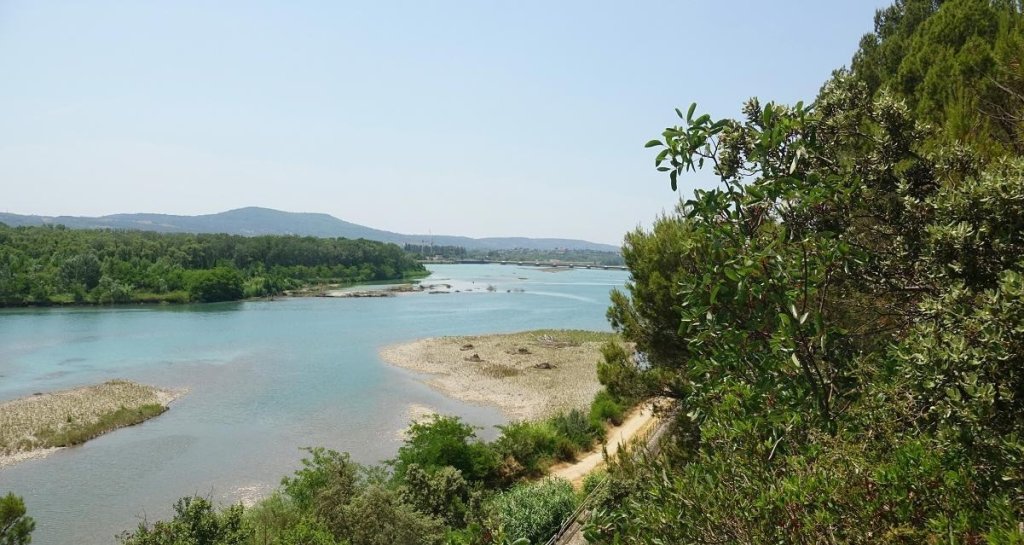
La Durance à Mérindol.

Numerous informative signs explain the exceptional natural environment of the garrigue and the importance of the Durance River in the region.

What to see

The ruins of the former castrum with the Waldensian Memorial.
The church of Sainte Anne with its Saracen dome bell tower.
The olive oil mill.

Leisure activities

Walking, bicycle touring and mountain-biking.
Tennis, fishing, botanical trail, climbing.

Holiday rentals

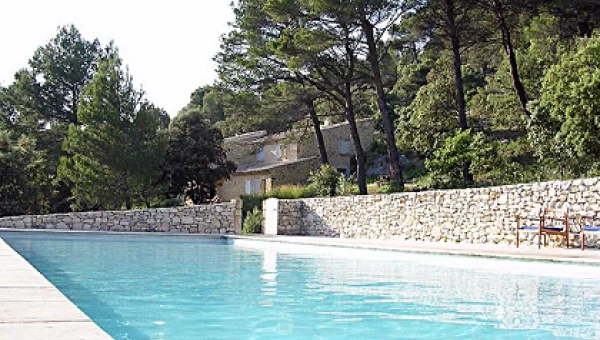
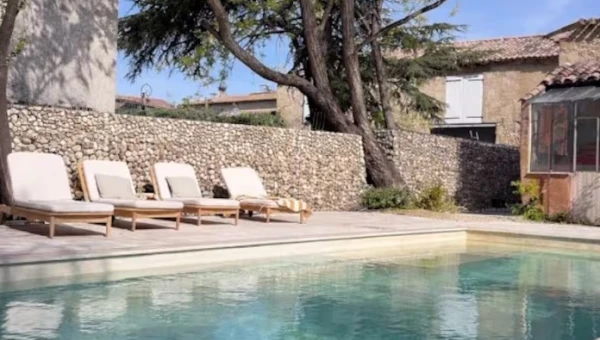
Le Pardigaou
Mérindol (Luberon) | Cavaillon : 18 km

XVII° cent. stone built 300 m² house up to 9 pers
Tastefuly renovated - 5 ha estate in the Luberon park
Swimming pool - Pool house - Quiet

1500€ - 4800€

Accomodations

Vacation rentals.
Bed and breakfast.
Hotels.

Your questions about Mérindol

You have asked us several questions about this pretty village in the Luberon. Here are our answers to your most frequently asked questions.

What activities are available in Mérindol?

The village of Mérindol offers several organized activities throughout the year. You can attend shows, festivals, and concerts in this authentic Provençal village. Nature offers beautiful hiking opportunities in the Luberon massif. You can visit the Vaudois memorial and discover the unique history of this town. The ornithological observatory allows you to observe the birds of the Durance. Bike rides crisscross the plain between orchards and scrubland. The “Entre garrigue et Durance” trail is accessible to all. You can also explore the historic trails in the footsteps of the Waldensians.

How to visit Mérindol?

Pick up a map and guidebook at the tourist office to plan your visit. The village of Mérindol can be explored on foot through its narrow streets. Several hiking trails start from the center. To explore the old castle, you will need to take a short walk to the ruins. This historic monument overlooks the Durance plain. The Waldensian memorial can be reached via the Vieux-Mérindol sheep track. Information panels line the route. You can also plan a visit to La Muse, the Waldensian heritage center, which is open on Saturdays.

What is the history of Mérindol?

The history of Mérindol remains marked by the tragedy of the Vaudois of Mérindol in the 16th century. The old hilltop village was destroyed in 1545 on the orders of François I. The inhabitants who were massacred belonged to this reformed religious movement. The Waldensian memorial inaugurated on the ruins of the old castle honors their memory. This rich heritage tells the story of the Waldensians in Provence. The medieval castrum dominated the valley from the 12th century onwards. The current village was rebuilt in the 18th century on the plain. The Sainte-Anne church dates from this period of rebirth. The Muse preserves documents and testimonies about this tragic history, unique in France.

Where is Mérindol located?

Mérindol is a French commune located in the department of Vaucluse. The village of Luberon is located south of the massif, facing the Durance plain. It is easily accessible from Cavaillon (84300), about ten kilometers away. The map shows that Mérindol is located between Pertuis and Lauris. The postal address has the code 84360. The commune is part of the Luberon Regional Nature Park. It stretches between the limestone massif to the north and the Durance to the south. Its geographical position offers views of the Alpilles and the valley.

What is the climate like in Mérindol?

Mérindol enjoys a Mediterranean climate with hot, dry summers. The weather remains pleasant for most of the year. Temperatures regularly rise above 30°C in summer. The average annual rainfall is around 600 millimeters. The ideal season to visit is from spring to fall. Spring offers green landscapes and flowers in the scrubland. Summer is perfect for morning hikes before the heat of the day. Winter remains mild with temperatures rarely dropping below freezing. Fall charms visitors with its golden light over the Durance valley.

What monuments are there in Mérindol?

The old castle ruins are Mérindol's main historical monument. This medieval castrum dominates the plain from its rocky promontory. The Vaudois memorial occupies this site steeped in history. The Sainte-Anne church dates from the 18th century in the current village. Its simple architecture reflects the Provençal heritage after reconstruction. The ruins of the old medieval village can be visited via a specially laid out path. The ornithological observatory, although modern, blends in with the remarkable natural heritage. La Muse, the Vaudois cultural center, is housed in a restored building. These monuments tell the unique story of this village steeped in the history of the Luberon.

What are the specialties of Mérindol?

Olive oil is the flagship product of this Provençal village. Olive groves cover part of the plain. You can find this oil at the local market and from producers. The cuisine is based on Mediterranean terroir and local agriculture. The fruits and vegetables of the Durance benefit from an ideal climate. Provençal tradition is reflected in recipes passed down from generation to generation. Producers also offer garrigue honey with hints of thyme and lavender. The nearby wine region offers high-quality Côtes du Luberon wines. These specialties reflect the authenticity of a preserved Provençal village.
Mérindol.
Le village de Mérindol.
Mérindol dans le Vaucluse.
Ruelle à Mérindol dans le Luberon.
Eglise de Mérindol.
La Durance à Mérindol.

NEIGHBOURING TOWNS AND VILLAGES

Puget sur Durance (5 km), Lauris (9 km) et Lourmarin (14 km).