
So you're seriously thinking about buying property in Provence or on the French Riviera. Good. You're not alone — Americans and British expats have been landing here for decades, drawn by the countryside, the wine, the light, and yes, the idea of a stone mas with a swimming pool and a view over the Luberon. But dreaming and buying are two very different things.
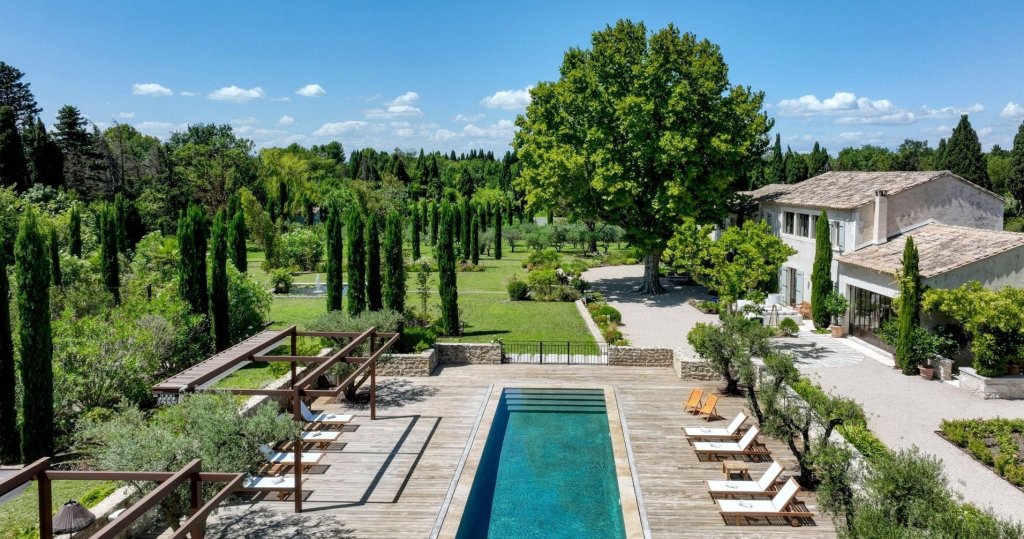
The real estate process in France is structured, legal-heavy, and moves at its own pace. It involves a French notary, a preliminary sales agreement, mandatory property diagnostics, and closing fees that can add 7 to 8% on top of your purchase price. There are no restrictions on foreign buyers — an American can purchase a house in Provence under the same conditions as a French citizen. That's the good news.
Property prices in the region range from around $176,000 for a village house to several million for luxury estates. The Vaucluse — think Gordes, Roussillon, L'Isle-sur-la-Sorgue — runs roughly 20 to 30% cheaper than the French Riviera. In L'Isle-sur-la-Sorgue, the average price sits around $4,105 per sqm. Cannes and Nice are a different story altogether.
This expat guide walks you through every step of buying property in Provence: setting your budget, choosing your location, working with a local real estate agent, navigating the legal process, and avoiding the mistakes that catch most first-time international buyers off guard. Read on — there's a lot to cover.
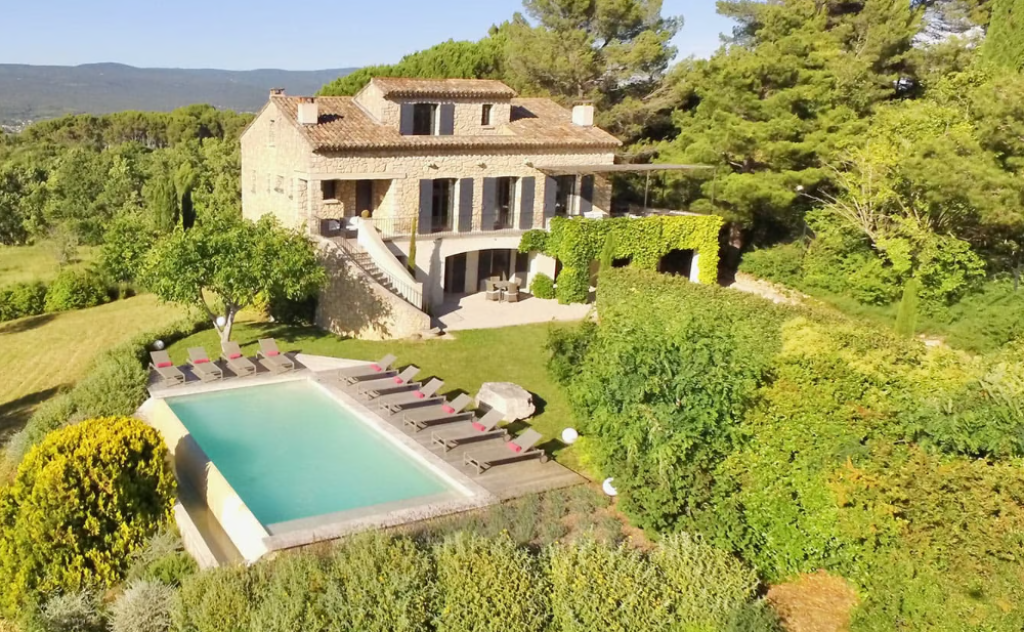
How to buy property in Provence: your step-by-step expert guide
Buying property in Provence as an American or British expat is entirely doable. The legal process is secure, well-structured, and transparent. But it moves differently from what you're used to back home. Follow these steps and you'll avoid the most common — and most costly — mistakes.
Step 1: Set your total budget before you search
Don't start browsing listings until you've nailed your numbers. The purchase price is just the beginning.
For an existing property, you need to add between 7% and 10% on top of the sale price to cover closing costs — taxes, legal fees, and administrative charges collected by the French notary. These costs cannot be financed; you pay them in cash at signing. On a $500,000 property, that's up to $50,000 extra out of pocket before you even move in.
Also factor in agency fees if applicable (sometimes included in the listed price, sometimes not — always check), home insurance, property tax (taxe foncière), and ongoing maintenance. A swimming pool, a garden, a stone mas — all of it costs money to run year-round. Build a realistic living budget from day one.
Step 2: Understand the financing requirements as a foreign buyer
This is where things get real for American buyers in particular. For US and other non-EU nationals, the maximum loan-to-value ratio is typically 50%, meaning you need to put down at least 50% of the purchase price. That's very different from what you'd expect stateside.
As of late 2025, mortgage rates in France range from approximately 3.50% to 4.00% for 25-year loans — significantly lower than current US rates. That makes French financing attractive if you qualify. French banks require your total monthly debt payments not to exceed 33–35% of your gross monthly income.
Self-employed buyers and freelancers typically need at least 3 years of business statements and tax returns to prove stable income. All documents in English must be translated by a certified translator — not Google Translate. Working with a mortgage broker who specializes in non-resident buyers is strongly recommended. They have direct relationships with the lenders most likely to say yes to your profile. The currency exchange process is another key step: consult a currency exchange specialist early to lock in a favorable rate and avoid losing thousands of dollars to market fluctuations between the offer and closing dates.
Step 3: Choose your location carefully
Provence is not one market — it's a dozen micro-markets with very different price levels, buyer profiles, and lifestyle trade-offs. Getting this wrong is expensive.
The Luberon (Vaucluse department) attracts buyers looking for a peaceful countryside feel: stone farmhouses, hilltop villages, vineyards, views. Gordes, Roussillon, and the area around L'Isle-sur-la-Sorgue are among the most sought-after locations. Properties in Vaucluse typically run 20–30% cheaper than on the Riviera, with average prices around $4,105 per sqm in L'Isle-sur-la-Sorgue.
The Var department (Saint-Rémy de Provence area, the Alpilles) tends to attract buyers who want proximity to Aix-en-Provence and easy access to Marseille airport. Alpes-Maritimes puts you closer to Nice, Monaco, and Cannes — with prices to match. The French Riviera and Côte d'Azur coastline are in a league of their own, particularly for luxury real estate with sea views and private terraces.
Visit each area at different times of year before committing. A village that feels perfect in July can feel very different in January.
Tip : Check our list of the best villages to live as an expat.
Step 4: Start your property search the right way
Once you know your budget, your financing situation, and your target area, it's time to search. Use international property portals to get a feel for listings, but don't stop there.
In Provence, properties are often offered to referenced buyers before being publicly listed — so registering your criteria with a local real estate agent is essential. Tell your agent exactly what you're looking for: property type (villa, mas, townhouse, apartment, contemporary or character), number of bedrooms, land size, swimming pool, garage, view, and your price range. The more specific your criteria, the better.
Work with agents who are registered in France (carte professionnelle) and ideally with experience handling international buyers. In France, the real estate agent typically works for the seller — so if your budget and needs are complex, consider hiring a buyer's agent (chasseur immobilier) who works exclusively for you. We can recommend you the best agents in Provence & the French Riviera for expats.
Step 5: Visit properties and make an offer
Never make an offer on a property you haven't visited in person. Photos are curated. Descriptions are optimistic. The condition of a stone house in the Provençal countryside — roof, plumbing, insulation, electrical — needs to be seen and ideally assessed by an independent expert before you commit.
When you're ready to make an offer, you submit it in writing (by email is acceptable). Price negotiation happens at this stage. Once both parties agree on a price, the process moves quickly. Note that verbal agreements have no legal standing in France — only the signed documents count.
Step 6: Sign the preliminary sales agreement
This is the key legal step that locks in the transaction. The preliminary sales agreement is a binding contract signed by both buyer and seller. It details the property, the agreed price, the conditions of the sale, and a completion deadline.
The buyer pays a deposit of typically 10% of the purchase price at this stage. You then have a 10-day cooling-off period during which you can withdraw without penalty. After those 10 days, withdrawing means losing your deposit — unless the sale falls through due to a specific legal condition (such as a mortgage being refused).
Both parties are legally represented by a French notary — a government-appointed legal officer who authenticates the deed, checks title, verifies there are no outstanding mortgages or planning issues, and collects taxes on behalf of the state. You can use the same notary as the seller, or appoint your own. Using your own notary costs nothing extra: the fees are split between the two.
Step 7: Complete the mandatory property diagnostics
Before the final signing, the seller is legally required to provide a full set of property diagnostic reports. These cover energy performance (DPE), presence of lead, asbestos, termites, natural risk exposure (flooding, fire, earthquakes), and more.
Read these reports carefully. The energy rating in particular matters: energy-efficient properties are commanding premium prices and selling faster than less efficient alternatives. A property rated F or G may require expensive renovation work — and starting in 2025, some poorly rated properties face rental restrictions under French law. Factor remediation costs into your offer price.
Step 8: Secure your financing
If you're using a French mortgage, your loan offer is issued during the period between the preliminary agreement and the final deed. Mortgage approvals typically take 4 to 6 weeks once all documents are submitted. Your sale contract will include a financing condition clause that protects you if your loan is refused.
Once you receive the loan offer, French law imposes a mandatory 11-day reflection period before you can accept it. Plan your timeline accordingly. Missing deadlines in the French process can have real financial consequences.
If you're paying cash, plan your currency exchange strategy early. Even a small swing in the EUR/USD rate can add or subtract tens of thousands of dollars on a significant purchase. Specialist currency services consistently offer better rates than high-street banks — and some allow you to lock in a rate weeks or months in advance.
Step 9: Sign the final deed of sale
The final step takes place at the notary's office, typically 2 to 3 months after the preliminary agreement. Both buyer and seller sign the authentic deed of sale (“acte authentique de vente”) in front of the notary. The full purchase price, plus all closing costs, must be paid at this point — usually by bank transfer. Keys are handed over the same day.
The notary then registers the sale with the land registry. You are officially the owner of record in France.
Step 10: Handle your post-purchase requirements
Owning property in France creates legal and tax obligations even if you're not a full-time resident. You owe annual property tax (taxe foncière). If you rent the property — even short-term — you must declare rental income in France. If your net real estate assets in France exceed €1.3 million, you may be subject to the French wealth tax (IFI).
Consult a French tax advisor before you buy, not after. US citizens also have specific FBAR and FATCA reporting requirements for foreign financial accounts and assets. The legal and financial requirements are manageable — but ignoring them is not an option.
Get help from a professional
All of this can feel overwhelming — and honestly, it is if you try to handle it alone from abroad. The legal process, the financing requirements, the diagnostics, the notary coordination, the currency exchange timing: each step has its own traps for first-time international buyers. The smartest move you can make is to work with a local real estate agent who genuinely understands expat buyers — someone who knows the market, speaks your language, and has already guided dozens of Americans and British buyers through the process from search to keys.
We work with a select network of trusted agents across Provence and the French Riviera, hand-picked for their experience with international buyers. Whether you're searching in the Luberon, around Aix-en-Provence, in the Var, along the French Riviera, or anywhere else in the region, we can connect you with the right professional for your specific search. The introduction is completely free, just fill this form :
We connect you with hand-picked Provence real estate agents who work exclusively with international buyers — fluent in English, familiar with the legal and financial specificities of buying in France as a foreigner. Tell us about your project — we'll match you for free with the one best suited to make it happen.
✦ Free introduction & call — no commitmentThank you — we've received your request.
We'll review your project and introduce you to the right specialist within 48 hours.
Your questions about property buying in the region
You've sent us several questions about property buying in Provence and the Riviera. Here are our answers :