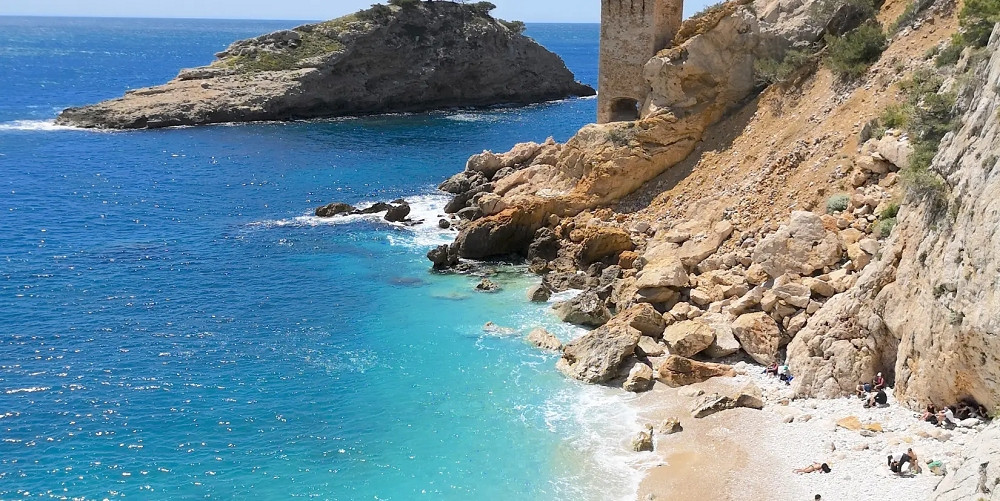

So you're thinking about moving to Provence or the French Riviera. Smart move. This region of southern France has been pulling in expats for decades — and the villages here are nothing like what you've seen on Pinterest. The light is different. The pace is different. And the lifestyle? Completely its own thing.
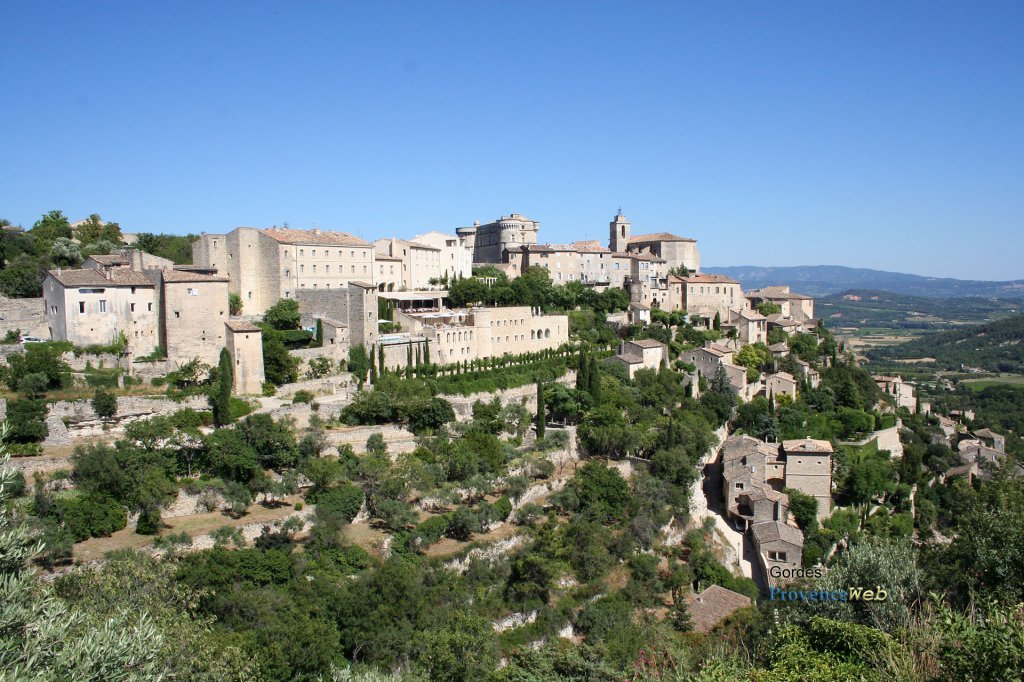
But Provence isn't one place. It's a patchwork of hilltop towns, quiet valleys, and busy market days, each with its own personality. Gordes feels nothing like Arles. Lourmarin is a world away from Moustiers-Sainte-Marie. The Luberon region alone could keep you exploring for months. Choosing where to put down roots — or even just where to base yourself for an extended stay — is the decision that shapes your entire experience of living in Provence as an expat.
This expat guide cuts through the noise. No generic lists of the prettiest villages in Provence. Instead, real talk about what it's actually like: the lifestyle, real estate realities, market day rhythms, the minute drive to Aix-en-Provence when you need a city fix, or the afternoon spent sitting at a stone café terrace watching local life go by.
Whether you're drawn to the lavender fields of the Luberon valley, the ochre cliffs near Roussillon, the Roman ruins around Arles, or the charming narrow streets of Bonnieux and Goult, you'll find your answer here. Renting a car is a must — and we highly recommend it. The best villages in Provence don't come to you. You drive to them, and you never want to leave.
How to pick the right Provence village for you
To help you decide where to live, here's what we looked at for each village:
Location — how close it sits to a city, an airport, or a train station
Real estate — rental and buying options, and what your budget actually gets you
Daily life — shops, market days, cafes, restaurants, and local services
Expat community — how welcoming the village is to foreigners settling in
Natural beauty — views, countryside, lavender fields, or coastal access
Vibe — busy and touristy in summer, or quiet and authentic year-round
Best villages per region
The Luberon
The Luberon is the heartland of expat life in Provence. It's a natural regional park — UNESCO-listed — with hilltop villages, lavender fields, vineyards, and olive groves. The property buying process here can be complex due to strict regulations, so working with a local agent is essential. A car is non-negotiable.
✅ Year-round shops, cafés, and a renowned Friday market. A flagship village of the Southern Luberon, prized for its art de vivre and Renaissance château. Strong international community. 30 minutes from Aix-en-Provence and its TGV station.
❌ Real estate is expensive and supply is tight. It's the most in-demand village in the area — prices reflect that.
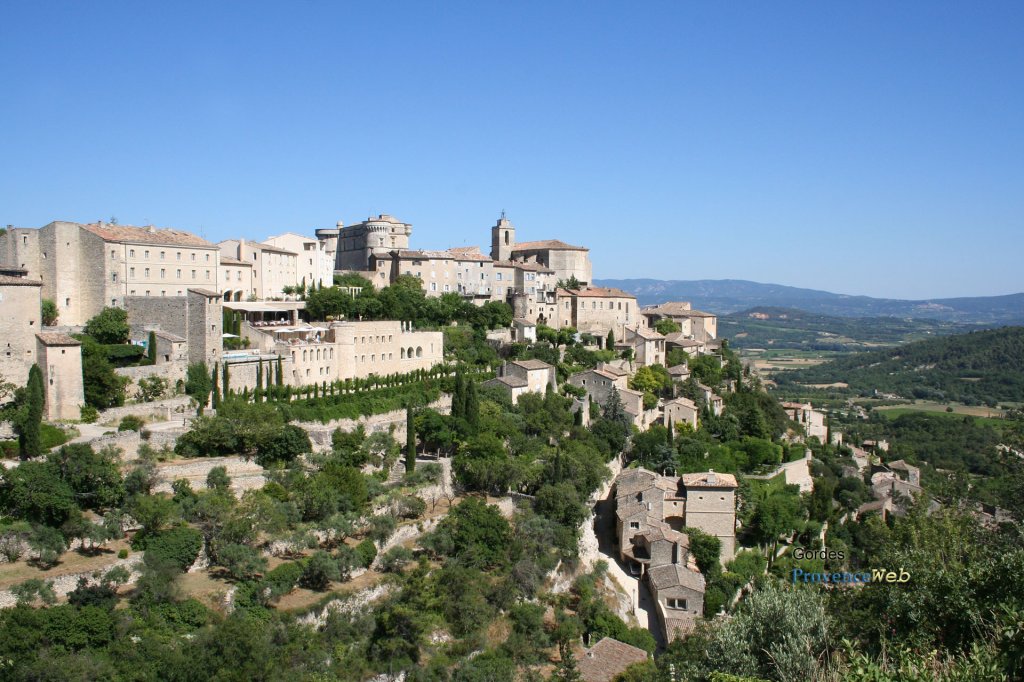
✅ One of the most stunning hilltop villages in all of France. Serious expat and international presence. Spectacular views, excellent restaurants, close to the Luberon's best hikes.
❌ Very touristy in summer. Village houses in the Petit Luberon around Gordes cost on average from €800,000 to €1.5 million. Not for tight budgets.
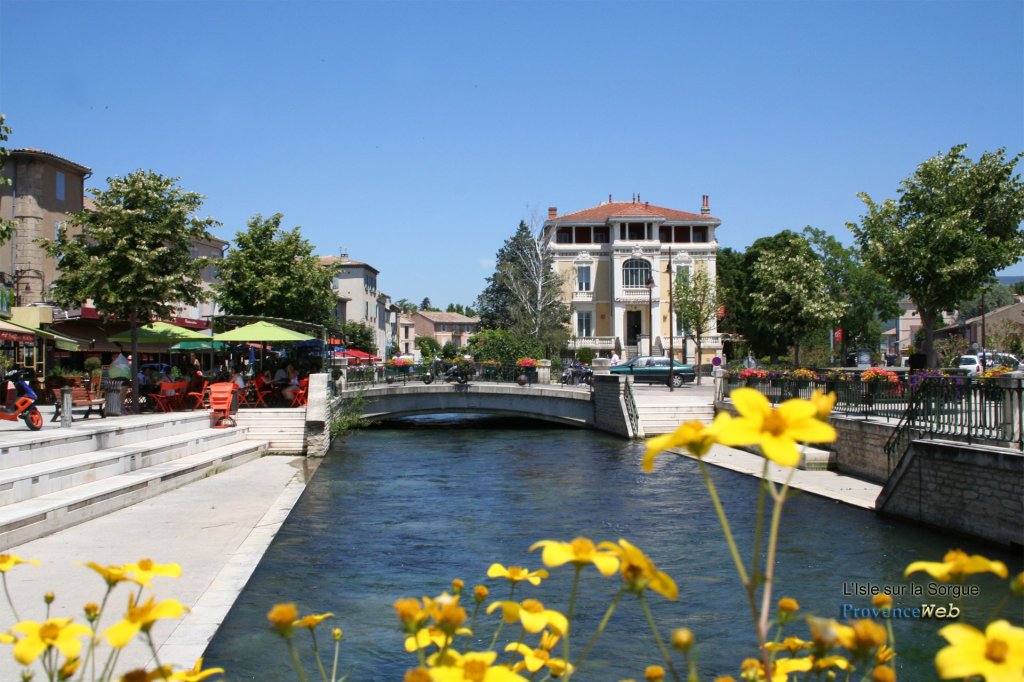
✅ The most livable town in the area. Real services, real shops, real life year-round. World-famous antiques market draws an international crowd every weekend. Good transport links.
❌ It's a town, not a village — you lose some of that intimate Provençal feel. Can feel busy on market weekends.
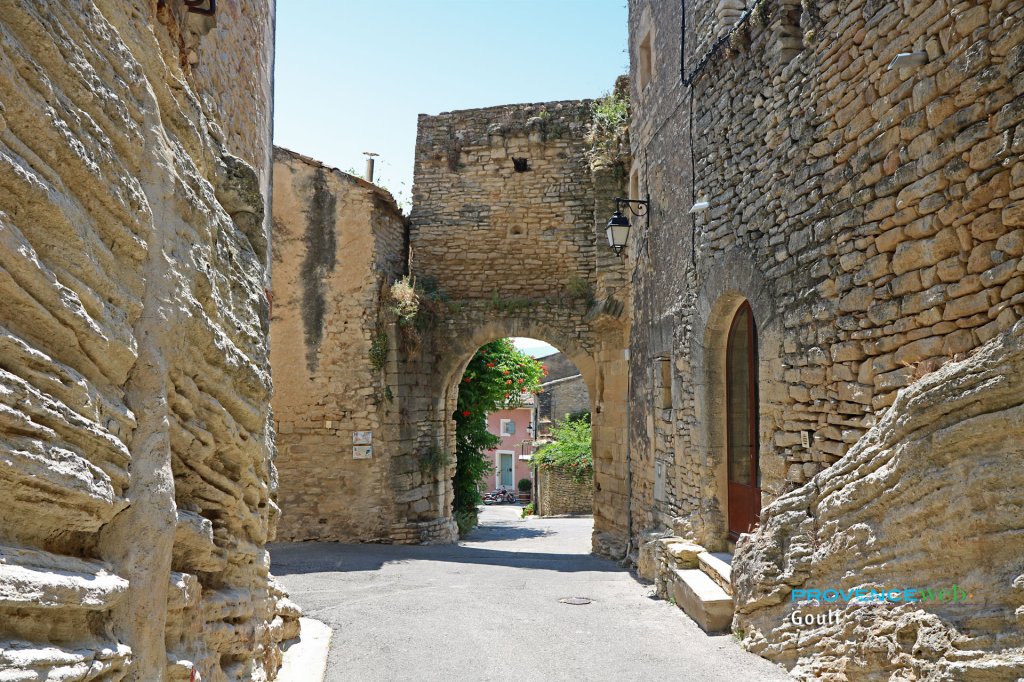
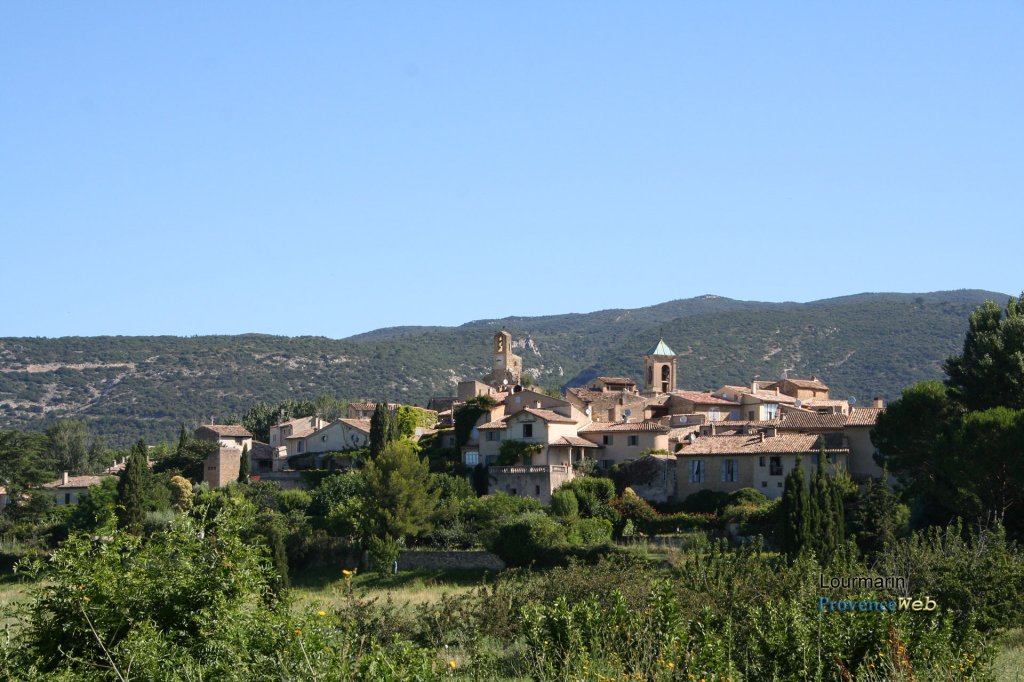
✅ Quiet, authentic, and ideally situated between Gordes and Roussillon. Has a strong British expat community. Far less touristy than its neighbors.
❌ Very small. Limited daily services — you'll drive to L'Isle-sur-la-Sorgue or Apt for most errands.
The French Riviera
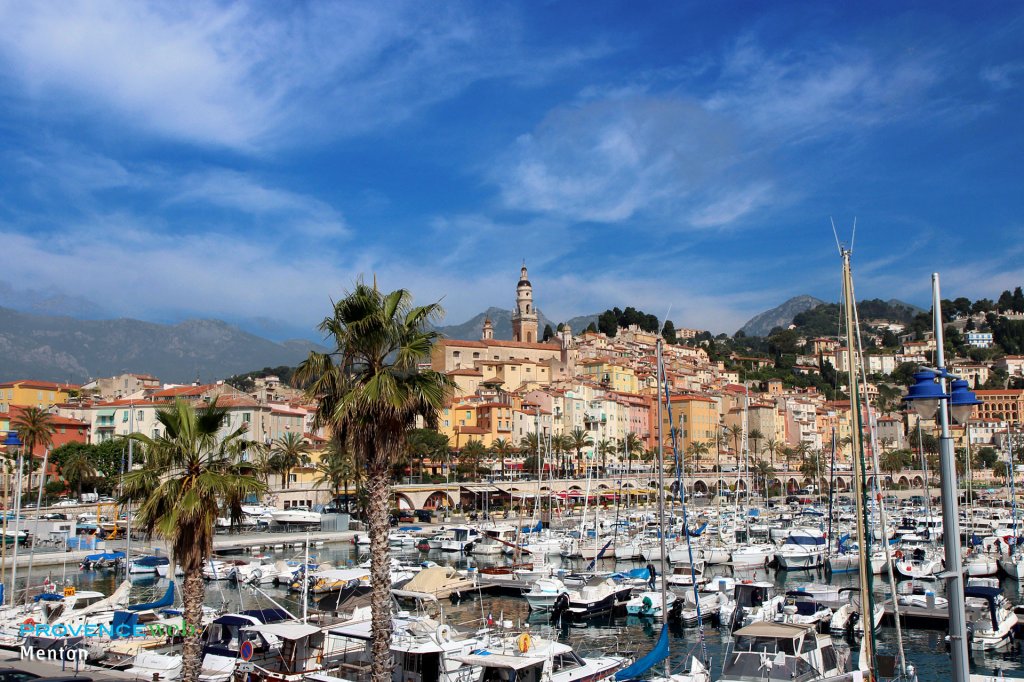
The Riviera means sun 300 days a year, the Mediterranean at your doorstep, and an international infrastructure that makes expat life genuinely easy.
The main business hubs are in Monaco, Nice, Sophia-Antipolis, and Cannes. International schools, English-speaking doctors, and a large expat network are all part of the package. Budget accordingly — this is the most expensive part of the region.
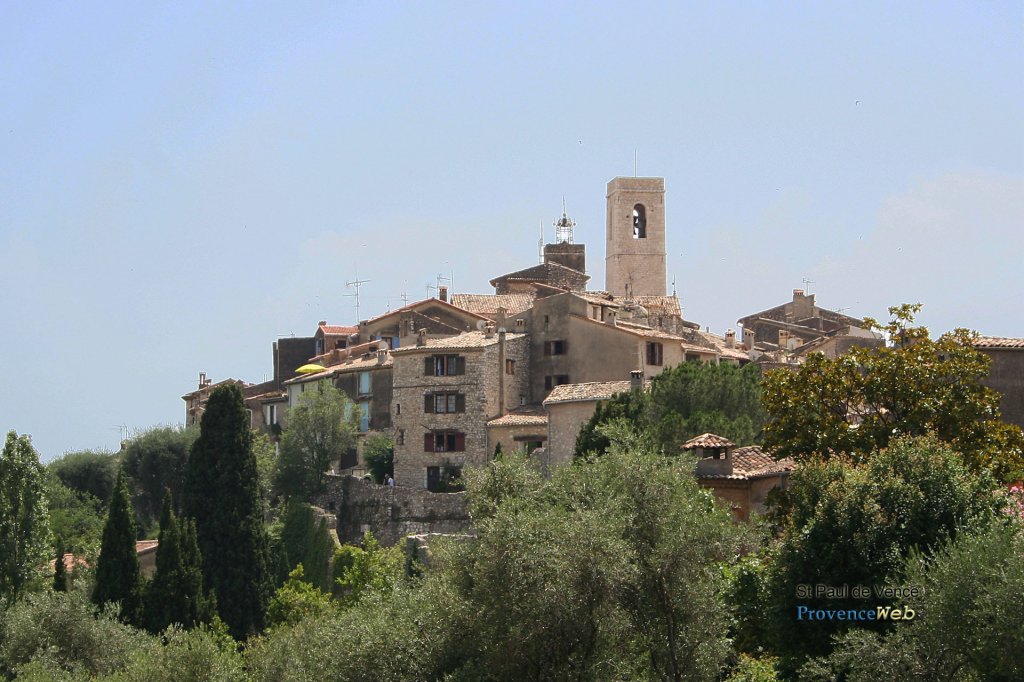
✅ Perched on the hills between sea and countryside, it has attracted artists, collectors, and international figures for decades. Just minutes from Nice International Airport and the main business hubs of the French Riviera. Exceptional quality of life.
❌ Very touristy in summer. Small village with limited daily services — you'll need to drive to Vence or Cagnes-sur-Mer for basics.
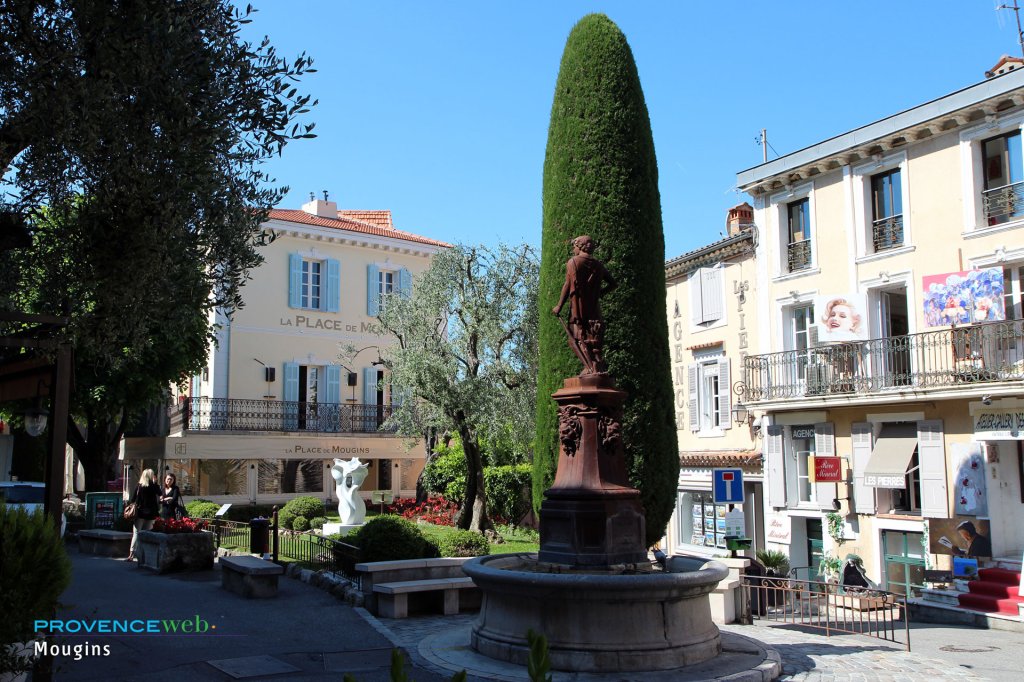
✅ 15 minutes from Cannes, 10 minutes from Grasse, and 20 minutes from Nice international airport. Excellent international school on site. Gourmet food scene, art galleries, golf. Residential and discreet.❌ Pricey. The old village is tiny — most of the action happens in the wider commune, which is very suburban in feel.
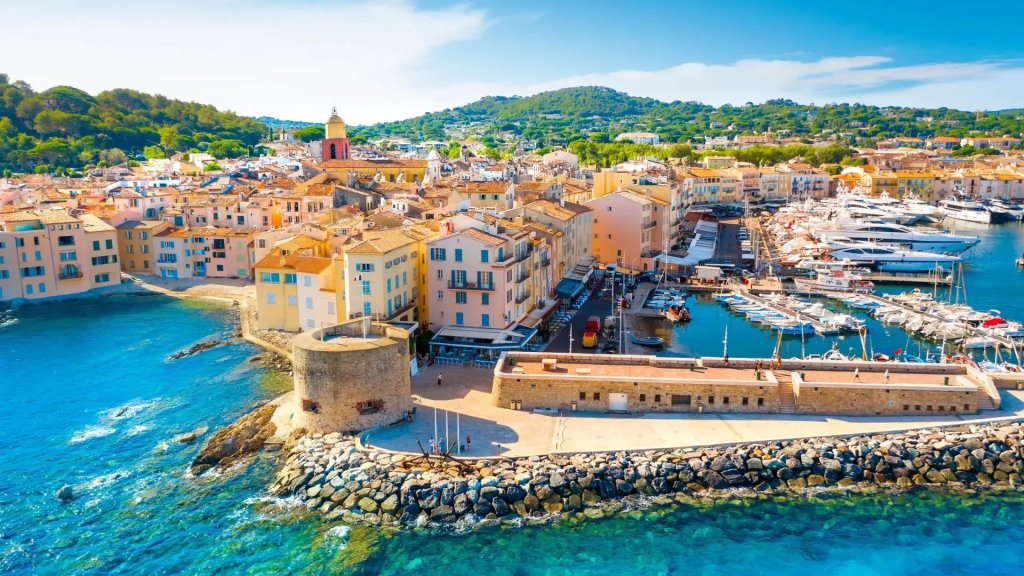
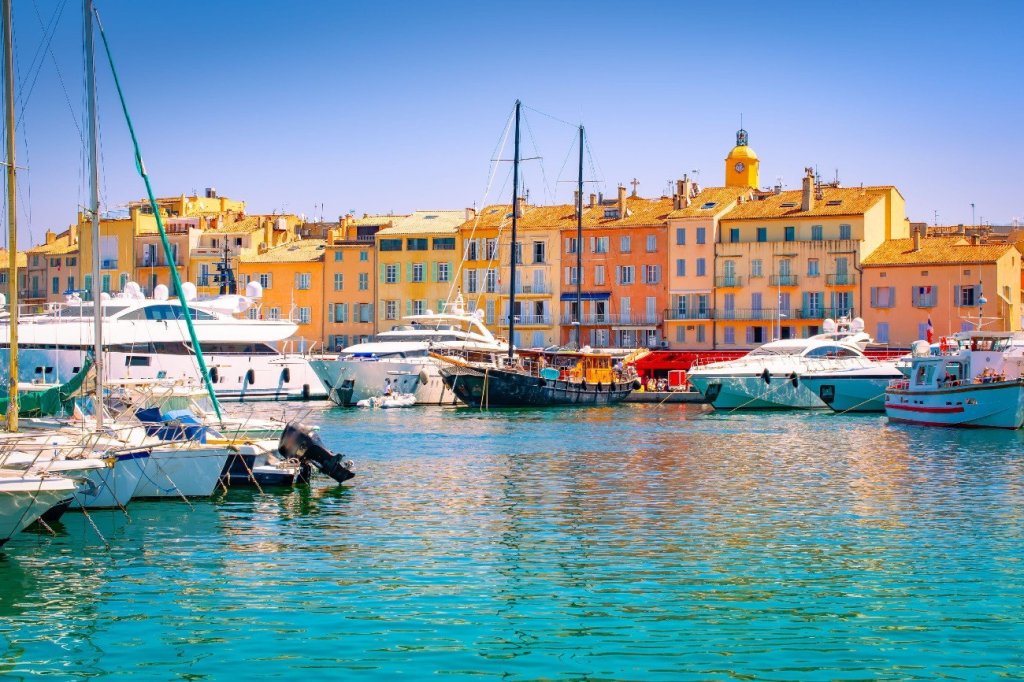
✅ Beautiful beaches, high-end boutiques, gourmet restaurants, and a high standard of living. From October until March, Saint-Tropez is a different place — quieter, more authentic, with a genuine Provençal market and local traditions.
❌ The cost of living is relatively high, especially in terms of housing and dining. It can be very crowded during summer months. No train station — you're dependent on a car or boat.
The Alpilles
The Alpilles is Provence at its most cinematic — limestone ridges, olive groves, Roman ruins, and some of the region's best restaurants. The Avignon TGV station is 25–35 minutes away, with Marseille airport around 1 hour 10 minutes. A strong choice for those who want beauty and accessibility without the Riviera price tag.
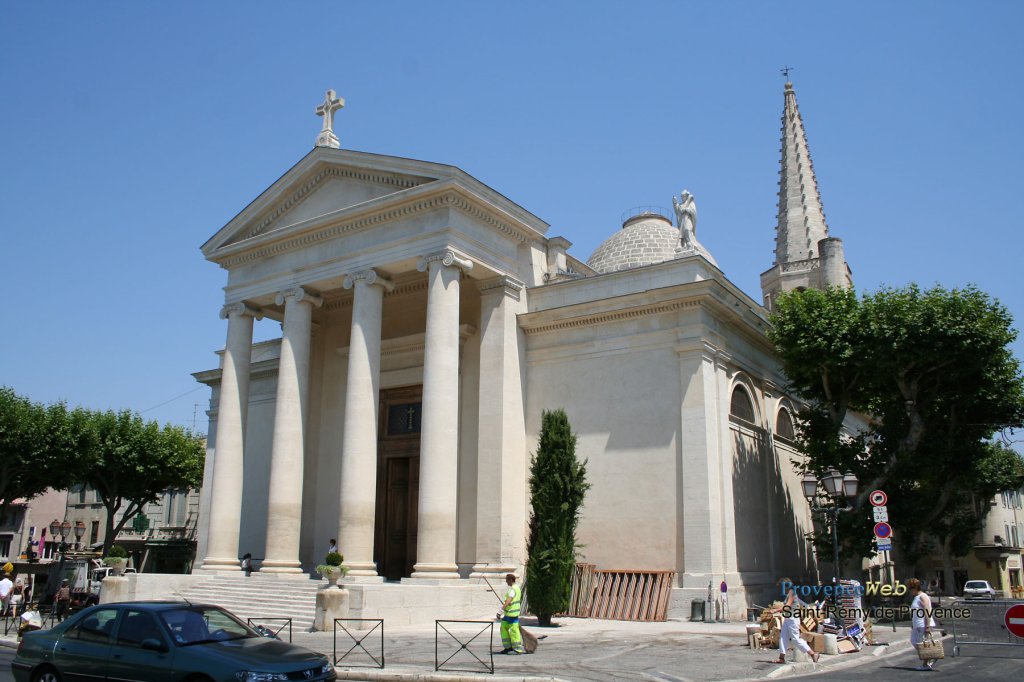
✅ Larger and more animated than many nearby villages, Saint-Rémy offers an exceptional balance of charm and energy. Its historic center is filled with elegant boutiques, galleries, cafés, and more than forty restaurants. Van Gogh country. Full services year-round.
❌ Popular and increasingly pricey. Can feel crowded in peak season.
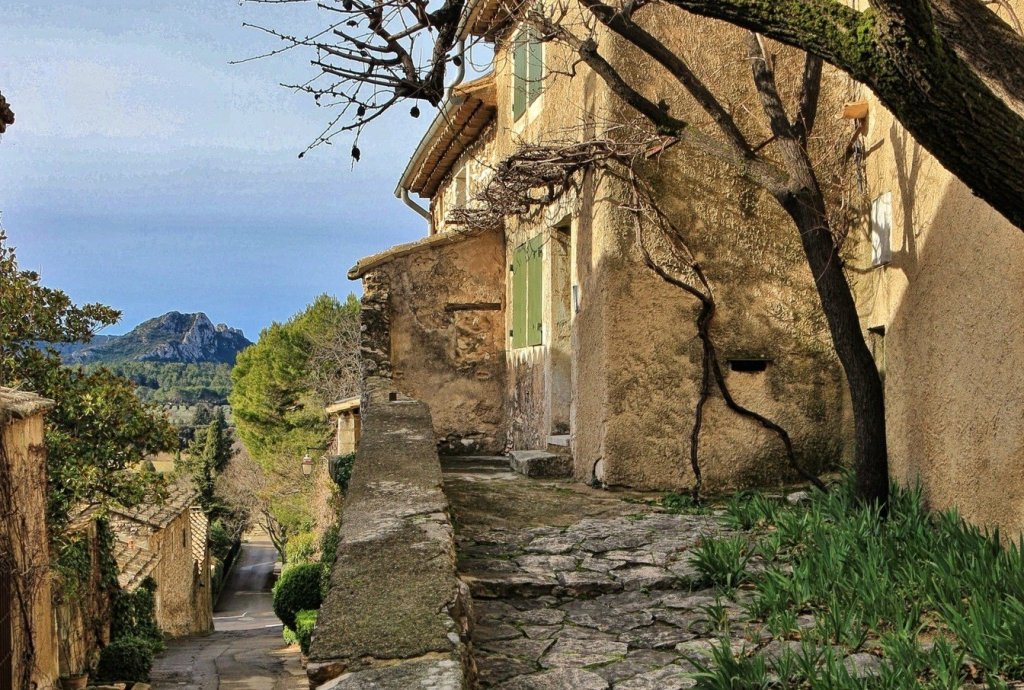
✅ Only a few minutes from Saint-Rémy, yet its rhythm is calmer and more intimate. Among the most exclusive villages in Provence — international clientele, celebrities, families seeking authenticity and discretion.
❌ Very small. The nearest supermarket is 8–15 km away. Real estate is rare and expensive.
Final tips before you commit
Choosing a village is one thing. Making it work long-term is another. Here's what experienced expats consistently recommend:
Rent first, buy later. Spend at least few weeks in winter in your chosen village before purchasing. The vibe in January is nothing like August.
Visit on a weekday, off-season. That's when you see the real place — not the tourist version. And you will see, it’s even better !
Learn some French. Even basic French goes a long way in smaller villages where English is limited.
Factor in the drive. Everything is car-dependent here. Check how far you are from a hospital, a TGV station, and a decent supermarket.
Work with a serious real estate agent. The French property process is complex, especially for non-residents. Paperwork, notaires, compromis de vente — it's not something to navigate alone.
On that last point: finding the right agent makes all the difference. You want someone who knows the local market, speaks your language, and has solid experience working with expats. We can point you toward trusted professionals in each of the areas covered in this guide — just fill this form and we'll connect you with the right contact for your project for free.
We connect you with hand-picked Provence real estate agents who work exclusively with international buyers — fluent in English, familiar with the legal and financial specificities of buying in France as a foreigner. Tell us about your project — we'll match you for free with the one best suited to make it happen.
✦ Free introduction & call — no commitmentThank you — we've received your request.
We'll review your project and introduce you to the right specialist within 48 hours.