The Saint-Trophime Cloister and the Alyscamps
The cloister of the Saint-Trophime Cathedral is a masterpiece of Romanesque and Gothic art, renowned for the delicacy of its sculptures. The Alyscamps, an ancient Roman and medieval necropolis lined with sarcophagi and trees, offer a melancholic atmosphere immortalized in the paintings of Van Gogh and Gauguin.
The Arles Antique Departmental Museum
This modern museum, located on a peninsula on the Rhône, displays an impressive 30-meter-long Roman barge recovered from the river. It also houses a remarkable collection of mosaics and sarcophagi.
The LUMA Tower and the Parc des Ateliers
This cultural complex occupies the former SNCF railway workshops. The twisted tower, clad in stainless steel bricks, captures the Provençal light. The site features exhibitions of contemporary art and photography.
Where to stroll and enjoy nature?
The banks of the Rhône
The landscaped quays allow you to walk along the river. It was here that Van Gogh painted his famous Starry Night over the Rhône.
The Camargue Regional Nature Park
Arles is the largest municipality in France, as it encompasses a large part of the Camargue. South of the city, the landscape shifts to make way for rice paddies, marshes, and ponds where flamingos, bulls, and white horses live.
Where to discover local cuisine and specialties?
The Arles Market
On Saturday mornings, Boulevard des Lices hosts one of the largest markets in Provence. It stretches for several kilometers and offers fresh produce, Arles sausages, cheeses, and local crafts.
Camargue Specialties
In Arles, Camargue cuisine is best experienced through its iconic specialties:
· Gardianne de taureau, beef slow-cooked in red wine and seasoned with aromatic herbs;
· Camargue IGP rice, grown in local rice paddies and available in white, red, or black varieties;
· Tellines, small beach clams prepared in a persillade with garlic and parsley.
These dishes, often paired with wines from the Costières de Nîmes, reflect the region’s culinary identity, blending local terroir, rural traditions, and Mediterranean influences.
Where to have fun and discover culture?
The Photography Festival
Every summer, this international festival transforms the city into a giant gallery. Exhibitions are set up in heritage sites (chapels, old shops, industrial wastelands).
The Van Gogh Space
The former Hôtel-Dieu, where the painter was treated, has been transformed into a media library and exhibition space. The central garden has been recreated exactly as depicted in his painting The Garden of the Hospital in Arles.
How to get to Arles?
· By train: Arles station is served by TGVs (via Avignon or Marseille) and frequent TER trains. It is a 10-minute walk from the historic center.
· By car: Access is via the A54 highway (Nîmes-Salon route).
· By bus: Regional bus lines connect Arles to Avignon, Marseille, and Aix-en-Provence.
Surrounding villages and nature
A few kilometers away, Montmajour Abbey dominates the plain with its imposing medieval architecture. The village of Fontvieille is home to Alphonse Daudet’s famous mill. To the north, the Alpilles and the village of Les Baux-de-Provence offer landscapes of white limestone. To the south, the road leads to Les Saintes-Maries-de-la-Mer and the wild beaches of Piémanson.
Your questions about activities in Arles
You’ve sent us some questions about things to do in Arles. Here are our answers to your most frequently asked questions.
What to visit in Arles?
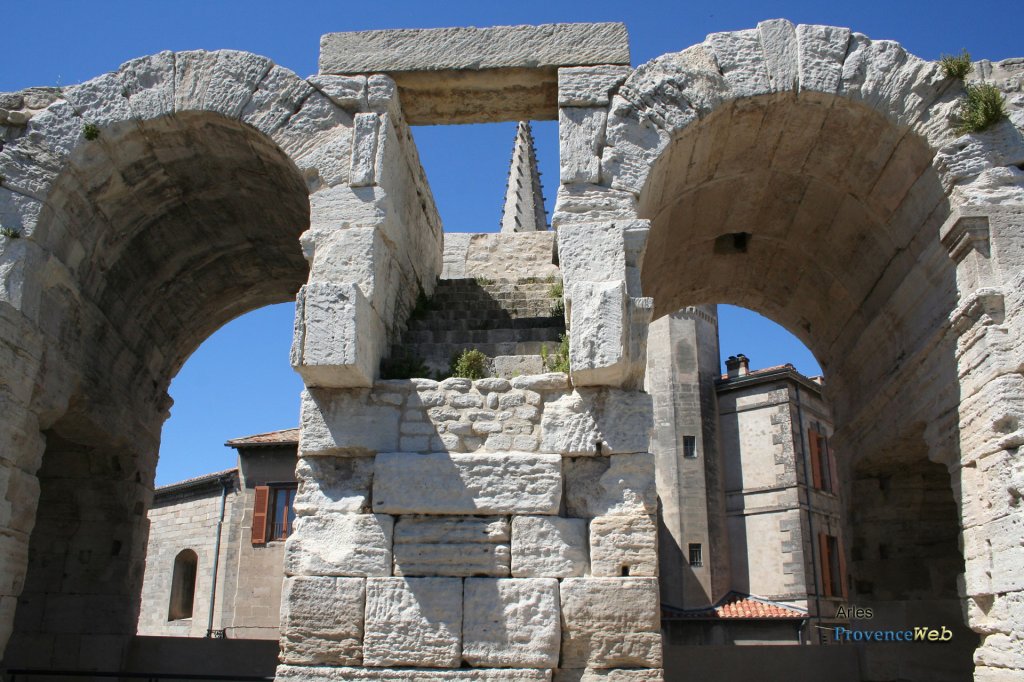
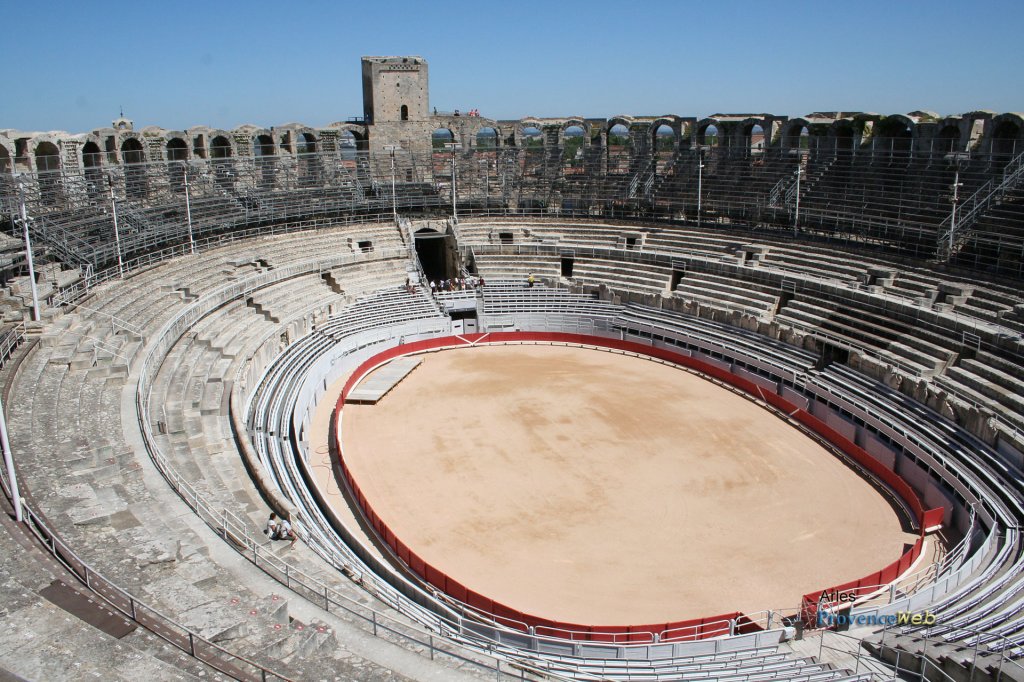
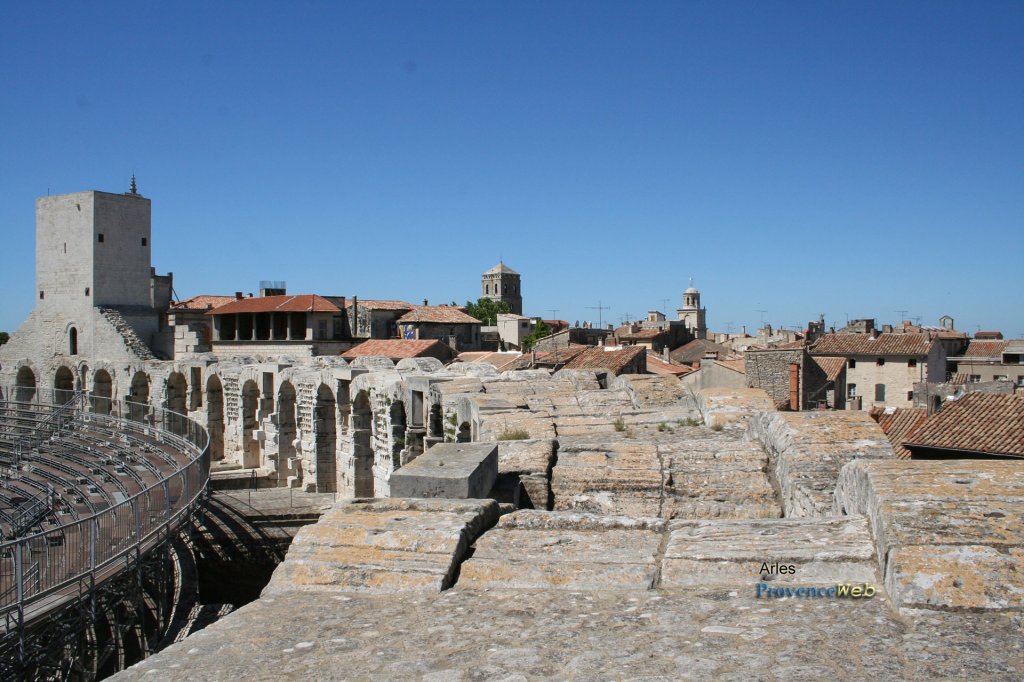
Visiting Arles means exploring one of the richest historic city centers in the south of France. The Arles amphitheater, a Roman arena built in the 1st century AD, is the most visited monument in the city, stretching 136 meters long. The ancient theater, also Roman, still hosts open-air performances and festivals every summer. The Baths of Constantine, built in the 4th century, are among the best-preserved ancient remains in the old quarter.
The Musée de l'Arles Antique holds exceptional archaeological collections, including the bust of Julius Caesar and a 30-meter Gallo-Roman barge recovered from the Rhône. The cathedral and cloister of Saint-Trophime, on the Place de la République, are listed as UNESCO World Heritage Sites. The Espace Van Gogh, housed in the former Hôtel Dieu, opens onto a garden that Vincent himself painted, with free access. The Fondation Vincent Van Gogh and the Musée Réattu round out this panorama spanning art, history and Romanesque architecture.
The Abbaye de Montmajour, a few kilometers from the city center, offers a remarkable view over the Arles plain from its 14th-century keep. The Fondation Luma, with its contemporary tower designed by Frank Gehry, has become an unmissable destination for photography and contemporary art. The Alyscamps, an ancient necropolis at the gates of the city, round off this list of must-see sites. The monuments pass from the tourist office lets you visit four sites of your choice for 15 euros.
What activities are there to do in Arles?
Exploring Arles on foot is the best way to discover the city center and its monuments. Getting lost in the old town between the Place du Forum and the banks of the Rhône is an absolute must. Strolling through the ancient theater at the end of the day, as the low sun plays across the stonework, is an experience like no other. Visiting the arena during a Camargue race or a bullfight is a direct encounter with local Provençal culture.
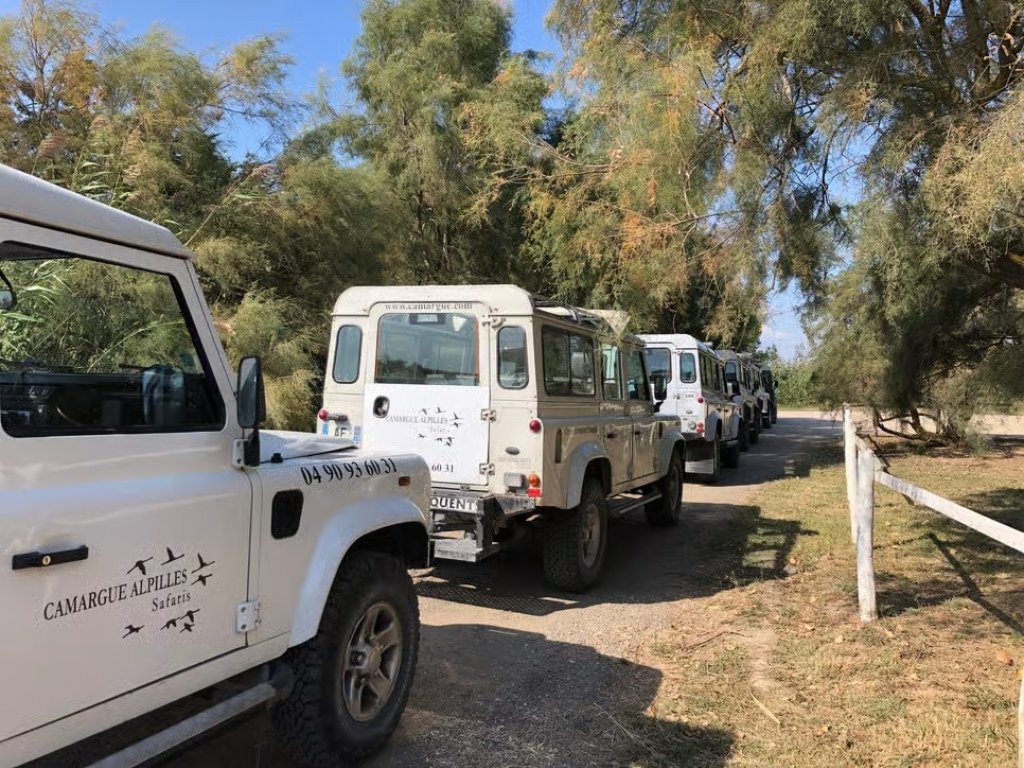
A safari in the Camargue from Arles lets you spot flamingos, white horses and bulls in their natural habitat within the regional nature park. Excursions around Arles to the Alpilles, Les Baux-de-Provence or the Saintes-Maries-de-la-Mer can easily add a day or two to your stay. The visitor pass makes it possible to discover Arles' museums in a single day. Family activities include puzzle trails through the city, workshops in the museums and vélo-taco rides organized by the tourist office.
On the cultural side, the Rencontres d'Arles photography festival brings the city to life every summer with exhibitions held in unique heritage venues. Themed guided tours — covering Van Gogh, gladiators or Roman architecture — depart regularly from the tourist office. Leisure options in Arles extend well into the natural world too: horseback riding in the Camargue, birdwatching and walks along the Rhône are all on the agenda. The cultural calendar is packed year-round, with concerts, temporary exhibitions and events following one after another without a break.
What are the must-sees in Arles?
The Arles arena is the logical starting point for any visit. This Roman amphitheater built in the 1st century AD is one of the best preserved in Europe, and still hosts performances and ferias today. The ancient theater, also built in the 1st century AD, yielded the famous Venus of Arles during excavations — now held at the Louvre. The Musée Départemental Arles Antique brings together the finest of the city's ancient historical heritage in a single location.
The Baths of Constantine and the Place du Forum bear witness to Arles' importance under the Roman Empire. The Cathedral of Saint-Trophime, a masterpiece of Romanesque architecture, and its cloister rank among the finest cultural sites in the region. The Fondation Vincent Van Gogh traces the painter's stay in Arles between 1888 and 1889, during which he produced over 300 works. The Espace Van Gogh, in the former Hôtel Dieu, lets you see the garden he painted, with free admission.
The Abbaye de Montmajour, listed as a UNESCO World Heritage Site, takes you on a journey through medieval history just a few kilometers from the center. The Musée Réattu houses a collection ranging from classical painting to contemporary sound art, including works by Picasso. The Fondation Luma rounds out this top list with an ambitious program blending photography, art and research. There is truly no way to miss out in Arles — UNESCO World Heritage monuments and must-visit sites greet you around every corner.
How to get around Arles?
Visiting Arles on foot is the simplest and most enjoyable option. All the main monuments are clustered within a compact area, reachable from the train station in just a few minutes' walk. A free city map is available from the tourist office to help you plan your itineraries around Arles. The Wivisites app offers audio guides and GPS-tracked routes so you can explore at your own pace.
Renting a bike lets you reach the more outlying neighborhoods and venture into the Camargue. For local transport, several bus lines serve the city's main sites. Guided walking tours, themed circuits and vélo-taco rides depart from the tourist office every week. For sites outside Arles, a car is the most practical option, with parking available at the gates of the historic center.
When to visit Arles?
Spring and autumn offer the best conditions for visiting Arles: mild temperatures, ideal light and fewer visitors at the sites. The best season to explore the monuments on foot without the summer heat is April-May or September-October. Summer is the liveliest period, with monuments open from 9am to 7pm and an exceptional cultural calendar. Summer visits require booking accommodation and show tickets well in advance.
Festivals in Arles follow an extremely packed schedule throughout the year. The Rencontres d'Arles in July is the city's flagship arts event, with photography exhibitions held at heritage venues across the city. The Easter feria in April and the rice feria in September draw thousands of visitors for Camargue races and performances in the arena. Seasonal activities are available year-round: hiking in the Alpilles in spring, birdwatching in the Camargue in winter and Provençal markets throughout the year.
In winter, tourism is quieter, but the museums stay open and the city loses none of its charm. The Calend'Arles festival brings December to life with concerts, markets and family shows in the historic center. The weather in Arles can be defined by the Mistral, a powerful wind that sometimes blows for several days at a stretch. Top travel tip: check the cultural calendar on the official city website before booking your vacation in Arles.
What events are held in Arles?
Arles lives to the rhythm of one of the most vibrant cultural calendars in the Provence region. The Rencontres d'Arles, held in July and August, is the city's most celebrated arts event: photography exhibitions take over monuments, chapels and industrial spaces for several weeks. It is one of the most significant festivals of its kind in Europe, drawing visitors from around the world. The Fondation Luma and the Fondation Vincent Van Gogh refresh their programs several times a year with major exhibitions and cultural events.
The Easter feria in April and the rice feria in September are two unmissable sporting and festive events rooted in Camargue bullfighting culture. Performances and concerts animate the ancient theater throughout the summer, with a program that blends music, dance and the performing arts. Annual events such as the Nuit des Musées offer free access to the city's collections for one evening. Themed fairs and markets, including the large Saturday market on the Boulevard des Lices, punctuate the year with convivial local gatherings.
In December, the Calend'Arles transforms the city with Christmas markets, festive street processions and concerts held inside historic monuments. Family activities are woven into most of these events, with workshops and child-friendly visits on offer. Artistic events take place in truly unique settings: the arena, the cloister, the ancient theater and the Baths of Constantine. To make sure you don't miss a thing, the full calendar is available on the official Arles city website.