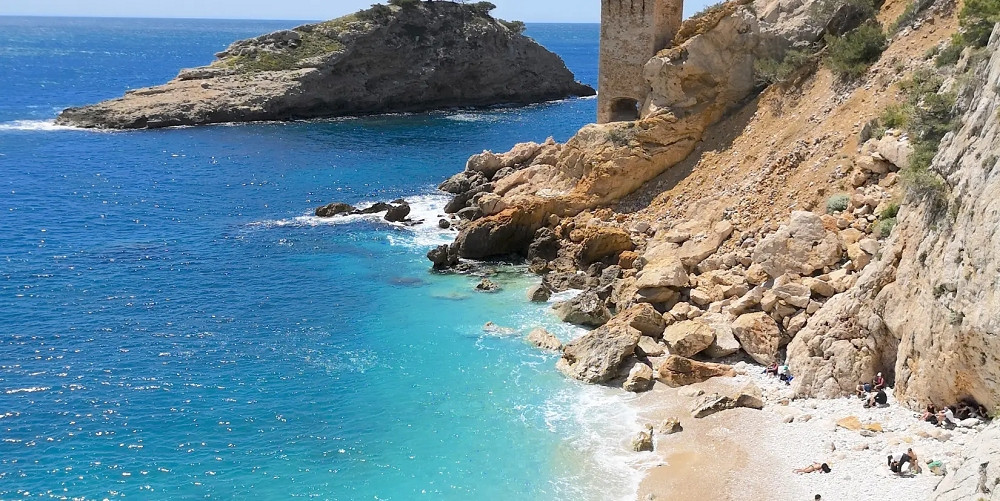

The Provence region, famous for its endless fields of lavender, offers a unique sensory and cultural experience. From June to the end of July, the landscapes are adorned with purple hues and exude a captivating fragrance that attracts many visitors each year.
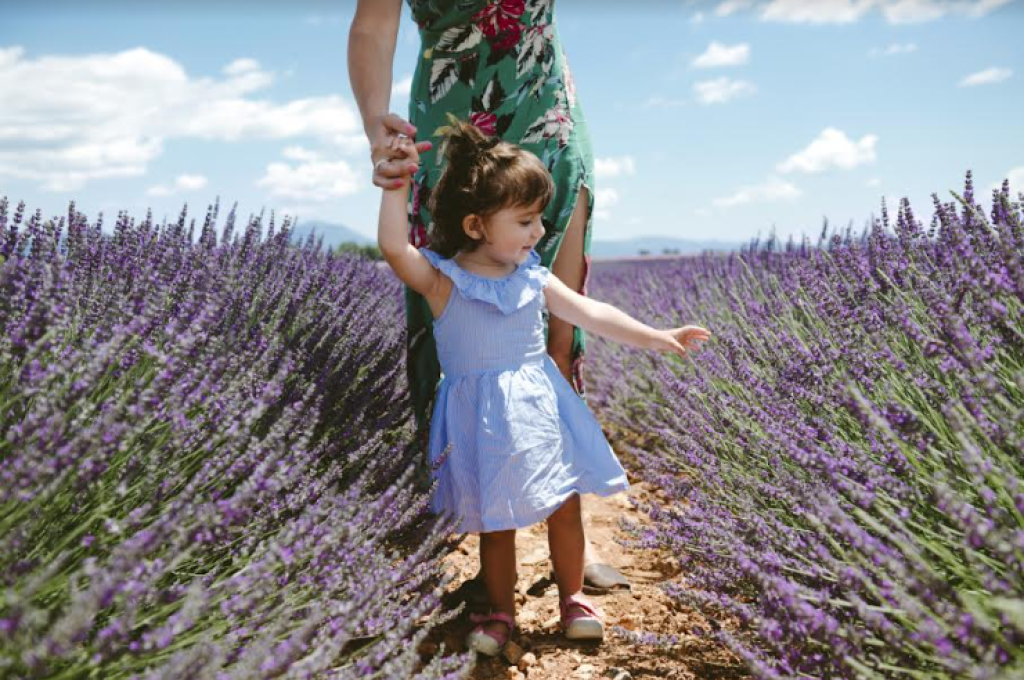
The history of lavender in Provence
In Provence, lavender is much more than just a plant; it is an integral part of the local terroir and history. Since the Middle Ages, lavender has been used for its olfactory and medicinal properties. Today, lavender fields stretch across a large geographical area including the Vercors, Verdon, Baronnies, and Luberon regions. Growing at altitudes between 500 and 1,500 meters, this delicate flower thrives on the sunny slopes of the Haute-Provence mountains.
Lavender cultivation has evolved over the centuries, moving from a traditional practice to an increasingly mechanized activity. Although many distilleries have closed their doors, some family businesses continue to produce high-quality essential oils that meet AOC (Appellation d'Origine Contrôlée) standards.
For those who want to take a family weekend trip in June, a visit to the lavender roads is a must. These itineraries take you through the most beautiful villages and offer exceptional panoramic views where the Mediterranean Sea seems to meet the purple waves of lavender fields.
The many uses of lavender
While lavender is mainly known for its use in perfumery, it also has notable medicinal properties. Its essential oil is renowned for its antiseptic and antibacterial properties, ideal for soothing insect bites or promoting healing.
Good to know: lavender also has its place in the kitchen, adding an exceptional aromatic touch to various dishes, including ice creams that surprise gourmets with their originality.
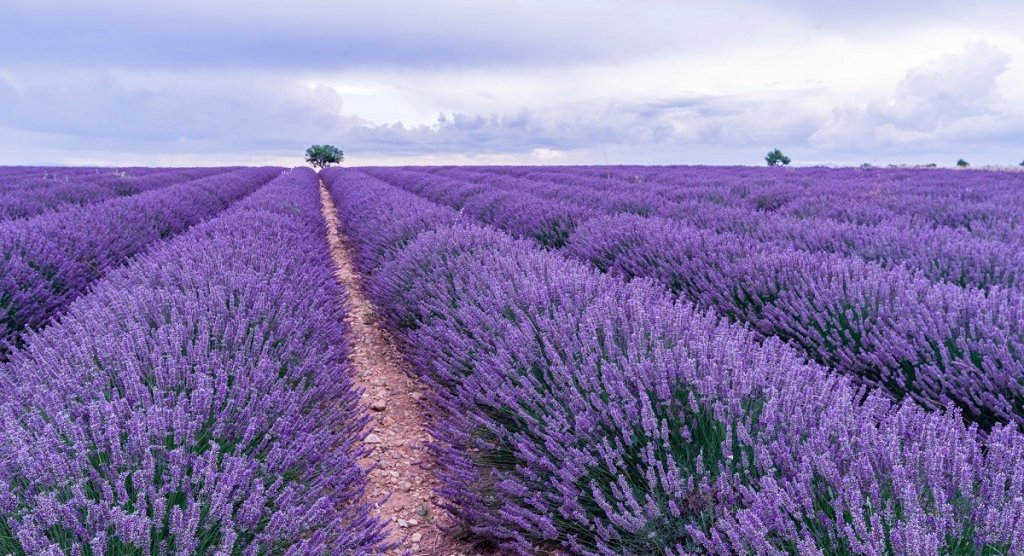
How to plan your stay in Provence for June 2026?
The best time to admire the flowers in full bloom is from mid-June to the end of July. During this period, several festive events related to lavender are organized in Provençal villages, offering an authentic immersion in the local culture. Whether you choose to stay in a guest house, a rural cottage, or a vacation village, you will find many options to suit all budgets and preferences.
Once you have settled in Provence, there are several enriching activities awaiting you. Among them, visiting distilleries that are still in operation is a key step in understanding the process of producing lavender essential oil. Many producers offer guided tours and workshops to share their ancestral know-how in a fun way that will satisfy the whole family.
A typical itinerary could begin with a visit to the Plateau de Valensole, one of the most famous places for its vast expanses of lavender. You could then head to the village of Sault and its surroundings, which offer impressive landscapes and an authentic atmosphere. Finally, ending your journey with an excursion to the Luberon would complete this trip with a visit to picturesque hilltop villages.