

The “Petits farcis” are one of the most iconic traditional dishes of southern France. This recipe of Provençal stuffed vegetables is both simple and delicious, the ingredients are inexpensive, and the result is truly flavorful.
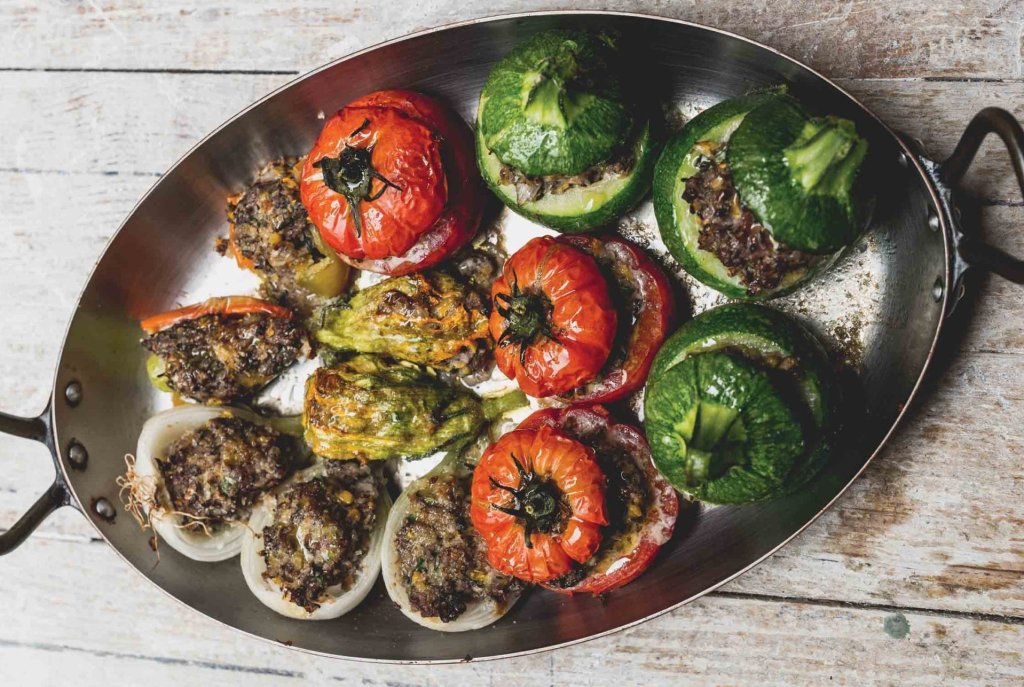
Hollow out seasonal vegetables—tomatoes, round zucchini, eggplant, onions, bell peppers—, prepare a stuffing made with ground meat, breadcrumbs, garlic, parsley, and fresh basil, and bake everything at 180°C for about 40 to 50 minutes. Prep time is around 25 to 40 minutes depending on the vegetables chosen.
This dish is served hot, with rice or a green salad, and it captures all the richness of Provençal cuisine in a single oven-baked dish.
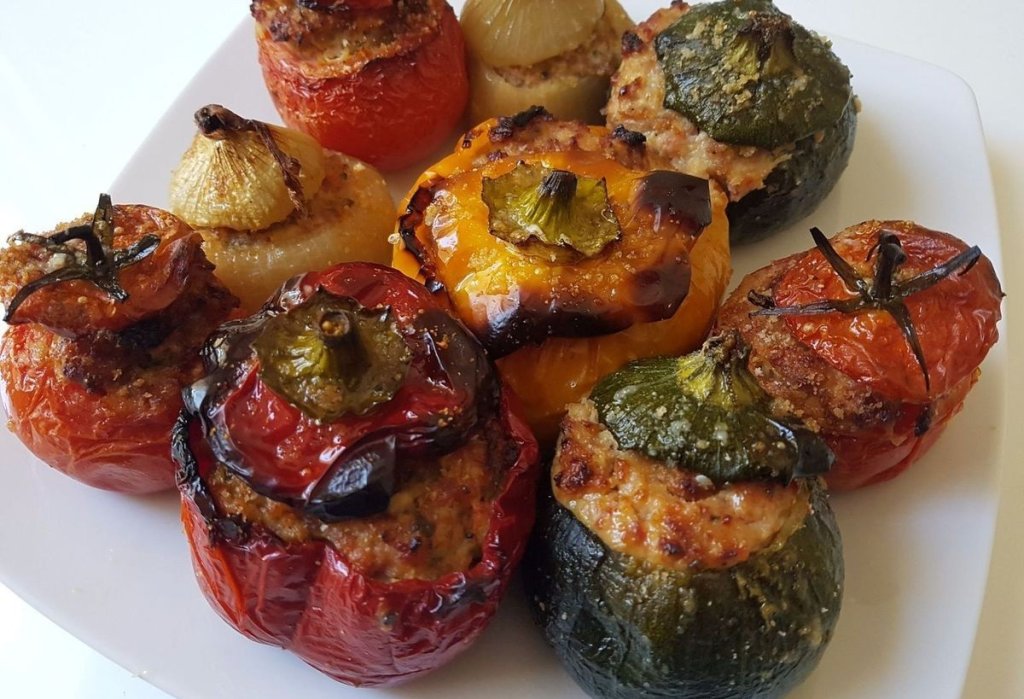
The traditional recipe for “Petits farcis”
Here’s everything you need to know to make your stuffed vegetables in the purest Provençal tradition:
The ingredients
Before you begin, you’ll need to gather quality ingredients. The recipe for Provençal stuffed vegetables relies on two distinct elements: the vegetables that serve as the shell, and the stuffing that fills them. Each part has its own ingredients, and the quality of each one really matters.
For the vegetables, choose fresh produce from the market, ideally in season. Round zucchini is perfect for this recipe: its shape makes it easy to hollow out. The tomatoes should be meaty, not too watery, so they hold up well in the oven without falling apart (so avoid supermarket Spanish tomatoes). Sweet onions add a delicate flavor once caramelized. Red or yellow bell peppers add color and character to the dish.
For 4 to 6 people, here’s what you’ll need in terms of vegetables:
3 plump round tomatoes
3 round zucchini
2 sweet onions
2 bell peppers (red or yellow)
2 eggplants (optional, depending on taste)
The filling requires a bit more attention. The traditional mixture combines ground veal and beef, sometimes supplemented with chopped cured ham. Some families use lamb for a more flavorful filling. Stale bread crumbs soaked in milk add moisture to the mixture without making the filling too heavy. Grated Parmesan, meanwhile, acts as a binder and adds a touch of character.
For the stuffing, you will need:
200 g ground veal
150 g ground beef or lamb shoulder (or chopped cured ham in some families)
2 to 3 slices of stale bread
10 cl of milk
1 egg
3 cloves of garlic
1 bunch of flat-leaf parsley
A few fresh basil leaves
40 g of grated Parmesan
Herbes de Provence, salt, and pepper
A drizzle of olive oil
One last note on the vegetable pulp: don’t throw it away. The flesh recovered while hollowing out the vegetables goes directly into the stuffing. This is one of the keys to the recipe: this blend of meat and vegetable juices creates a particularly flavorful, well-bound, and aromatic stuffing.
Note: Some people use ground sausage meat in the stuffing, but that’s not the traditional recipe (and besides, it’s not as good!).
The recipe: how to prepare stuffed vegetables step by step
Step 1: Prepare the vegetables
This is the part that requires the most patience. Take the time to prepare each vegetable thoroughly; the rest of the process will be much easier.
Wash all the vegetables in clean water
Cut a lid off the top of each vegetable
Scoop out the inside with a spoon, leaving about 1 cm of flesh so the shell holds together during cooking
Lightly salt the inside of the tomatoes and turn them upside down on a dish towel to let them drain
Set aside the scooped-out pulp: zucchini, eggplant, and onions, it goes directly into the stuffing
Coarsely chop this flesh and set it aside
For the zucchini, eggplants, and onions, you can blanch them for 10 minutes in salted water before scooping them out. This is optional, but it really makes the job easier and tenderizes the shells. Tomatoes and bell peppers, however, should not be blanched: they might release too much water during cooking.
Step 2: Prepare the stuffing
Assemble the stuffing in order, without rushing. A good mix by hand is better than a food processor that mashes everything.
Soak the stale bread crumbs in milk for 10 minutes, then squeeze out the excess liquid with your hands
Finely chop the garlic, parsley, and basil
Sauté the reserved vegetable flesh in a drizzle of olive oil for 3 to 4 minutes over medium heat
Let cool
In a large mixing bowl, combine the ground meat, the squeezed bread crumbs, the sautéed vegetable flesh, the garlic, and the herbs
Add the whole egg and the grated Parmesan
Season with salt and pepper and add a pinch of herbes de Provence
Knead everything by hand until you obtain a smooth stuffing, neither too dense nor too runny
Step 3: Stuff the vegetables
The trick here is not to pack the stuffing too tightly. The stuffing will expand slightly during cooking.
Preheat the oven to 180°C
Place the vegetable shells in a lightly oiled baking dish
Fill each vegetable with stuffing using a spoon, without going over the edge
Place the tops back on each vegetable
Drizzle with a little olive oil
Pour a small amount of water or broth into the bottom of the dish to prevent the vegetables from sticking
Step 4: Baking in the oven
No need to watch it constantly. The oven does the work—let it do its thing.
Bake in an oven dish at 180°C for 45 to 50 minutes
Check for doneness by piercing the vegetables: they should be tender without falling apart
If the tops brown too quickly, cover the dish with aluminum foil while baking
At the end of cooking, remove the foil and let them brown for an additional 5 minutes
These stuffed vegetables are served hot, with rice or a green salad. They’re even better reheated the next day, when the flavors have had time to meld.
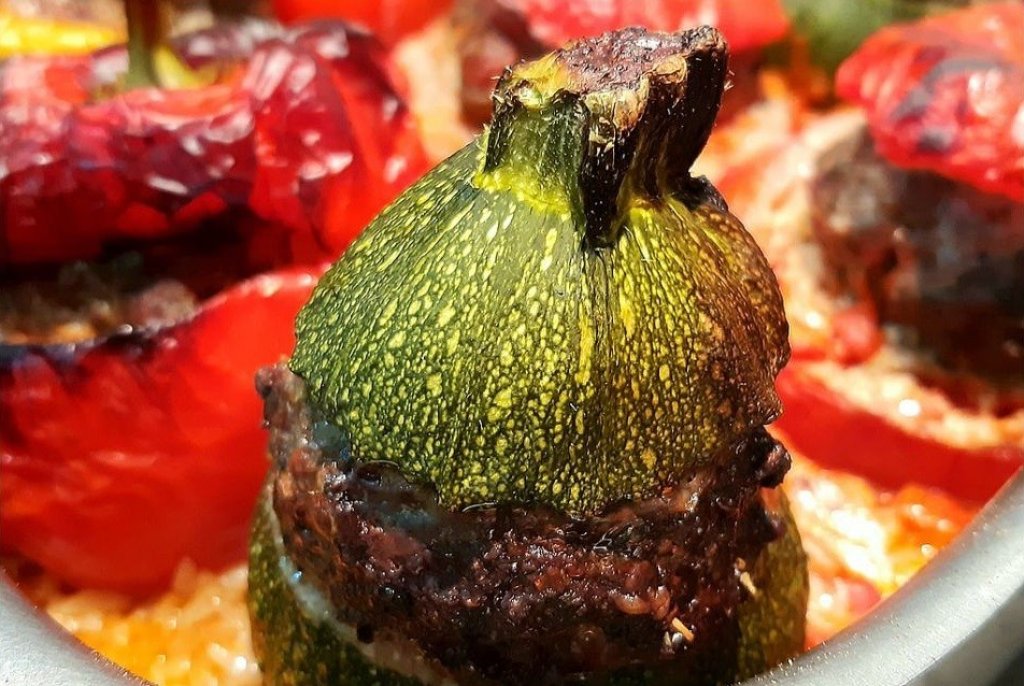
The difference between “Petits farcis niçois” and “Petits farcis de Provence”.
Both names refer to the same type of dish, but they don’t quite describe the same thing. “Petits farcis niçois”, called “lu farcit nissart” in the local dialect, are a codified specialty associated with Niçoise cuisine. The vegetables are small in size, carefully selected from local markets. The stuffing is light, often made with veal, cured ham, breadcrumbs soaked in milk, and grated Parmesan. Purists categorically exclude rice and sausage meat.
“Petits farcis de Provence”, on the other hand, are part of a broader and less codified tradition. The vegetables are often larger, and the stuffing varies considerably from one family to another. Rice, ground beef, or even a mixture of lamb and veal appear naturally depending on local customs. Fewer rules, more freedom.
The distinction also stems from history. Nice belonged to the County of Nice, not to Provence in the historical sense of the term. Niçoise cuisine has its own codes, strongly influenced by neighboring Italy—which explains the presence of Parmesan in the stuffing, absent from more typically Provençal versions. Two similar legacies, two distinct characters.
The origin of “petits farcis”
Petits farcis were born from a very simple peasant logic: don’t throw anything away. The ancestors of Nice, accustomed to eating produce from their gardens and careful not to waste anything, devised this dish using abundant vegetables and leftover meat, which was then expensive and scarce. Hollow out what you have, stuff it with what’s left, and pop it in the oven. Nothing more.
Originally, cooking was even entrusted to the neighborhood baker, who would slip the stuffed vegetables into his oven after his final batch, at a low temperature, so that the vegetables would retain all their juices. A collective effort that says a lot about life in Provençal villages at the time.
It was in the 18th century, with the arrival of tomatoes and zucchini in Provence, that the recipe took on the form we know today. These vegetables, now staples in southern vegetable gardens, give the petits farcis their visual identity and characteristic flavor. Even today, every family in Nice has its own version, passed down from generation to generation, with slight variations in the stuffing. This is precisely what makes this dish so rich: there isn’t a single recipe for Provençal petits farcis, but as many versions as there are cooks who have prepared them.
Find all our Provençal recipes:


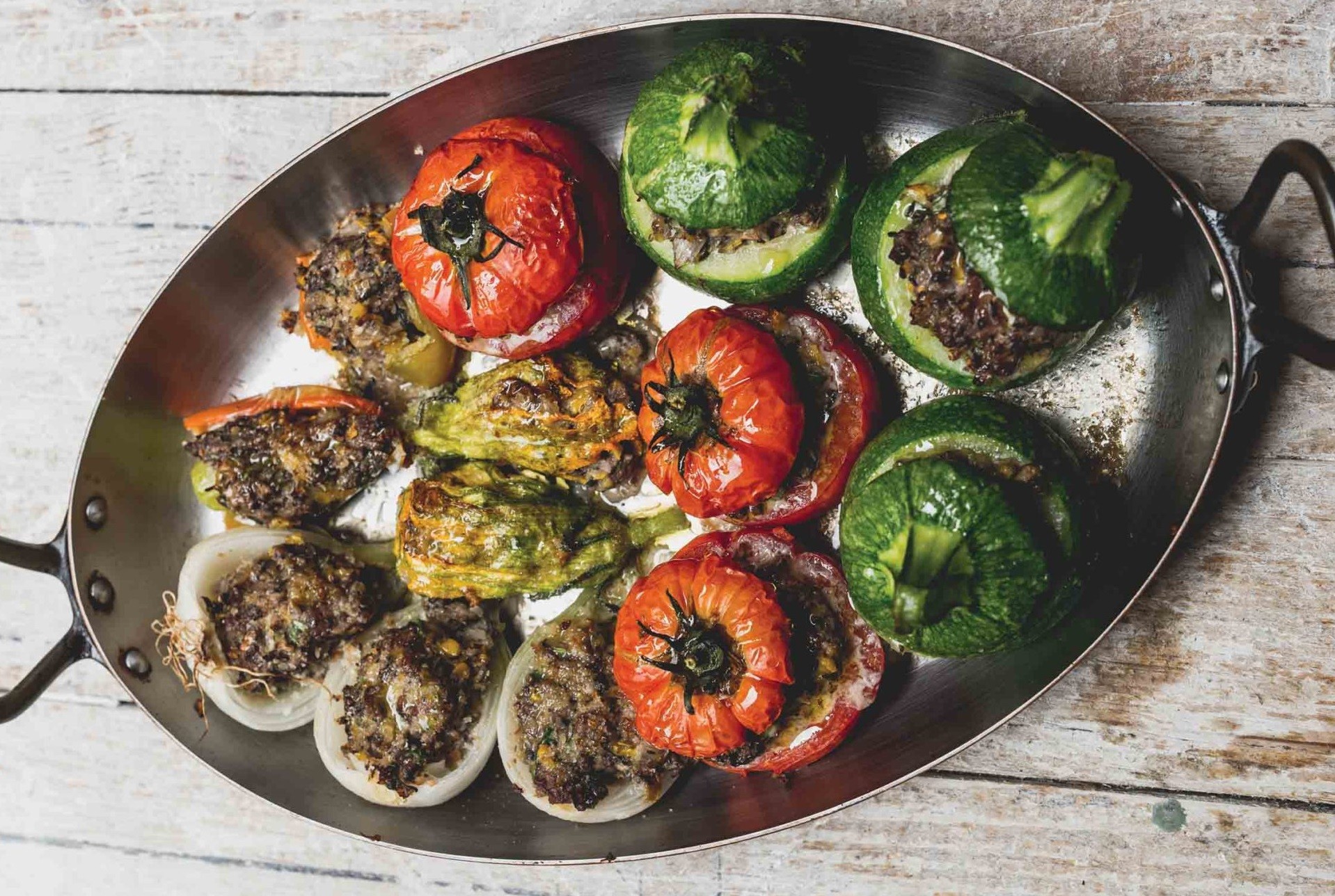
not to mention our famous Provençal desserts: