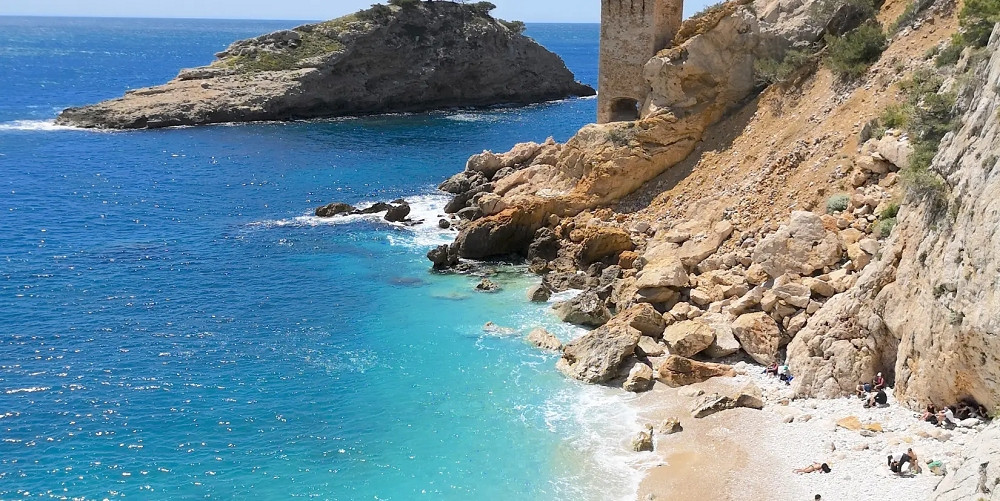

In Les Baux de Provence, there's enough to fill a whole day—or even two. The medieval castle perched on its rocky outcrop, the Carrières de Lumières with their immersive exhibition in the Val d'Enfer, the Yves Brayer museum, the Chapelle des Pénitents Blancs, and the Renaissance-style Vallon de la Fontaine
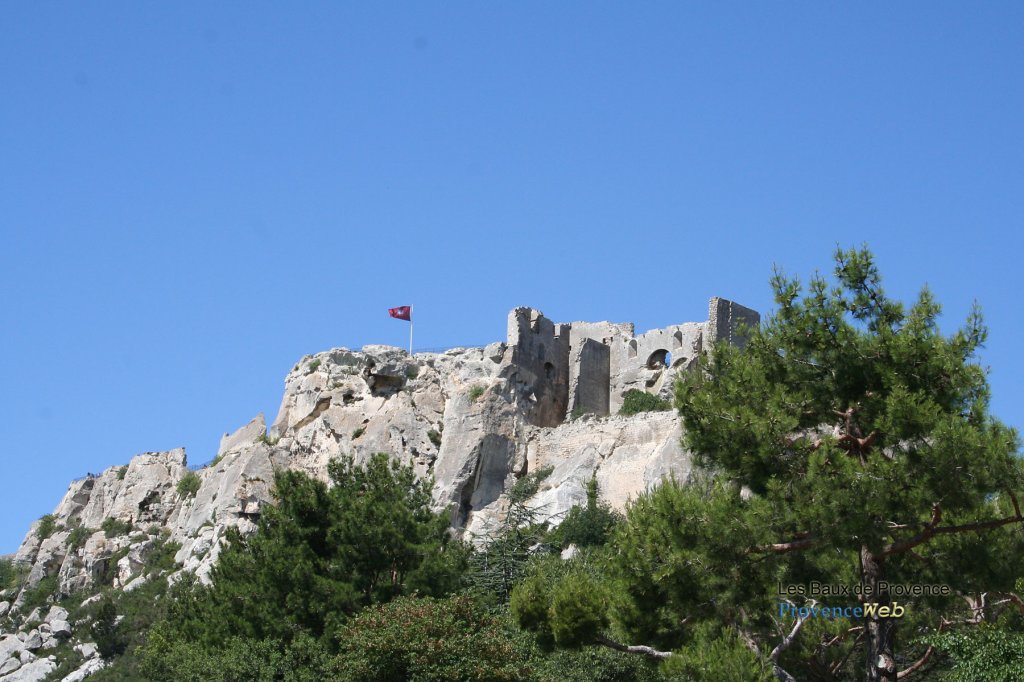
The village offers a rare concentration of heritage, art, and landscape. And beyond the walls, the Alpilles mountains are perfect for hiking, biking, and exploring the vineyards of the Baux de Provence appellation.
Here you will find the must-see activities, places worth visiting, and a few tips for discovering Les Baux de Provence without having to wait in line.
The best experiences to enjoy in Les Baux-de-Provence
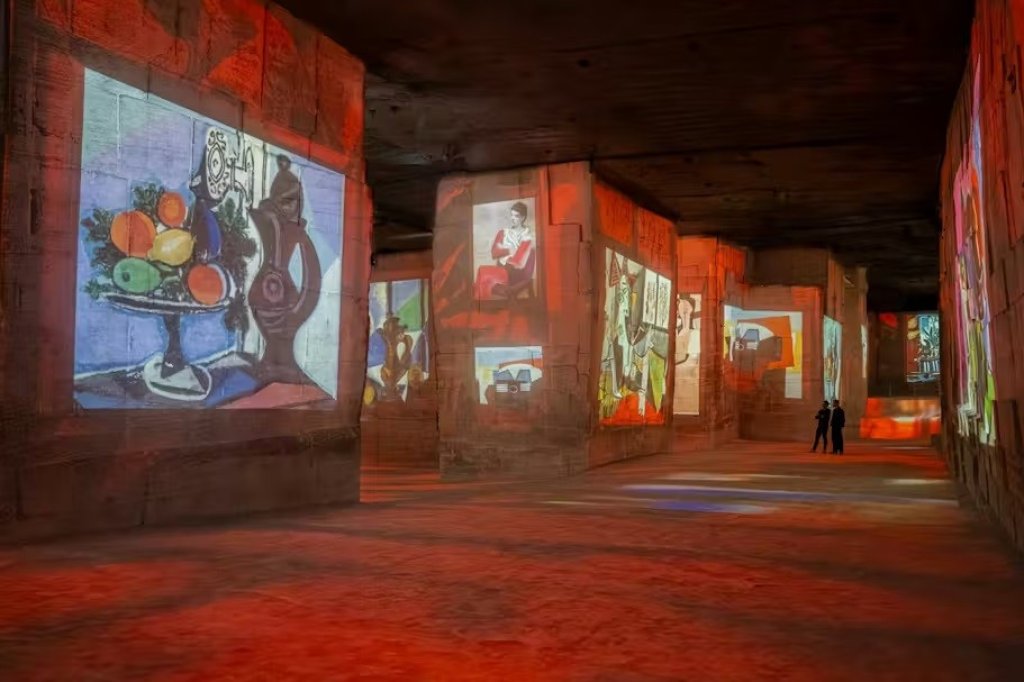
Immerse yourself in the Carrières des Lumières: This digital art center is housed in former underground limestone quarries. Giant works of art are projected onto the walls, floor, and 14-meter-high ceiling to music, creating a totally immersive experience.
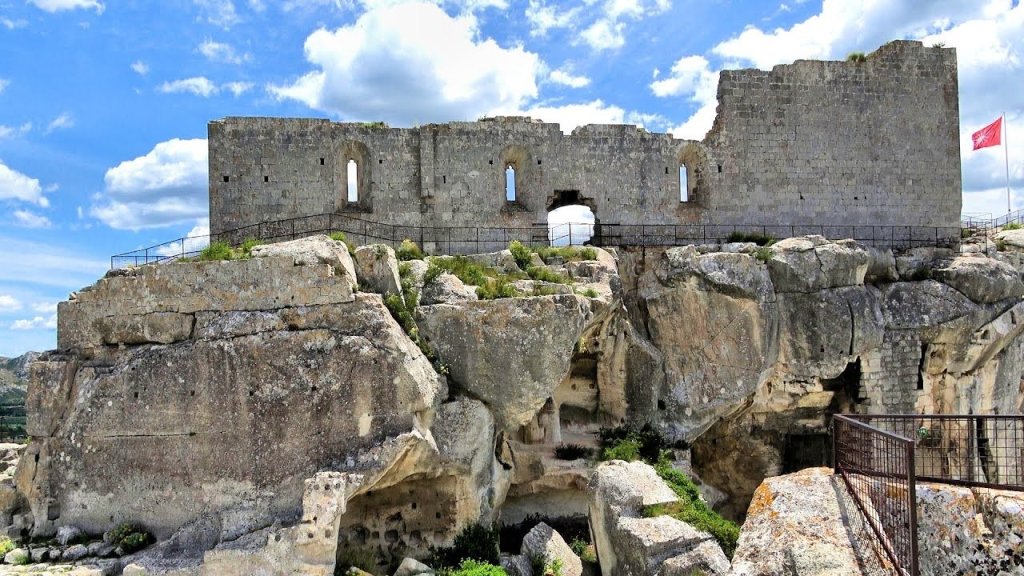
Visit the Château des Baux: This immense ruined fortress covers 7 hectares at the top of the plateau. Visitors can explore dungeons, Saracen towers, and working replicas of medieval siege engines (trebuchets, bricoles).
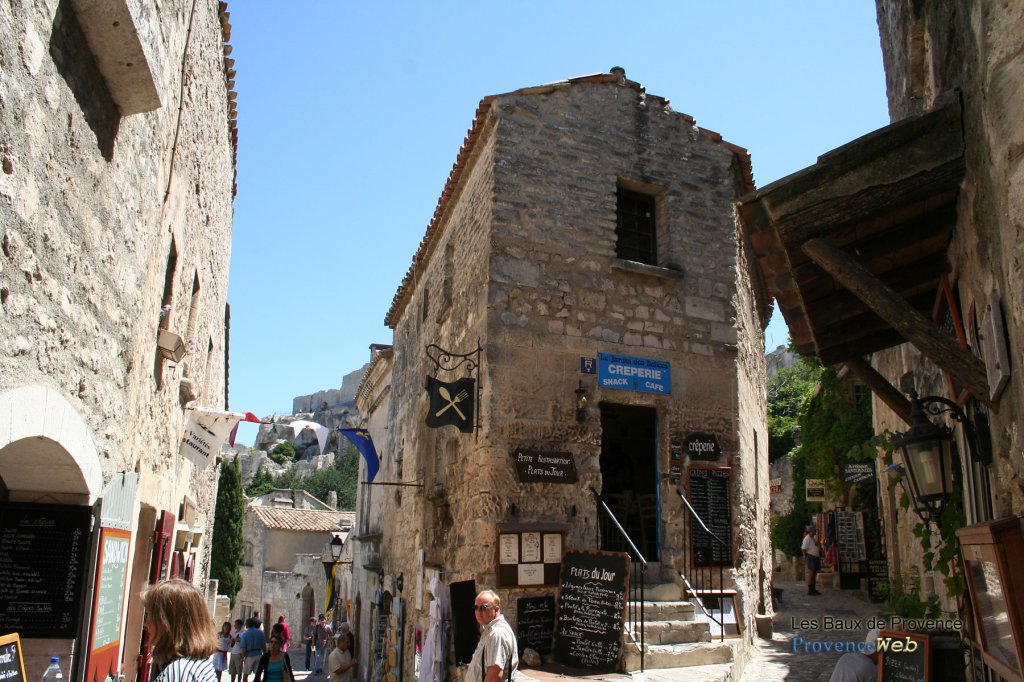
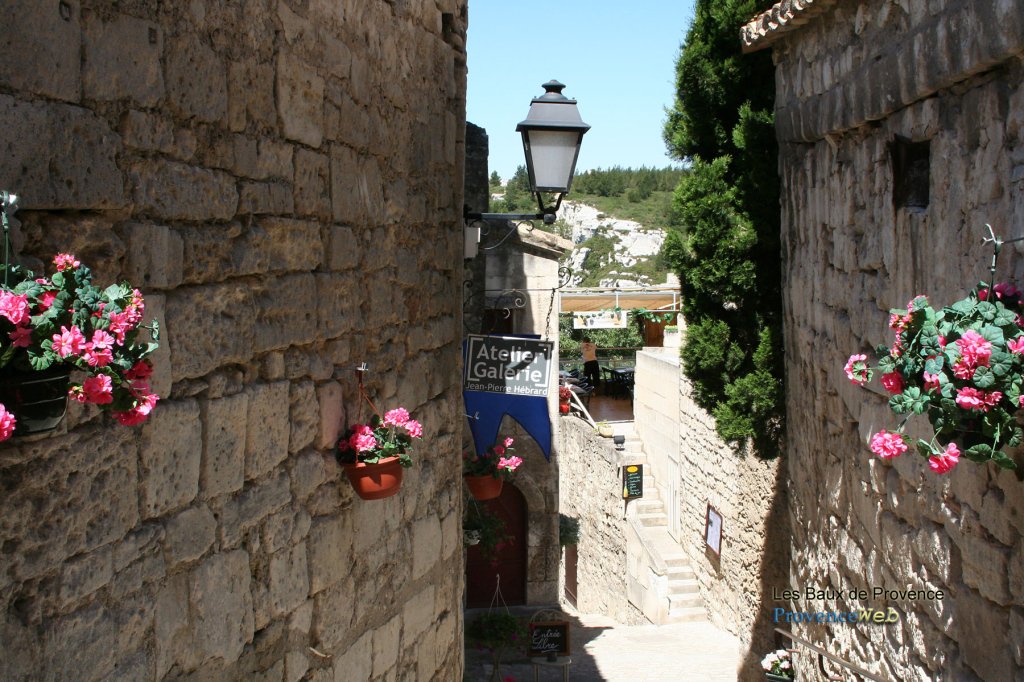
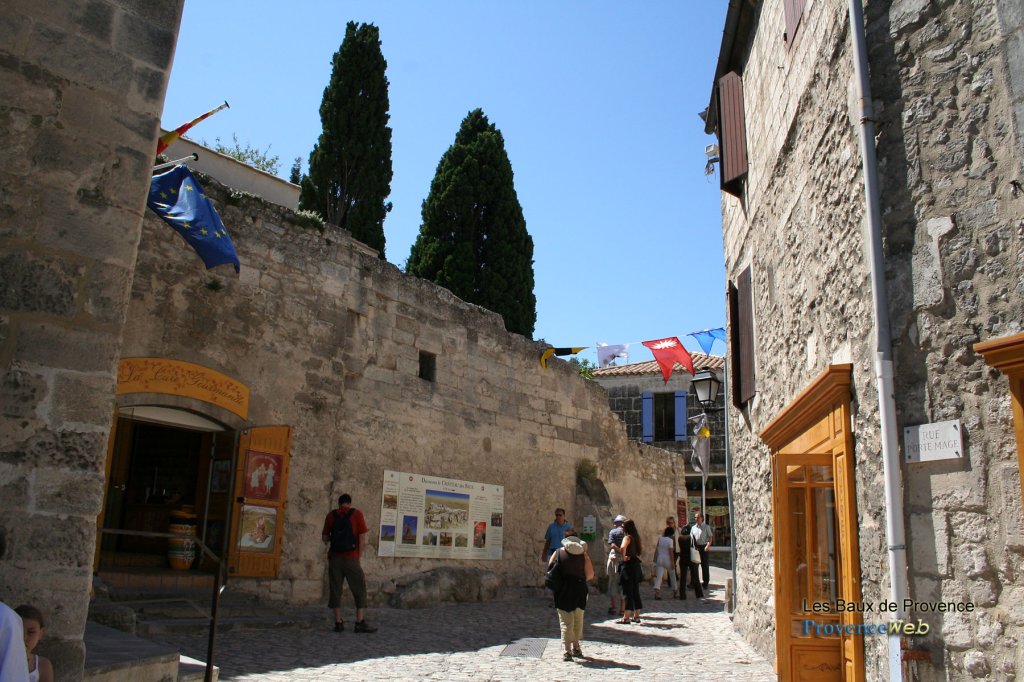
Explore the medieval village of Les Baux de Provence: This village is characterized by its cobbled streets and restored Renaissance mansions. It also has many shops selling crafts and local products.
Things to do in Les Baux-de-Provence
Les Baux-de-Provence has many cultural and historical sites concentrated in a small area.
What should you visit to discover its heritage and history?
The castle of Les Baux-de-Provence
From the castle grounds, you can enjoy a remarkable view of the Baux valley, the Camargue, and Arles. Historical events (catapult shooting, medieval duels, crossbow shooting) are organized daily during the season and delight the public.
The Santons Museum
Located in the former 16th-century guardhouse, this museum presents a rare collection of Provençal santons, precious Neapolitan figurines, and scenes of traditional life, illustrating the richness of this craft.
The Louis Jou Foundation
Located in the Hôtel Jean de Brion, this foundation preserves the work and studio of Louis Jou, a master typographer and contemporary engraver. It houses a priceless library of rare books and incunabula (visits generally by appointment or during events).
The Yves Brayer Museum
The Yves Brayer Museum is housed in the Hôtel de Porcelet, a remarkable 16th-century building with sculpted facades. It presents a retrospective of the painter's works, notably his landscapes of Provence, Italy, and the Camargue.
Saint-Vincent Church
Partially carved into the rock, this 12th-century Romanesque church offers a unique atmosphere. It is decorated with modern stained glass windows donated by Prince Rainier III of Monaco, testifying to the historical link between the Grimaldis and Les Baux.
Where to discover art and nature?
The Lumières quarries
This site offers annual immersive exhibitions dedicated to the great masters of painting (Van Gogh, Cézanne, Dalí, etc.). The constant cool temperature of the quarries (57°F) is particularly welcome during the summer heat.
The Val d'Enfer
This natural valley below the village is accessible on foot. It is characterized by limestone rocks with fantastical, twisted shapes sculpted by water erosion, which, according to legend, inspired Dante Alighieri's vision of Hell.
The Trémaïé Stele
This Gallo-Roman bas-relief carved into the rock face depicts three figures (the “Three Marys” according to local tradition). It can be reached via a footpath at the foot of the castle plateau.
The Queen Jeanne Pavilion
Located in the Fontaine valley, this small Renaissance aedicule, built in the 16th century for the Baroness of Les Baux, is a garden structure. It is a refined architectural feature in the heart of nature.
How to get to Les Baux-de-Provence
By car: The easiest way to get there is via the D27 departmental road. Paid parking is available around the village to manage the flow of visitors.
By bus: A regional bus line (ZOU!) serves the village from the bus stations in Arles and Avignon, operating mainly during the summer (July-August).
By bike: The climb to the village is a classic and popular route for experienced cyclists. Electric bikes can be rented in Saint-Rémy-de-Provence to make the climb easier.
Villages and nature in the surrounding area
The village of Les Baux-de-Provence is surrounded by the Alpilles Regional Nature Park. Nearby are the villages of Maussane-les-Alpilles (renowned for its olive oil) and Saint-Rémy-de-Provence.