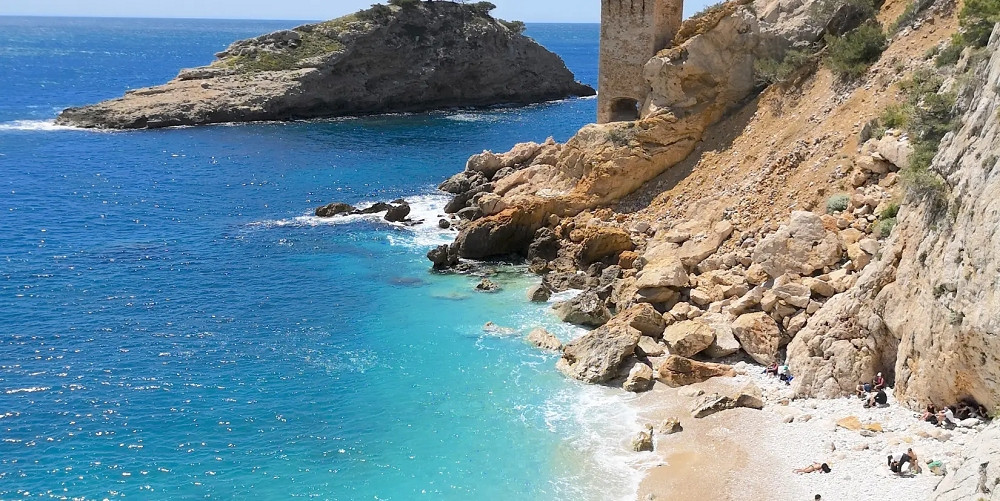

Fontvieille is a pretty town in the Bouches-du-Rhône department, located in the heart of the Alpilles Regional Nature Park, near Arles.
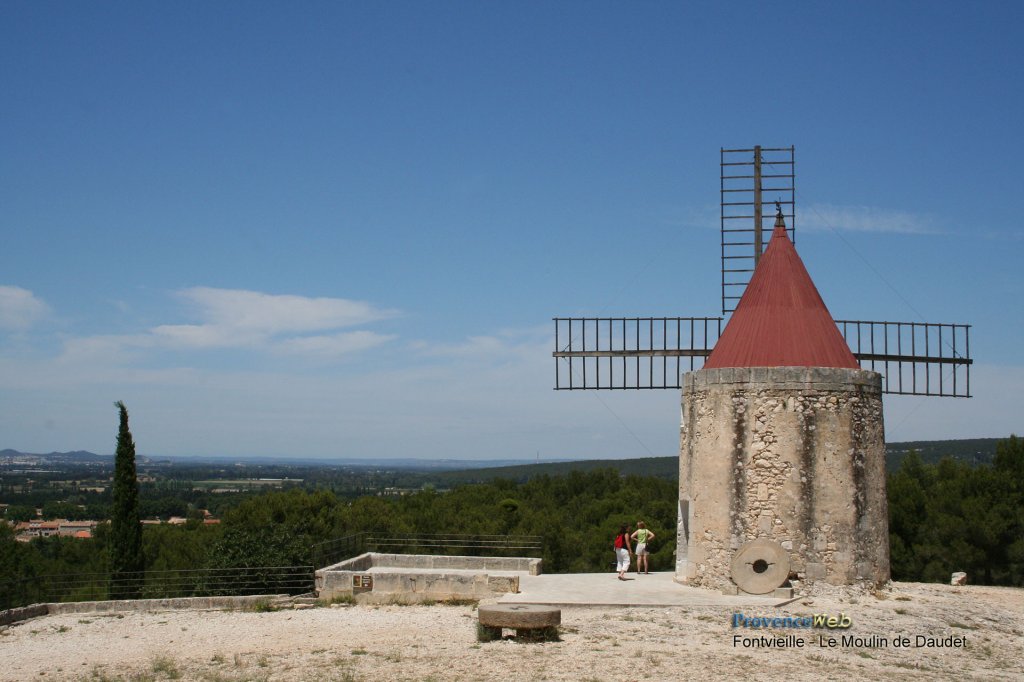
The village is known for Alphonse Daudet's mill, but also for its old stone quarries and olive groves. It has a rich historical heritage, including important Roman remains.
Top 3 experiences to enjoy in Fontvieille
Visit Alphonse Daudet's mill: Discover the mill that inspired “Letters from My Mill.” It is located on a hill outside the village, surrounded by scrubland.
Explore the Roman mill site: Visit the remains of the aqueduct and mills of Barbegal. This was a large industrial complex in Roman times, used for flour production.
Walk through ancient stone quarries: Follow the trail through the ancient quarries of Fontvieille. You will see traces of tools on the quarry faces and abandoned blocks of stone.
Things to do in Fontvieille
Fontvieille offers cultural tours related to its literary, ancient, and industrial history. It also offers magnificent walks in the Alpilles landscape.
In the footsteps of Alphonse Daudet
The name Fontvieille is strongly linked to the writer Alphonse Daudet, who stayed there.
Daudet's Mill
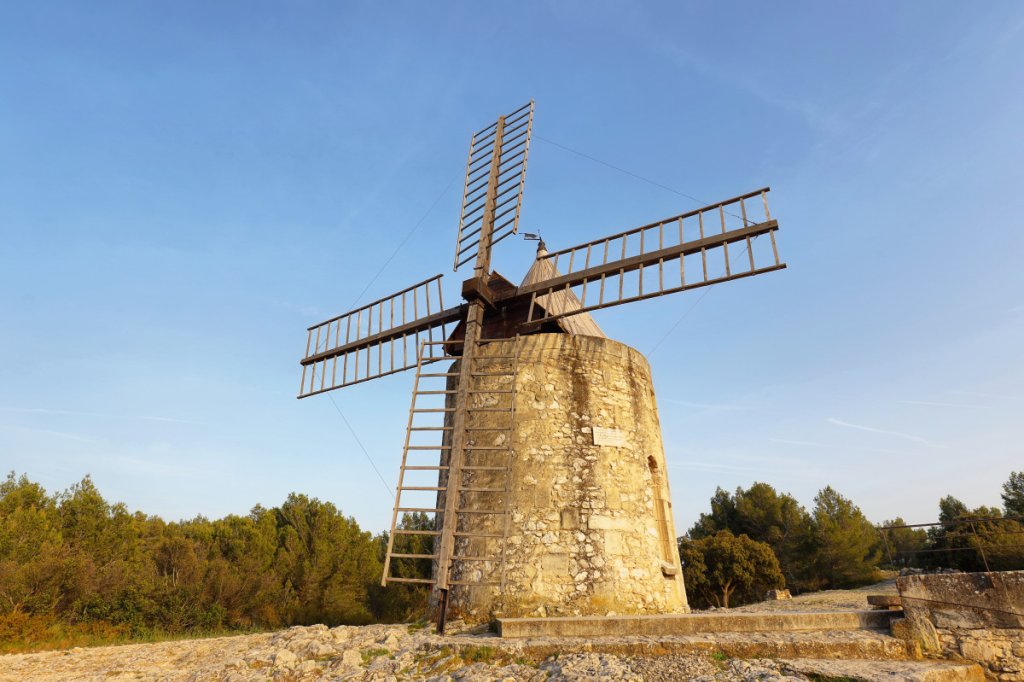
The windmill, known as Moulin Ribet, is the symbol of the village. Although it was never the residence of the writer who was inspired by it, it nourished his work and now houses a small museum. Located on a hill where the Ramet and Tissot mills also stand, it is part of the local historical and landscape heritage.
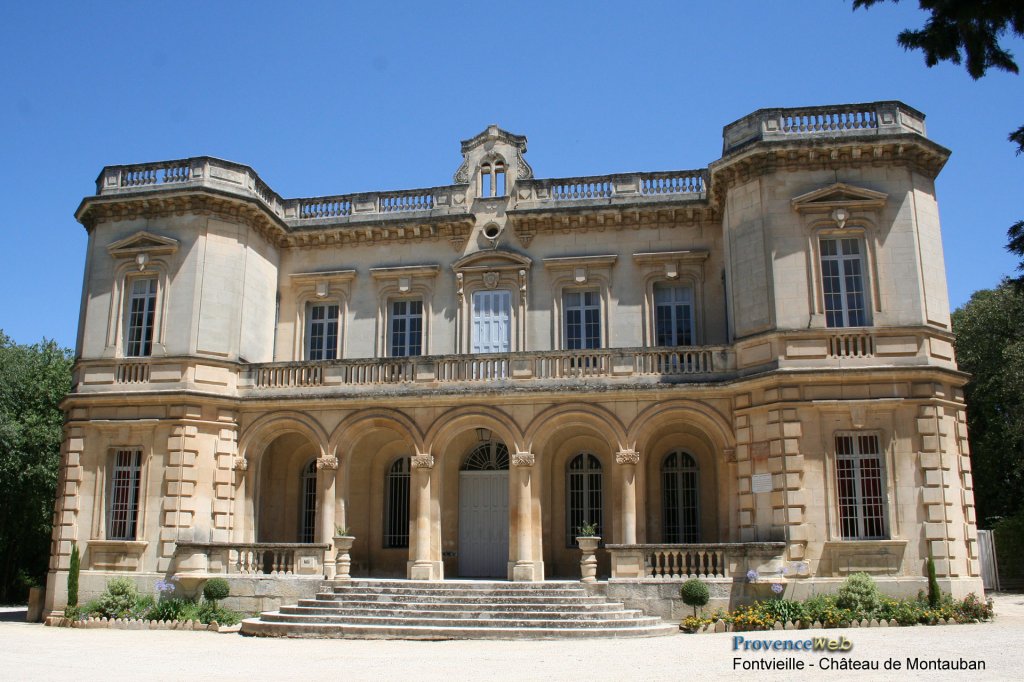
The Château de Montauban
Located at the bottom of the hill of mills, this château was the residence of the Ambroy family, with whom Daudet stayed. A museum has been set up inside, retracing the life of the writer and the history of Fontvieille.
What to visit to discover the heritage and history?
The Fontvieille area is a historical relic from ancient times to the modern era.
The aqueduct and Roman mills of Barbegal
This archaeological site is located a few kilometers south of the village. Here you can see the remains of two Roman aqueducts that fed a series of 16 water wheels. This complex was one of the largest concentrations of mechanical energy in the Roman world.
The quarry trail
A marked walking trail takes you through the old stone quarries of Fontvieille. This stone was used to build the monuments of Arles and the surrounding area. The path crosses huge excavations that reveal the history and scale of the quarrying operation.
The village center
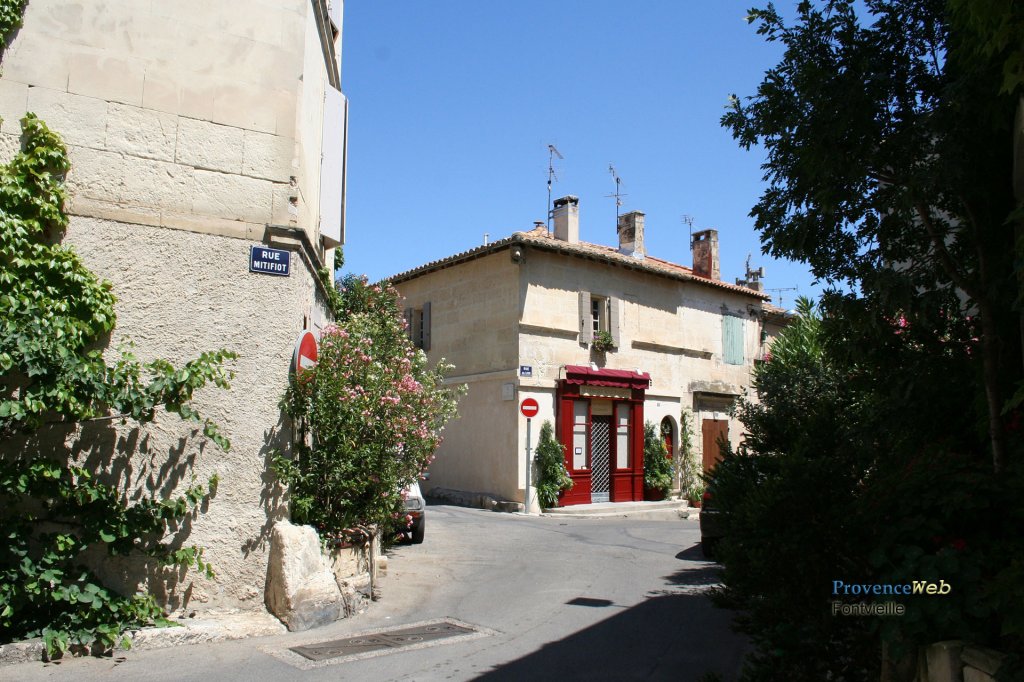
The center of Fontvieille is organized around the church and the Grand-Rue. The area features old wash houses, several fountains, the clock tower, as well as shops and cafés. The latter bring the square to life and are a reminder of the local heritage.
Where can you discover local traditions?
Fontvieille's culture is also agricultural, focused on olive oil production.
Oil mills
The village is located in the AOP Huile d'olive de la vallée des Baux-de-Provence (Baux-de-Provence Valley Olive Oil PDO) area. Olive oil mills (not to be confused with windmills) are in operation. You can visit them to learn about how oil is made and enjoy tastings.
The Provençal market
The main market is held on Monday and Friday mornings on the main street. Producers and merchants offer fruits and vegetables, cheeses, charcuterie, and other local specialties in a lively atmosphere.
How to get to Fontvieille?
By car: Access is via the D17 or D33 roads, which connect the village to Arles and Saint-Rémy-de-Provence. The A54 motorway is nearby.
By train: The nearest train station is Arles (10 km away).
By bus: The ZOU! regional network offers bus routes connecting Fontvieille to Arles and Avignon.
By plane: The nearest airports are Nîmes (about 30 minutes away) and Marseille-Provence (about 1 hour away).
Villages and nature in the surrounding area
Fontvieille is a great starting point for exploring the Alpilles. A few kilometers away is the Abbey of Montmajour, a large monastic complex. The city of Arles, with its Roman monuments and Arles Antique museum, is only 10 minutes away. On the other side of the massif, you can visit Les Baux-de-Provence, its castle and the Carrières de Lumières, as well as Saint-Rémy-de-Provence, known for the Glanum site and its market.