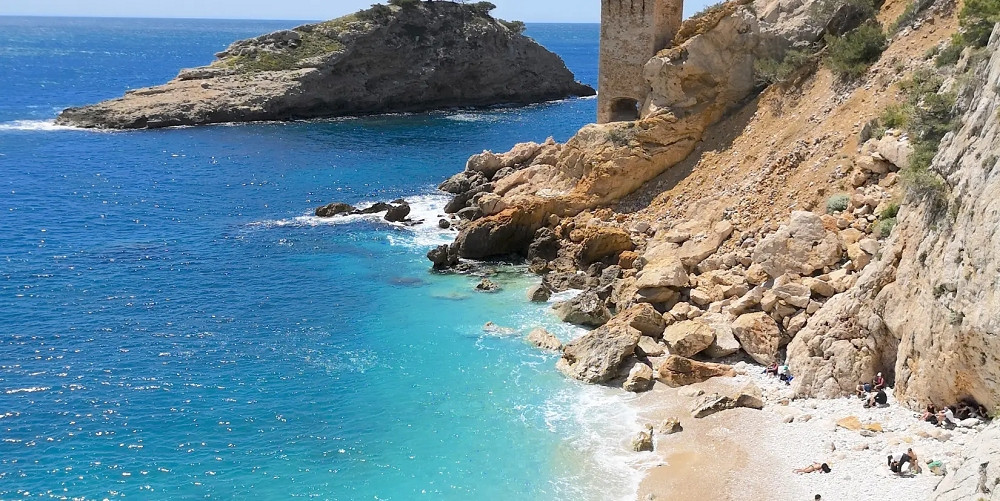

The Giens Peninsula is one of the most unique natural sites on the Mediterranean coast. Connected to the mainland by a double “tombolo”—two 5-kilometer-long sandbars that enclose the Étang des Pesquiers and its flamingos—this peninsula in the Var department, south of Hyères, offers a landscape you won’t find anywhere else in France.
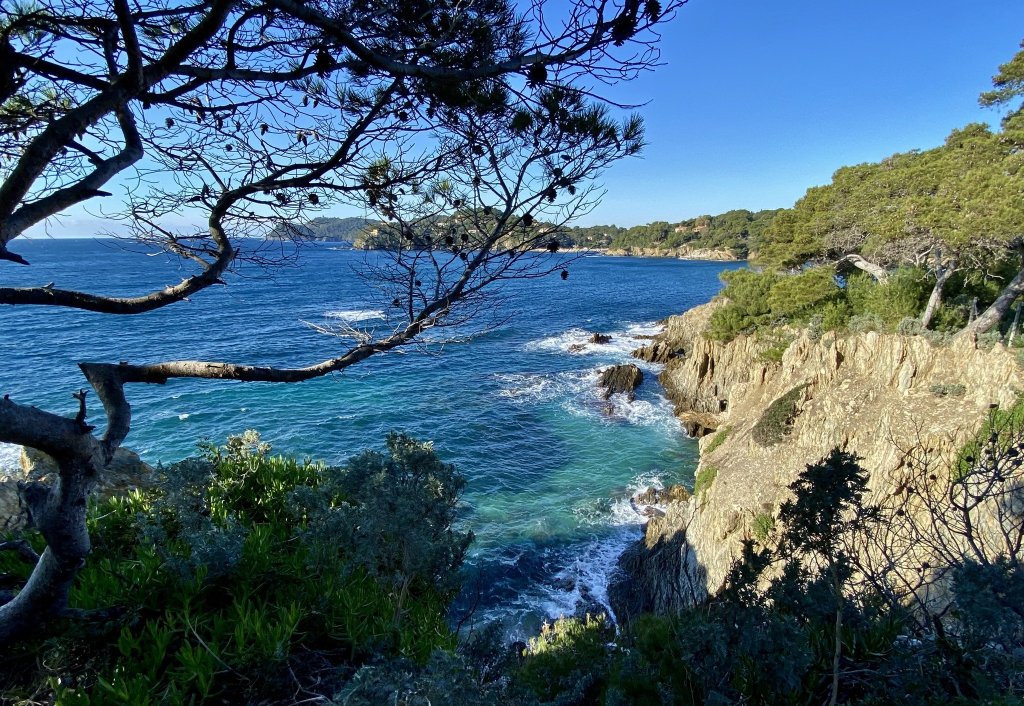
Fine sandy beaches, wild coves, a coastal trail with views of Porquerolles, kitesurfing at Almanarre, kayaking at Port du Niel, and a stroll through the small hilltop Provençal village: Giens has enough to keep you busy for an entire stay.
For lodging, the campsite on the Giens peninsula is the most affordable, but there are also some very nice hotels near the site.
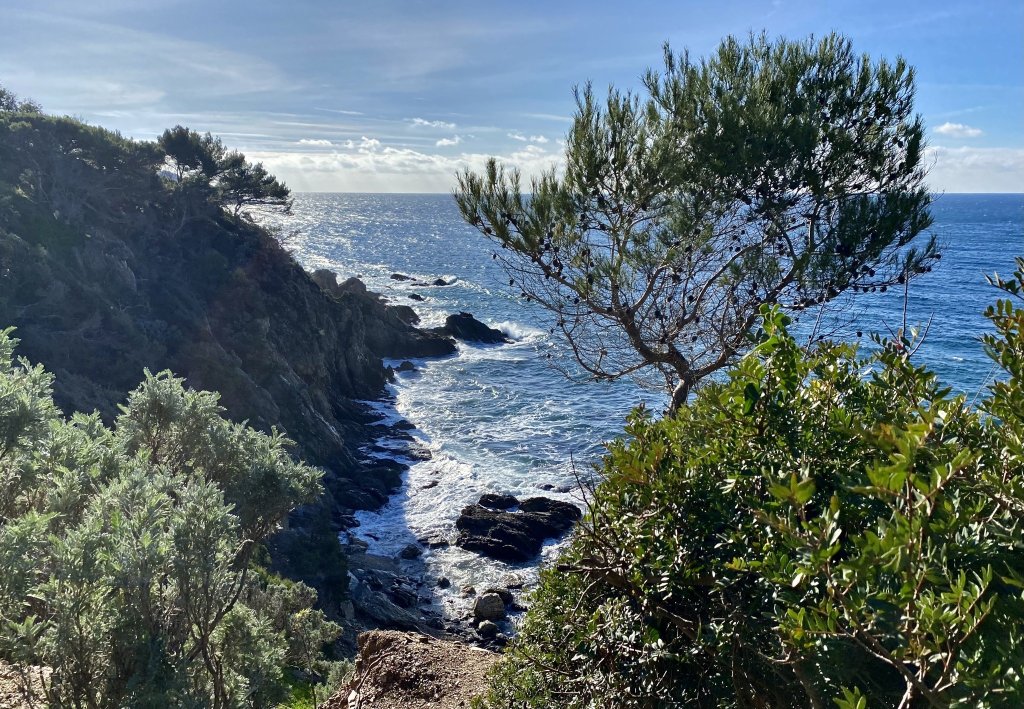
We’ll take you on a journey to discover this gem of the Var! This article guides you through everything the peninsula has to offer, from the Salt Road to Port-Cros National Park, including the best swimming spots and hiking trails suitable for all skill levels.
Natural sites to discover
The Giens Peninsula is a designated “Grand Site de France” (a status currently in the works), and it’s easy to see why at first glance. The coastal trail—about 18 km in total—circles the island on foot. You can hike it in a single day or break it up into two loops depending on your fitness level.
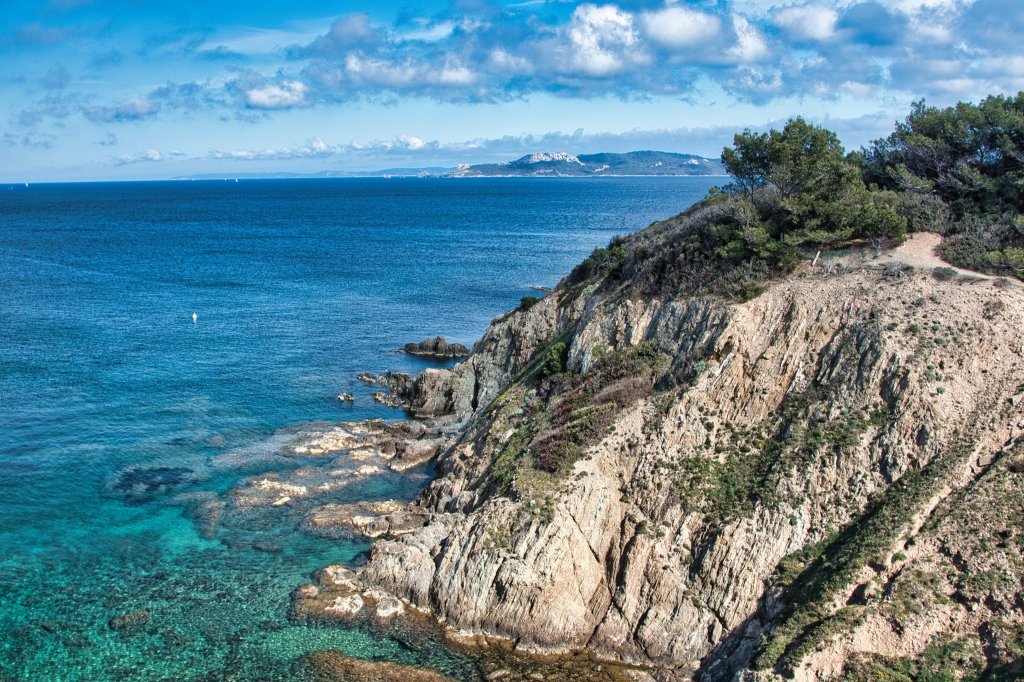
The western loop, between La Madrague and Port du Niel, is the wildest. The trail winds between the seaside and Mediterranean scrub, offering successive panoramic views of Porquerolles, the small calanques, and Almanarre Bay. Allow 3 hours for this loop, not including swimming breaks.
The eastern loop, which is more accessible, starts at Badine Beach and follows the coast to Tour Fondue. It is well-suited for families and offers beautiful views of Toulon Harbor.
The western tip of the peninsula, with its 116 hectares protected by the Conservatoire du littoral, is the best-preserved area. It stretches from Les Chevaliers to La Darboussière, facing the islands of Grand-Ribaud and Porquerolles to the southeast.
In the heart of the double tombolo, the Salin des Pesquiers is worth a stop. From the salt road, observation points allow you to watch birds in their natural habitat. It’s a hike in its own right, flat and accessible to everyone.
The peninsula is also part of the Port-Cros National Park’s area of influence. The exploration can easily be extended from the Tour Fondue, the departure point for Porquerolles.
Beaches to visit
The beaches of Giens are unlike those found elsewhere along the coast. Here, you can choose between the wide sandy stretches of the tombolos and the secluded coves accessible only on foot.
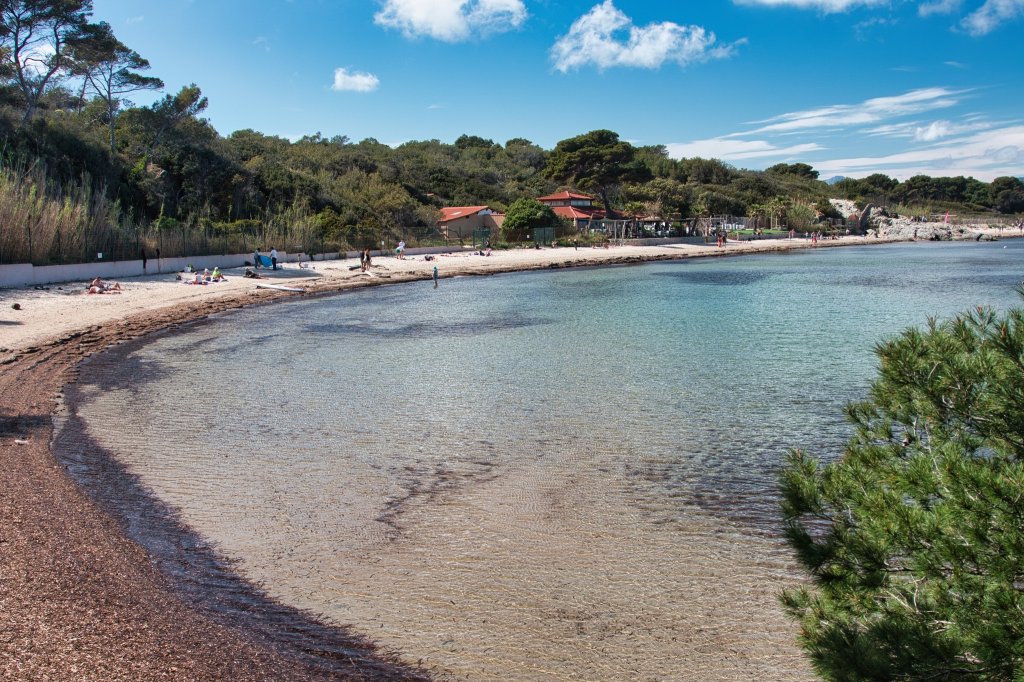
Almanarre Beach stretches along the western tombolo for 5 km. The sand here is white, and the water is very shallow on the Giens side, making it ideal for children. When the wind blows from the west or the mistral, windsurfers and kitesurfers flock here in large numbers. When the wind blows from the east, however, the sea is calm and the water takes on surreal colors.
Badine Beach and Pradeau Beach stretch along the eastern tombolo. They are sheltered when the mistral blows and offer peaceful swimming with a view of the Îles d’Or. The sand here is fine, ideal for families with children.
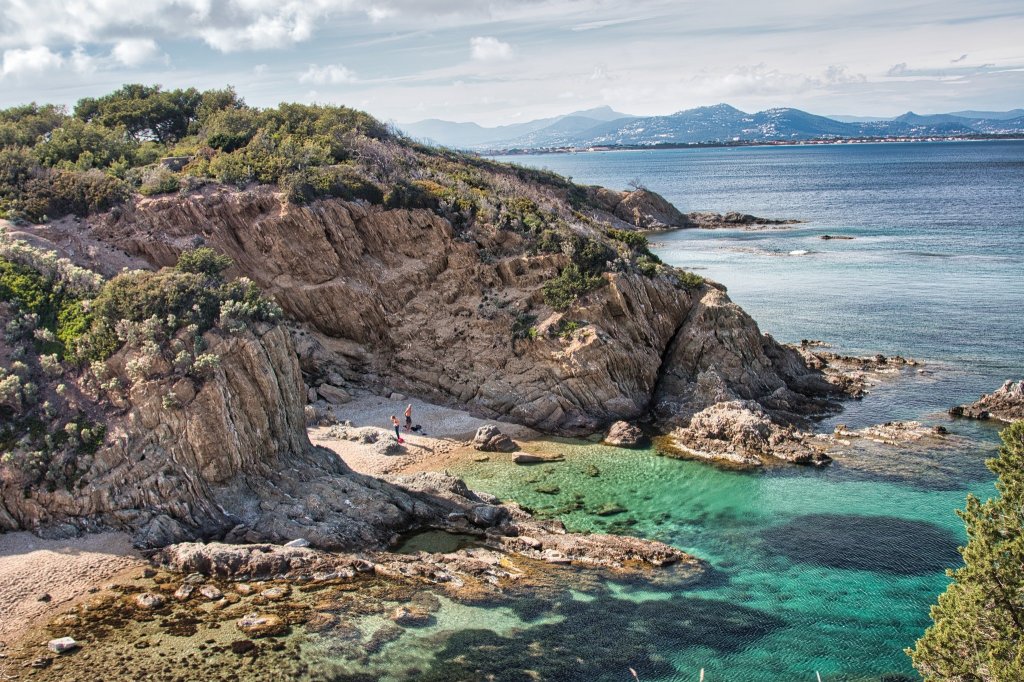
The coves on the west coast—Darboussières, Escampo-Barriou, Four à Chaux—are worth the effort. The sea is calm there, and the water is crystal clear. The more secluded Escampo-Barriou Beach is a 40-minute walk from Darboussières.
For the wildest landscapes, head to the Pointe des Chevaliers. The cliffs plunge into turquoise waters, and the views of the open sea are among the most beautiful in the Var. These spots are among the most exceptional that Giens has to offer.
Exceptional flora and fauna
Giens is one of the richest natural sites on the French Mediterranean coast. Its biodiversity is protected by several organizations: the Conservatoire du littoral, the Port-Cros National Park, and the LPO Provence-Alpes-Côte d'Azur work together on the ground.
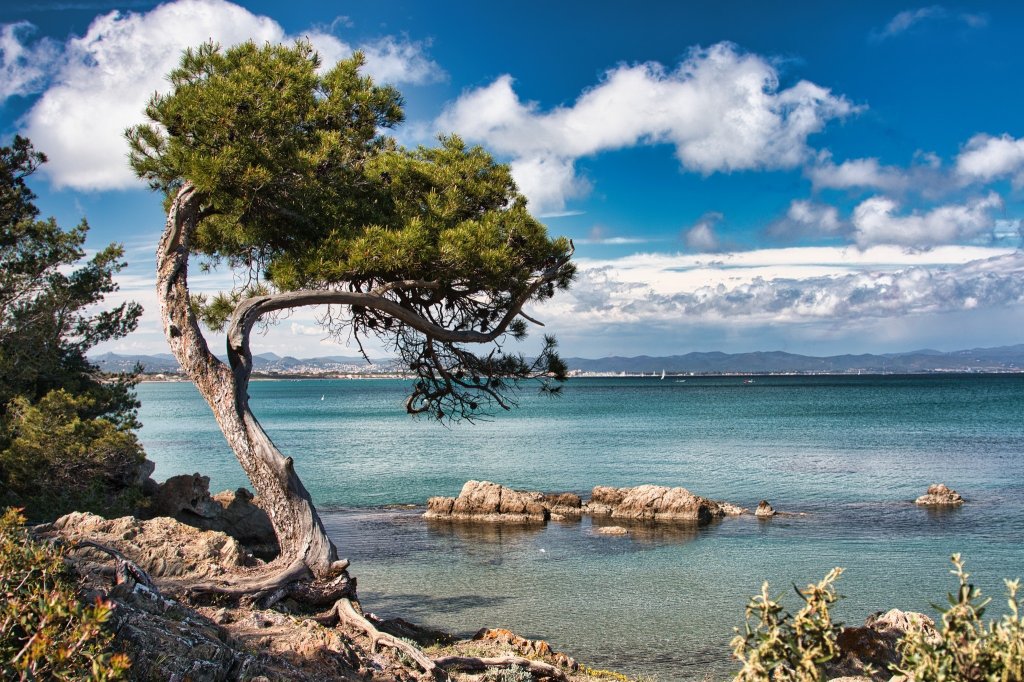
The peninsula is covered by a coastal forest composed mainly of Aleppo pines and holm oaks, which borders an almost impenetrable Mediterranean maquis of mastic trees, filaria, and sarsaparilla. Wild orchids can also be found there, including the Hyères lavatera — an endemic species — and protected species such as the sand lily and the three-lobed stachys.
Underwater, the biodiversity is just as remarkable. The seabed is home to the most beautiful Posidonia seagrass meadow on the French Mediterranean coast. These underwater meadows play an essential role: producing oxygen and serving as a breeding and feeding ground for dozens of species.
The Salin des Pesquiers is a premier bird sanctuary. More than 70 species nest there, including 7 that are of major conservation concern. It is also home to 206 migratory species and 114 wintering species, such as the pink flamingo—about 800 birds in winter and up to 2,000 in August and September.
The LPO conducts regular bird monitoring across all the peninsula’s wetlands. The environment is fragile: stay on the marked trails and avoid picking or collecting anything.
The sea caves of Calanque du Blé
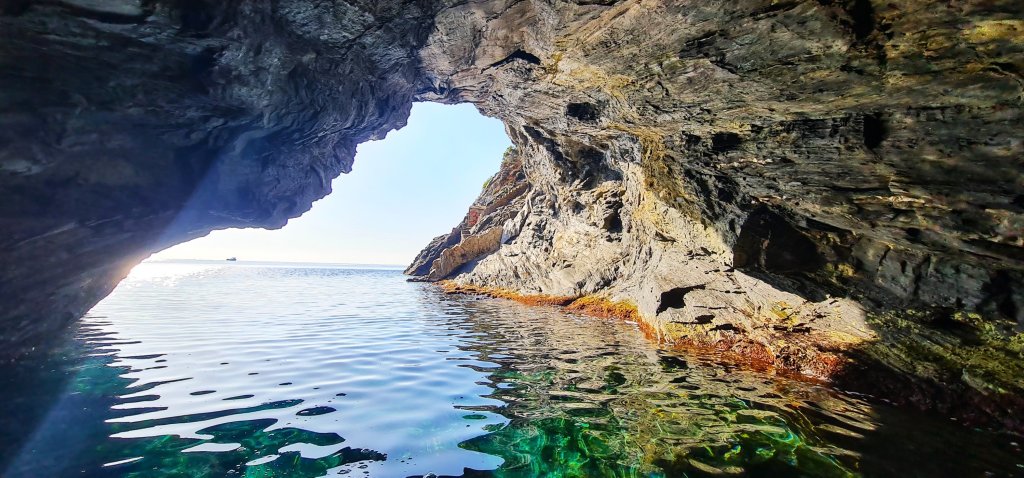
One of the most memorable experiences on the peninsula is best enjoyed from the water. At Calanque du Blé, on the west coast between Pointe des Chevaliers and Escampo-Barriou, lie hidden sea caves accessible only by kayak or paddleboard.
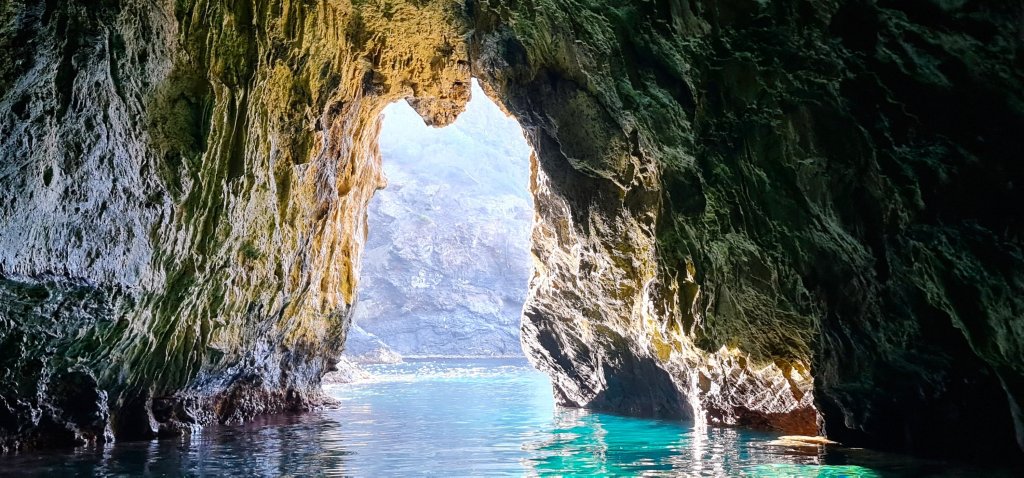
The most spectacular one features the “blue cave” lighting effect: sunlight penetrates the water, giving it a fluorescent blue color. The walls are covered with sponges and yellow encrusting anemones.
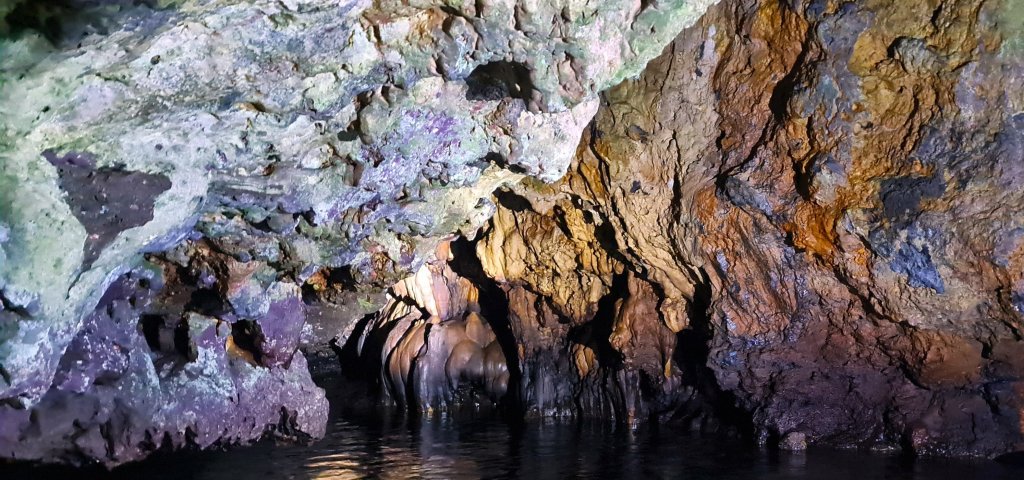
These sea caves are protected areas where several fragile species nest—it is important to visit them with caution and respect the environment. The starting point is the Port de la Madrague. The entrances are hard to find and no more than a meter wide, which makes the experience all the more special. Bring a mask and snorkel; the water is clear and the seabed is worth a look.
See also: discover all our ideas for things to do on the Giens Peninsula.
Your questions about the Giens Peninsula
After we published this article, you sent us several questions about this little corner of paradise. Here are our answers to your most frequently asked questions.
When is the best time to visit the Giens Peninsula?
What activities are there on the Giens Peninsula?
How do I get to the Giens Peninsula?
What tips do you have for a stay in Giens?
Map of the Giens Peninsula
Here’s a small map to help you find your way around this peninsula, which is actually quite large:
We hope you have a wonderful vacation in this little corner of paradise!