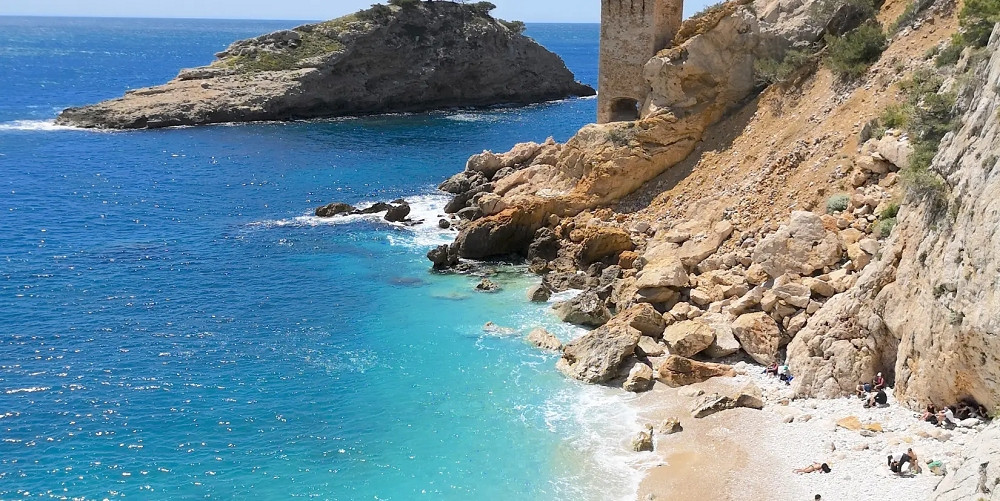

Do you dream of splitting your time between the Calanques of Provence and the beaches of Florida? It’s a lifestyle that’s attracting more and more French and American people.
In practical terms, this means obtaining a visa suited to your circumstances, budgeting for two homes, and long flights with a stopover between Nice and Miami. This article provides you with the practical essentials: formalities, transport, the cost of living, and organising daily life on both sides of the Atlantic. You’ll know exactly what to expect before embarking on this dual-home adventure. Let’s take a leisurely look at the subject.
Why combine Provence and Florida?
These two regions share one major common feature: sunshine almost all year round. Provence offers a Mediterranean climate with dry, hot summers. Florida boasts a subtropical climate, which is more humid but just as sunny. Many American retirees are already familiar with this concept of maintaining two homes – one in the cold north of the United States and one in warm Florida during the winter. Applying the same logic to France and Florida is therefore by no means far-fetched. You escape the damp of the Provençal winter to enjoy the warmth of Florida. Then you leave behind the heatwave and hurricanes of the American summer to breathe the dry air of Provence.

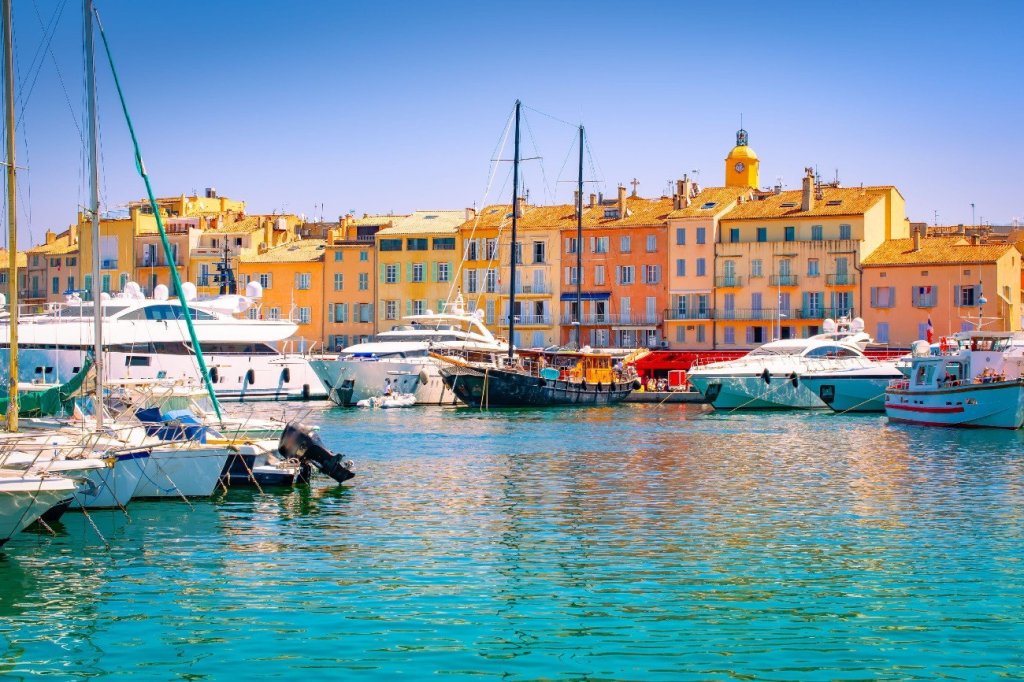
This seasonal back-and-forth attracts a specific type of traveller: entrepreneurs working remotely; retirees seeking two lives in the sun; and binational families juggling their French and American roots. The Côte d’Azur and the Florida coast are also similar in their festive atmosphere. Cannes has its film festival; Miami has its Art Basel. Saint-Tropez has its yacht harbour; Fort Lauderdale has its own. This cultural kinship makes it easier to adapt when moving between the two. Let’s now look at how to organise this dual-residence lifestyle in practical terms.
What formalities are involved in setting up a home in both territories?
This is the first question everyone asks. The Visa Waiver Programme allows French nationals to stay in the United States for up to 90 days without a visa, provided they hold a machine-readable security passport. You simply need to apply for ESTA authorisation before departure. This authorisation remains valid for two years, and you can make several trips to the United States during this period, provided that each stay does not exceed 90 days.
For a couple who divide their time between Provence and Florida without exceeding this limit, ESTA is more than sufficient. Problems arise if you wish to stay longer or work there. If you stay in Florida for more than 90 days, a visa becomes compulsory – or even a green card, depending on your plans. There are various categories of visa available, depending on whether you are buying property, setting up a business, or joining a US spouse. Don’t forget your passport either. It must remain valid for at least six months after the end of your stay, and you must present a return or onward ticket upon entry into the country. Always carry proof of sufficient funds for the duration of your stay.
As far as France is concerned, there is nothing to stop you from retaining your tax residence in Provence if you spend the majority of the year there. The general rule is that you are considered to be resident for tax purposes where you live for more than 183 days. It is best to consult a tax specialist in Franco-American law to avoid any unpleasant surprises, as the situation varies depending on your income and status. Let’s now move on to an equally practical topic: how to travel between the two regions.
How do you travel between Provence and Florida?
The journey requires a little patience. No airline currently offers a direct flight between Nice and Miami. You will therefore need to make a stopover, most often in Paris, London, Madrid or a major US city on the East Coast. The distance between Nice and Miami is around 7,900 kilometres. You should generally allow between 13 and 16 hours for the journey, including the stopover, depending on the airline you choose.
A good option is to travel to Paris by TGV or by plane from Marseille or Nice, then take a direct Paris–Miami flight operated by Air France or Delta. In February, there are around fifteen different airlines operating this route, which gives you plenty of scope to compare prices. Fares vary significantly depending on the season, so book several months in advance if you want to save money. For road trip enthusiasts, Miami is just a starting point.
Many travellers take the opportunity to extend their stay with a city break in Miami, Florida before heading off to the Keys or Orlando. This allows you to make the most of such a long flight by exploring more of the destination. As for airports in Provence, Nice remains the main hub for intercontinental flights. Marseille-Provence also offers a few connections, but these often involve more stopovers. Always check timetables during the low season, as some routes are suspended in winter. Let’s now look at what this dual-residence lifestyle really costs.
What budget should you set aside for a dual residence?
The calculation isn’t limited to the cost of plane tickets. Owning or renting a property on both sides of the Atlantic accounts for the bulk of the expenditure. The property market in Provence varies enormously depending on the village: a country house in the Luberon costs considerably more than a flat in Aix or Marseille. In Florida, prices also depend heavily on the area. Miami Beach and Naples command high prices, whilst towns such as Fort Myers or Tampa remain more affordable.
Many French people who make this choice opt for a seaside flat, which is easier to maintain from a distance than a large house. Don’t forget the recurring costs: US property taxes, service charges, home insurance and maintenance whilst you’re away. In Provence, you’ll also need to factor in property tax, insurance and, in some cases, the cost of an agency to look after the house whilst you’re away. The cost of flights is also a significant factor.
Prices start at around 400 to 500 euros one way during normal periods, but rise sharply in high season. If you make several return journeys a year, this expense quickly becomes a significant part of your overall budget. Finally, don’t forget about health cover. The French social security system does not cover your healthcare in the United States. Travel insurance or international health cover becomes essential as soon as you spend several months a year in Florida. Let’s now look at how to organise your lifestyle between the two regions in practical terms.
How can you balance your year between Provence and Florida?
The most common approach follows the reverse seasons. You enjoy spring and summer in Provence, with its Provençal markets, Mediterranean beaches and festivals. Then you head to Florida for autumn and winter, when the weather there is at its best. This arrangement also allows you to avoid the hurricane season, which generally affects Florida between June and November. Many residents with two homes specifically plan their return to Provence during this sensitive period. It’s a simple way to minimise weather-related risks without sacrificing the sunshine.
Managing two homes from a distance requires a bit of organisation. Some people hire a local property manager to keep an eye on the property whilst they’re away. Others prefer to rent out their unoccupied home via short-let platforms, which helps cover some of the running costs. The time difference is also worth taking into account in your daily routine. You need to subtract six hours from Provence time to get Miami time. For remote working or dealing with administrative matters from afar, it’s best to schedule your appointments for late morning in Provence.
Finally, keep an eye on your bank balance and payment methods. Opening a US bank account makes life there much easier, whether for paying local bills or receiving rent. A multi-currency account can also simplify transfers between your two homes. Living in two places requires forward planning, but it offers a real luxury: never having to leave the sunshine. If you’re planning this move, don’t hesitate to seek local advice, whether from a Franco-American tax specialist or a local estate agent in Florida, to ensure every stage of your relocation goes smoothly.