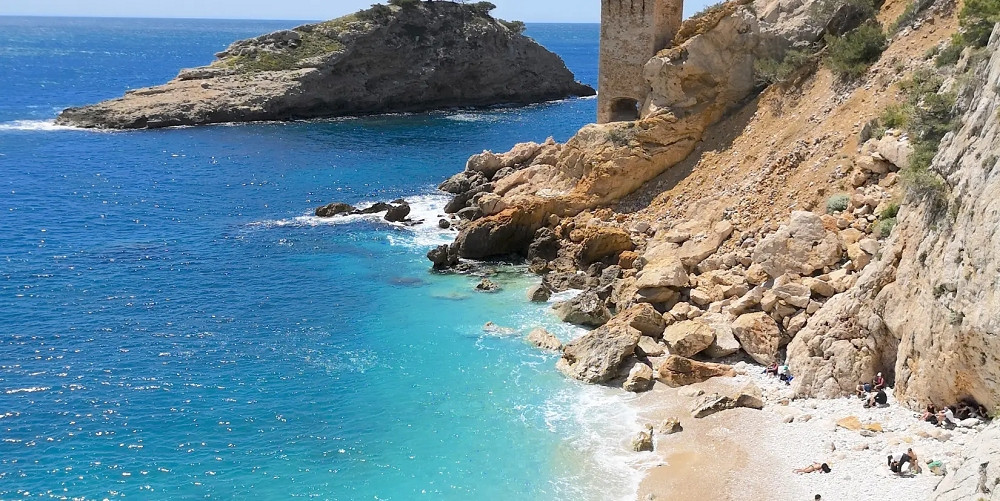

Discover the Menton Region, a little paradise on Earth
The Menton Region (called “Pays de Menton” in French) lies at the easternmost tip of the French Riviera, between Monaco and Italy. Here you’ll find a seaside town, several hilltop villages, and a mountainous hinterland.
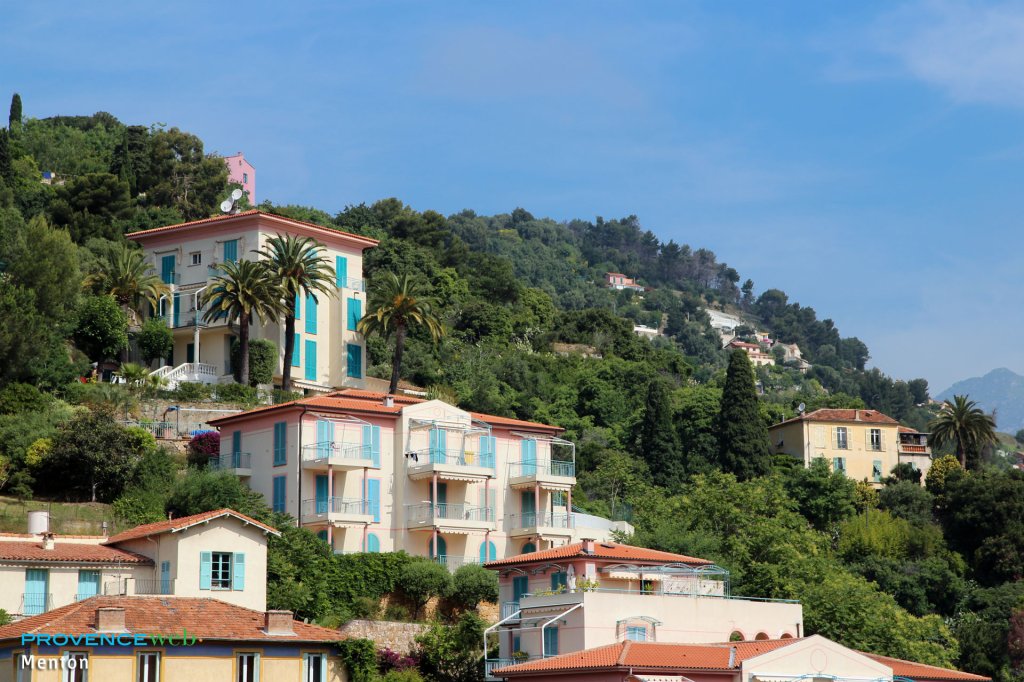
Menton is a must-see. The old town, with its ochre-colored facades, climbs up toward the Basilica of Saint Michael the Archangel. The botanical gardens, Val Rahmeh, and Fontana Rosa are all just a few minutes from the center. Roquebrune-Cap-Martin adds its medieval castle and coastal trail to the mix. Gorbio, Sainte-Agnès, and Castellar overlook the sea less than ten kilometers away.
Further inland, Sospel and the Roya Valley mark the start of the route to the Mercantour National Park. The climate allows you to enjoy the region year-round. Allow three days for the coast and a week for the rest. Here’s how to plan your trip.
The beautiful villages of the Menton Region
The Menton hinterland is tiny. In a twenty-minute drive from the sea, you go from the coast to medieval villages clinging to the cliffs. Four of them are worth a visit.
Roquebrune-Cap-Martin
Roquebrune-Cap-Martin stretches from the beach up to an altitude of 300 meters, between Menton and Monaco. The old village crowns the rocky outcrop.
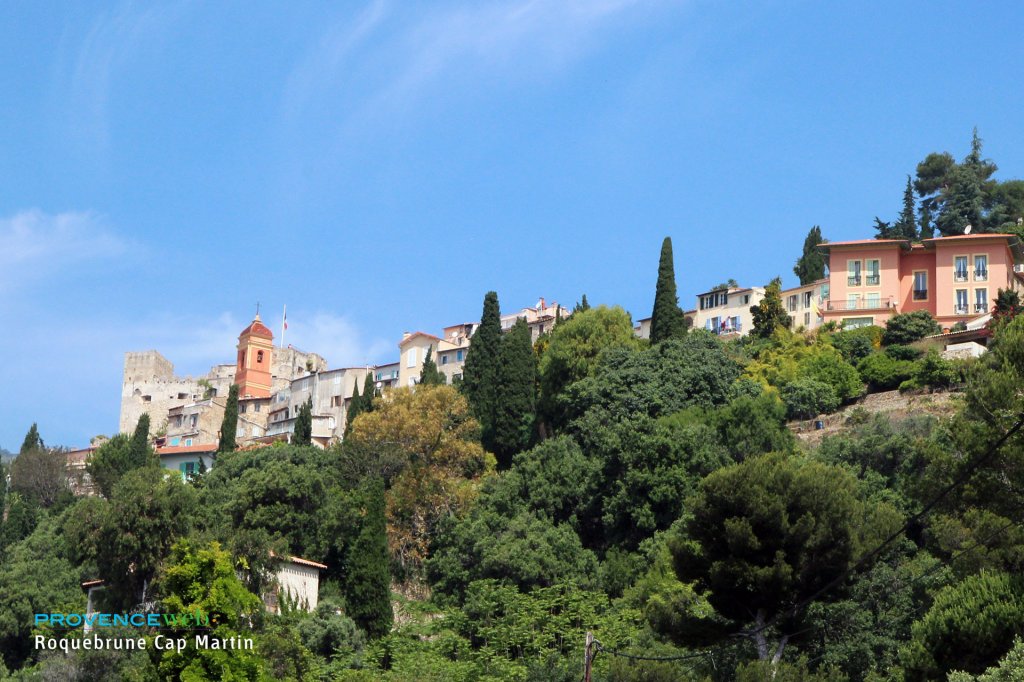
Its castle dates back to the 10th century and is considered the oldest keep in France. It is also one of the few remaining examples of Carolingian architecture in the country. The British owner, William Ingram, donated it to the town in 1921. Allow 30 to 45 minutes for the tour.
From the rampart walk, the view takes in the rooftops, Cap Martin, and the principality. On the road to Menton stands an olive tree believed to be two thousand years old, designated a “Remarkable Tree of France.”
Below, the coastal trail winds around the cape beneath the pine trees. It passes by Eileen Gray’s Villa E-1027 and Le Corbusier’s Cabanon, both designated World Heritage Sites. The architect is buried in the village cemetery.
Sainte-Agnès
Sainte-Agnès rises to nearly 800 meters, about ten kilometers from the sea. The village claims the title of Europe’s highest coastal village. It has been listed among the Most Beautiful Villages of France since 1997.
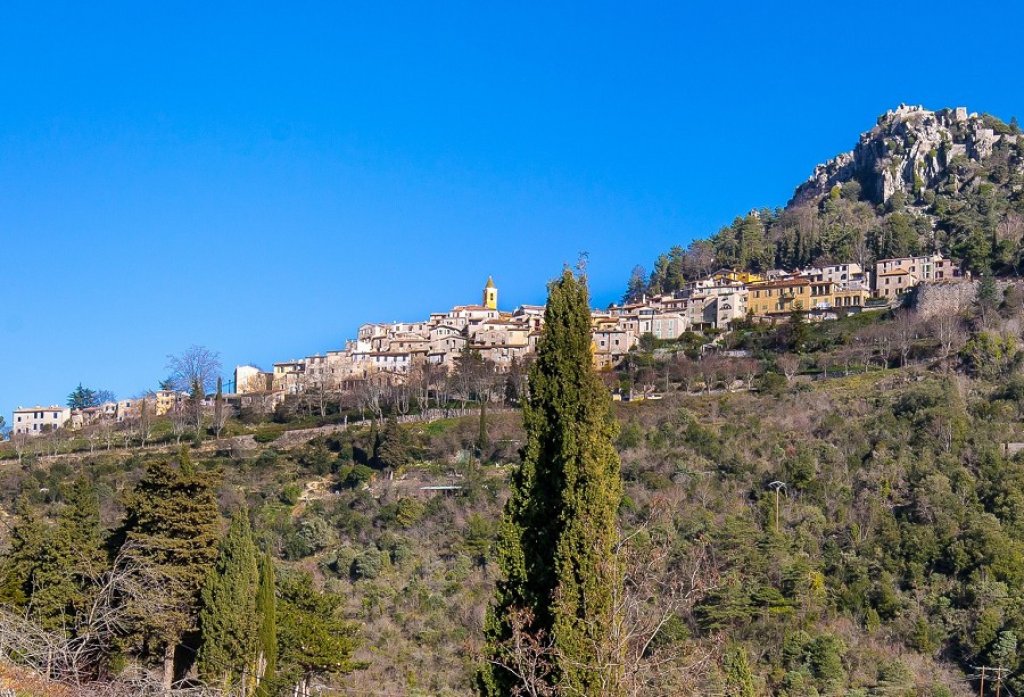
Its cobblestone streets and vaulted passageways form a cohesive medieval ensemble. The ruins of the fortified castle overlook the site. Louis XIV ordered its destruction in 1691. Today, a medieval garden occupies the interior of the restored ramparts.
The other point of interest relates to military history. The Sainte-Agnès Fort, carved into the cliff between 1932 and 1938, formed the southern bastion of the Maginot Line and defended the Bay of Menton.
The panoramic view makes the climb worthwhile. On a clear day, you can take in the coastline from Cap Martin all the way to the Italian Riviera. The GR 51 trail crosses the town and connects to neighboring villages.
Gorbio
Gorbio stands at 360 meters, seven kilometers from Menton. Mount Agel and the Col de la Madone surround it, set against a rocky, almost alpine backdrop.
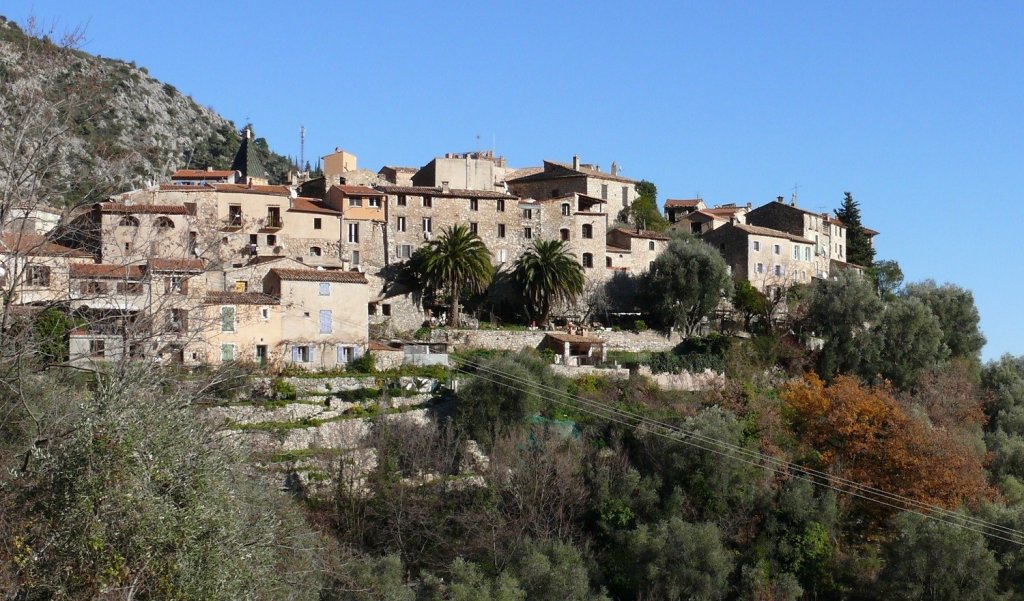
You can explore the heart of the village in an hour. Houses with porticoes, vaulted passageways, and pointed-arch gateways evoke the original medieval town. The cobblestone streets lead up to Place de la République.
There stands the village elm, planted in 1713 and ranked among the 100 most remarkable trees in France. The residents celebrate it every early September, dressed in 18th-century costumes.
The Baroque Saint-Barthélemy Church dates back to the 17th century. It is joined by the chapels of the White Penitents, Saint-Lazare, and Saint-Roch. The ruins of the Lascaris Castle host seasonal exhibitions.
The village comes alive in the summer with its flamenco festival. The “Limaces” procession, illuminated by snail shells holding flames, takes place on Good Friday.
Castellar
Castellar sits on Saint-Sébastien Hill, overlooking Garavan Bay. The present-day village dates back to 1435. The ruins of the original settlement, built in the 13th century, are an hour’s walk away.
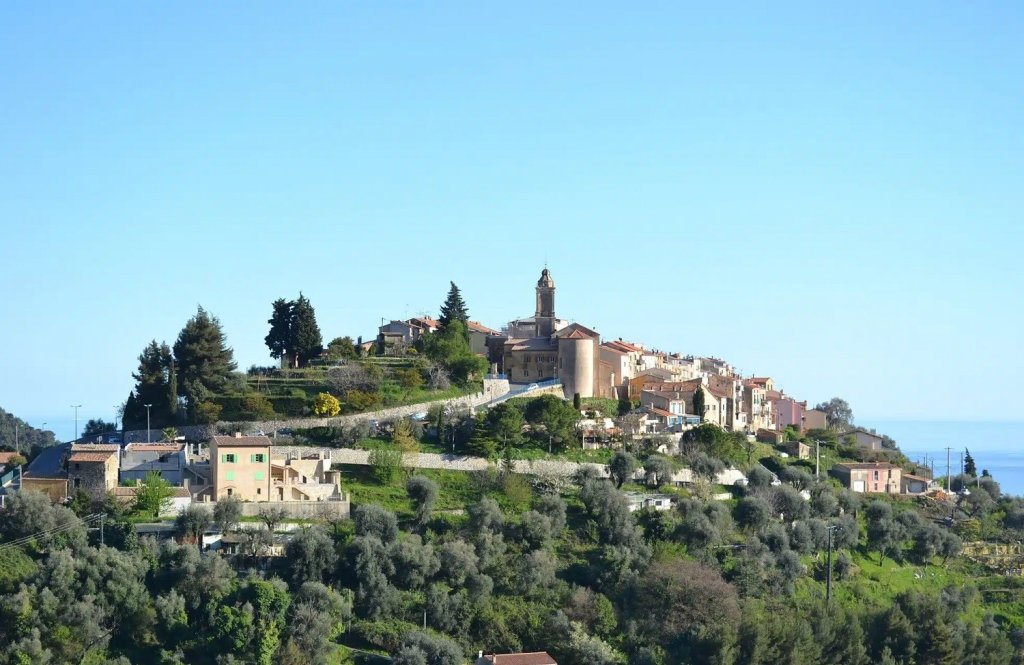
The first written mention dates back to 1258. Beginning in 1388, the village belonged to the Lascaris family, whose former stately palace still stands.
The atmosphere has a distinctly Ligurian feel. Ochre facades, narrow alleys, fountains, and chapels create a setting that feels more Italian than French.
It is also a well-known hiking hub. The GR 51 and GR 52 trails intersect here, offering unobstructed views of Menton, Monaco, and Ventimiglia. The loop from the seaside covers 9 kilometers with 400 meters of elevation gain. The olive tree, cultivated here for centuries, has its own festival in March.
Menton
Menton marks the end of the French Riviera, just two kilometers from the Italian border. An amphitheater of mountains shields it from the mistral wind and gives it a subtropical climate.
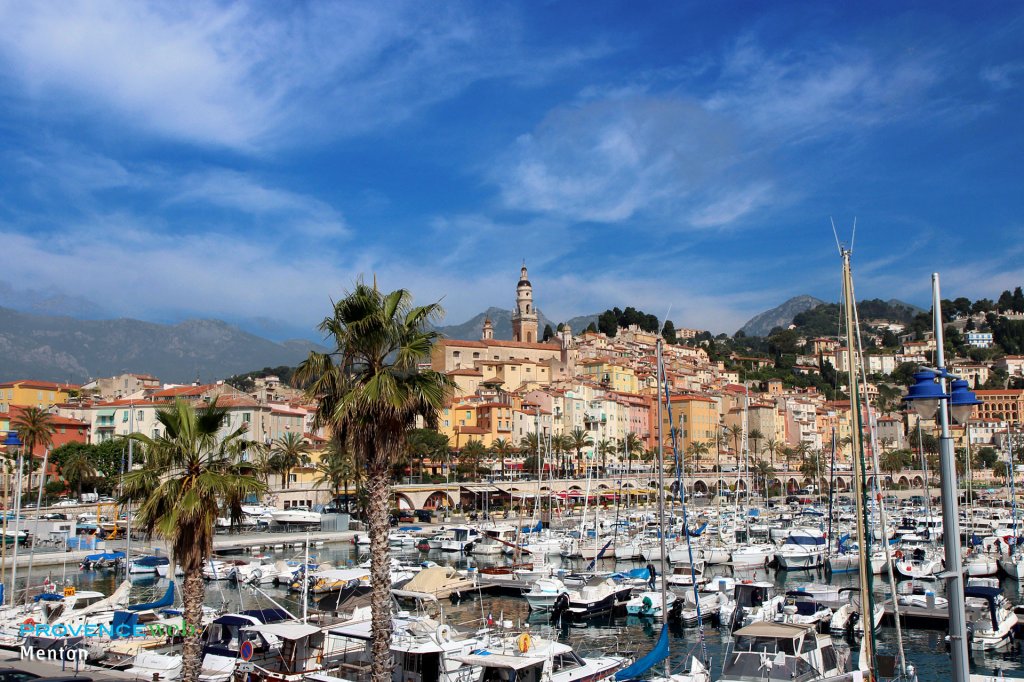
Old Menton is perched above the harbor. Its ochre and terracotta facades are more reminiscent of Liguria than the French Riviera. Rue Saint-Michel leads to the forecourt of the Basilica of Saint Michael the Archangel, a 17th-century Baroque complex. Climb up to the Vieux-Château cemetery for a panoramic view of the bay.
The gardens are the town’s second defining feature. The Val Rahmeh, part of the National Museum of Natural History, features hundreds of tropical species. The Serre de la Madone, created by botanist Lawrence Johnston beginning in 1924, is laid out in terraces along the road to Gorbio. The Fontana Rosa and the citrus garden at the Palais Carnolès round out the visit.
Jean Cocteau left his mark on the harbor bastion and in the wedding hall at City Hall.
The Menton lemon holds a Protected Geographical Indication (PGI) status. The Lemon Festival brings the city to life in February, with its parades and citrus sculptures at the Biovès Gardens. In August, the music festival takes over the basilica’s forecourt.
What are the culinary specialties of the Menton region?
The lemon dominates the local cuisine. It has held a Protected Geographical Indication (PGI) since 2015, and its thick peel makes it a sought-after ingredient in pastries. You’ll find it in tarts, jam, candied peel, and limoncello.
On the savory side, the local cuisine leans toward Liguria. Barbajuan is a ravioli stuffed with Swiss chard, rice, and cheese, then deep-fried. Pichade is a cross between pizza and pissaladière, with its layer of tomato. Sugelli, artisanal pasta listed as part of the region’s intangible cultural heritage, can be found throughout the Roya Valley.
For something sweet, Menton’s fougasse is flavored with orange blossom. The Halles Market on Quai de Monléon remains the best place to start sampling all of these delicacies. Several nearby restaurants serve these specialties at reasonable prices.
All that’s left is to choose the right time to visit.
When to visit the Menton region?
Menton enjoys a unique climate. The mountains block the mistral, and the town enjoys more than 300 days of sunshine a year. Winters remain mild, which explains the subtropical vegetation.
No season is really to be ruled out. February draws crowds with the Lemon Festival: be sure to book several months in advance. Spring offers the best balance, with the gardens at their peak and reasonable prices.
Summer brings crowds and heat, but the music festival livens up the basilica’s forecourt in August. September and October still offer warm seas and beautiful light, without the crowds.
Allow one day to visit Menton. Add two to three days to explore the hilltop villages. A week-long vacation will give you time to include the Roya Valley in your itinerary.