
Grasse
Last update on
Mar 17, 2026
Highway A8, exit 42 Mougins/Cannes, route N85, N2085.
Highway A8, exit 42 Mougins/Cannes, route N85, N2085.
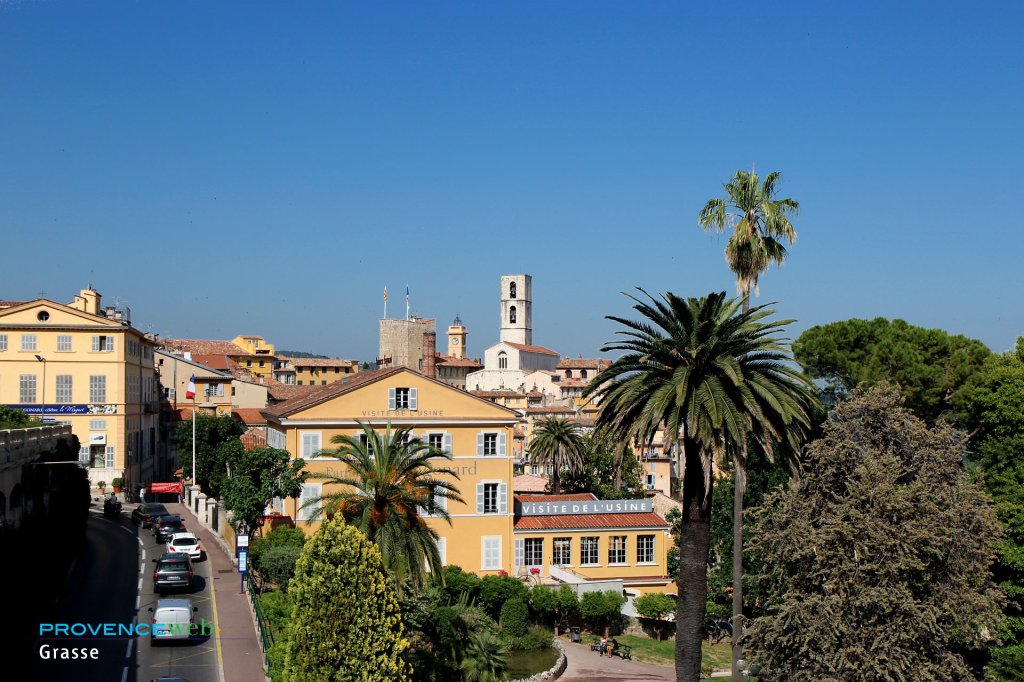
Grasse. The name alone evokes the scent of perfume. Located in the Alpes-Maritimes department, just 12 kilometers north of Cannes and 29 kilometers from Nice, this town in Provence has been recognized as the world capital of perfume since the 17th century.
Where to stay
It owes this reputation to an exceptional Mediterranean microclimate, ideal for growing roses, jasmine, and tuberose. Visiting Grasse means immersing yourself in a unique history, between the old Provençal town, the International Perfume Museum, and perfume creation workshops. The destination attracts tourists from all over the world, and for good reason.
The perfumery expertise of Grasse has been listed on UNESCO’s Intangible Cultural Heritage of Humanity list since 2018. This is no small matter: it is recognition of a tradition that has endured for centuries, carried forward by men and women who have mastered the art of capturing the essence of flowers. Planning your stay here means looking forward to an experience that is at once historical, sensory, and largely unique on the French Riviera.
Every year, two million tourists come from all over the world to visit its perfume museum, factories, and perfume shops. The city’s entire economy revolves around the magical world of perfume.
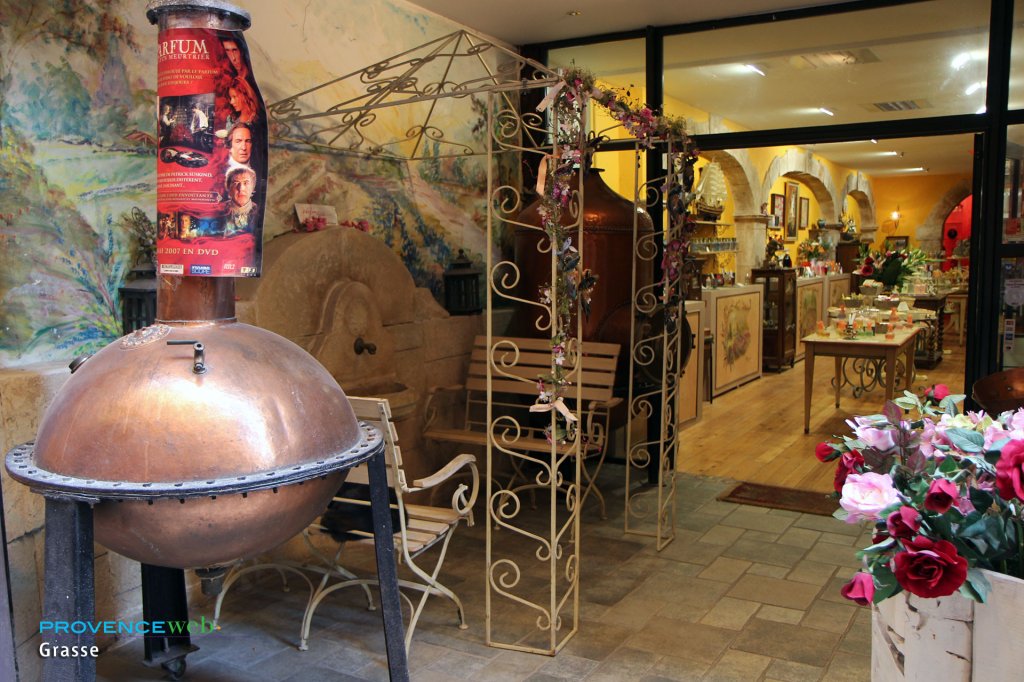
A must-do activity during any visit to Grasse is creating your own perfume!
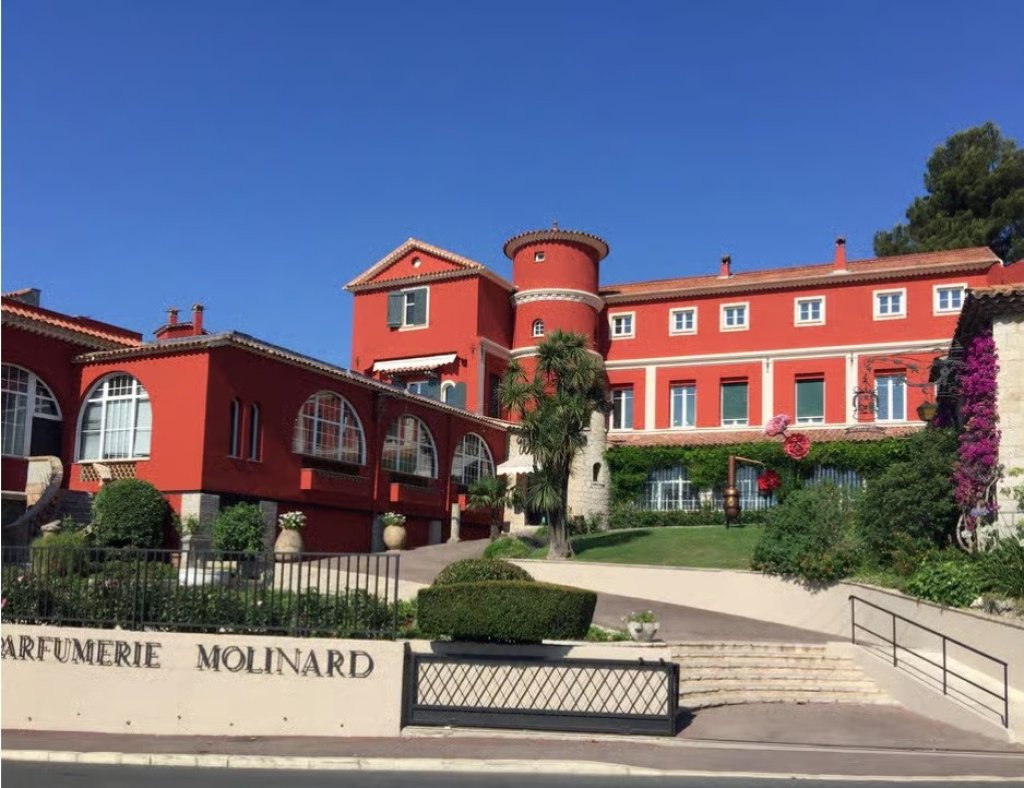
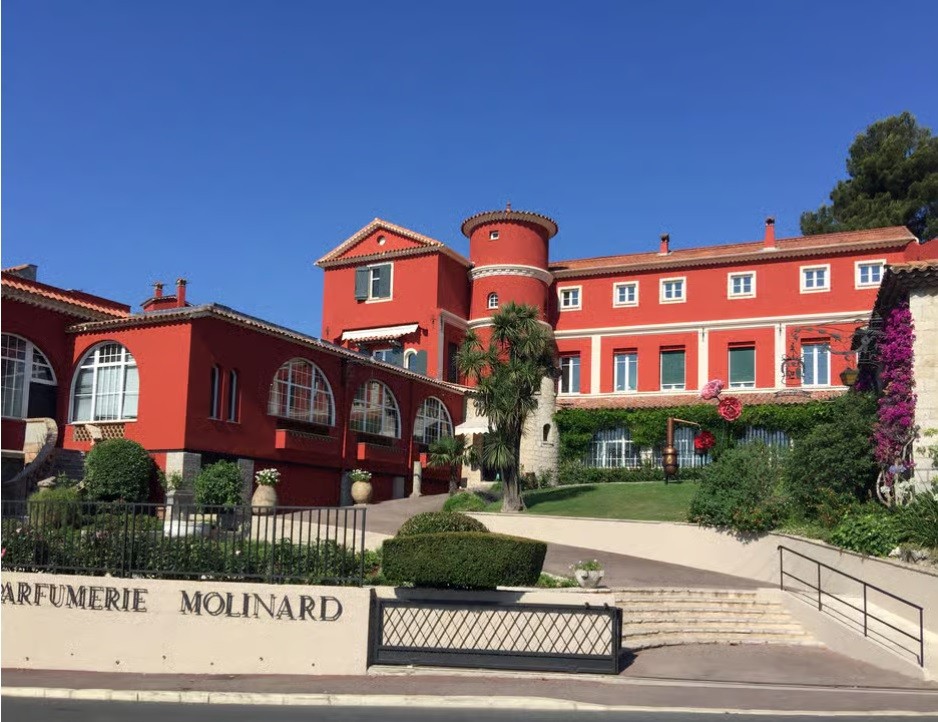
This takes place at the historic Molinard Perfumery: from raw materials to perfume, including distillation and enfleurage, you’ll learn all about the mysteries of perfume-making and create a fragrance with your favorite notes. It’s a fun and unique activity that appeals to adults and children alike! There are one-hour sessions or twenty-minute sessions for those in a hurry.
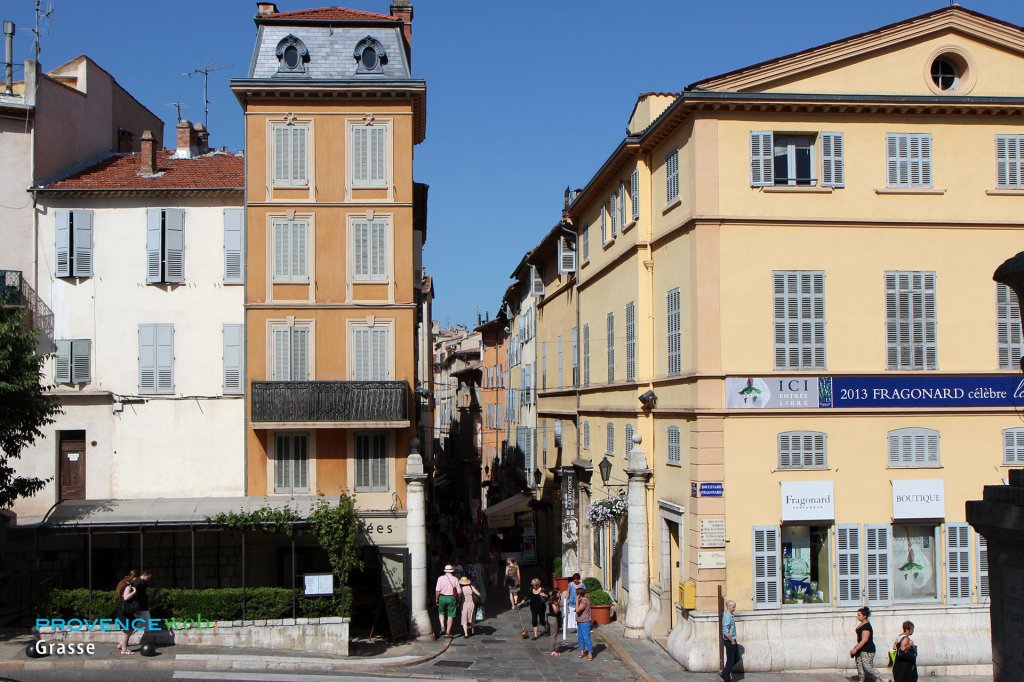
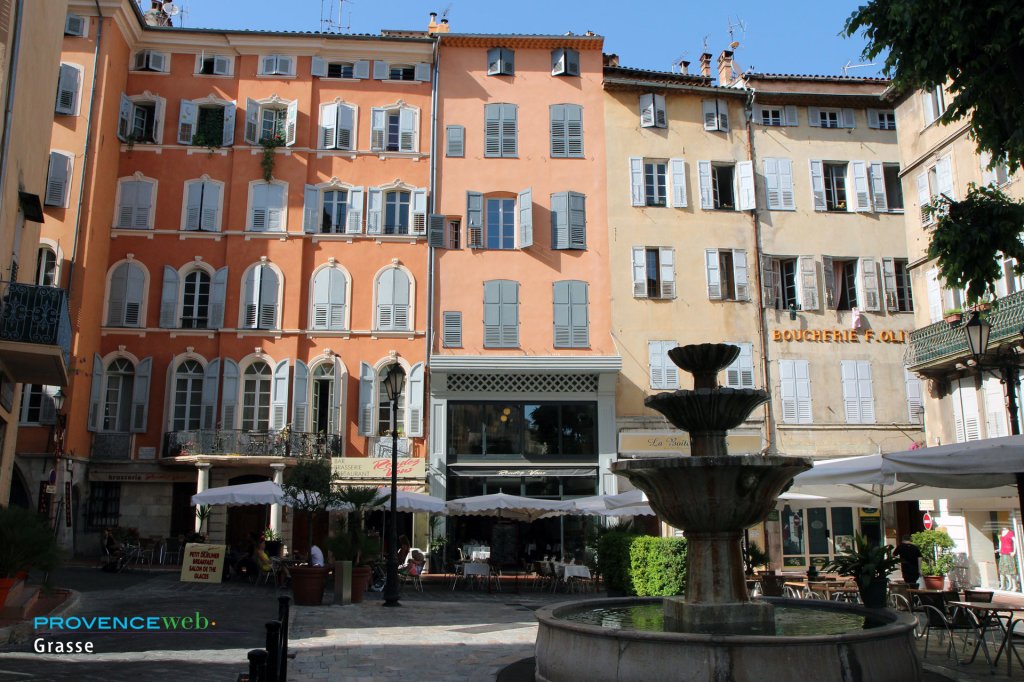
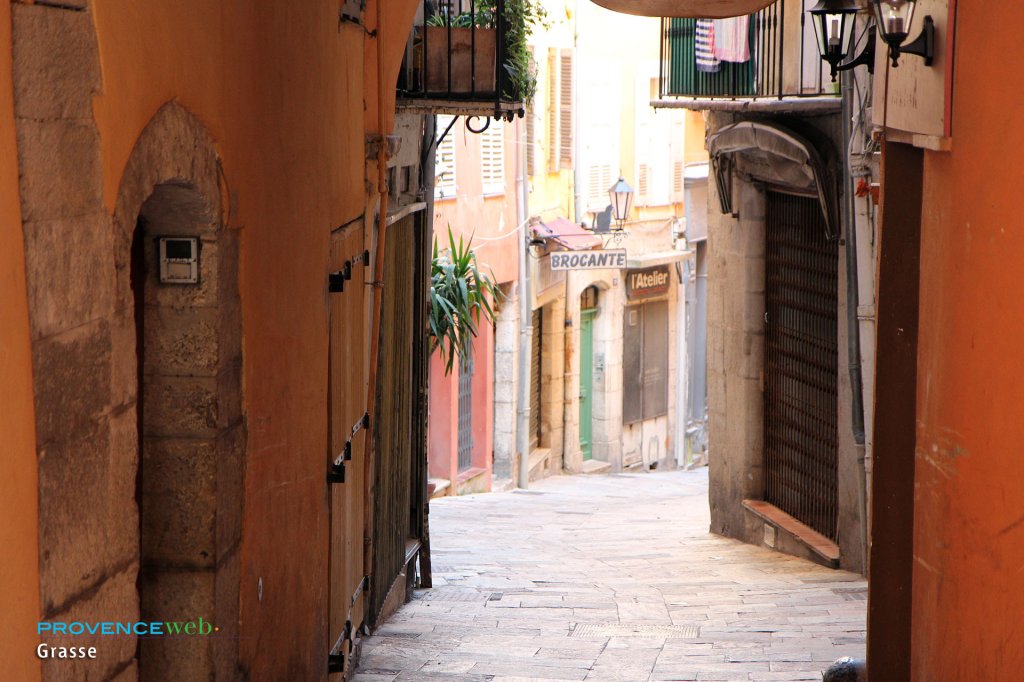
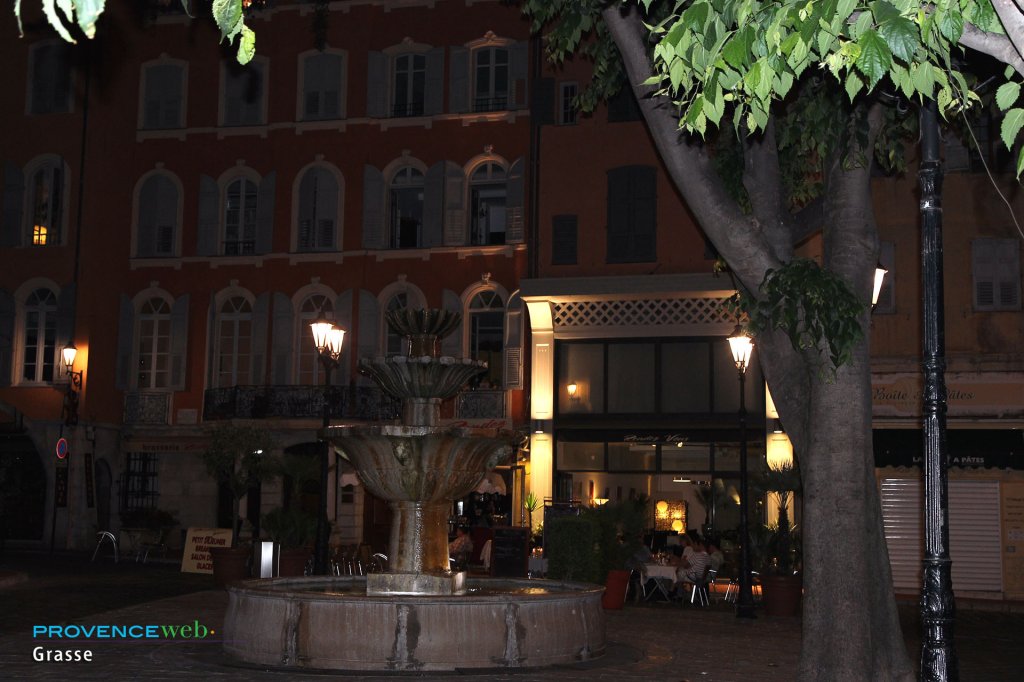
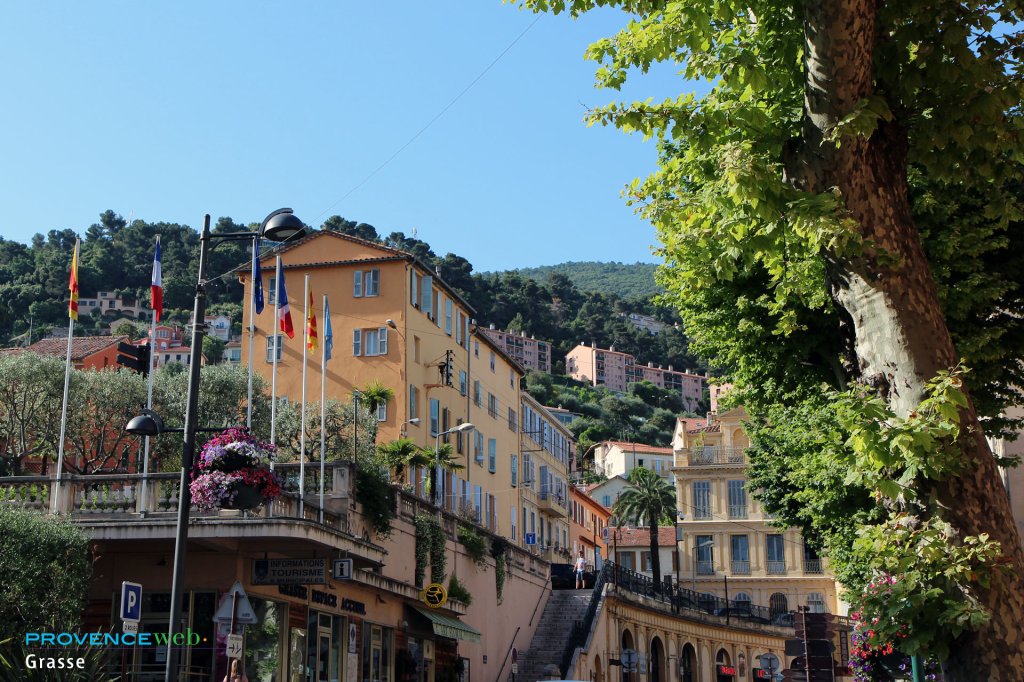
You can then set out to explore a little-known yet fascinating old town. Starting from Place des Aires, with its arcaded houses and Louis XV fountain, take the beautiful, bustling streets that stay cool in summer, lined with small boutiques and traditional shops.

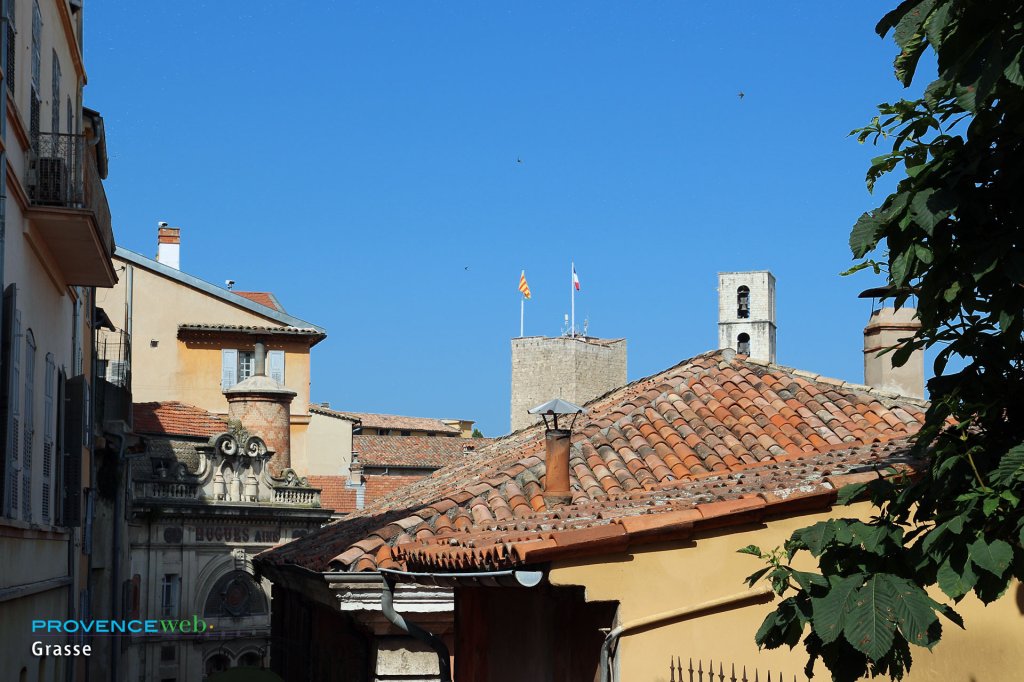
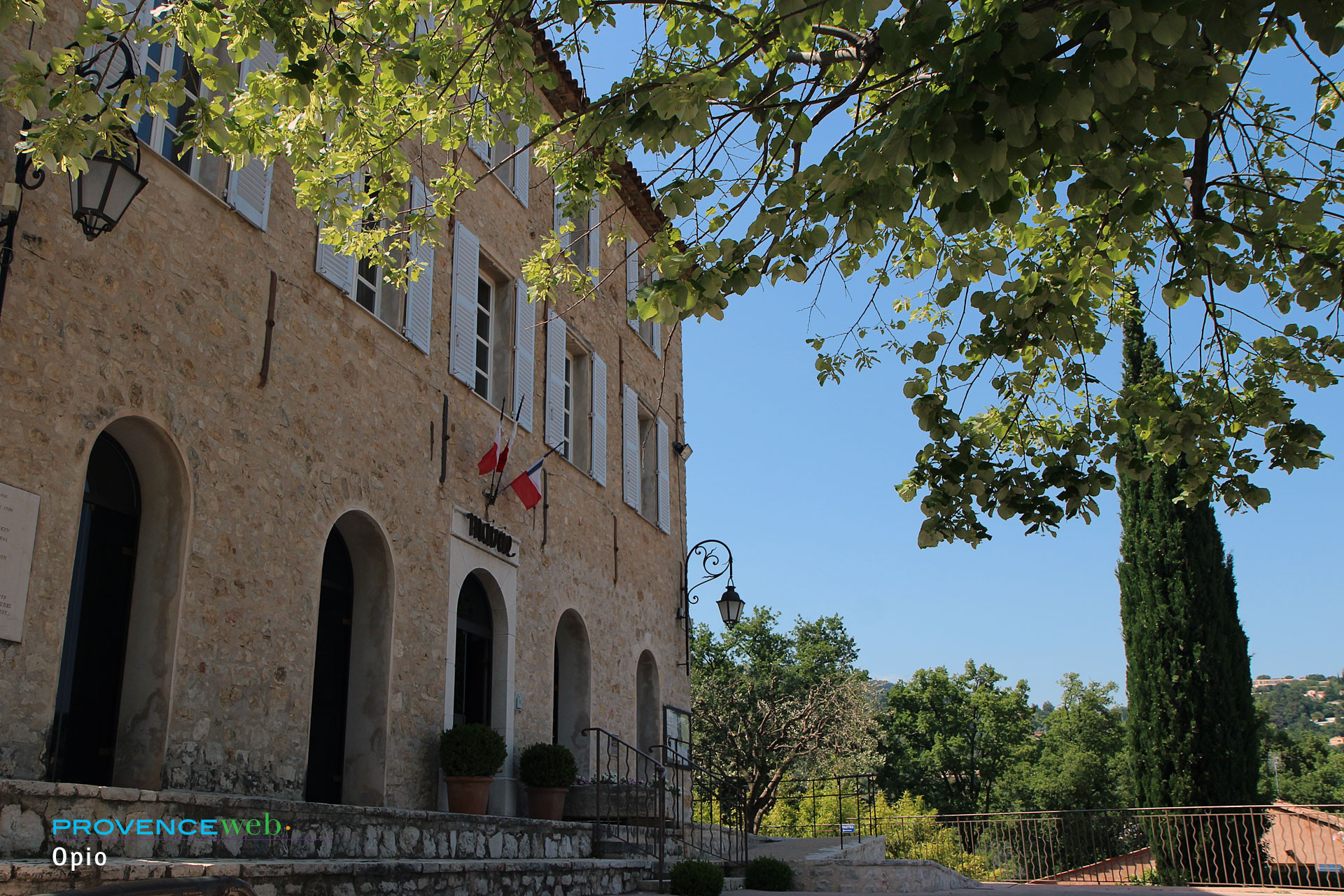
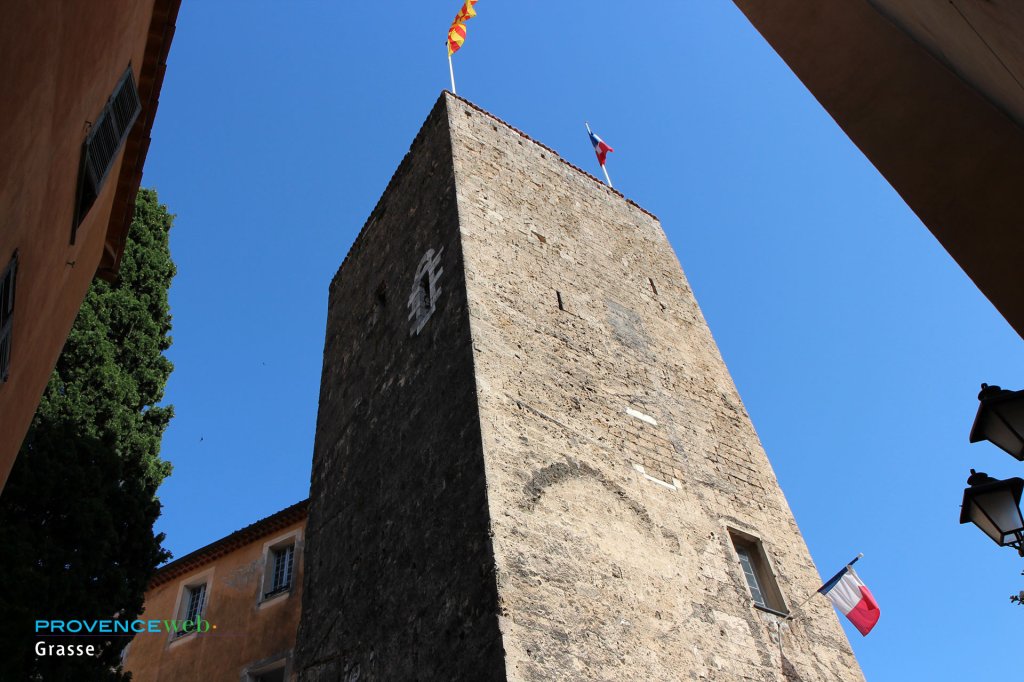
You’ll delight in getting lost in the winding, often stair-like alleys, and along the way you can admire a square Saracen tower, remnants of 16th-century ramparts, the town hall housed in the former episcopal palace, the medieval houses raised in the 17th and 18th centuries, superb mansions (Hôtel de Cabris, Hôtel de Pontevès, Hôtel de Fontmichel), and beautiful 18th-century villas, as well as the Belle Époque casino (now converted into a convention center).
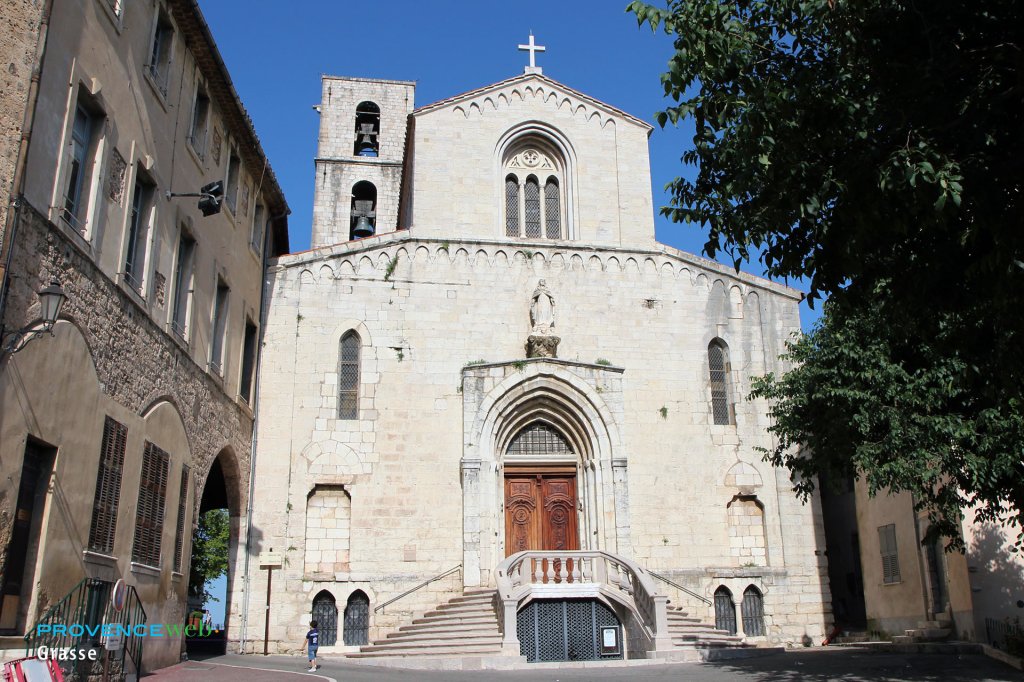
You’ll also come across singing fountains and picturesque squares with inviting café terraces, vaulted passageways, and facades freshly painted in red ochre or yellow. Don’t miss the Notre-Dame du Puy Cathedral, built in the Romanesque-Provençal style: constructed in the 11th century and frequently renovated. Inside, you’ll find a beautiful altarpiece attributed to Louis Bréa, three paintings by Rubens and one by Fragonard, as well as stained-glass windows and statues by Baillet! Caving enthusiasts can descend into the depths of the Trou du Curé (60 meters underground) or the Saint Sauveur waterfall cave.

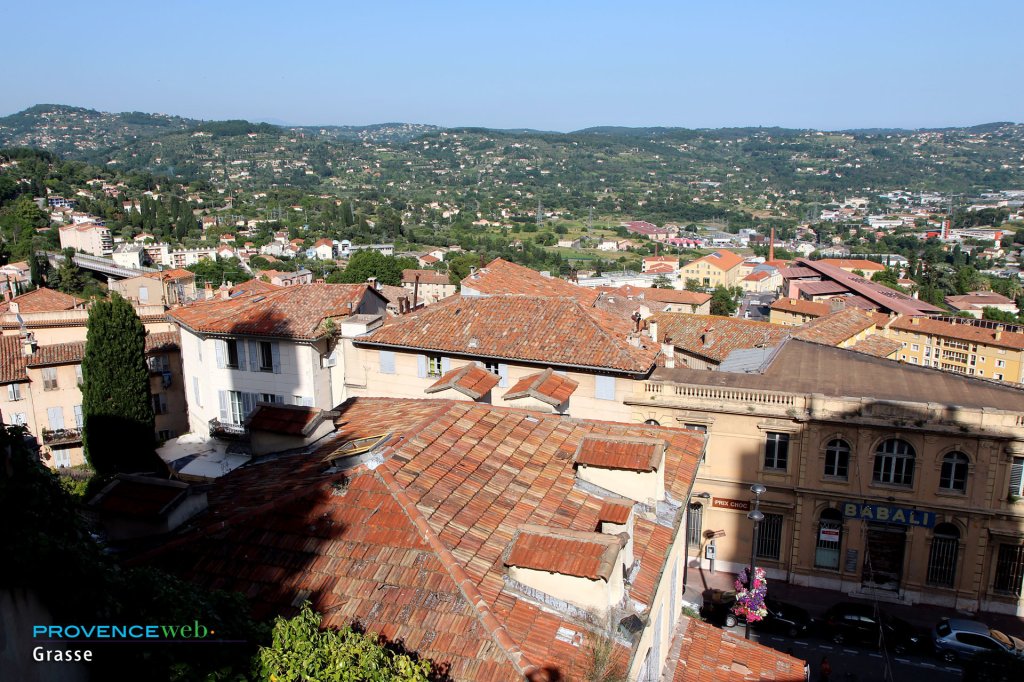
Caving enthusiasts can descend into the depths of the Trou du Curé (60 meters underground) or the Saint Sauveur Waterfall Cave. Those who prefer the great outdoors can go on an excursion in the Loup Valley or simply admire the panoramic view of the coastline and the Estérel from the majestic Cours Honoré-Cresp or from Princess Pauline’s gardens, where an orientation board will help explain this magnificent panorama. To refuel after all these visits, try “Fassum,” a local specialty of zucchini flower fritters... a true delight.
To find your way around the city of Grasse, you can use our map of Grasse, which you’ll find on this page. We’ve marked all the city’s points of interest as well as our recommended accommodations in the area. This way, you can locate them before booking your stay in Grasse. Zoom out on the map to see our recommendations throughout the Grasse region.
Museum of Art and History of Provence.
Amiral de Grasse Museum.
International Museum of Perfume.
Marine Museum.
Numerous chapels (Saint-Thomas, Provencal baroque, Saint-Michel penitent 18th/19th century, restored with exhibition hall) and rural chapels.
Caving: numerous small cavities on the Malle plateau, including "Trou du Curé", and the cave at the Saint-Sauveur waterfall (150 m distance)
Jasmine festivals in August, Rose exhibition in May.
Located near the old city centre of Grasse
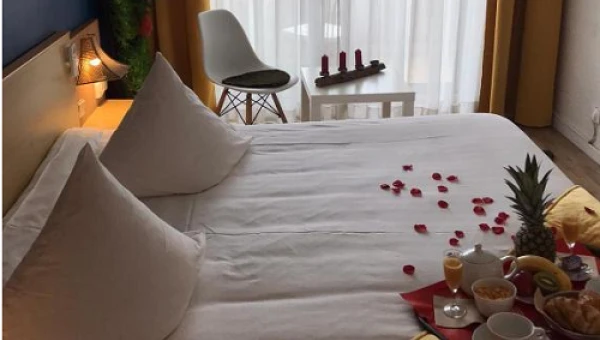
Air conditioned rooms decorated in a Provencal or modern style
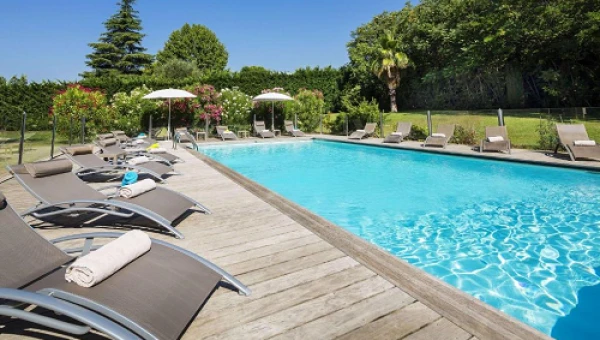
Restaurant - Bar - Swimming pool
In the heart of Grasse, just 2 minutes walk from the historic center
Quiet and comfortable hotel, soundproofed rooms with balcony
Public parking nearby
Featuring a barbecue and sun terrace, Lou Candelou B&B offers accommodation in Grasse. Public parking is available on site. All accommodation is en suite. A shared kitchen is available. Guests can enjoy a wide range of activities, including golf and hiking. A warm welcome and a hearty breakfast!
Discover our selection of houses, villas and apartments on Airbnb for an authentic stay in this Provençal village. You will love your vacation here.
Hotels.
Bed and breakfast.
Holiday rentals.
Campsites.
We’ve received many questions about Grasse. Here are our answers to your most frequently asked questions to help all our readers. Feel free to send us an email if you have any other questions.
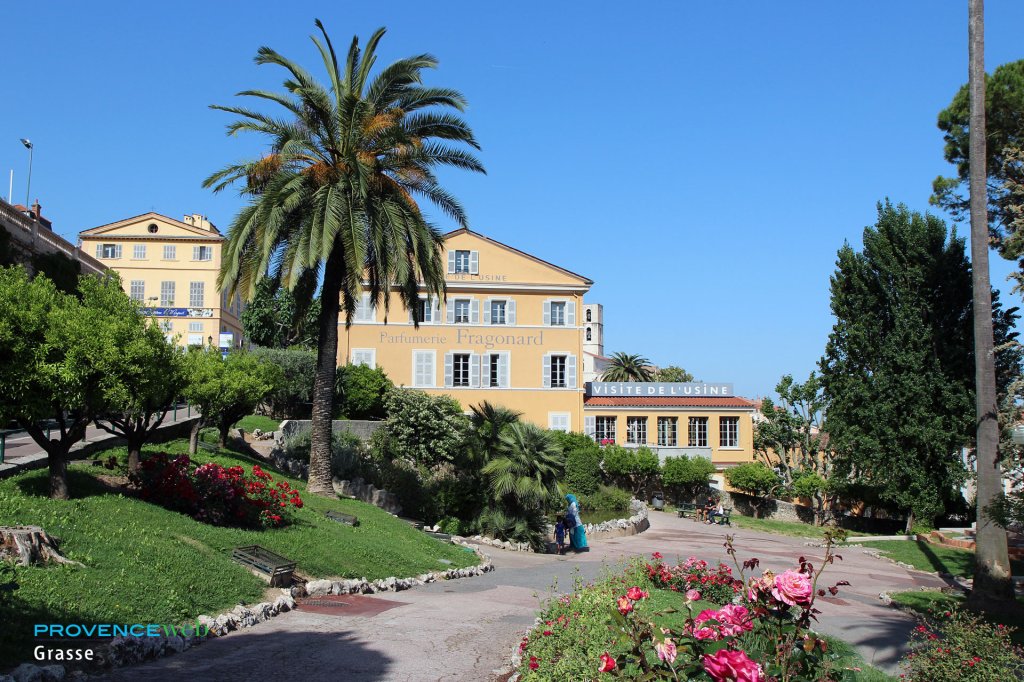
The three historic perfume houses—Fragonard, Molinard, and Galimard—offer free guided tours of their workshops. You'll discover the techniques used to extract essences and can create your own perfume. It's the highlight of any visit to Grasse.
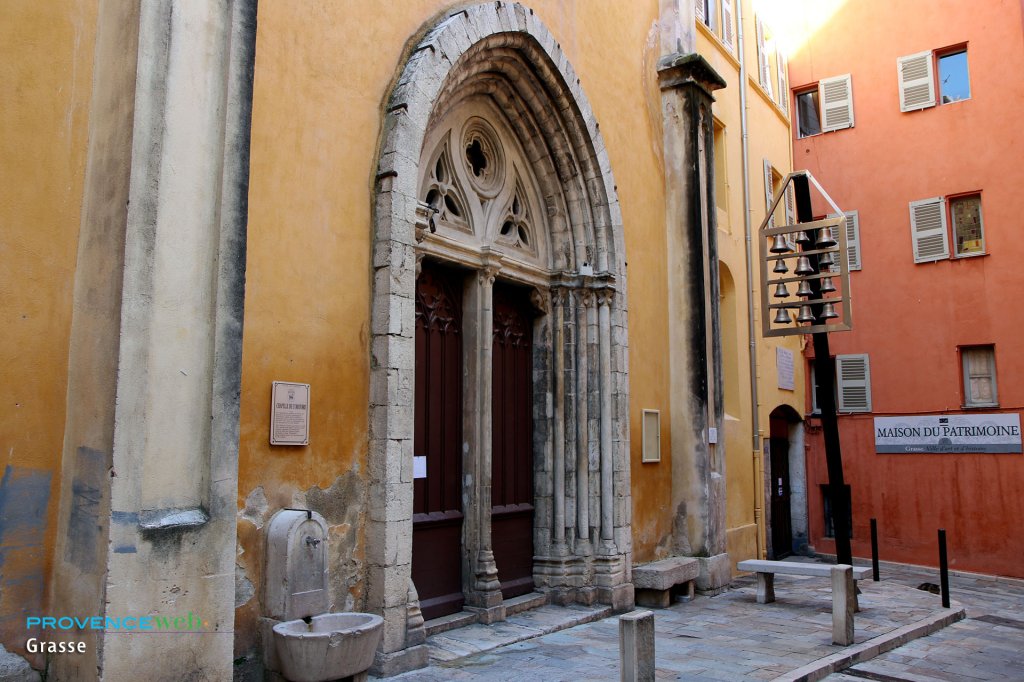
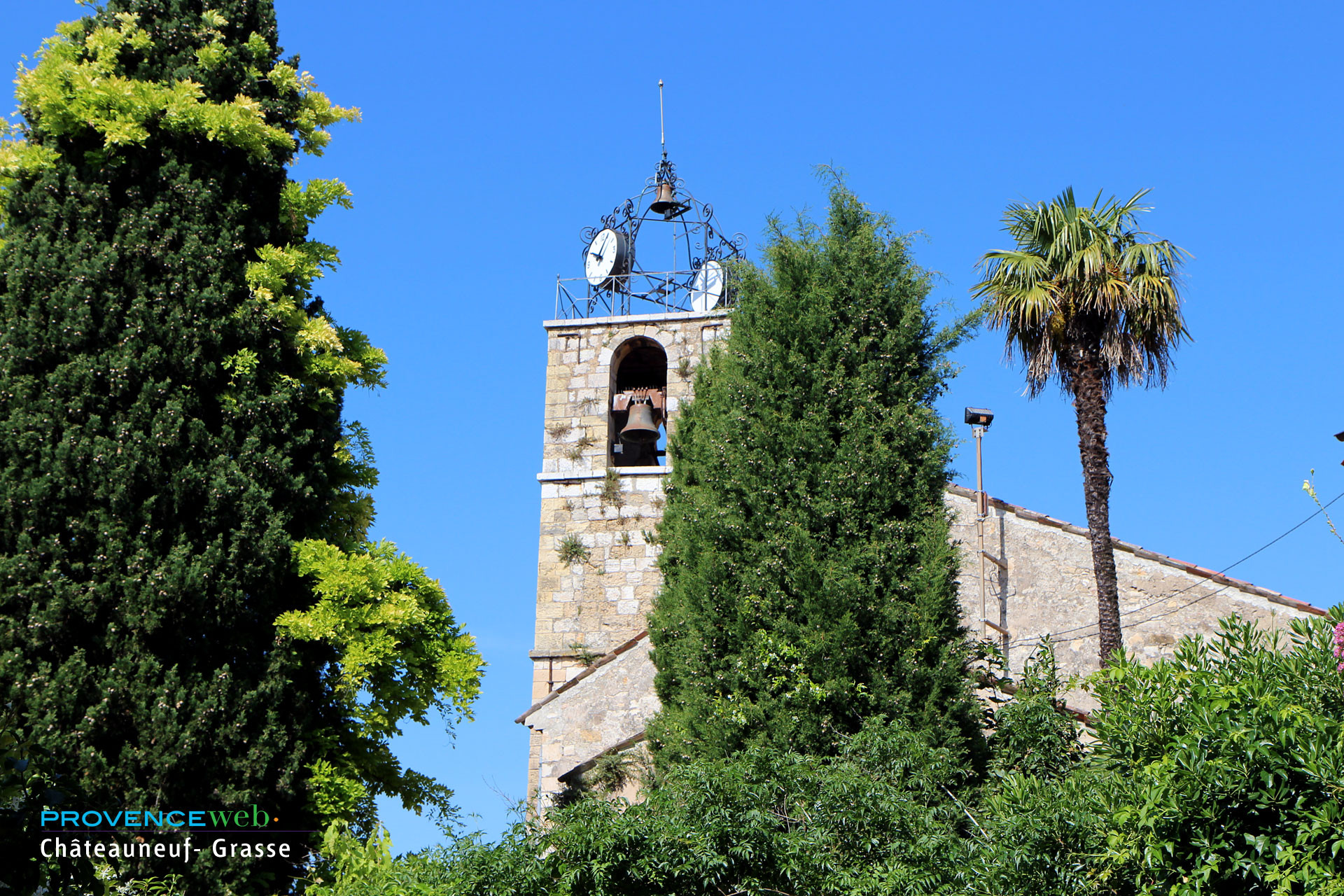
Old Grasse is worth exploring on foot. The Notre-Dame du Puy Cathedral houses paintings by Rubens and a work by Jean-Honoré Fragonard, a native of the region. Princess Pauline's Gardens, the Oratory Chapel, and the 17th-century mansions round out the city's must-see sites. To complete your top 10, add the neighboring villages of Gourdon and Châteauneuf-Grasse, just a few minutes away.
By train, the SNCF station connects Grasse to Cannes in 26 minutes and to Nice-Ville in about 1 hour and 5 minutes, with departures every hour. The ZOU! Proximité bus network also serves neighboring towns for quick access without a car.
The Route Napoléon (D2085) leads into the city center, following the historic route taken by Napoleon in March 1815 from Golfe-Juan. A map of Grasse is available at the Pays de Grasse Tourist Office to help you plan your visit to the town.
The turning point came during the Renaissance, when a Grasse tanner perfumed leather gloves in baths of flowers—an initiative that captivated Catherine de' Medici. The perfumed gloves spread throughout the court and launched the local perfume industry. This history of the city explains why Grasse's heritage continues to blend leather and scents.
In the 17th century, the Guild of Master Glove Makers and Perfumers was founded. The city specialized in the extraction of raw materials: May rose, jasmine, and tuberose. In the 19th century, Grasse officially became the world capital of perfume and a renowned destination for art and history. In 2018, UNESCO recognized this heritage by adding Grasse's traditional skills to the list of Intangible Cultural Heritage of Humanity.
Guided tours and walking tours explore Old Grasse in one to two hours. Seasonal themed events focusing on the history of perfumery, gardens, or mansions round out the offerings. The Pays de Grasse Tourist Office provides all the information on outings and activities available during your stay.
The surrounding area is also worth a visit: Gourdon, Peymeinade, Châteauneuf-Grasse, and the Loup Valley are less than 20 minutes away. Two 18-hole golf courses are available in the area, and hiking is easily organized on the marked trails of the Pays de Grasse.
The local population has grown significantly since the 1960s, largely due to the development of Sophia Antipolis. The municipality covers an area of 44.44 km², with an average elevation of 333 meters. Several neighborhoods make up the city: the historic center, the lower part of Grasse, and the residential hamlets on the hills.
These figures place Grasse among the most dynamic municipalities in the Provence-Alpes-Côte d'Azur region. The ZIP code is 06130. The city is a subprefecture of the Alpes-Maritimes department and belongs to the Pays de Grasse urban community.
In the spring, ExpoRose transforms the historic center into a giant garden. In the summer, Thursday night markets, outdoor movies, and free concerts round out the cultural offerings. The action doesn't stop in the fall: the Salon Nez, an international event dedicated to perfume, brings together professionals and enthusiasts at various venues throughout the city.