
Mandelieu La Napoule
Last update on
May 9, 2026
Between Cannes (9km) and Frejus (29km) by highway A8, route RN7, or RN2098.
Between Cannes (9km) and Frejus (29km) by highway A8, route RN7, or RN2098.
Mandelieu-la-Napoule is a charming town located on the French Riviera, on the edge of the Alpes-Maritimes department, between Cannes and Théoule-sur-Mer.
Where to stay
The town overlooks the Gulf of Napoule and the Mediterranean Sea. Seven fine-sand beaches, a stone castle right on the water’s edge, a lively marina, and trails through the Estérel Mountains: the package is complete for a stay on the French Riviera. It is also the capital of the mimosa, with the Mimosa Festival lighting up the Tanneron hills every year.
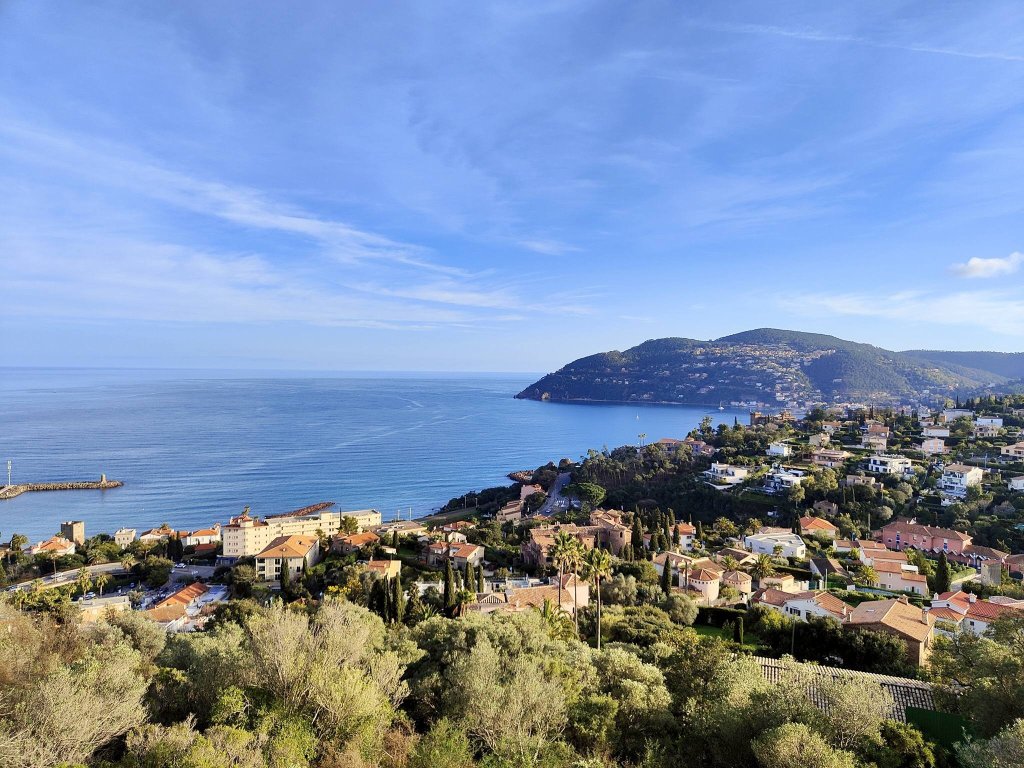
But Mandelieu is a resort that has managed to stay on a human scale. None of the hustle and bustle of Cannes, none of its prices. Just the Bay of La Napoule stretching out before you, the red rocks of the Estérel behind you, the Siagne River flowing silently through the town, and the eagle owl soaring above the mountains.
And we love the Château de la Napoule, a listed historic monument with its remarkable garden, which is one of the most beautiful and unique places on the entire French Riviera.
Planning a trip to the French Mediterranean coast? You’ve come to the right place. This article covers everything you need to know to visit Mandelieu-la-Napoule and make the most of your stay.
Here are Mandelieu’s must-sees:
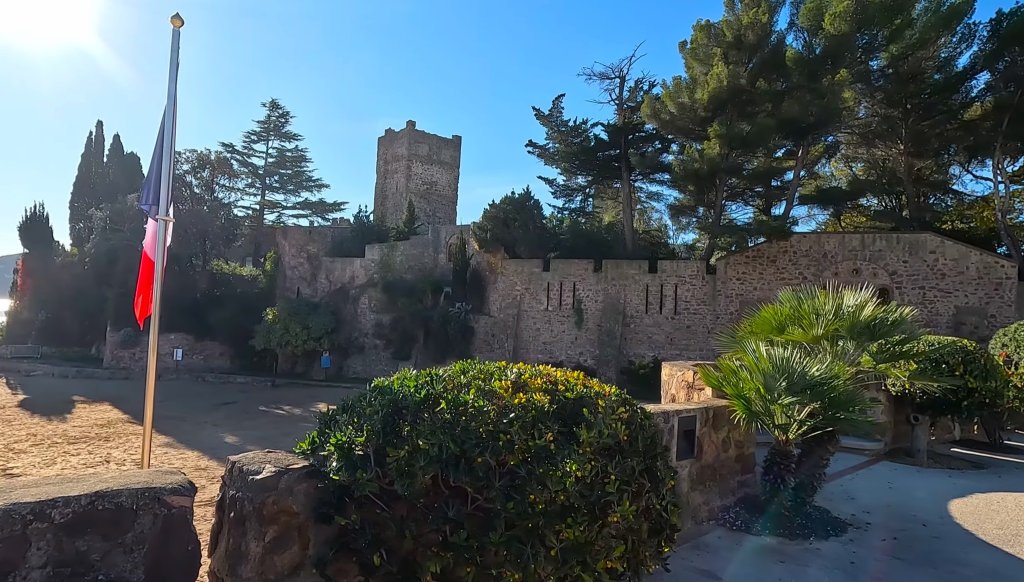
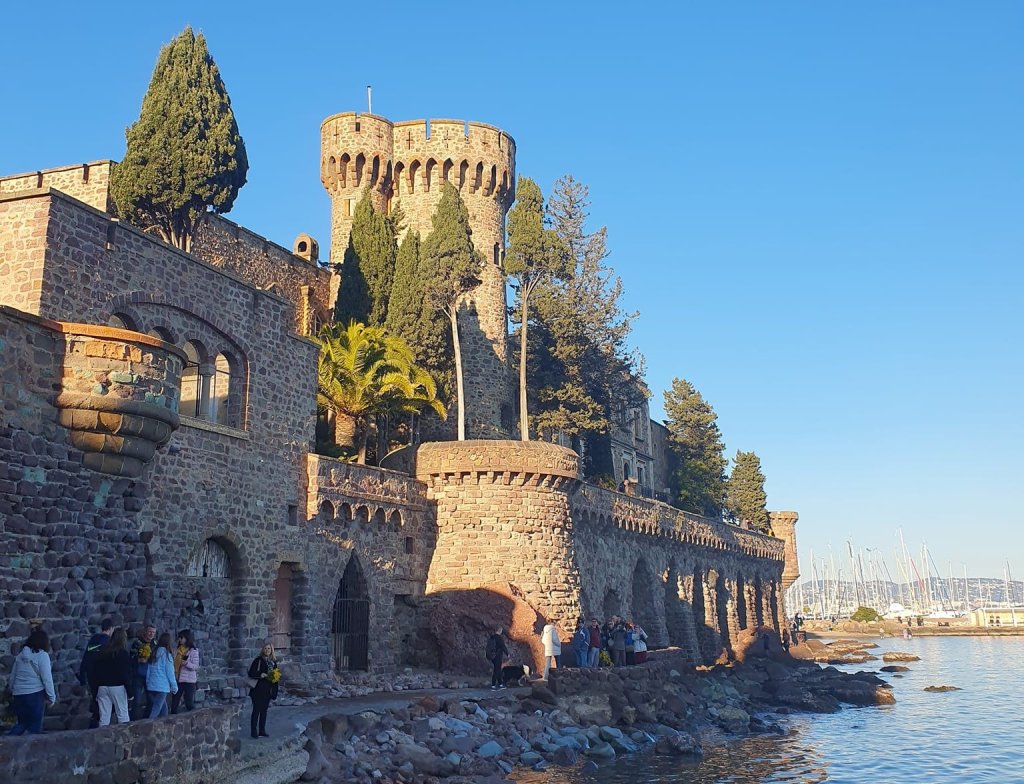
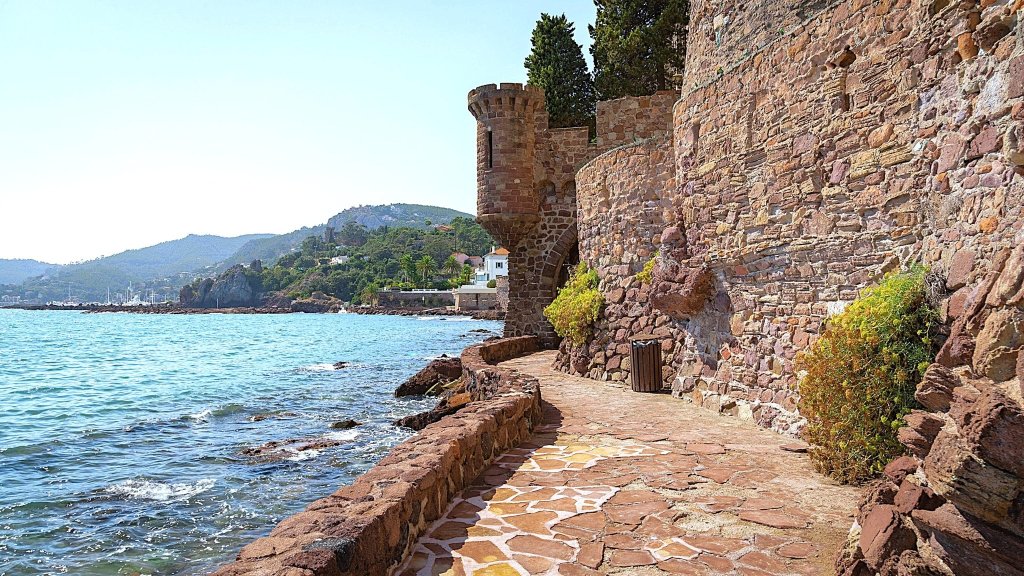
The Château de la Napoule is the town’s must-see landmark. Built in 1387 by the Counts of Villeneuve right on the seashore, the old military fort has weathered the centuries through invasions, pillaging, wars, and revolutions. Half in ruins at the start of the 20th century, it was purchased in 1917 by Henry Clews, an American billionaire, painter, and sculptor. Together with his wife Marie, they rebuilt the structure using authentic ruins, notably the two towers. The result is a site unique to the entire French Riviera.
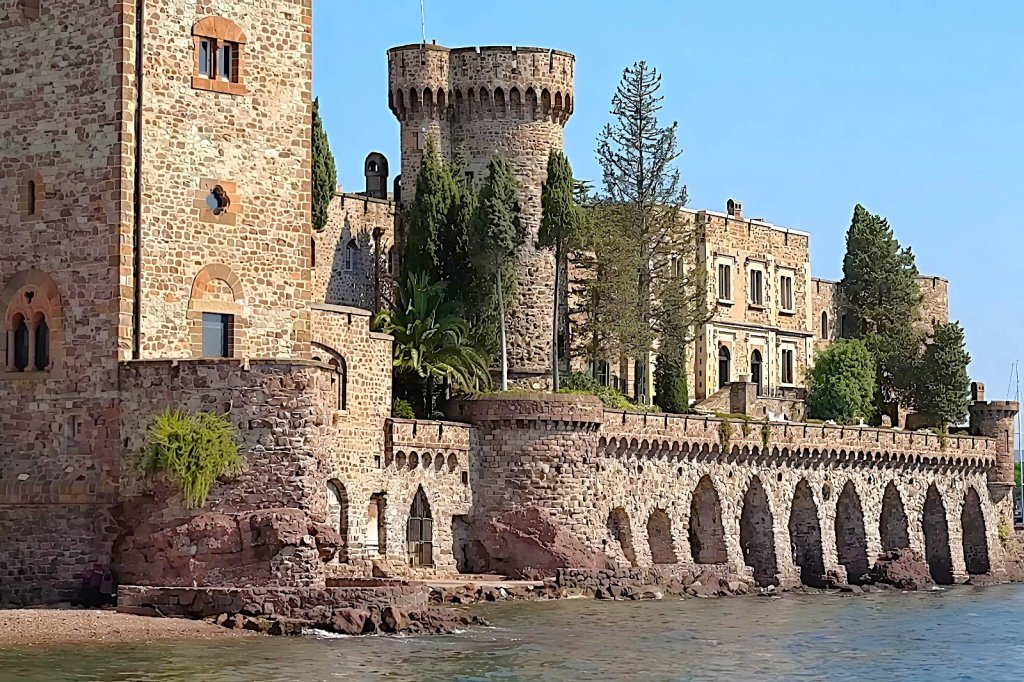
The maxim engraved on the pediment of the gate, “Once upon a time,” heralds the entrance into a fantastical world, where the art, humor, and imagination of its creators are forever etched on the walls. Today, the castle is classified as a historic monument, and its gardens have been awarded the “Remarkable Garden” label by the Ministry of Culture. A tour of the historic district of La Napoule naturally begins here, facing the sea.
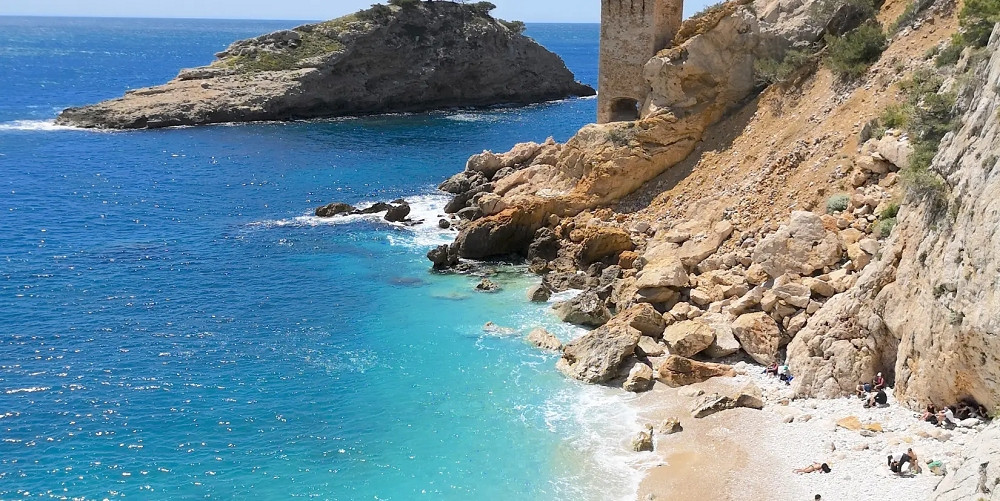
As you climb the hill overlooking the harbor, you’ll discover the San Peyre site. This 18-hectare nature park occupies a volcanic flow. The Phoenicians, followed by the Celto-Ligurians, established a lookout post here. The Romans are said to have subsequently built a temple dedicated to Mercury there. In 1182, the lords of Villeneuve had the Château d’Avignonnet built there, along with a chapel dedicated to Saint Peter, hence the name San Peyre. The remains of the keep and the surrounding walls are still visible at the summit.
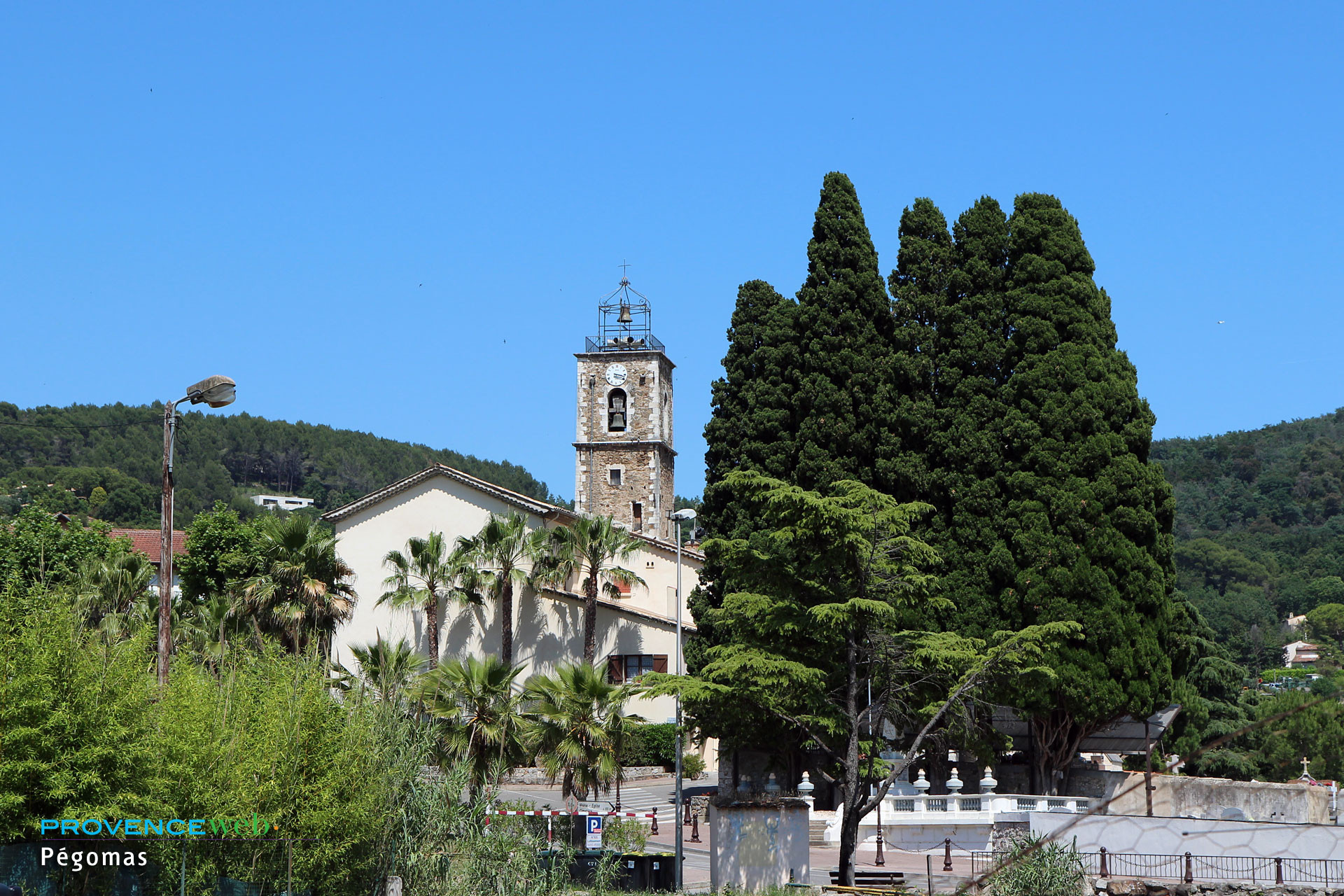
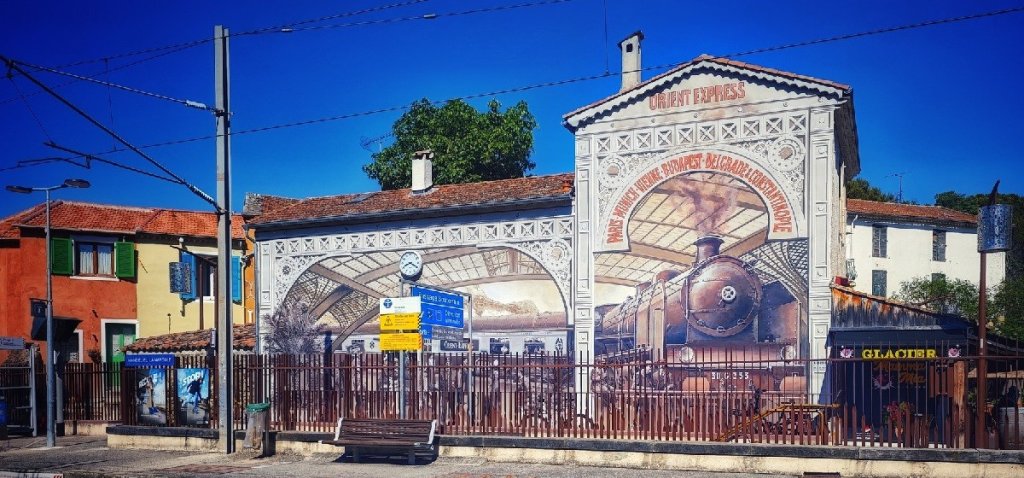
The history of Mandelieu is not only found in the stones of its castles. The town was formed by the merger of Mandelieu and La Napoule in 1836. The parish church of Notre-Dame de l’Assomption, located near the castle, was rebuilt in the late 19th century during the village’s resurgence. Just a stone’s throw from the Mandelieu train station, a monumental mural inspired by Jules Verne adorns the underpass beneath the railroad tracks with a nautical-themed design and tells the story of the place in a surprising way. It’s the kind of detail you won’t find in standard guidebooks—and yet, it’s well worth a detour.
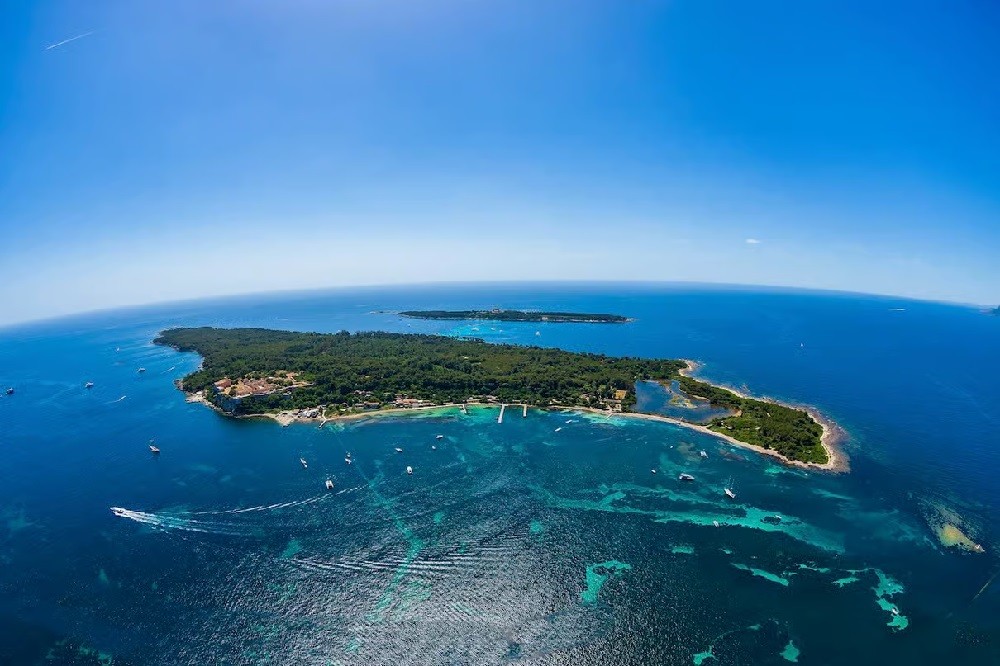
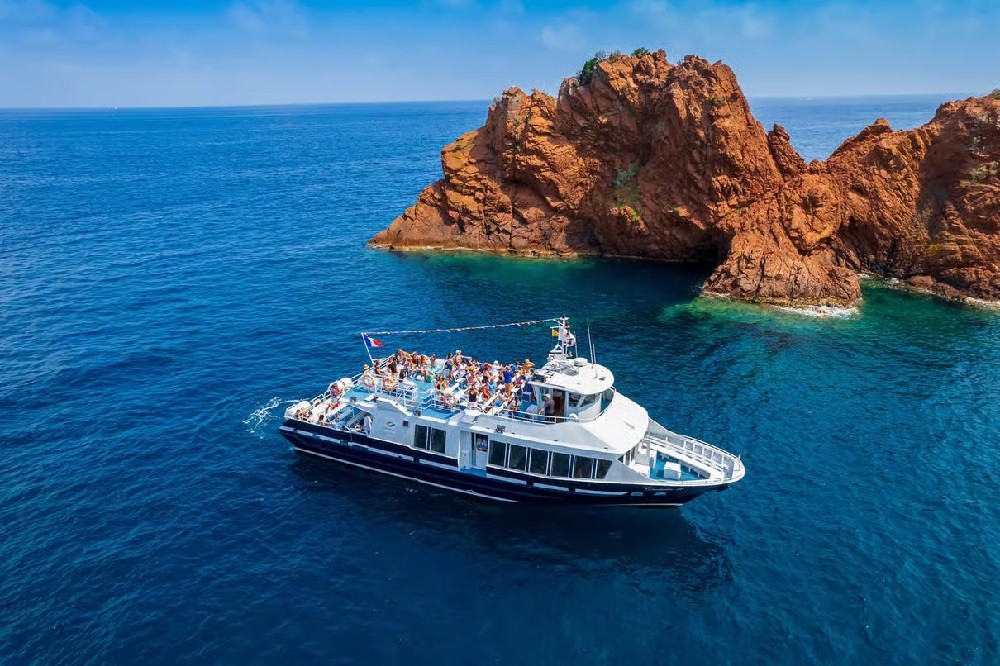
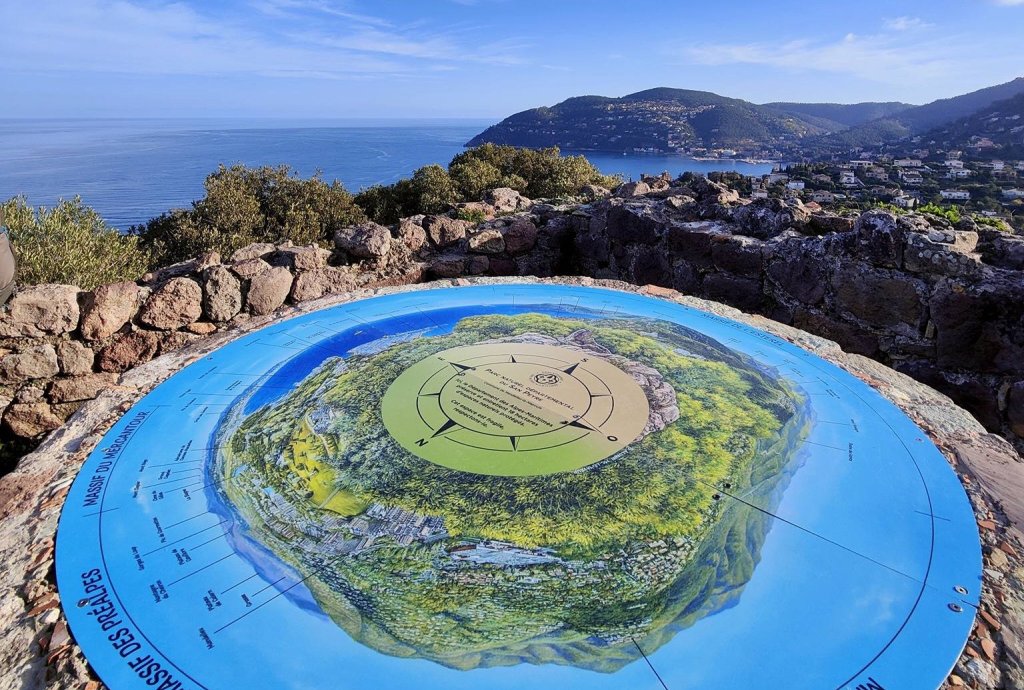
The Mandelieu-la-Napoule estate spans 14,000 hectares and offers a landscape with a variety of panoramic views, both of the forest and the sea. The Estérel Massif and its red porphyry promontories stand out against the blue of the Mediterranean. The Tanneron Massif, home to France’s first and foremost terroir for mimosa flower production. From the heights of Mandelieu, you can take in the Bay of Cannes, the Gulf of Napoule, and the Lérins Islands all at a glance.
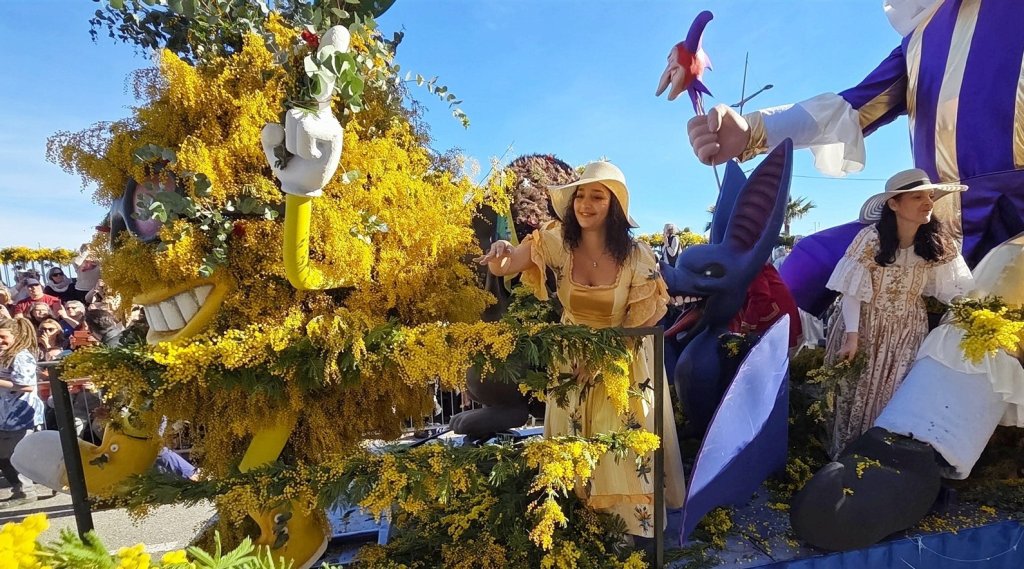
Don’t miss the Mimosa Festival, which takes place every February. It runs for 10 days with two grand parades and numerous events. Along with the Nice Carnival and the Menton Lemon Festival, the Mimosa Festival is one of the major carnival events on the French Riviera.
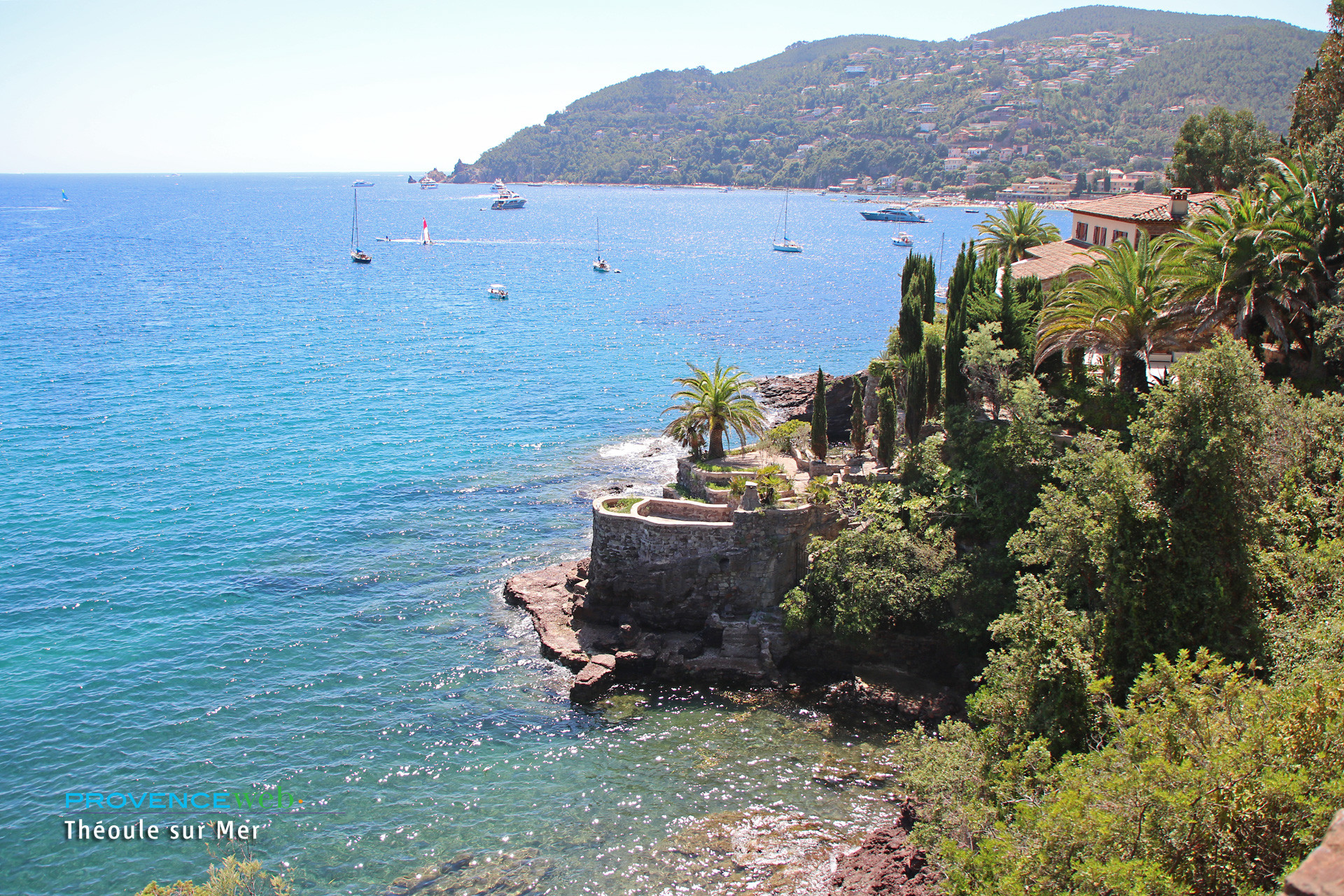
Mandelieu-la-Napoule boasts seven fine-sand beaches covering a total area of nearly 38,000 m². This is rare on the French Riviera and deserves to be highlighted. They are all set against the backdrop of the Lérins Islands and the red rocks of the Estérel. Along the coast, there are two very distinct atmospheres.
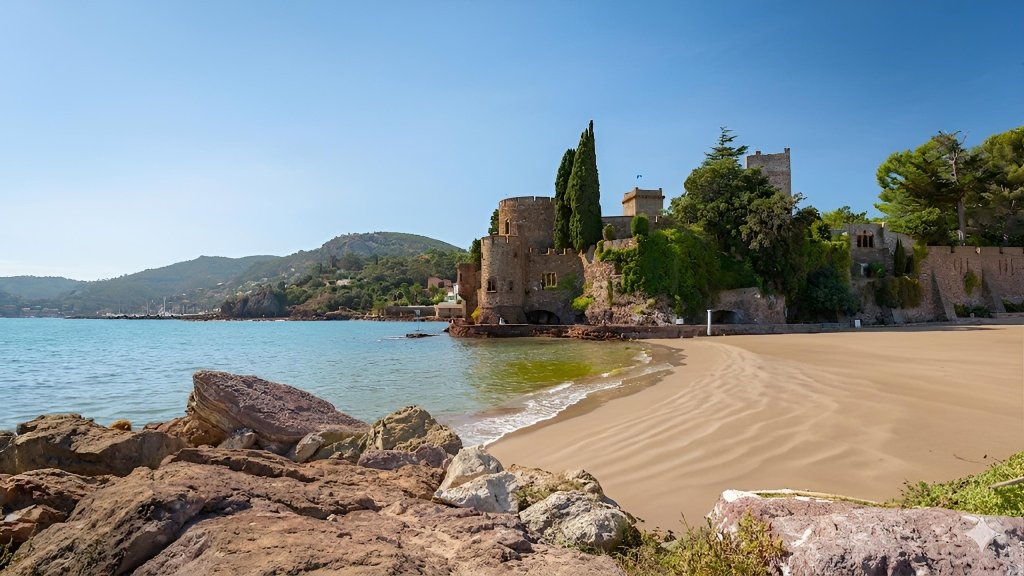
The beaches of Les Dauphins, Sable d'Or, Robinson, and Fon Marina are more active and family-friendly, featuring beach volleyball courts, a water sports center, and wide open spaces surrounded by secure breakwaters. On the other side, the beaches of Château, Raguette, and Rague are more secluded and offer beautiful views of the red rocks of the Estérel and the coves of Théoule-sur-Mer.
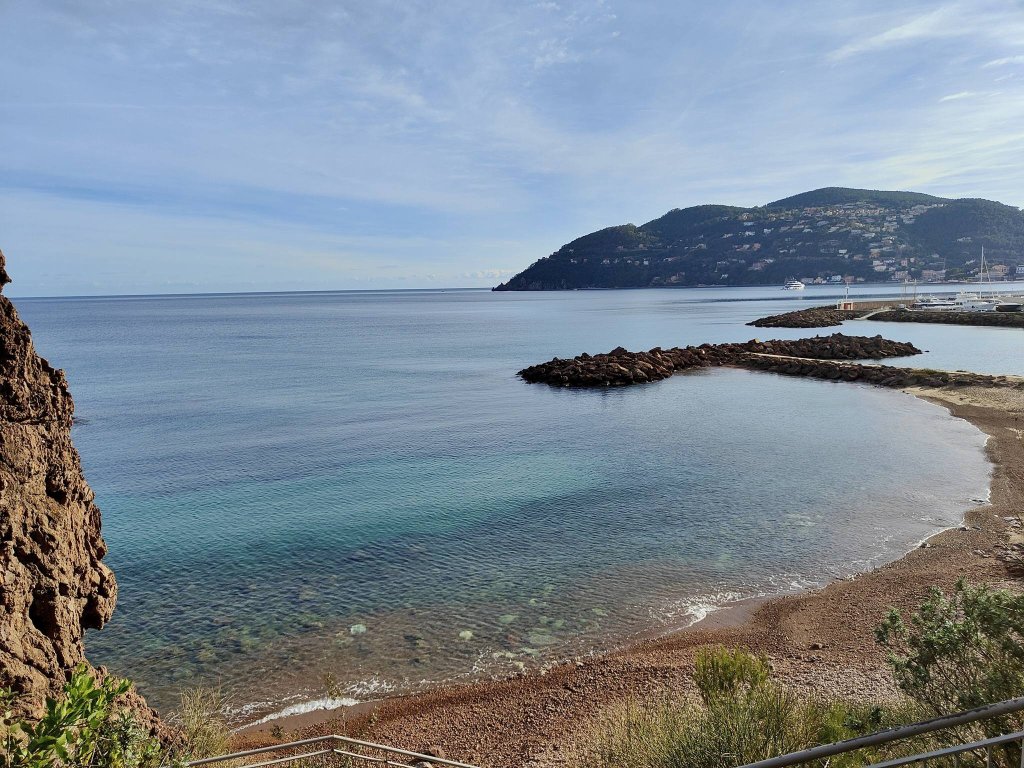
The “plage du Château” is in a league of its own. From the sand, you can enjoy a breathtaking view of the Bay of Cannes and the Lérins Islands, with the Estérel Mountains as a backdrop. The Mediterranean Sea here is a deep blue, the atmosphere is calm, and the Château de la Napoule towers over you from the red rocks. It’s hard to get more seaside than this on the Riviera. Free shuttles run between downtown and the beaches in July and August, and parking is free.
The Chateau de La Napoule (art foundation) guided tours.
National label France Nautical Station: 5,000 rings distributed in 6 marinas.
2 golf courses 18 and 9 holes.
6 ports with 5000 moorings. Sailing school.
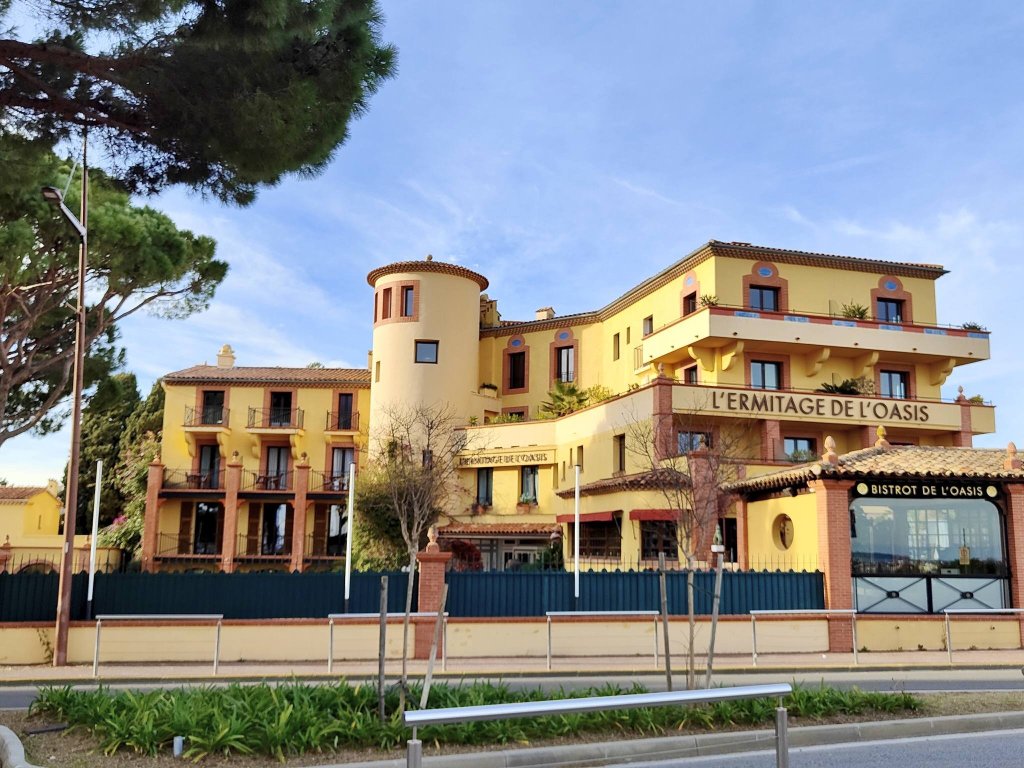
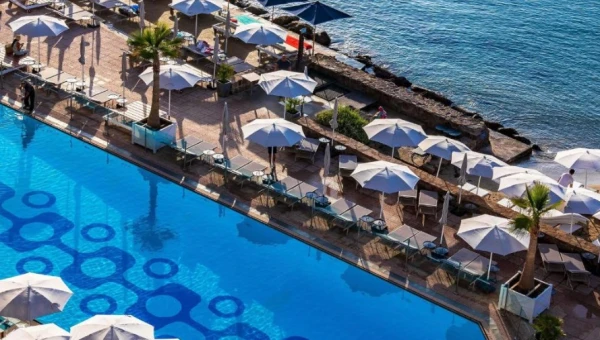
Luxury hotel overlooking Cannes Bay
Spacious air conditioned rooms & suites with private terrace with view
Direct access to the beach - Fitness centre - Outdoor swimming pool.
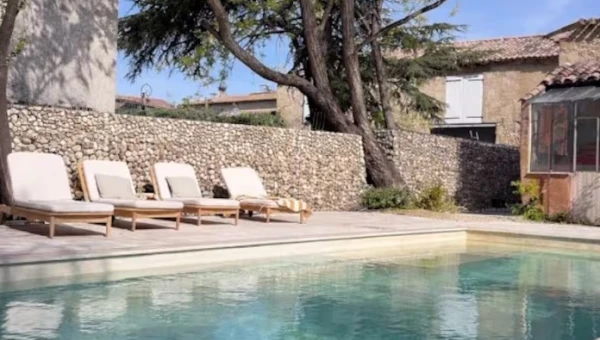
Discover our selection of houses, villas and apartments on Airbnb for an authentic stay in this Provençal village. You will love your vacation here.
Hotels.
Vacation rentals.
Bed and breakfasts.
Campgrounds.
You’ve sent us several questions about Mandelieu-la-Napoule. Here are our answers to your most frequently asked questions.