
Lurs

Last update on Aug 19, 2026

12km North of Manosque via the N96 road and 12 km from Forcalquier via the N100 road and then the D462.

Discover the charming village of Lurs in the Alpes-de-Haute-Provence

Perched 600 meters above the Durance Valley, Lurs can be explored in half a day on foot, at a leisurely pace.

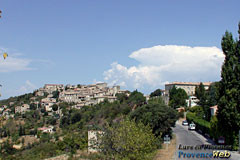
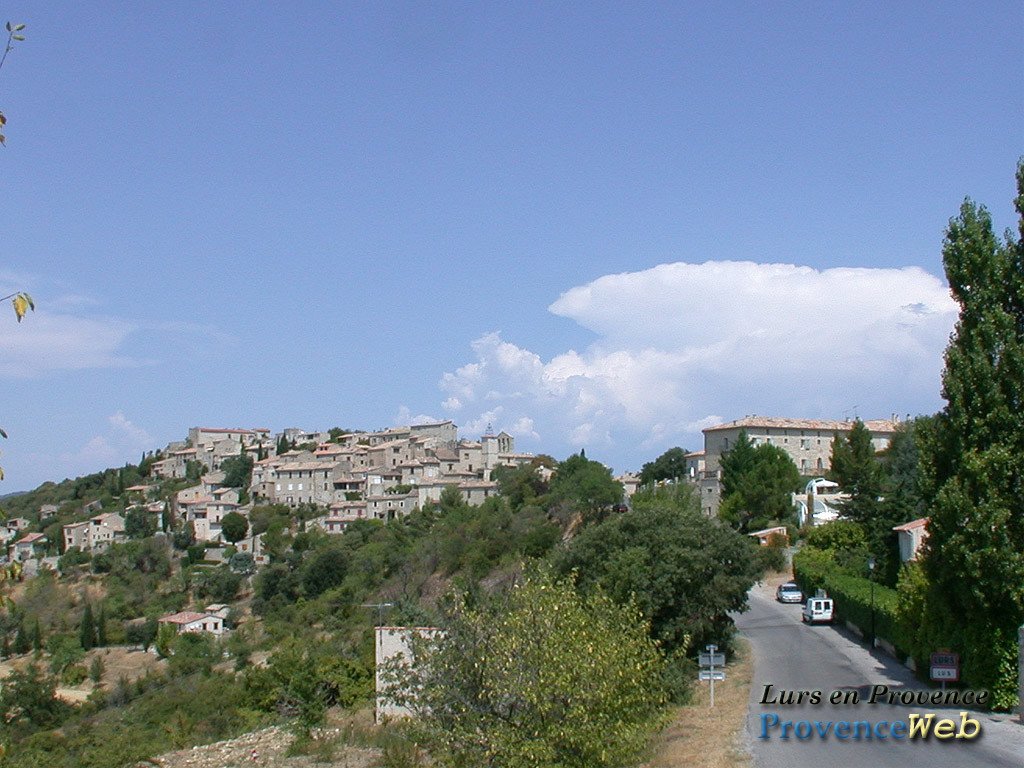
Village de Lurs.

This charming village in the Alpes-de-Haute-Provence, 11 kilometers from Forcalquier, was once the summer residence of the bishops of Sisteron. It still features a castle, a clock tower that serves as the main entrance, a Romanesque church, and medieval alleyways lined with stone houses.

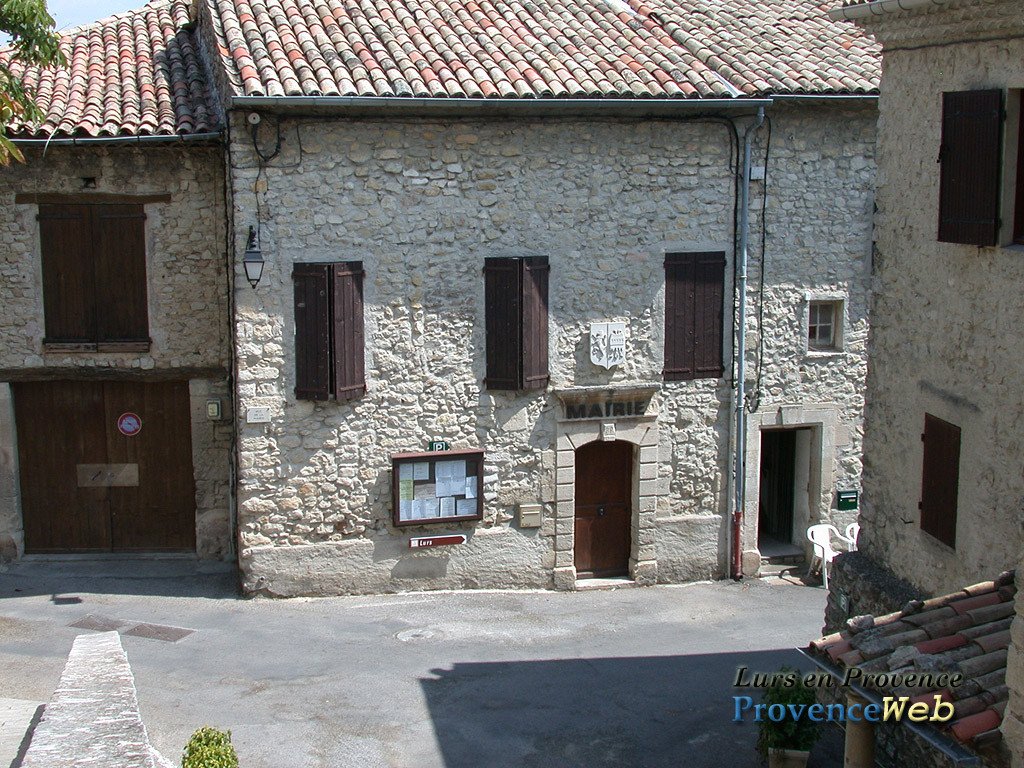
Mairie de Lurs.

Behind the castle begins the Promenade des Évêques. Fifteen wayside shrines line the path all the way to the Notre-Dame de Vie Chapel, where the view takes in the Valensole plateau, Mount Lure, and the Luberon.

A village full of character

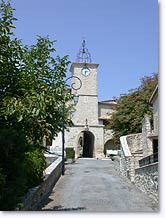
As you pass under the clock tower, which serves as the village’s main entrance. You’ll be immediately captivated by the charm of the place! You’ll discover a maze of narrow streets, each one as charming as the next. On either side of these streets, a series of superb stone houses line the streets, restored with care and taste. Each one retains its authentic character, and every door and window is subtly highlighted.

Esplanade à Lurs.

Behind these houses, you’ll discover gardens, shaded terraces, and interiors worthy of the finest interior design magazines.

You’ll delight in getting lost in these narrow streets, where every turn and every nook holds the promise of wonder.

The History of the village

Historians agree that Charlemagne founded Lurs. In the early 9th century, the bishops of Sisteron, captivated by the beauty of the site, built their summer residence there, along with a seminary.

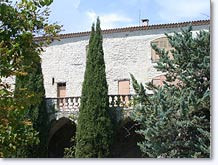
Vue à Lurs.

This building still stands today, perched above a magnificent panorama; it has now been converted into a bed-and-breakfast.

Lurs Castle

To the south of the village stands the silhouette of the castle that was home to the princes of Sisteron for several centuries; today it is privately owned and can be admired from the outside.

Le château de Lurs.

From the castle, you’ll continue your tour along the “Promenade des Evêques,” a beautiful, leafy path lined with fifteen wayside shrines.

The Notre Dame de Vie Chapel

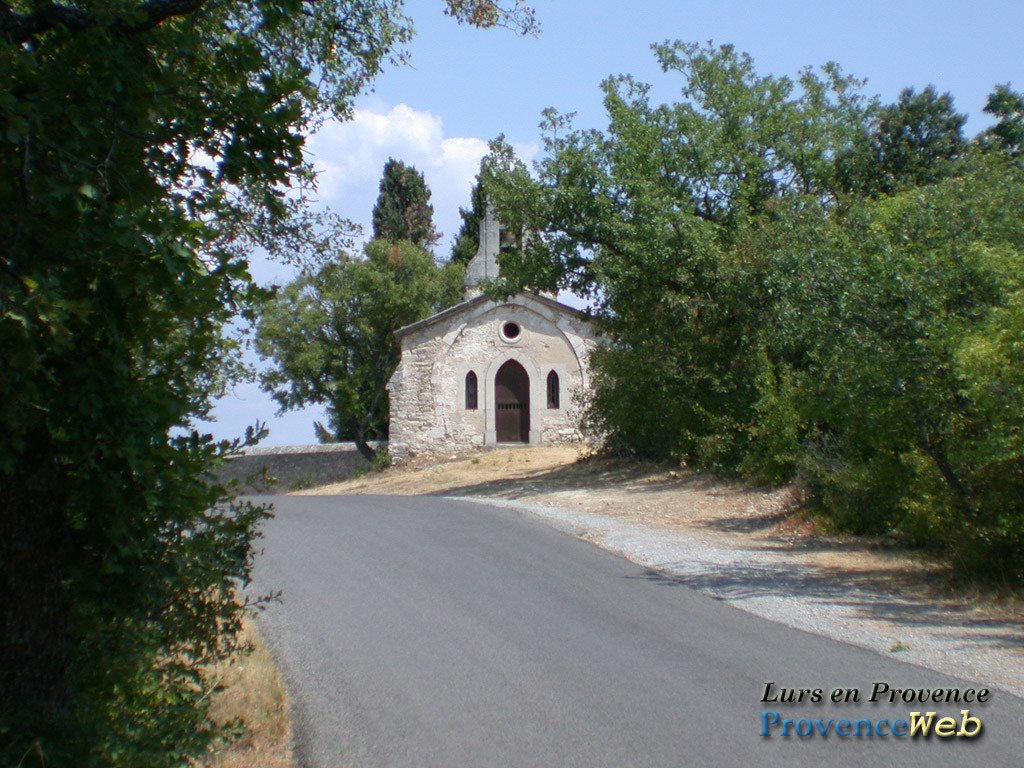
It will lead you to the Notre Dame de Vie Chapel, where the view extends 360° and offers an exceptional panorama of the Durance Valley, the Valensole Plateau, Mount Lure, the Luberon, and even the Alps on a clear day!

La Chapelle Notre Dame de Vie à Lurs.

The Lure International Literary Festival

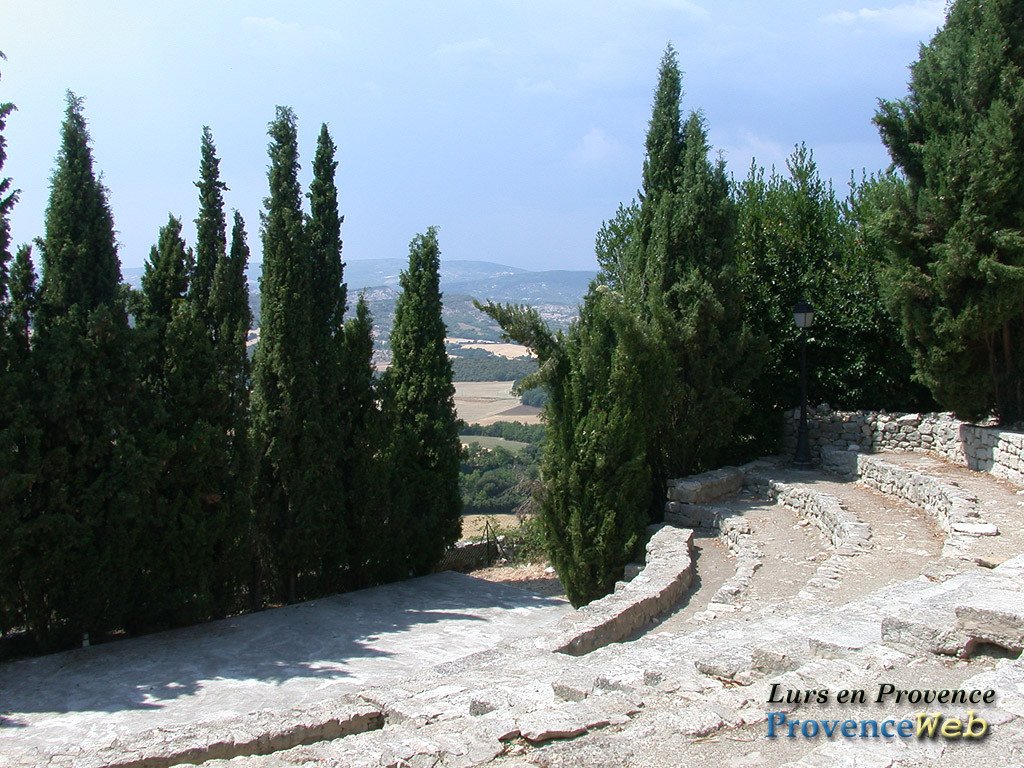
But Lurs has another secret. In 1952, Maximilien Vox and a few companions chose this village of 380 residents as a gathering place for the writing professions. The Lure International Festival was born. Since then, every last week of August, typographers, graphic designers, and typeface designers have gathered here to discuss the written word in an open-air amphitheater.

What to see

Provençal roman-style church.
St Michel Chapel XIIc.
Promenade des Evêques and its 15 shrines.
Notre Dame de Vie Chapel, the open air Theater, the vaulted passageways in the village.
Notre Dame des Anges (Route de La Brillanne): pilgrimages on Easter Monday and the 2nd August.
The Monessargues Oil mill (a remarkable tasteful site!).

Things to do

Hiking. Village fête the last weekend in July.
15th August village toast.
Les Amis de Lurs"Rencontres Internationales des Arts Graphiques" (International Graphic Arts encounter), last weekend in August.
Provençal Christmas with nativity crib.

Airbnb

Airbnb en Provence

Discover our selection of houses, villas and apartments on Airbnb for an authentic stay in this Provençal village. You will love your vacation here.

Accommodation

Hotels.
Vacation rentals.
Bed and Breakfast.

Your questions about Lurs

You've sent us a few questions about this charming village. Here are our answers to your most frequently asked questions.

What is there to do in Lurs?

Half a day is enough to see Lurs. The village is best explored on foot, from the clock tower up to the bishops' château. Of all the things to see in Lurs, the Promenade des Évêques comes first. This lane, lined with fifteen shrines, leads to the Notre-Dame de Vie chapel and its sweeping views. The Chemin des Écritures then takes over, with its carved stelae and paving stones. Down in the valley, the Roman bridge marks the route of the ancient Via Domitia. Hiking rounds out the visit. The pleasures here are simple: walk, look, and linger on a terrace.

Which hikes can you do around Lurs?

Two trails are enough to get the measure of this landscape. The Roman bridge loop takes 3 hours 15 minutes, with 270 meters of elevation gain. This route links the Chemin des Écritures, the Promenade des Évêques, the Roman bridge and the Via Domitia. The Sentier de la Baume offers a shorter option, between 1 hour 30 and 2 hours 15, marked in yellow. The trails around Lurs cross olive groves, holm oaks and the wide views of the middle Durance valley. Bring water and set out early in summer. Mountain bikers will find plenty of tracks across the surrounding hills. Several vacation rentals and gîtes in and around Lurs make it easy to stay two or three days close to nature.

What is there to see in Lurs?

The bishops' château and its esplanade open the tour. The Romanesque church, the clock tower and the vaulted passageways make up the heart of the village. The Notre-Dame de Vie chapel offers the finest panorama over the Durance valley, the Valensole plateau and the Lure mountain. The olive oil mill extends the visit, with traditional winter pressing. The Pays de Forcalquier-Montagne de Lure tourist office provides the local map and up-to-date opening hours. For a longer stay, accommodation ranges from gîtes and bed and breakfasts to vacation rentals in the neighboring villages.

What events take place in Lurs?

The Lurs calendar centers on the warmer months. In late June, the Saint-Jean bonfires open the season. On the last weekend of July, the village fête and flea market fill the streets. Through the summer, the Lurs sous les étoiles festival programs classical music and theater in the open air. The last week of August brings the Rencontres de Lure, a gathering of the graphic arts world that has become the village's signature event. Pilgrimages to Notre-Dame des Anges take place on Easter Monday and on August 2. For a market, head to Forcalquier on Monday morning, fifteen minutes away by car.

What is the history of Lurs?

Tradition credits Charlemagne with founding Lurs in the 9th century. The site soon became episcopal land, granted to the bishops of Sisteron. They made it their summer residence and built a château, of which sections of wall and the base of a tower survive. The church of the Invention de la Sainte-Croix dates from the same period. Reworked over the centuries, it still has a carved doorway and an open belfry holding three bells. The fifteen shrines along the Promenade des Évêques belong to the same religious heritage. This heritage earned Lurs its listing among the Villages et Cités de Caractère.

Where is Lurs and how do you get there?

Lurs sits in the Alpes de Haute-Provence, in the Provence-Alpes-Côte d'Azur region. The village overlooks the Durance valley from 600 meters up, facing the Valensole plateau. Forcalquier is eleven kilometers away, about fifteen minutes by car, and Manosque roughly forty minutes. Driving, take the A51 motorway, exit at Peyruis, then follow the signs. The nearest train station is La Brillanne-Oraison, ten kilometers away, where renting a car is the practical choice. A parking area welcomes visitors at the entrance to the village, with the old center reached on foot.
Village de Lurs.
Mairie de Lurs.
Esplanade à Lurs.
Chapelle de Lurs.
Vue à Lurs.

Nearby towns and villages

Useful information:

  • Inhabitants: 385
  • Postal code: 04700
  • Department: Alpes de Haute Provence
  • Tourist area: Haute Provence

Map: