
Orgon
Last update on
Jun 13, 2026
18km East of Saint Remy de Provence via D99 and the N7.
18km East of Saint Remy de Provence via D99 and the N7.
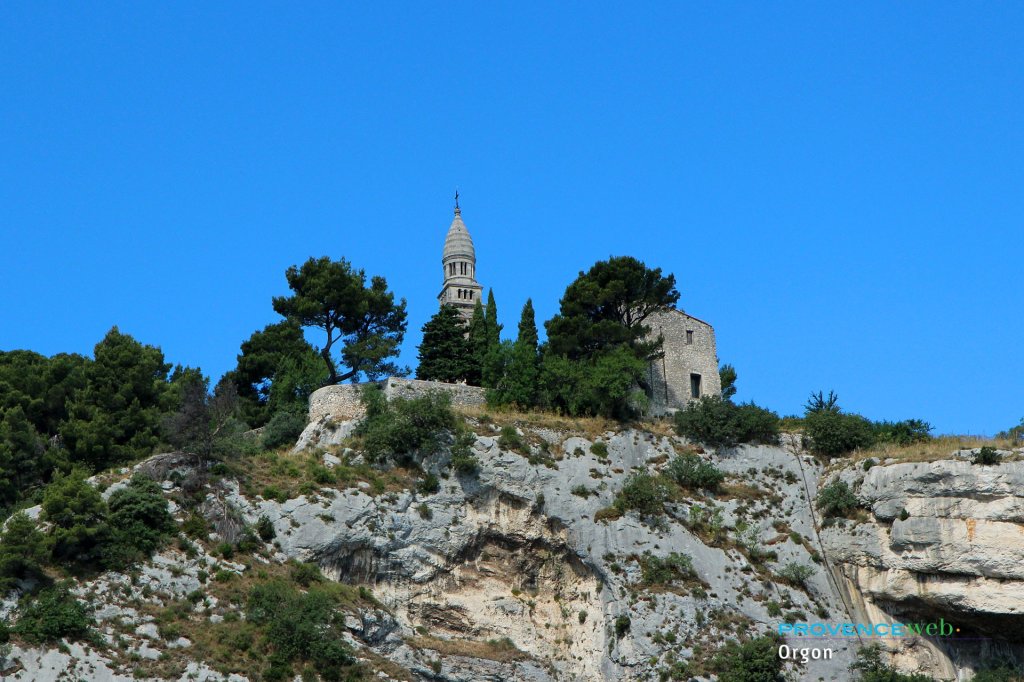
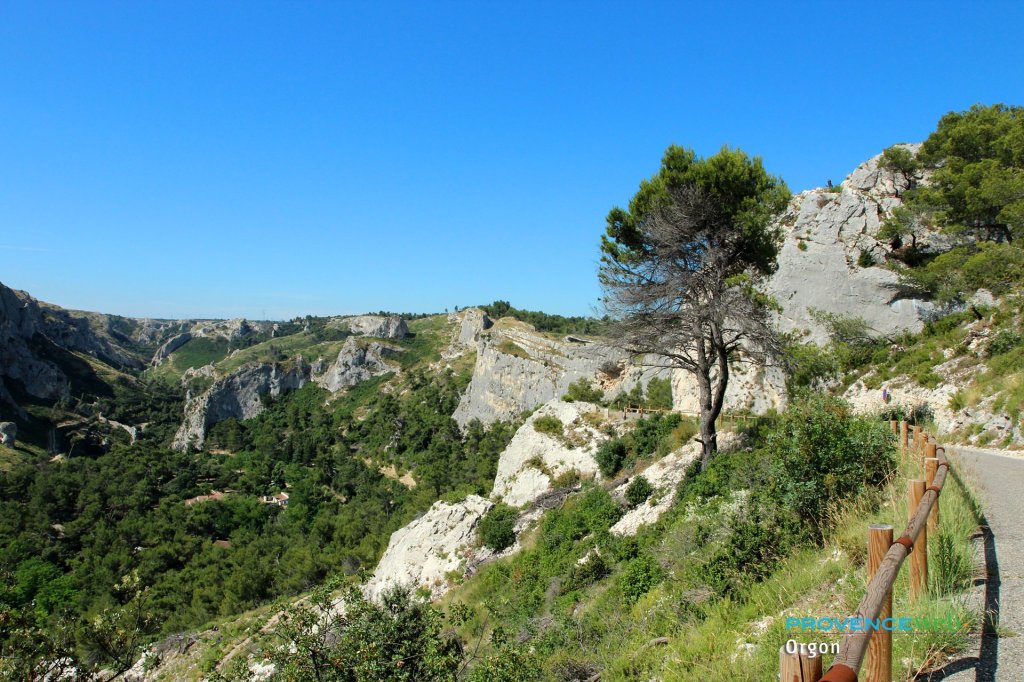
The village of Orgon welcomes you to the Alpilles, where the mountain range meets the Durance River. The Notre-Dame-de-Beauregard Chapel watches over the village from its rocky outcrop.
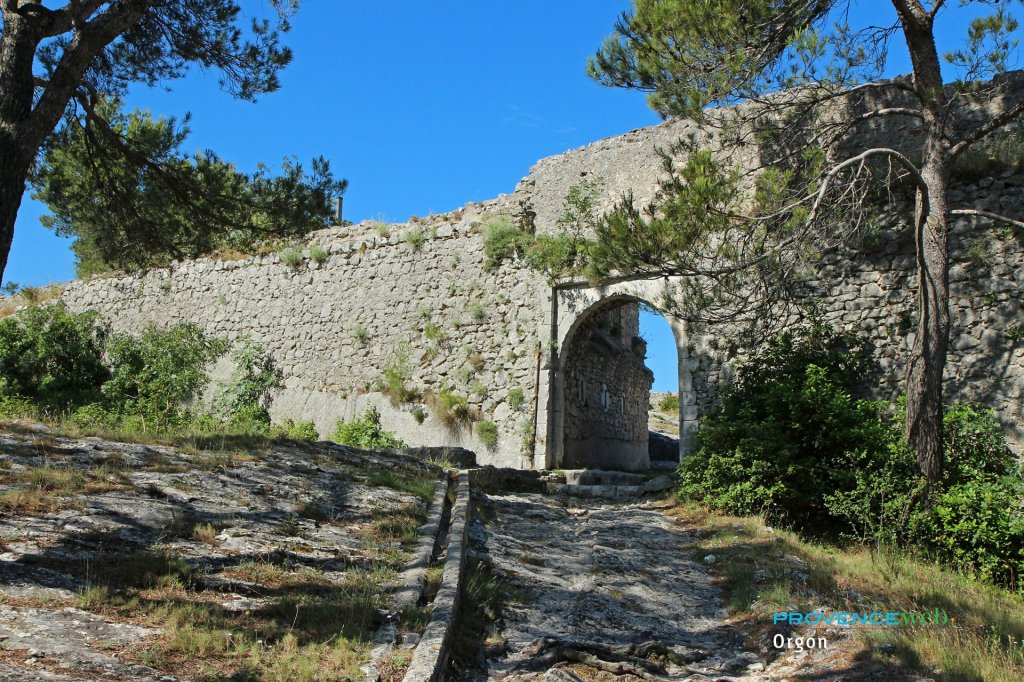
From there, the view takes in the entire valley. Further down, the ruins of the Duke of Guise’s castle serve as a reminder of the local history’s heyday. You walk along the ramparts and pass under the Porte de l’Hortet, one of the city’s oldest gates.
The area also harbors a geological treasure: the Urgonian, a 130-million-year-old white limestone that gave its name to an entire stage of the geological era. Hiking, rock climbing, and tasting local products: Orgon has everything you need for a refined getaway in Provence.
Orgon is a very ancient village; remains from the Neolithic period and traces of Roman occupation (statues, coins, graves, etc.) have been found there.
Its castle played an important role in the 13th century, serving as a stronghold and prison, and later as the residence of the Knights Templar. Then, over the centuries and under successive lords, the castle of Orgon, followed by the church, were alternately demolished, rebuilt, and demolished again despite their fortifications.
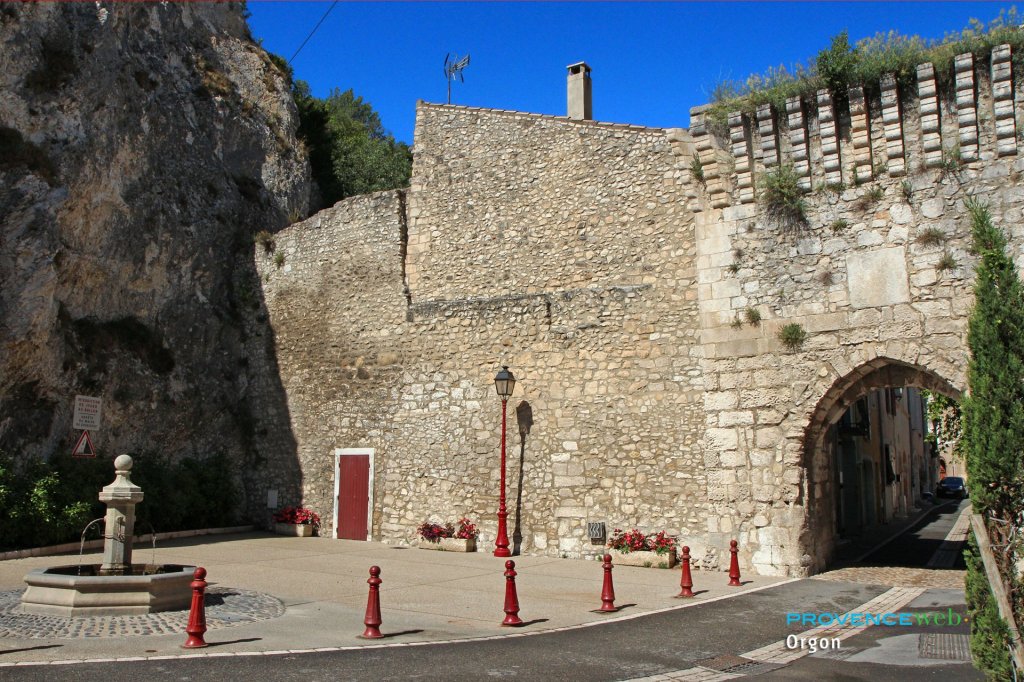
From this tumultuous past, Orgon has preserved a significant historical heritage. You’ll notice this as soon as you arrive in the village; the ruins of the Duke of Guise’s castle are nearby, and above the village, you’ll see the ramparts and gates of the fortifications that once protected the town: Porte Sainte Anne, Porte de l’Ange, and Porte de l’Hortet.
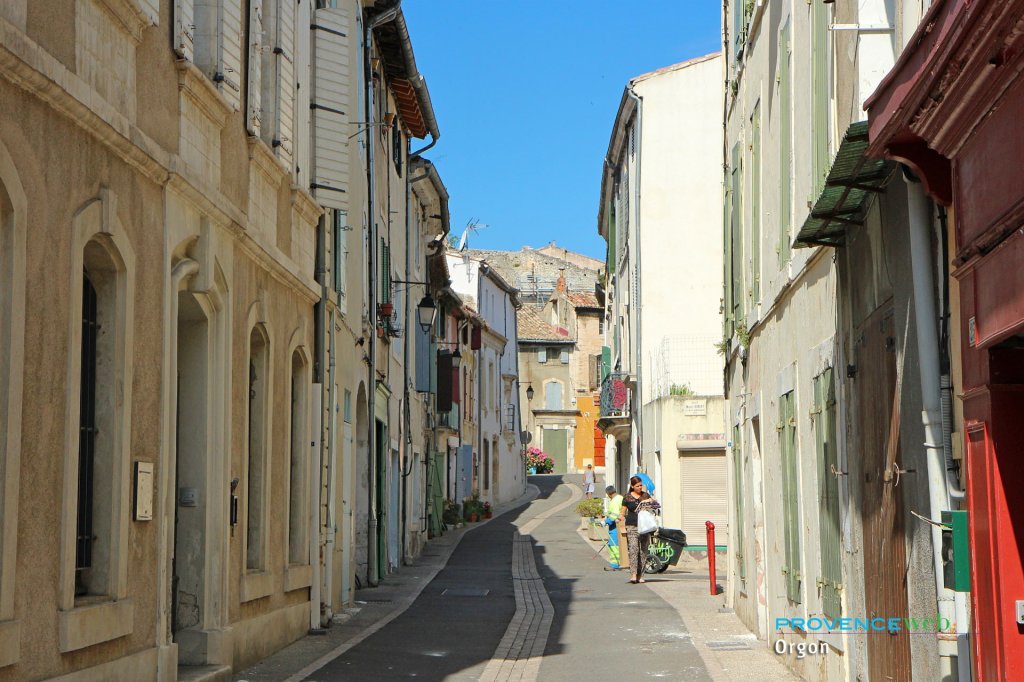
As you stroll through its long, narrow streets, you’ll pass by beautiful old houses, some with Renaissance-style facades and windows. A few commemorative plaques will remind you of some tragic episodes in Orgon’s history.
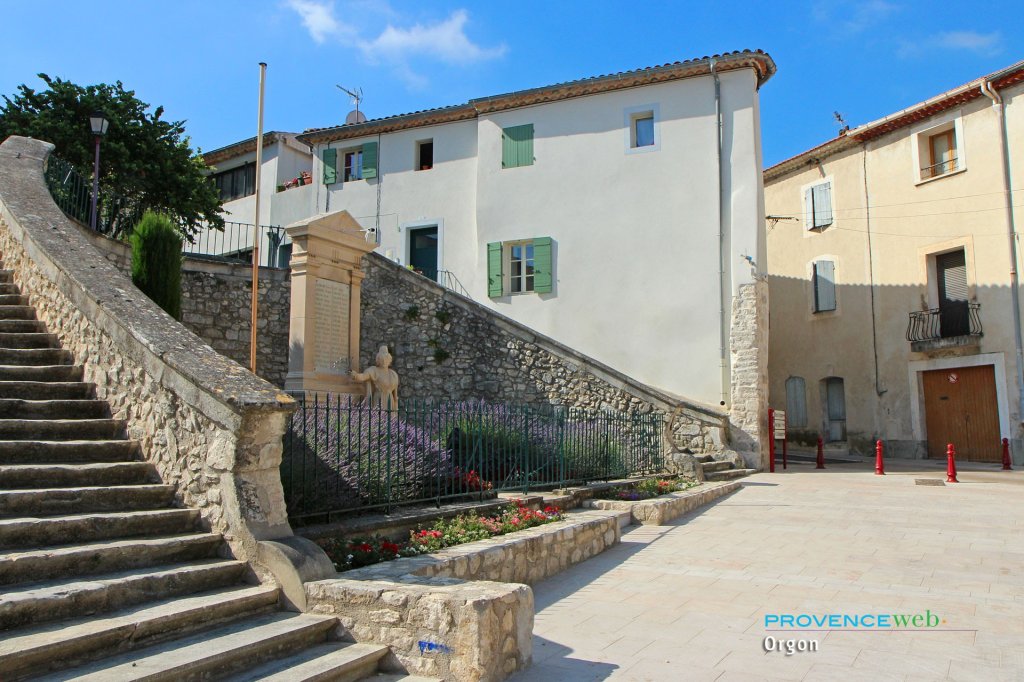
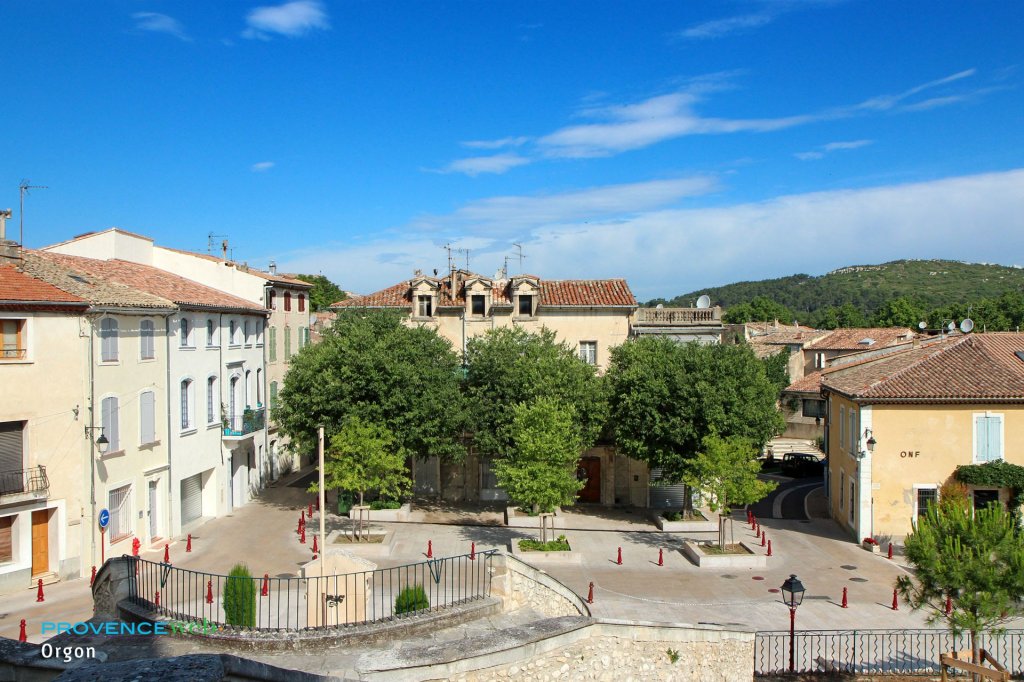
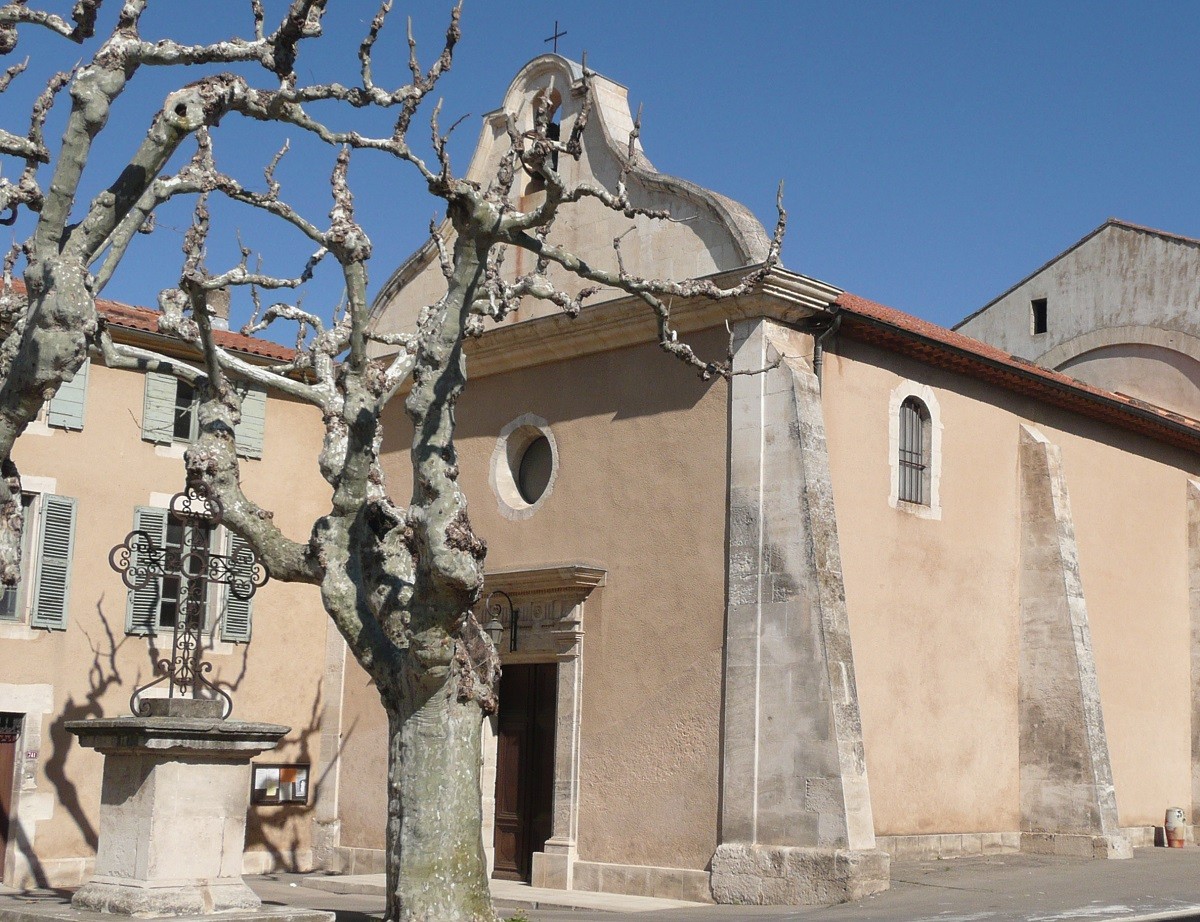
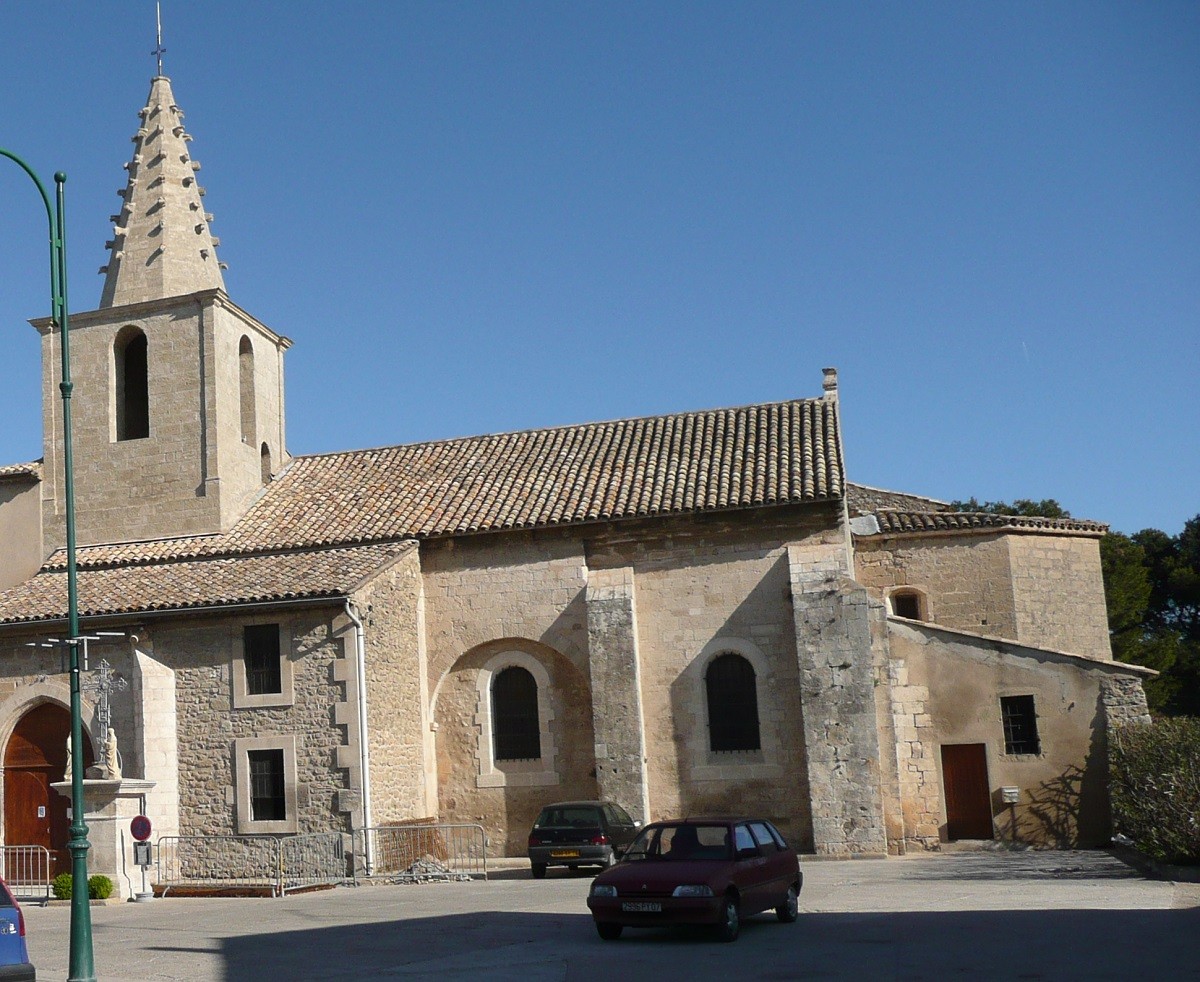
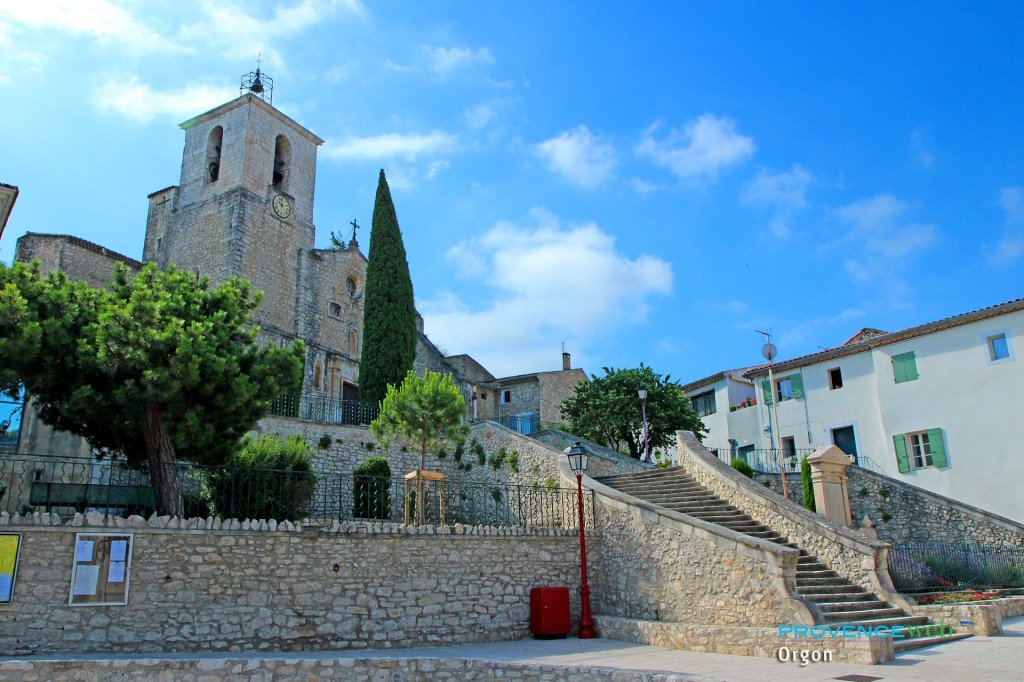
Your stroll will take you to the square where the Gothic-style Church of Notre Dame de l’Assomption (1325) stands with its beautiful bell tower (1660), alongside the tourist office and a few small shops. From the top of the stairs, on the church square, you’ll enjoy a beautiful view of the village rooftops and the Durance plain.
A little further up, behind the church, you can take the Beauregard path—a stone-paved trail dotted with 16th-century wayside shrines—which will lead you to the famous Notre Dame de Beauregard Chapel.
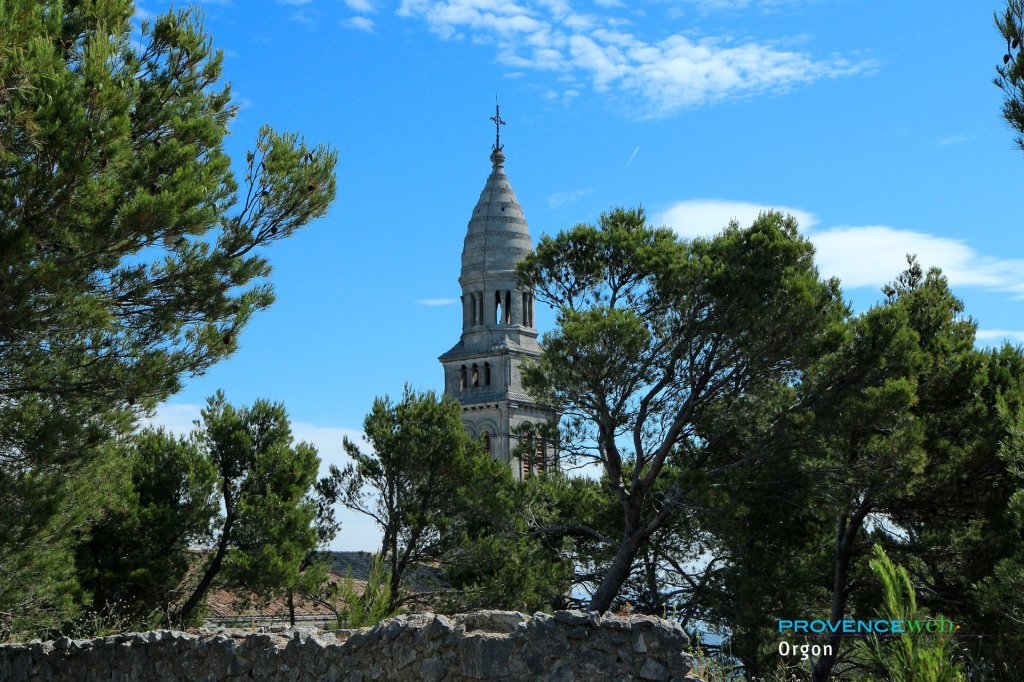
The current chapel dates from the 19th century. It was built in 1875 on the initiative of Canon Bonnard, in a Neo-Romanesque style, according to the plans of Father Pougnet. Before it, a hermitage had already occupied the site, dedicated to Saint Peter since the Middle Ages.
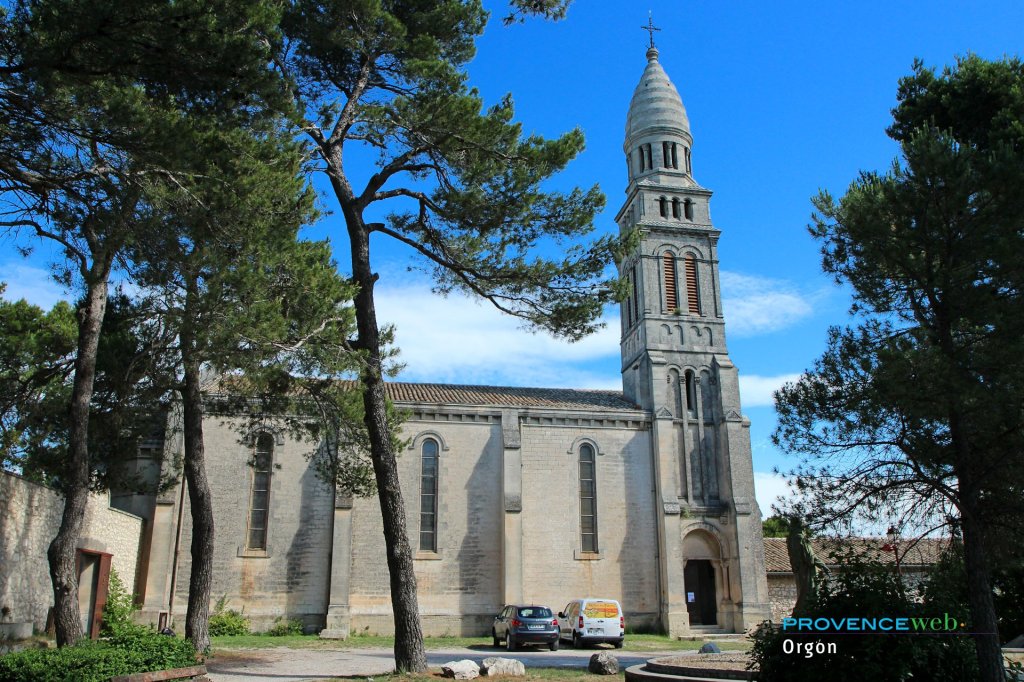
Inside, you’ll discover a Way of the Cross by Louis-Félix Chabaud, a renowned 19th-century sculptor. The cut-stone domes bear witness to the craftsmanship of the stonemasons of the time. A room filled with votive offerings tells the story of the devotion of the pilgrims who came to thank the Virgin Mary.
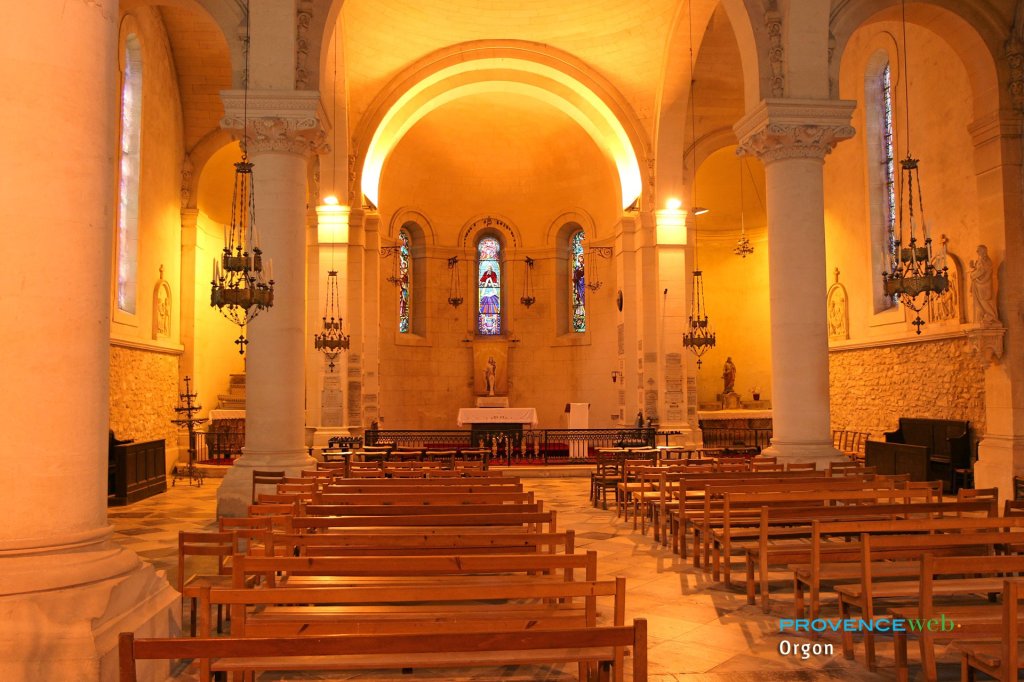
Notre Dame de Beauregard chapel
Notre Dame de l'Assomption parish church (1325).
The ruins of the Duc de Guise Château.
St Gervais chapel (15th century). St Roch chapel. St Véran chapel.
The Hortet gate. The Angel's gate. Ste Anne's gate.
Renaissance facades. Fortified walls.
Automobile museum.
Orgon village museum.
Wednesday morning market.
Hiking. Climbing.
Horse riding. Tennis. French Bowls.
Summer entertainment.
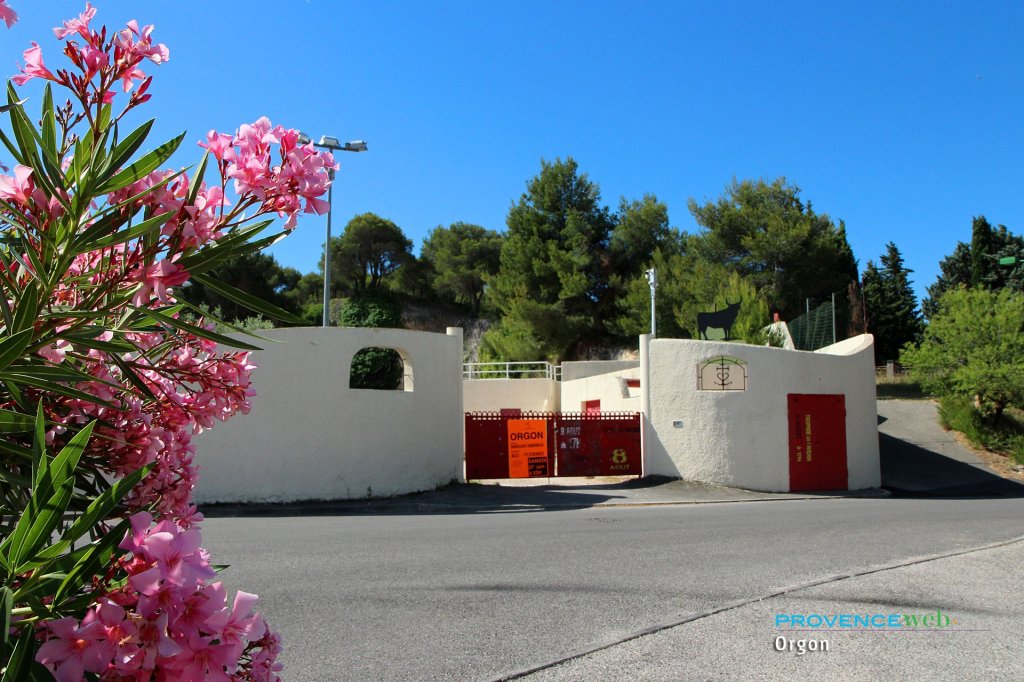
Arena. Exhibitions.
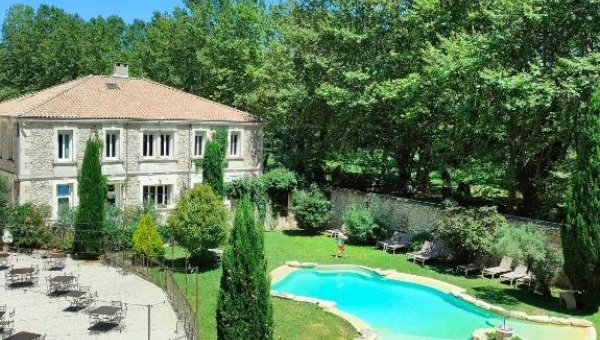
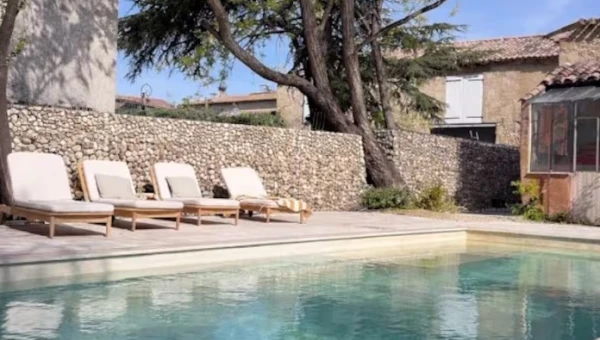
A beautiful hotel at the foot of the Alpilles. Stunning surroundings, a lovely pool, and comfortable rooms. You’ll love this little slice of paradise in Orgon.
Discover our selection of houses, villas and apartments on Airbnb for an authentic stay in this Provençal village. You will love your vacation here.
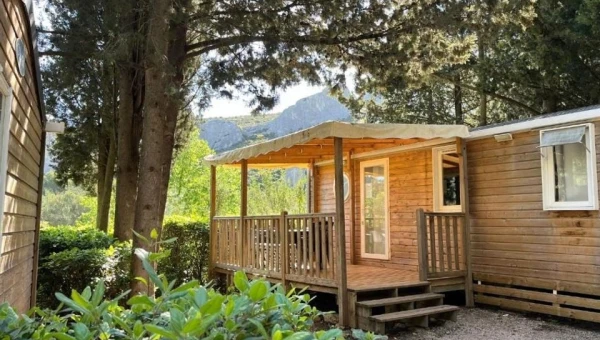
Facing a lake authorized for swimming, family campsite surrounded by nature, with sw. pool, terrace, children's games, entertainment, snack restaurant. Spacious delimited pitches. Mobile homes up to 6 people with covered terrace.
Hotels.
Bed and breakfast.
Vacation rentals.
Campsites.
You've sent us several questions about this lovely town in the Alpilles. Here are our answers :