
Simiane la Rotonde
Last update on
Aug 19, 2026
24km North-East of Apt via the D22 road in the direction of Banon.
24km North-East of Apt via the D22 road in the direction of Banon.
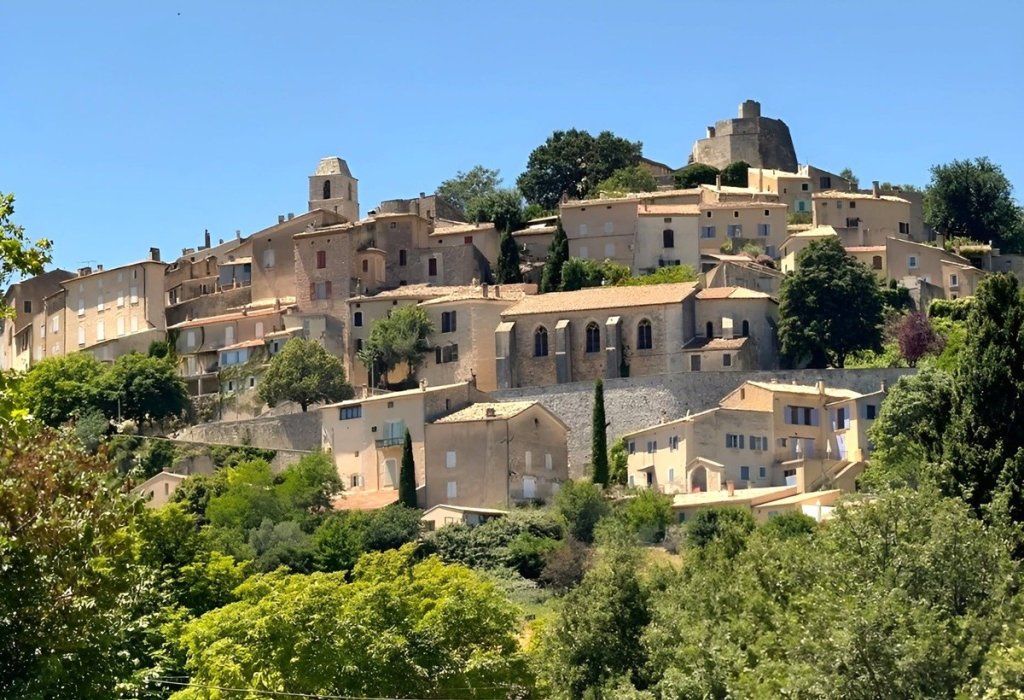
The beautiful little village of Simiane-la-Rotonde is perched on a hill surrounded by lavender fields, between the Forcalquier region and the Luberon.
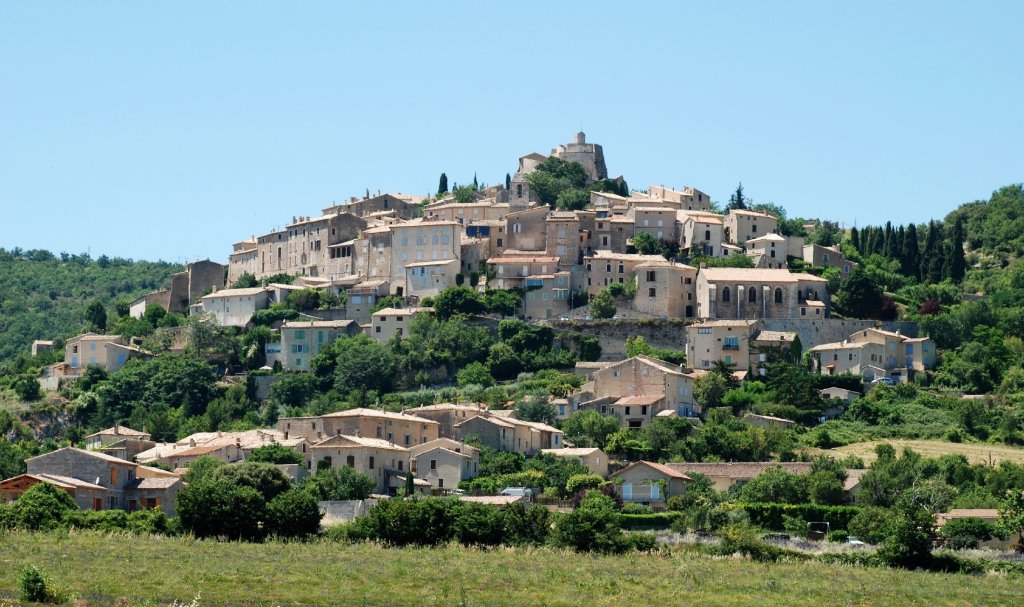
Designated a “village of character,” the village boasts a rich historical heritage and invites you to discover stunning architectural landmarks dating back to the Middle Ages and the Renaissance.
All that remains today of the fortified castle belonging to the Simiane-Agoult noble family is the 12th-century rotunda, which overlooks the village from the top of its hill.
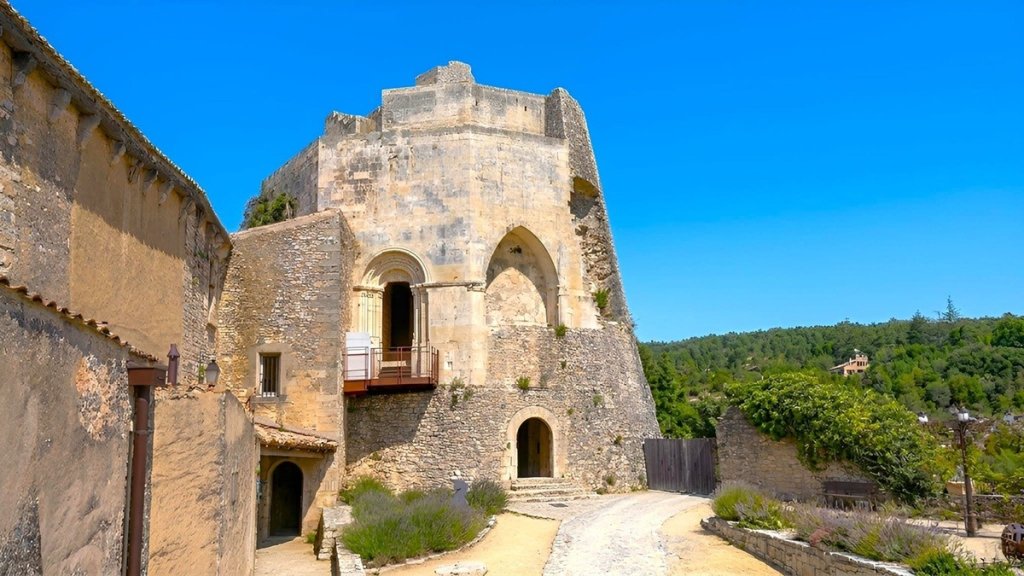
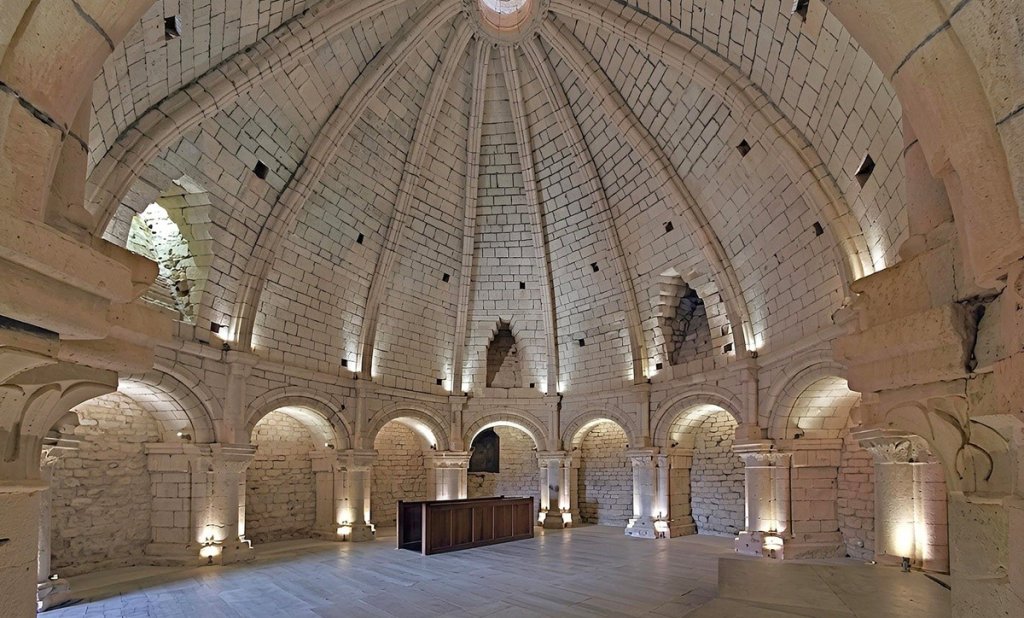
This rotunda resembles a large, nearly circular keep with a massive vaulted ceiling. Recently restored, it hosts a festival of early music every summer.
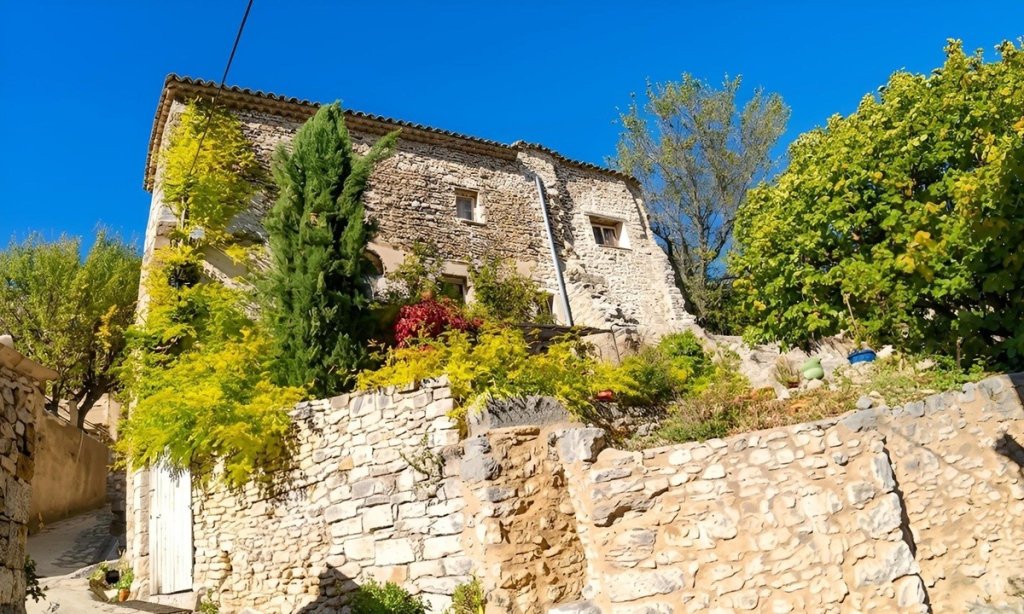
In the past, Simiane-la-Rotonde was a prosperous town, as evidenced even today by a few grand mansions and private estates in the old village. The covered market halls (16th century) and the few shops and market stalls hint at the bustling commercial life that once thrived in Simiane.
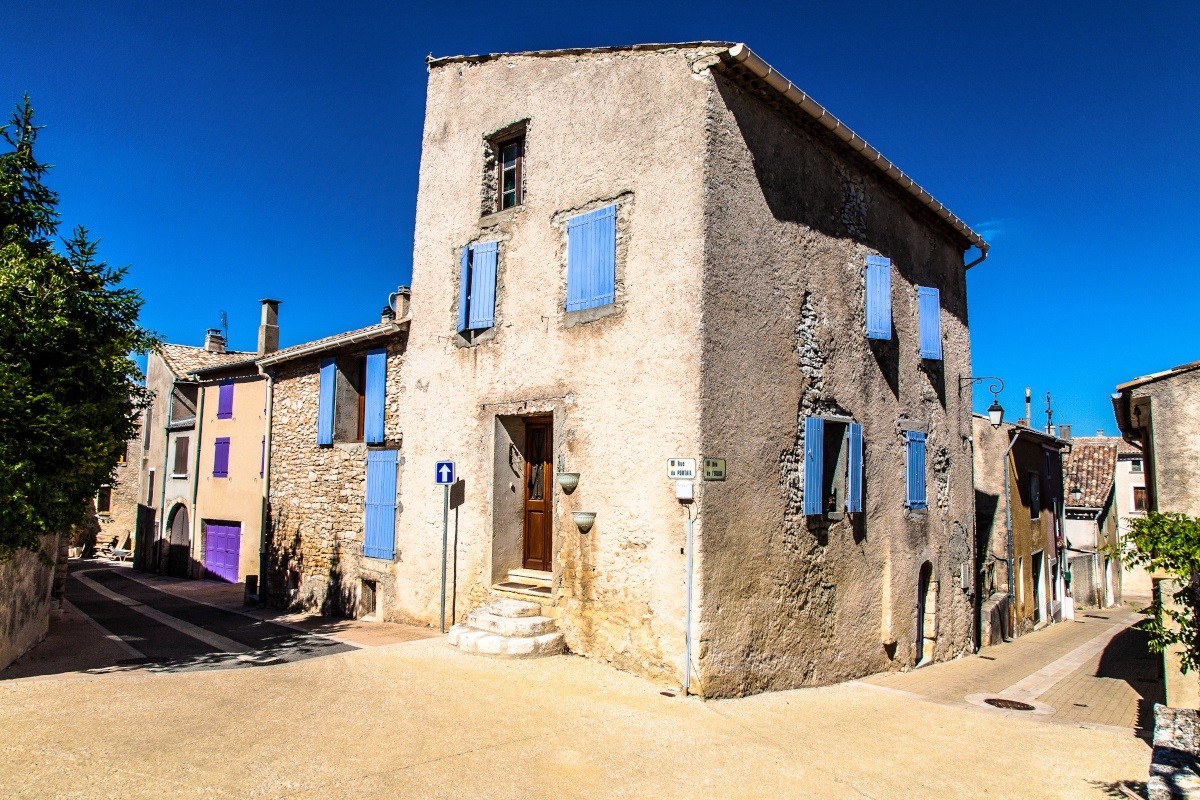
As you stroll through the village streets, you’ll come across beautiful facades, carved doors, and delicately crafted windows.
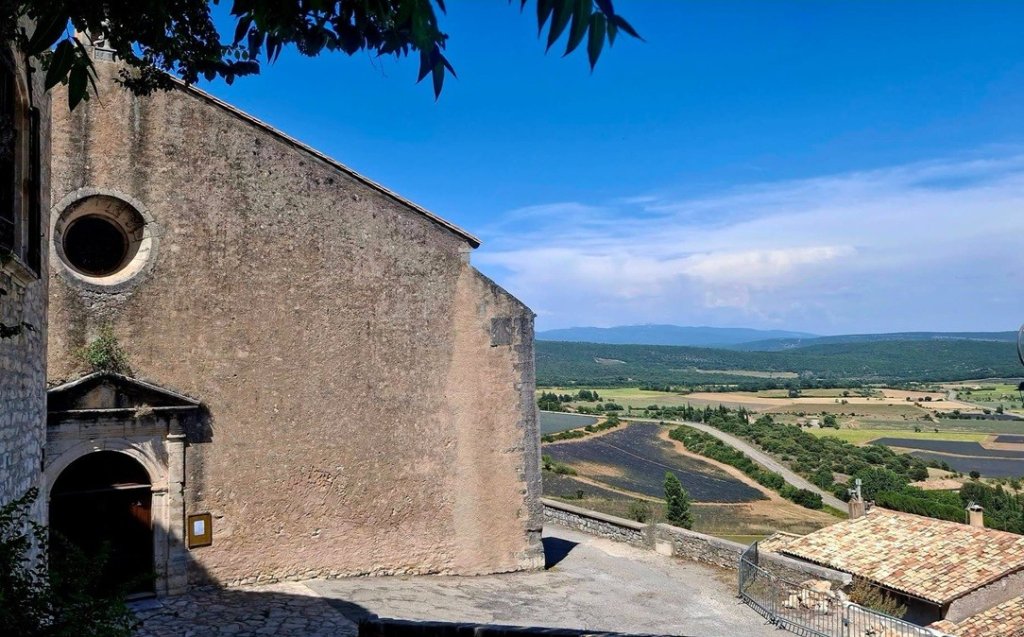
Gardens and terraces have been created along some of the narrow streets, offering magnificent panoramic views of the blue lavender fields. It’s worth noting that Simiane was long the regional capital of lavender and remains an important production center to this day.
You’ll appreciate its full charm during the blooming season, with its vast blue expanses that, once night falls, will fill your starry summer nights with fragrance.
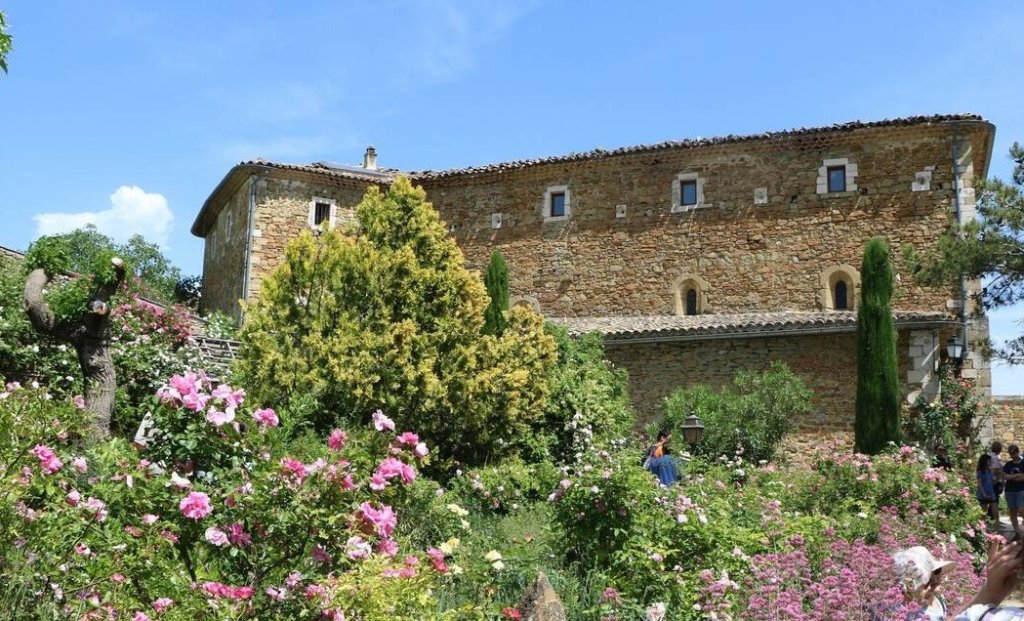
Four kilometers from the village, the Cistercian Abbey of Valsainte features terraced gardens planted with hundreds of varieties of roses, a dry garden, and a permaculture vegetable garden - all designated as a “Remarkable Garden.”
12th century rotunda.
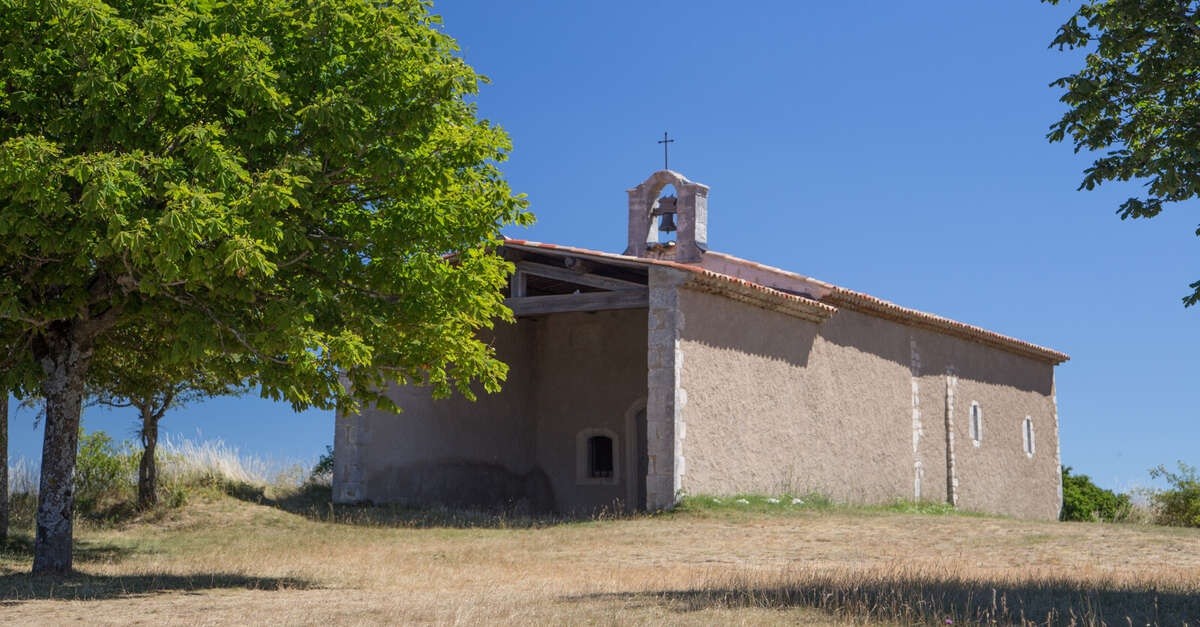
12th century Ste Victoire church.
Gate from the house of the painter, Coubine.
Ancient covered market place.
Hiking, guided tours around the village.
Summer festivals, exhibitions.
Arts and crafts : ceramics, paintings, sculptures...
Festival during the first weekend in May.
Traditional music festival from mid-July to mid-August.
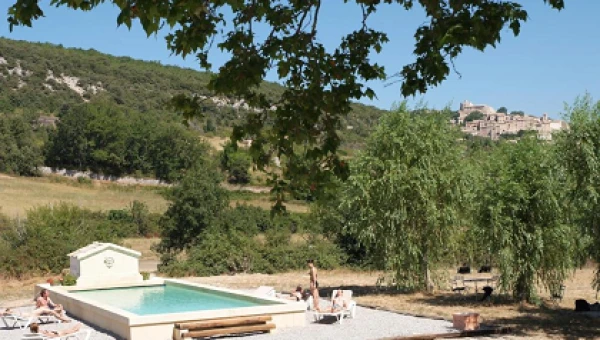
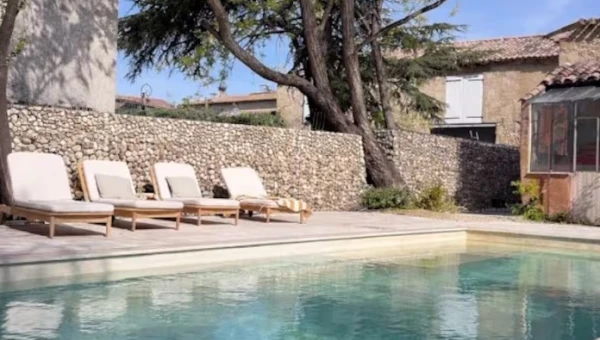
Bed and breakfast - 8 guest rooms 2 to 5 pers in a equestrian rental. Swimming pool - Horse riding. Table d'hôtes
Discover our selection of houses, villas and apartments on Airbnb for an authentic stay in this Provençal village. You will love your vacation here.
Bed & Breakfasts.
Hotels.
Vacation rentals.
Campsite.
You've sent us several questions about this charming village. Here are our answers to your most frequently asked questions.
Start with the Rotonde and its vaulted Romanesque hall. The keep also hosts temporary exhibitions and an aromatherapy laboratory.
Among the things to do, save time for the garden of Valsaintes Abbey, two and a half miles away. Heritage roses, a dry garden and a permaculture kitchen garden spread across the terraces.
Outdoor activities are easy to find. Several hiking trails leave from the village toward the lavender fields of the plateau and the surrounding hills.
Every August, the international early music festival takes over the Rotonde. The acoustics alone justify the trip.
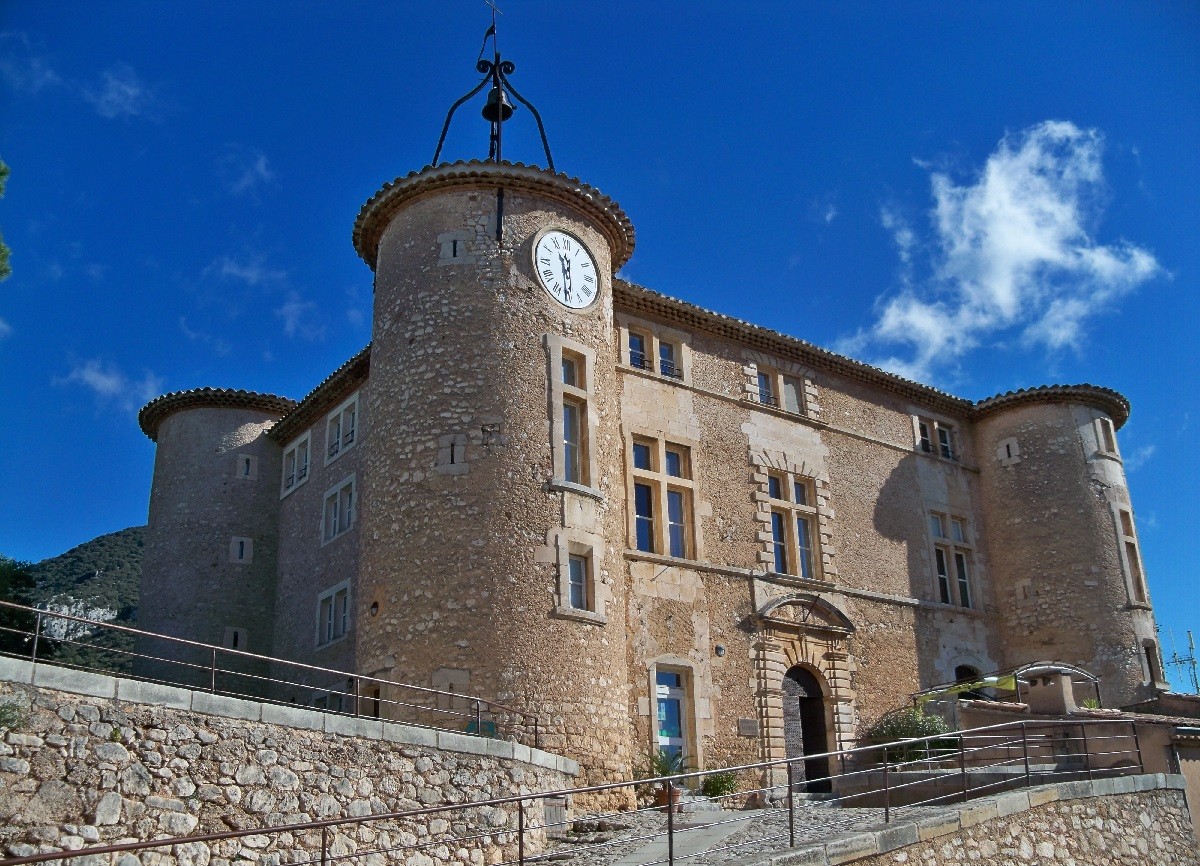
The tourist office, housed in the medieval castle, provides maps and schedules.
The village carries ten centuries of history. The Agoult-Simiane family built its castle here in the 12th century, on the mound overlooking the plain.
All that remains of the fortress is the rotonde, a former keep listed as a historic monument. Defensive at first, the hall became a ceremonial space in the 13th century.
The Middle Ages left behind the layout of the cobbled lanes. The Renaissance shaped the carved lintels and the south wing of the castle.
Simiane was a prosperous market town for a long time. The 16th-century covered market hall and the old townhouses still bear witness to it.
This heritage earned the village its "Village et cité de caractère" label.
The commune of Simiane belongs to the Alpes-de-Haute-Provence department. It sits on the southwestern edge of the Albion plateau, at around 2,000 feet above sea level.
Its geographic position makes it a crossroads. The Vaucluse begins a few miles away, the Luberon stretches to the south, and the Lure mountain closes the horizon to the northeast.
On a clear day, Mont Ventoux stands out in the distance.
This location puts you close to Banon, Apt, Forcalquier and the Sault country. Ideal for exploring Haute-Provence without changing accommodations.
The rotonde remains the main attraction on the site. Its twelve carved columns and stone dome leave a lasting impression.
Next to it, the castle chapel and the courtyard turned into an aromatic plant garden complete the castle visit.
The bell tower and the 16th-century market hall punctuate the walk through the upper village. The tall houses form a continuous rampart above the plain.
From the terraces, the view stretches far across a landscape of fields and hills.
In June and July, lavender turns the surroundings into sweeps of blue. That's the best time for photography.
Access is mainly by road. Coming from the Vaucluse, exit the highway at Avignon Sud and follow signs for Apt.
From Marseille, Aix or Sisteron, take the A51 and exit at La Brillanne toward Forcalquier. About twenty miles remain from there.
The village lies roughly fifteen miles from Apt and nine miles from Banon. No train station serves the commune, so plan on having a car.
Travelers coming from farther afield usually land at Marseille-Provence airport, around two hours away by road.
A detailed map is available from the tourist office.