
Roaix
In the northern part of the Vaucluse, 45 km from Avignon, 24 km from Orange and 7 km from Vaison la Romaine.
Discover the charming village of Roaix in the Haut Vaucluse
As you arrive on the national highway, you will see a pretty village nestled on the side of a hill surrounded by vineyards. Roaix is a charming village full of character, renowned for the quality of its wine.
The village dates back to the 12th century with the creation of a Templar commandery. Today, there are still some remains: a tower in good condition and a ruined castle. The Templar house and the Notre-Dame des Crottes chapel bear witness to this past.
Visit to the village
When you visit, you will see that the village is divided into two parts:
The first, the old village, is located on the heights with its castle, which is privately owned, surrounded by a few houses.
The second part is located below, down to the banks of the Ouvèze.
There, on the edge of the national highway, are the town hall, the post office, and the only restaurant in the village, Marie-France's. This is the liveliest part of the village.
The bridge destroyed by the disaster of 1992
Opposite the post office car park, you can see a bridge that was completely destroyed during the terrible disaster of September 1992 (when the Ouvèze River turned into a monster, devastating everything in its path).
The famous wines of Roaix
Roaix has a special feature: it is the smallest Côtes du Rhône Villages appellation in France. Vines cover more than 85% of the cultivated land. The Roaix-Séguret cooperative winery was founded in 1960 and is the most recent in the Vaucluse department. The AOC was recognized in 1967 with Grenache Noir (minimum 40%), Syrah, and Mourvèdre (25%) as the main grape varieties. The red wines develop aromas of red and black fruits, and the rosés also have character. Winegrowers often practice organic farming on this Mediterranean terroir.
Where to stay?
Further down this page, you will find our recommendations for accommodation in the village. We particularly like the “La Belle Etoile” bed and breakfast for its comfort and the quality of its food.
What to see
Commandery of the Knights Templar. Chapel of Notre Dame des Crottes.
Leisure activities
Walking.
Relaxation on the banks of the Ouveze.
Bed and breakfast
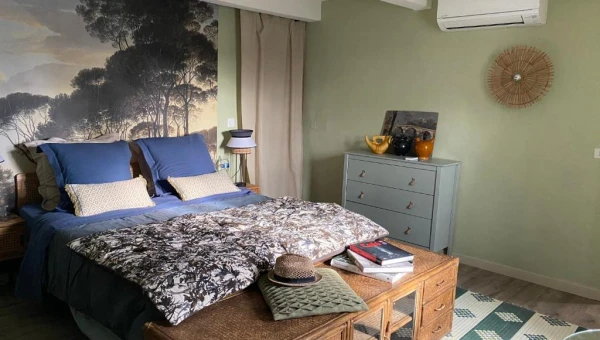
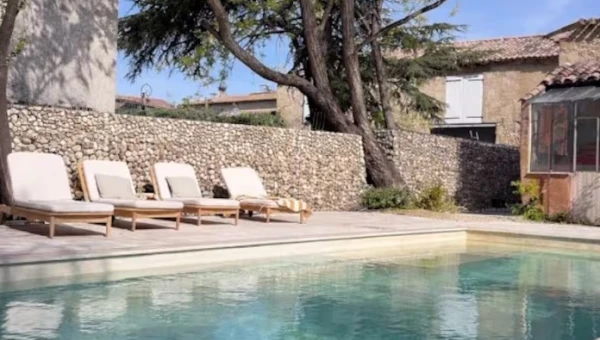
Charming bed and breakfast located in Roaix. Spacious and comfortable rooms, nicely decorated. Fantastic breakfasts and dinners. Welcoming hosts! You will love your stay in Roaix!
Accomodations
Bed and breakfast.
Vacation rentals.
Hotels.
Your questions about the village of Roaix
You have sent us several inquiries about this small village in Vaucluse. Here are our answers to your most frequently asked questions:
What activities are available in Roaix?
The GR4 hiking trail crosses Roaix between Rasteau and Séguret, taking you to Mont Ventoux. Several trails starting from the village allow you to explore the vineyards, including the Combe du Bon Poirier (10.6 km, 300 m elevation gain). Nature walks take you through vineyards and olive groves on the terraces of the Ouvèze. The village festival takes place on the first weekend of July with a flea market and craft market organized by the festival committee. Place aux Vins takes place every first Tuesday in August: the cellars and estates invite you to taste their vintages on Place Verdun from 6.30pm. Discovering the Templar heritage and relaxing on the banks of the Ouvèze complete the activities on offer. The village offers a peaceful alternative to the crowded tourist sites of Provence.
Which Roaix wines to choose?
Roaix has the smallest Côtes du Rhône Villages de France appellation, with 450 hectares facing southeast on clay-limestone, gravel, and marl soils. The AOC was recognized in 1967 with Grenache Noir (minimum 40%), Syrah, and Mourvèdre (25%) as the main grape varieties. The red wines develop aromas of red and black fruits, then evolve towards notes of leather and truffle. These are wines that can be cellared for over 10 years. The rosés can be kept for 2 years, while the whites use Grenache Blanc, Viognier, Clairette, Marsanne, Roussanne, and Bourboulenc to offer freshness and floral notes. The Roaix-Séguret cooperative winery, founded in 1960, is the most recent in the Vaucluse department, complemented by three independent wineries. Winegrowers often practice organic farming on this Mediterranean terroir, where vines occupy more than 85% of the cultivated land.
How to visit Roaix?
Roaix is located 7 km from Vaison-la-Romaine via the D975, 45 km from Avignon and 24 km from Orange. The map shows a terraced village with the old town on the heights and the lower part down to the Ouvèze river, where the town hall and post office are located. Free parking opposite the town hall provides easy access to the center. The Pays Vaison Ventoux Provence tourist office provides hiking trails and addresses of wine estates. To discover the heritage, allow half a day for a walking tour of the old village to the church and the private castle on the heights. The monuments can be visited freely all year round, while the Notre-Dame des Crottes chapel remains private property but can be viewed from the outside. A marked trail takes you on a two-hour tour past the fountain, the remains of the town walls, and the old houses, with panoramic views from the heights.
What is Roaix's heritage?
The Templar commandery dates back to 1138 when Arnaud de Bedos, commander of Richerenches, founded it with the authorization of the bishop of Vaison to build a church and cemetery. After the dissolution of the order in 1312, the fiefdom returned to the Holy See and then to the de Vesc family, who remained lords until the Revolution. The castle on the hills remains private property, with a tower in good condition bearing witness to the Templar era. The Notre-Dame des Crottes chapel retains its Romanesque apse in the locality known as “les Crottes.” The building is now private but can be viewed from the outside. The parish church of Saint-Roch dates back to 1736 and was built on the site of an older church. A Neolithic hypogeum was excavated at Les Crottes, containing 35 skeletons dating from 2090 BC, along with beads and flint tools, evidence of ancient occupation. Remains of the original walls can still be seen in places, along with a fountain and stone houses built in the traditional Provençal style. The bridge, destroyed in September 1992, is a reminder of the Ouvèze disaster, a devastating flood that struck the valley after Vaison-la-Romaine, traces of which can still be seen near the post office car park.
What are the local culinary specialties?
The local cuisine is based on local wine products, including AOC Côtes du Rhône Villages Roaix red, rosé, and white wines. Olive oil comes from olive trees grown in the commune, with some estates producing it organically and selling it directly to the public. Winegrowers offer tastings in their cellars, explaining their work from the vineyard to the winery. The Les Templiers cuvée pays tribute to the history of the village. Picodon, a small AOP goat's cheese from the Baronnies Provençales, is the subject of a fair in summer and goes perfectly with white wines. Traditional Provençal cuisine uses thyme, rosemary, and savory from the hills, and stewed dishes such as daube are popular in winter. The restaurant L'As de Cœur serves homemade regional cuisine with salads, local dishes and pizzas, and a dish of the day for €12. The wine estates organize tours with tastings by appointment, and some offer blending workshops to understand the winemaking process of Côtes du Rhône Villages.
NEIGHBOURING TOWNS AND VILLAGES
Rasteau (4 km), Séguret (6 km), Buisson (6 km) and Vaison-la-Romaine (7 km).