
Le Crestet
Last update on
Aug 19, 2026
Situated 6 km south of Vaison la Romaine via the D938.
Situated 6 km south of Vaison la Romaine via the D938.
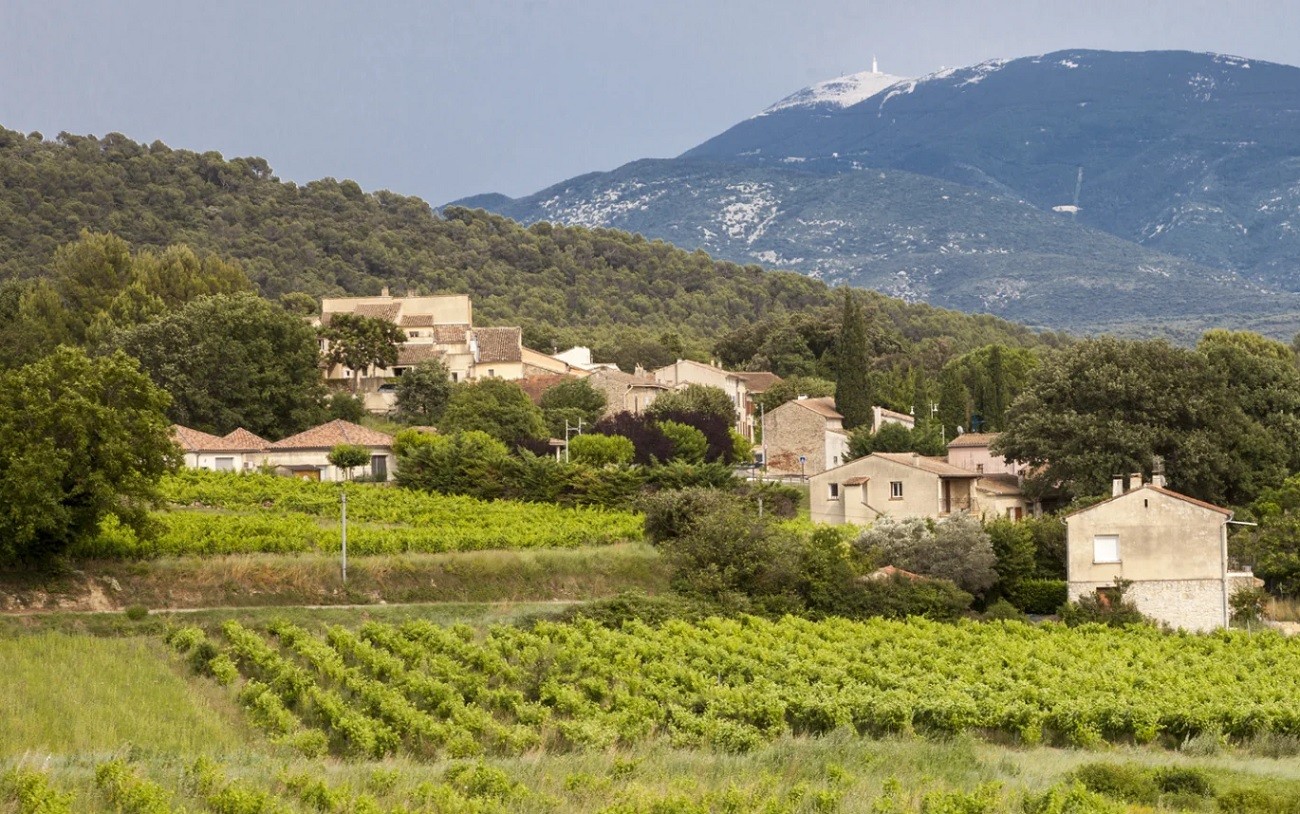
Le Crestet sits on a ridge, 6 km south of Vaison-la-Romaine, facing Mont Ventoux.
Where to stay
This medieval village in the Vaucluse—which we love very much—has just over 400 residents. You leave your car below and then walk up the cobblestone streets. At the top, the castle overlooks the Ouvèze Valley and the Dentelles de Montmirail: built in the 9th century, it is one of the oldest in the Comtat.
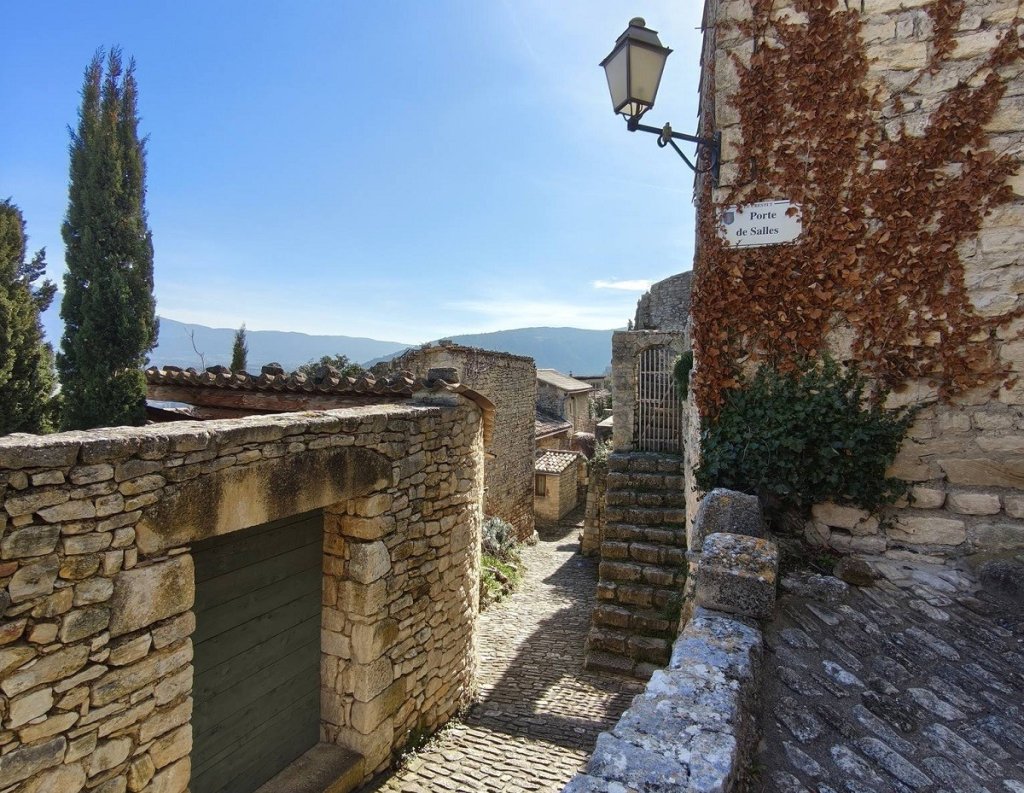
Allow an hour to walk around it, a day to truly appreciate it. Between the Annonciade Chapel, the fountain from 1843, and sculptor Stahly’s studio hidden in the forest, Le Crestet deserves more than just a photo stop on the way to Malaucène.
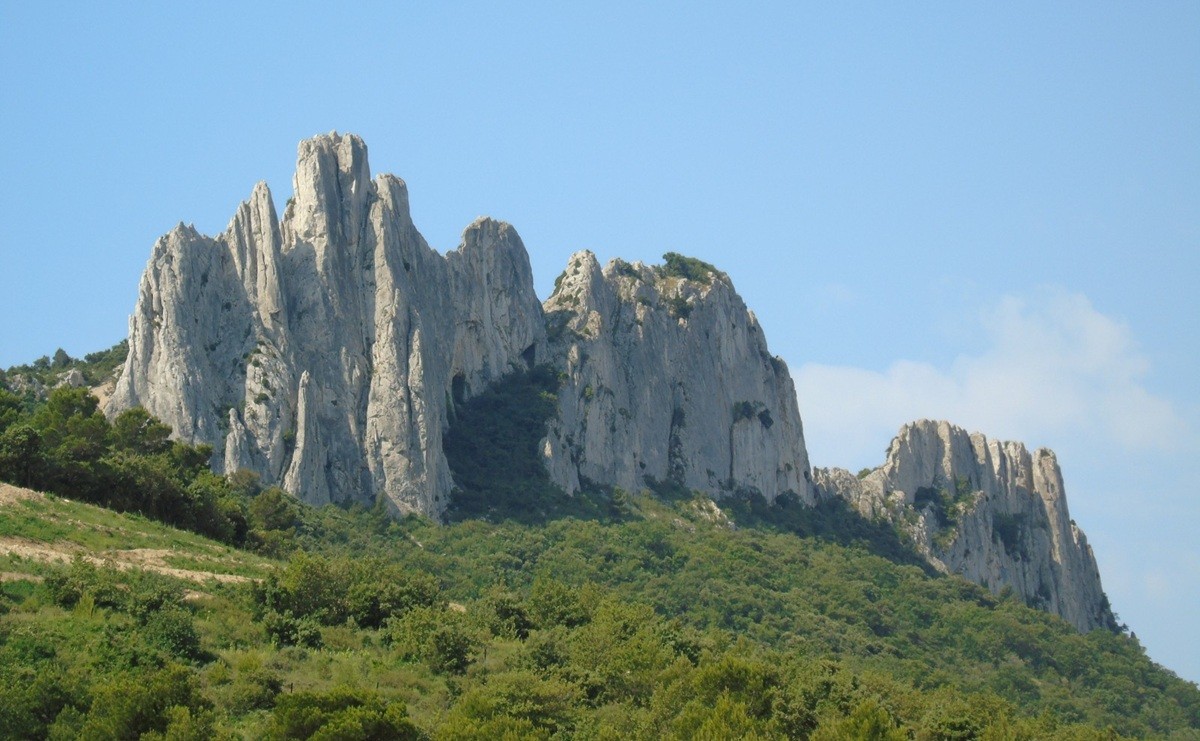
This charming little village lives up to its name. It sits perched on a ridge at the northernmost tip of the Dentelles de Montmirail mountain range. Before arriving in Le Crestet, you’ll catch a glimpse from afar of the old village proudly spread out along the ridge, facing Mont Ventoux.
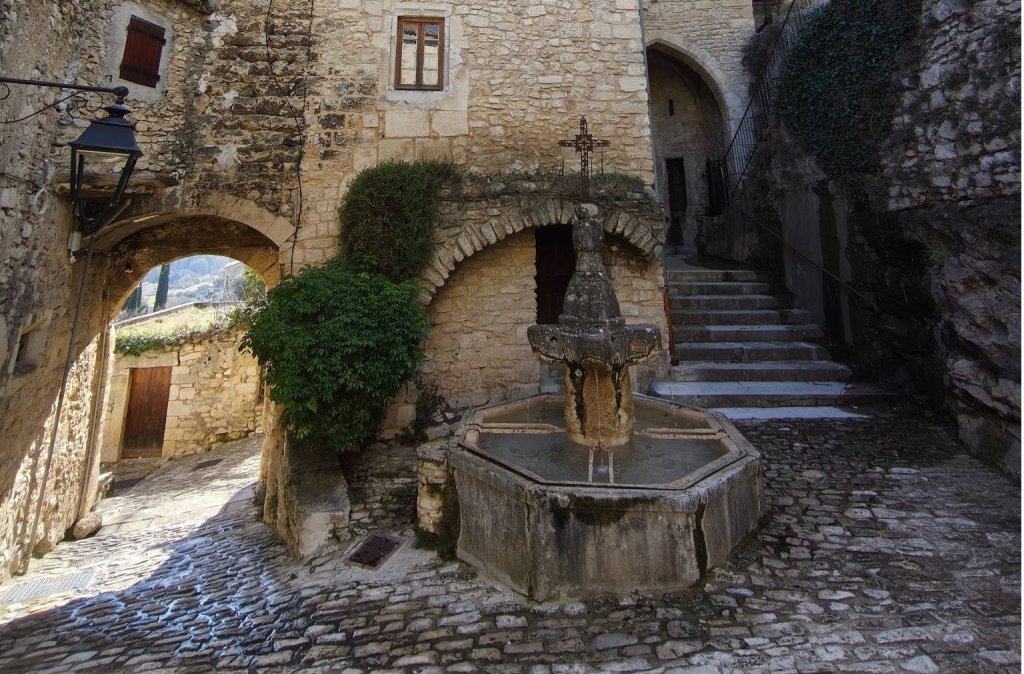
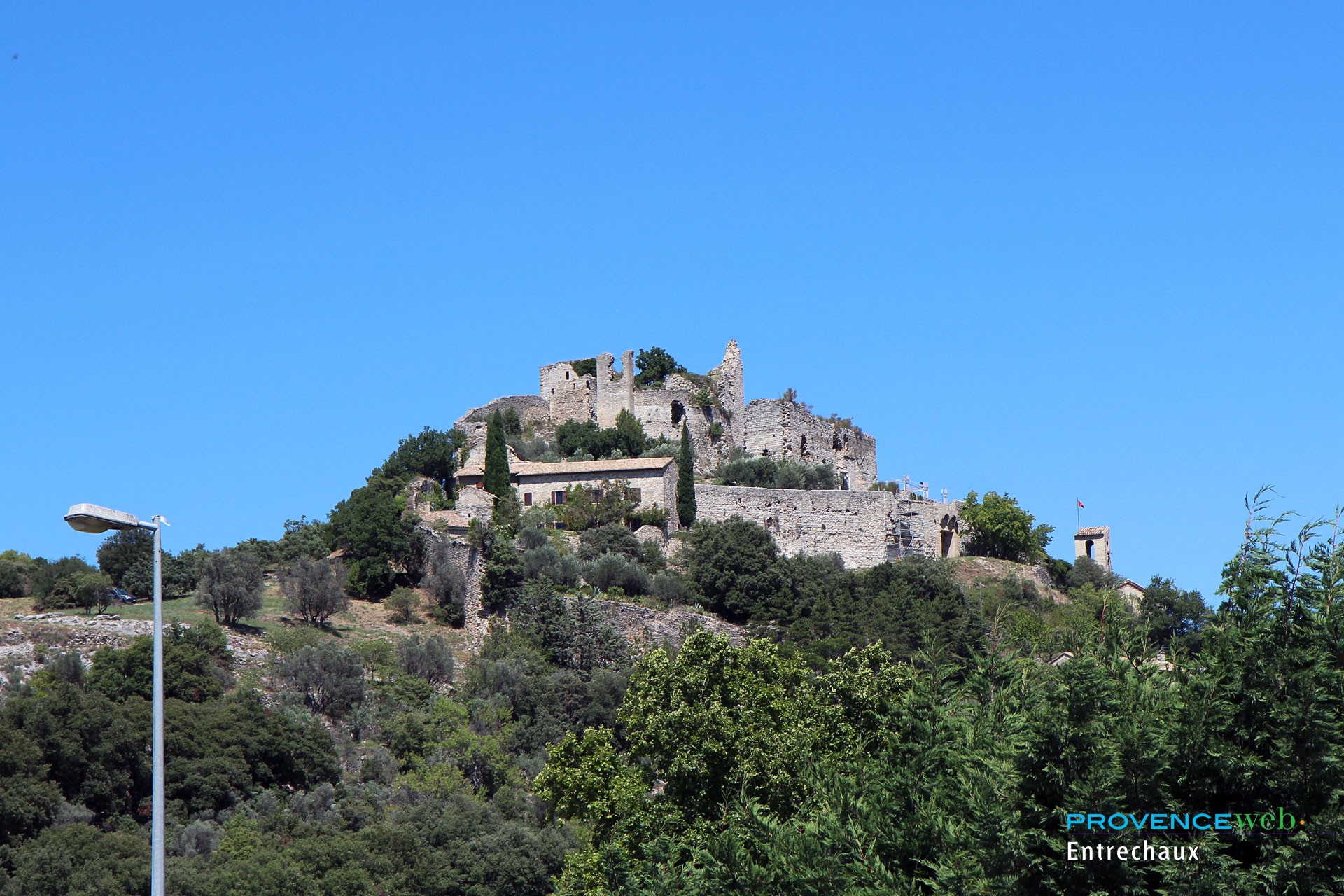
Once in the village, leave your car in the small square and take a stroll through its charming cobblestone streets. At the end of this small square, you’ll see the medieval castle (12th century), the former residence of the bishops of Vaison-la-Romaine. In times of conflict with the Counts of Toulouse, the bishops of Vaison would take refuge in this castle when they were in danger.
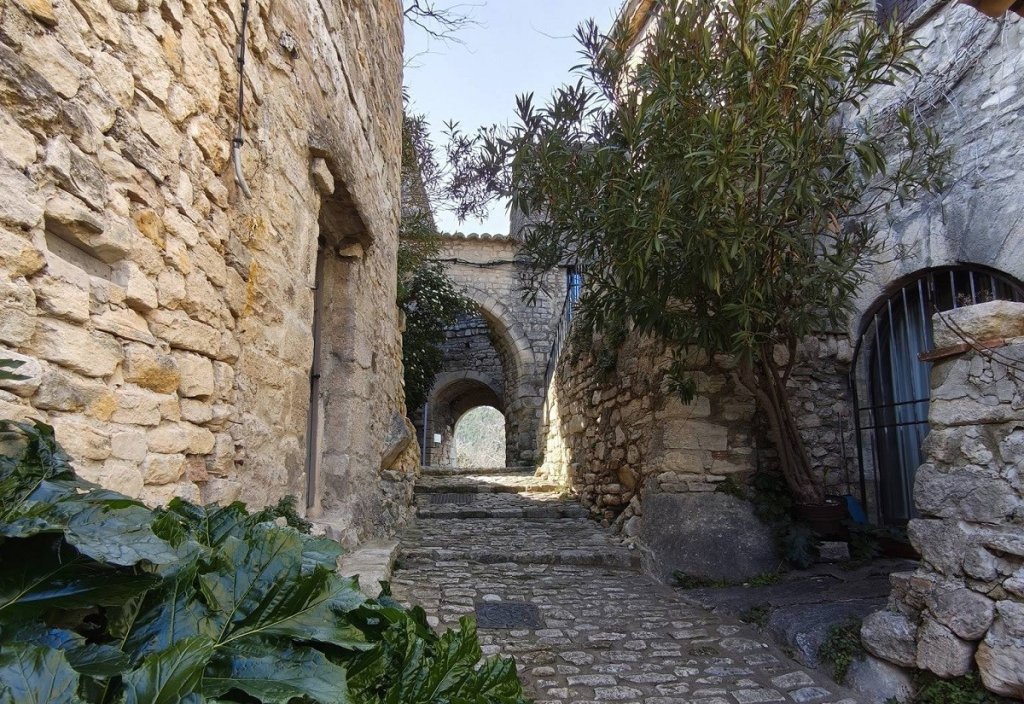
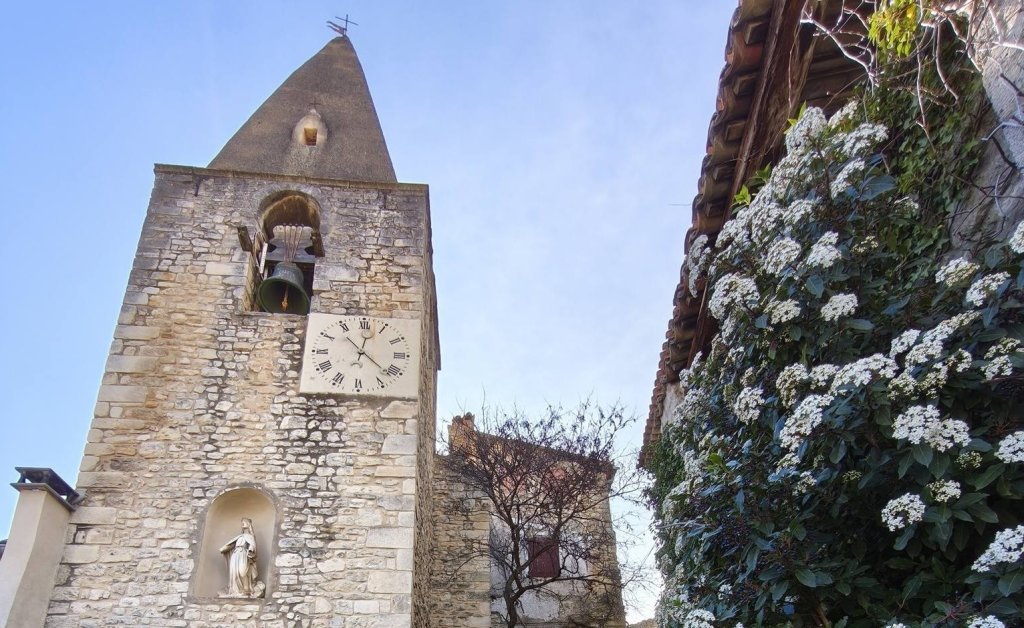
Today, the castle is privately owned, so you won’t be able to visit it. But the small medieval village holds other treasures—don’t miss the 11th-century Church of St. Sauveur, with its houses neatly clustered around the building as if to protect it.
You can also visit the Stahly Foundation, the former home of sculptor François Stahly, which features an original exhibition of contemporary sculptures and works of art. To get there, visitors should head toward the GR trail from the upper part of the village.
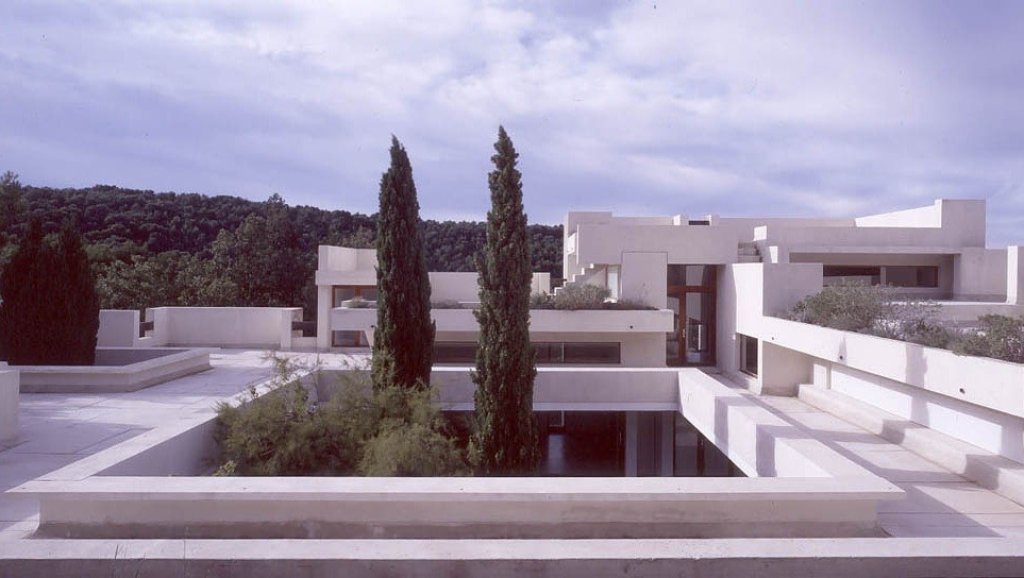
As if by magic, an immense white, cube-shaped mansion appears through the trees in the forest. A trail leads visitors to works of art scattered throughout the forest. Throughout the year, several artists are invited to create their works here, which are then displayed on-site during exhibitions.
Don’t leave Le Crestet without climbing to the village’s highest point. From there, you’ll enjoy a breathtaking panoramic view of the Dentelles de Montmirail and Mont Ventoux.
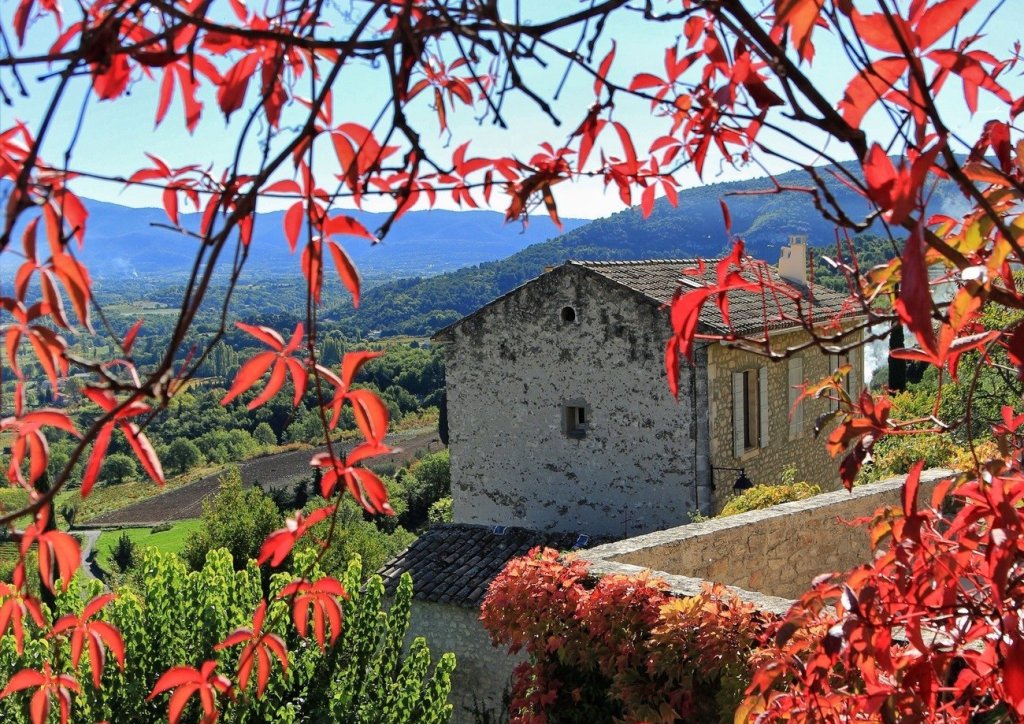
A map will help you identify and name each of the peaks, ridges, mountains, and valleys.
The medieval castle.
The Stahly Foundation Contemporary Art Centre.
Tennis, walking and mountain biking.
Hôtel en Provence - Mont Ventoux - Restaurant
Spacious and warm rooms full of charm, with ensuite bathroom & toilets, TV
Discover our selection of houses, villas and apartments on Airbnb for an authentic stay in this Provençal village. You will love your vacation here.
You've asked us several questions about this charming village in the Vaucluse. Here are our answers to your most frequently asked questions.
The castle dominates the village of Crestet from its ridge. Built in the 9th century, it ranks among the oldest in the Comtat. It sheltered the bishops of Vaison-la-Romaine after the Count of Toulouse drove them out of their city. It is privately owned today and closed to visitors, but its restored silhouette is worth the trip.
The rest of the heritage is best explored on foot. The church of Saint-Sauveur blends Romanesque, Gothic and Renaissance styles. The Annonciade chapel, just below the old washhouse, still holds 16th-century wall paintings. Look out for the sculptures left by Durieux, a former resident, tucked into the vaulted passageways. Higher up, the Stahly studio, built in white concrete in the middle of the forest, is one of the most surprising sites in the Vaucluse.
Driving is by far the easiest option. From Vaison-la-Romaine, take the D938 toward Malaucène, then the narrow D76 that climbs through the hillside for about 4 miles. Be aware that passing another car on this road takes some care. Figure on 22 miles from Orange, 31 miles from Avignon and roughly 93 miles from Marseille.
By train, the Avignon TGV station puts you less than an hour away by car. Marseille-Provence is the closest airport. A parking lot sits at the entrance to the old village: leave the car there, as the rest is done on foot. The town hall is down in the valley, in the Les Condamines district, away from the hilltop village.
Hiking comes first. The Chemin des Fontaines links Le Crestet to Vaison-la-Romaine through vineyards and woodland, in about an hour and a half of walking. Other trails head toward the Dentelles de Montmirail and Mont Ventoux, only a few miles away.
The medieval village takes about an hour to walk, cobbled lanes included. Cyclists will find an ideal base here for tackling the climbs of Mont Ventoux. In the Haut Crestet forest park, contemporary sculptures appear among the trees. Add a few Côtes du Rhône wineries nearby and you have a full day.
It all begins around 840 with the building of the castle. In 1160, the bishops of Vaison-la-Romaine settled here after being driven out by Raymond VI. He seized Le Crestet in turn in 1189. From that period the village keeps its fortified walls, its gates and its stone houses.
Craftsmanship shaped the centuries that followed. In 1426, a master glassmaker set up a glassworks at the spot that would become La Verrière. A tile works ran from 1865. The Orange to Le Buis railway served the valley until 1953. The handsome Renaissance houses, restored by lovers of old stone, tell the rest of the story.
The village festival brings the summer to life, with pétanque and card tournaments, a dance and a small funfair. It is very much a local gathering, and visitors are welcome.
Most of the calendar happens just next door. Vaison-la-Romaine hosts its dance festival in the Roman theater in July. Orange stages its great opera evenings. Mont Ventoux celebrates the end of summer at Mont Serein, and the Tour de France comes through regularly. In winter the village goes quiet again, which may well be the best time to discover it.
Le Crestet does not reveal itself right away. You have to climb, catch your breath, then look up. The view opens onto the Ouvèze valley, the Dentelles de Montmirail and Mont Ventoux.
This is one of the most beautiful villages in Provence, and it never tries too hard. No souvenir shops, no crowds. A fountain from 1843, a washhouse, an old well, a few cats in the sun. The landscape shifts with every hour of the day, and that is where its charm lies.